









Chinese Marble Top Stand
A chinese marble top stand brings dense timber and cool stone together to hold a heavy plant or urn.
Chinese Marble Top Stand
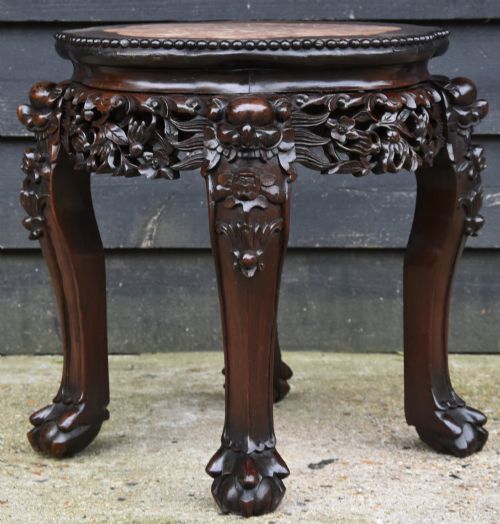
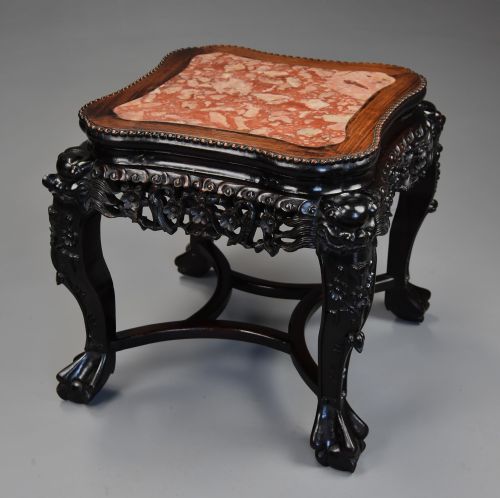
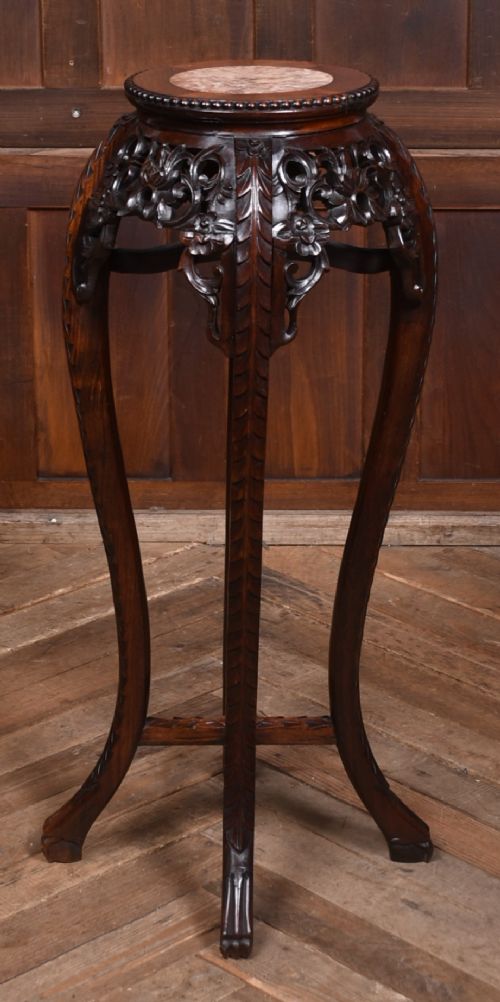
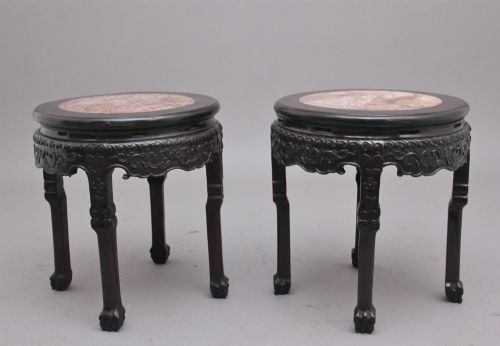
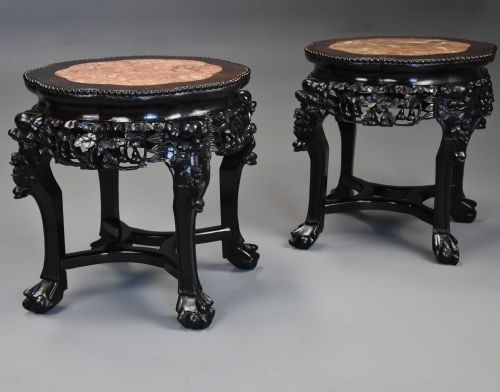
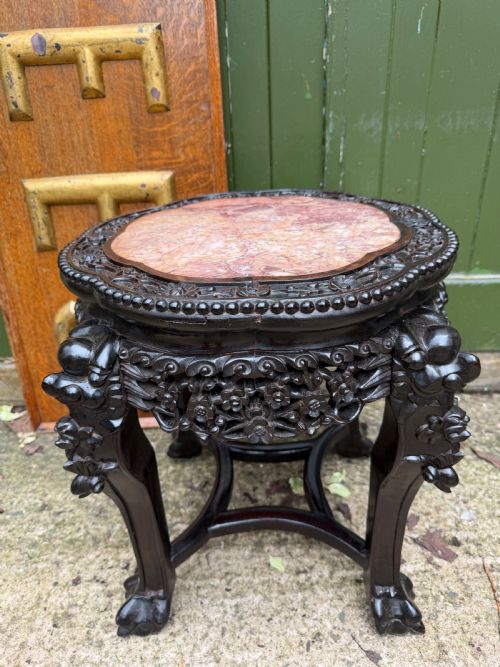
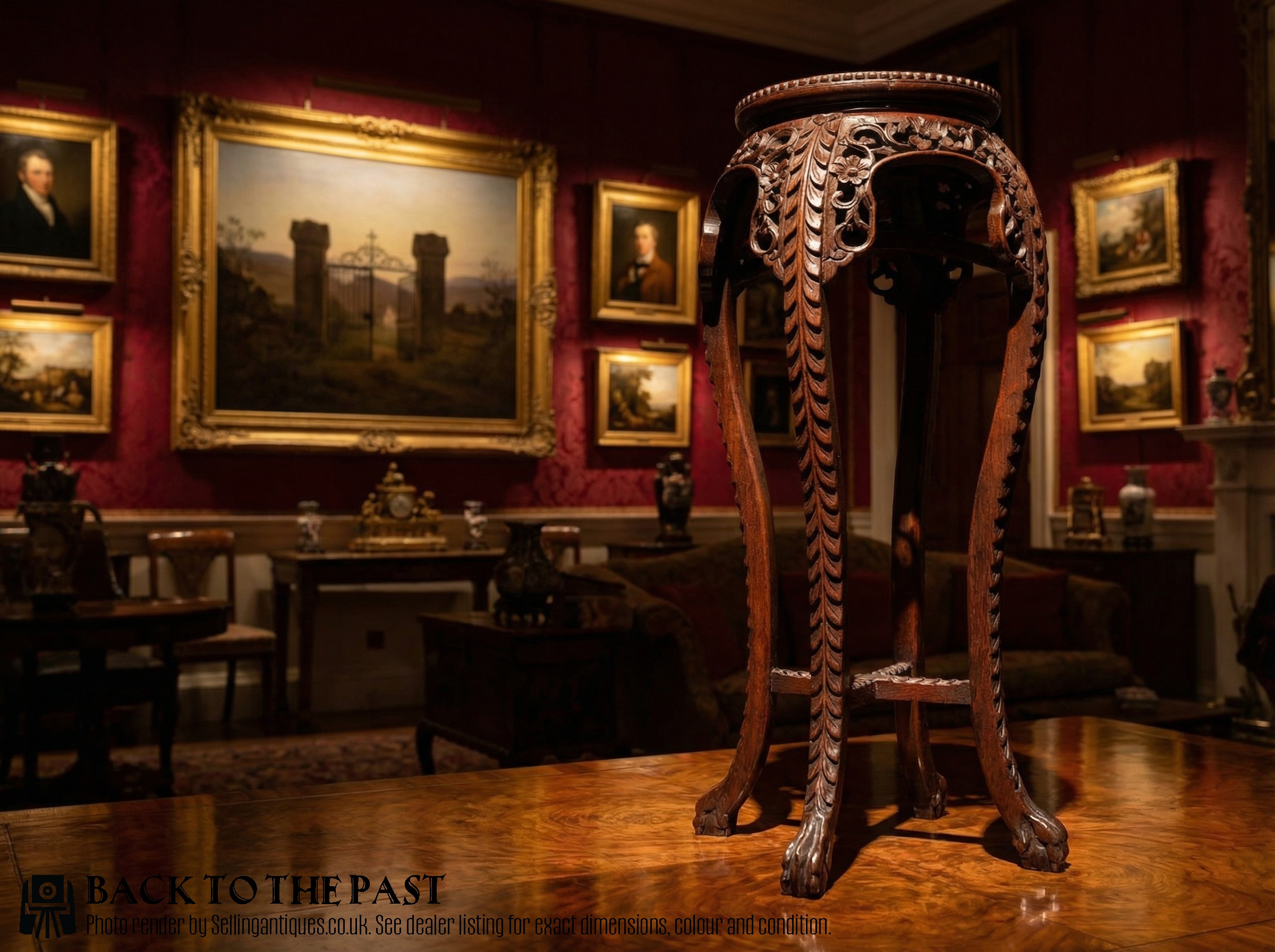
A chinese marble top stand is primarily a low table, jardiniere stand or pedestal designed to support heavy planters and urns. Most examples seen here date from the nineteenth century and the Qing dynasty, taking the form of round or shaped occasional tables.
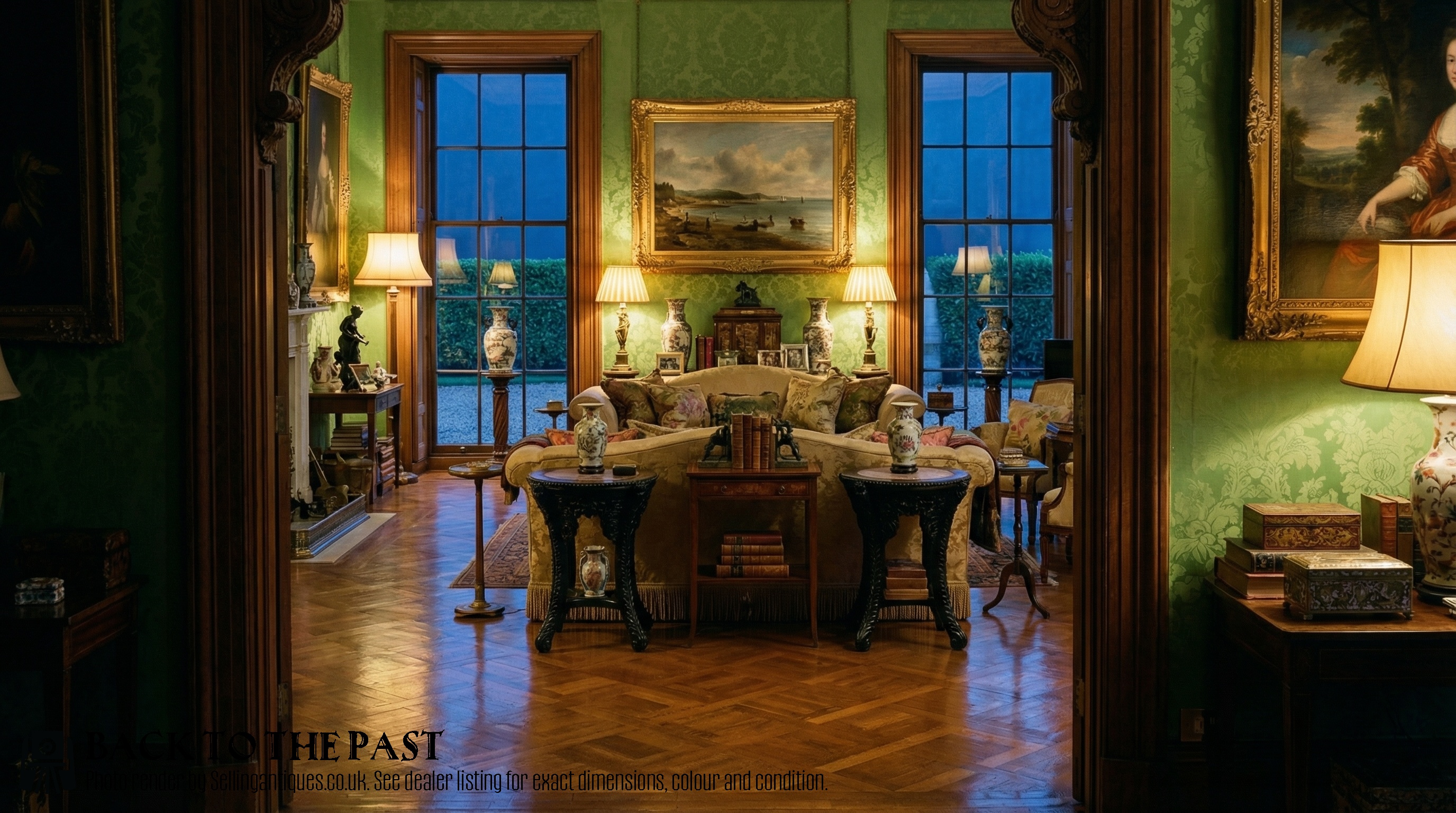
Makers shaped these pieces from dense tropical timbers to bear the weight of large ceramic vessels. They served practical domestic roles in both Chinese and Victorian interiors as lamp tables and plant holders.
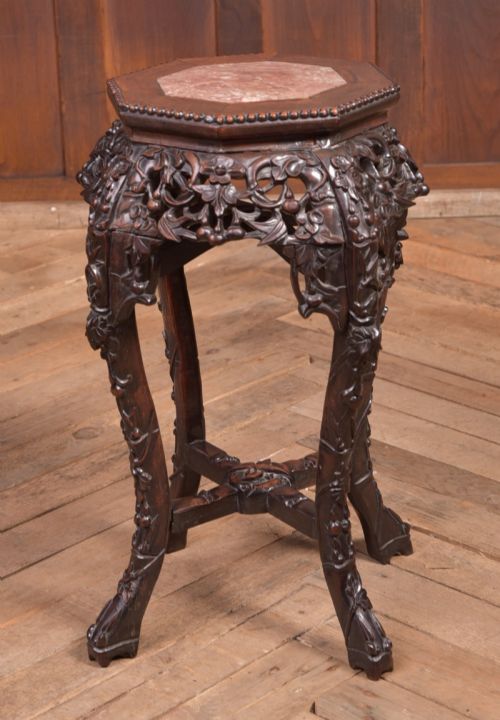
The dominant survival is the hardwood jardiniere stand with an inset marble panel. Buyers encounter these in heights ranging from low table forms to tall pedestals.
How They Were Made
Carpenters utilised dense tropical hardwoods such as rosewood, padouk and hongmu for the frames. These timbers possessed the structural strength required for heavy supports without relying on metal fixings.
Workers set natural stone panels, including variegated rouge marble and quartz, flush into the wooden frames. Frames often received intricate hand carving depicting floral motifs or traditional forms.
Some variations incorporate mother-of-pearl inlay or employ rootwood for unconventional textures. Construction methods prioritized mortise and tenon joints to stabilise the heavy stone inserts.
Chinese Marble Top Stand Retail Price Guide 2026
Typical asking prices for chinese marble top stand among the pieces listed under this phrase on Sellingantiques today, from the lower quarter to the upper quarter. They describe what is for sale here now, not the wider market.
Listings demonstrate that nineteenth-century stands utilise dense tropical hardwoods including rosewood, padouk and hongmu paired with inset marble.
What Varies In Quality
The distinction between ordinary and superior pieces rests upon the depth and crispness of the timber carving. Heavy, dense hardwoods like hongmu and padouk indicate a higher grade than softer oriental alternatives.
The quality of the inset marble also determines the tier of the piece, with richly figured rouge stone commanding greater interest than plain grey slabs. Construction mass and scale separate standard small tables from large, monumental jardiniere stands.
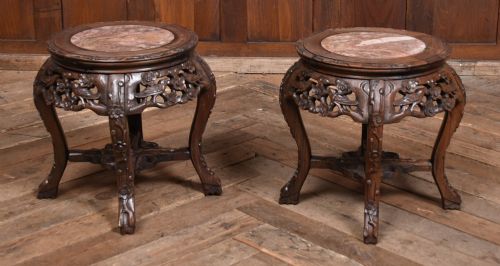
Proportion and symmetry in shaped aprons and cabriole legs separate master workshops from provincial production. Original matched pairs represent a higher order of survival than single items.
The Chinese Marble Top Stand Glossary
- Jardiniere stand
- A tall or low table specifically built to hold large plant pots or ceramic bowls. These items frequently feature inset stone tops to resist moisture from watering.
- Hongmu
- A traditional Chinese term denoting dense, red-brown hardwoods utilised in high-status furniture. It translates literally as red wood and groups several heavy species.
- Padouk
- A durable tropical timber displaying a reddish hue that darkens with age. Cabinet makers selected it for its stability and resistance to heavy loads.
- Qing Dynasty
- The final imperial dynasty of China, spanning from sixteen forty-four to nineteen twelve. Many surviving stands date from the late nineteenth century within this period.
- Rouge marble
- A decorative limestone displaying deep red and white veining. It was frequently chosen for the inset panels of high-grade tables.
Chinese Marble Top Stand: Frequently Asked Questions
What were chinese marble top stands used for?
These stands functioned primarily as stable surfaces for heavy ceramic planters, bronze urns and interior lamps. Their sturdy frames prevented tipping when supporting large, moisture-heavy flora.
In both eastern and western rooms, they provided a display area for decorative objects at various heights. Lower variants served as side tables or occasional stools.
How do you clean the marble top?
Maintenance requires only a damp cloth with mild soap to remove dust and surface marks from the stone panel. Harsh chemical cleaners can etch the polished marble surface and dull the grain.
The surrounding hardwood frame benefits from occasional waxing to nourish the timber without affecting the stone insert.
Are these stands heavy to move?
The dense tropical hardwoods and solid stone inserts make these pieces surprisingly heavy for their physical size. Padouk and hongmu weigh considerably more than European utility timbers.
Lifting them requires care to protect both the mortise joints and the fragile edges of the inset marble panel.
How can you tell the age of a stand?
Dating relies upon timber choice, carving style and construction wear rather than stamped markings. Late nineteenth-century examples often display deep hand carving associated with the Qing dynasty.
Patina on the hardwood surfaces and traditional joinery methods provide further physical evidence of nineteenth-century production origins.