









Hardwood Plant Stand
When you choose a hardwood plant stand, you select a functional platform for a heavy urn, vase or botanical display.
Hardwood Plant Stand
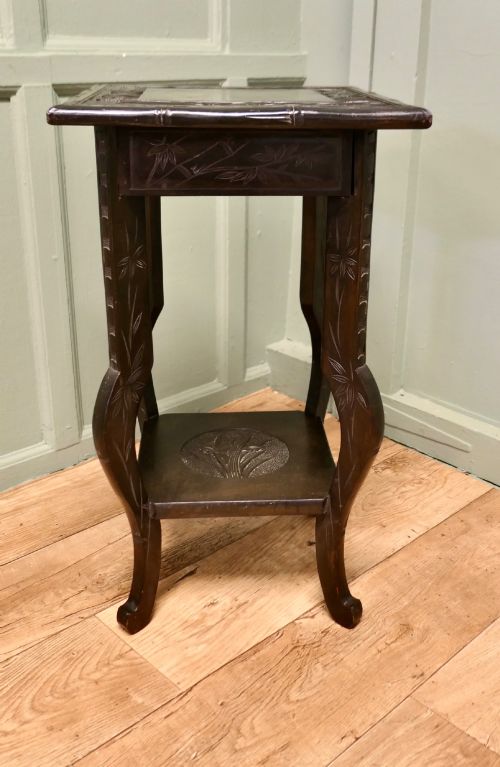
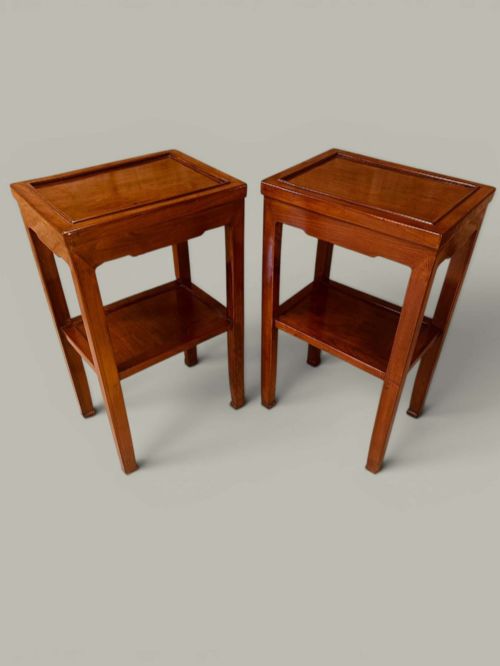
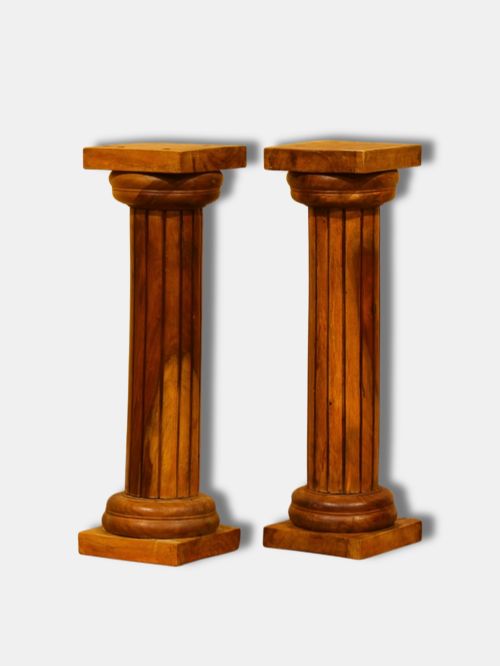
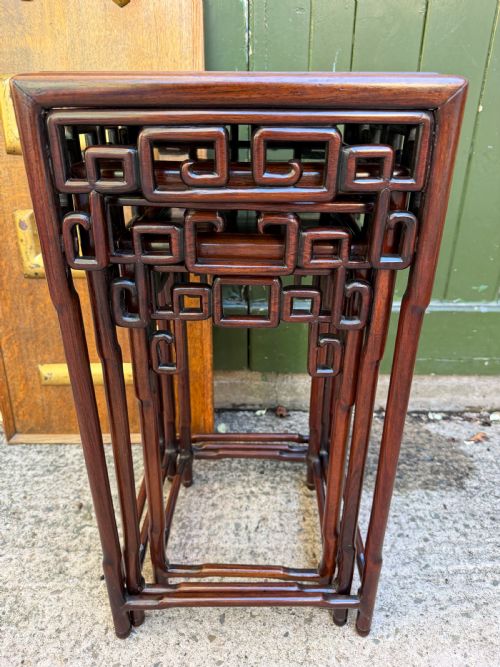
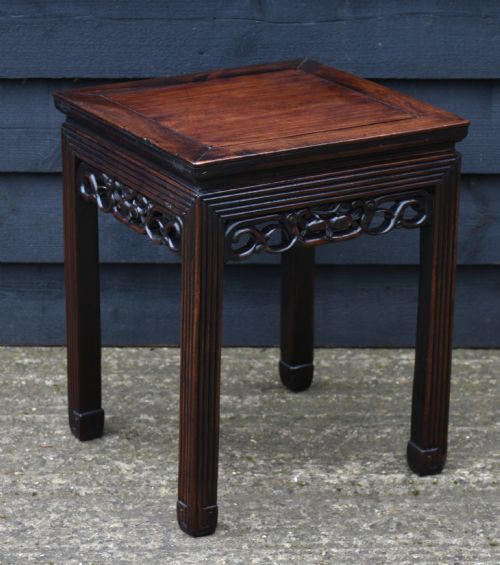
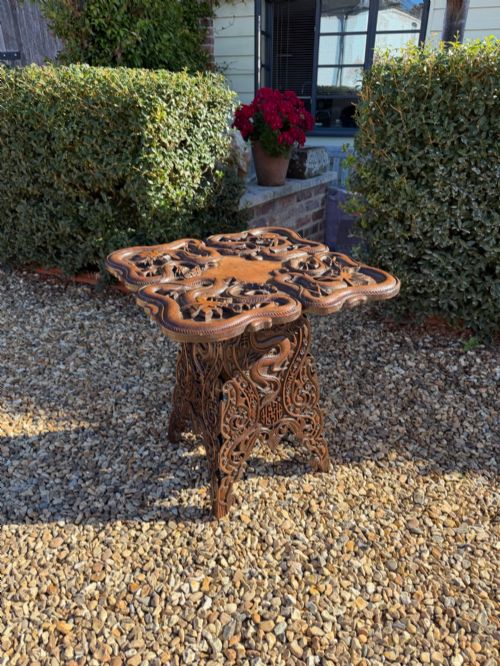
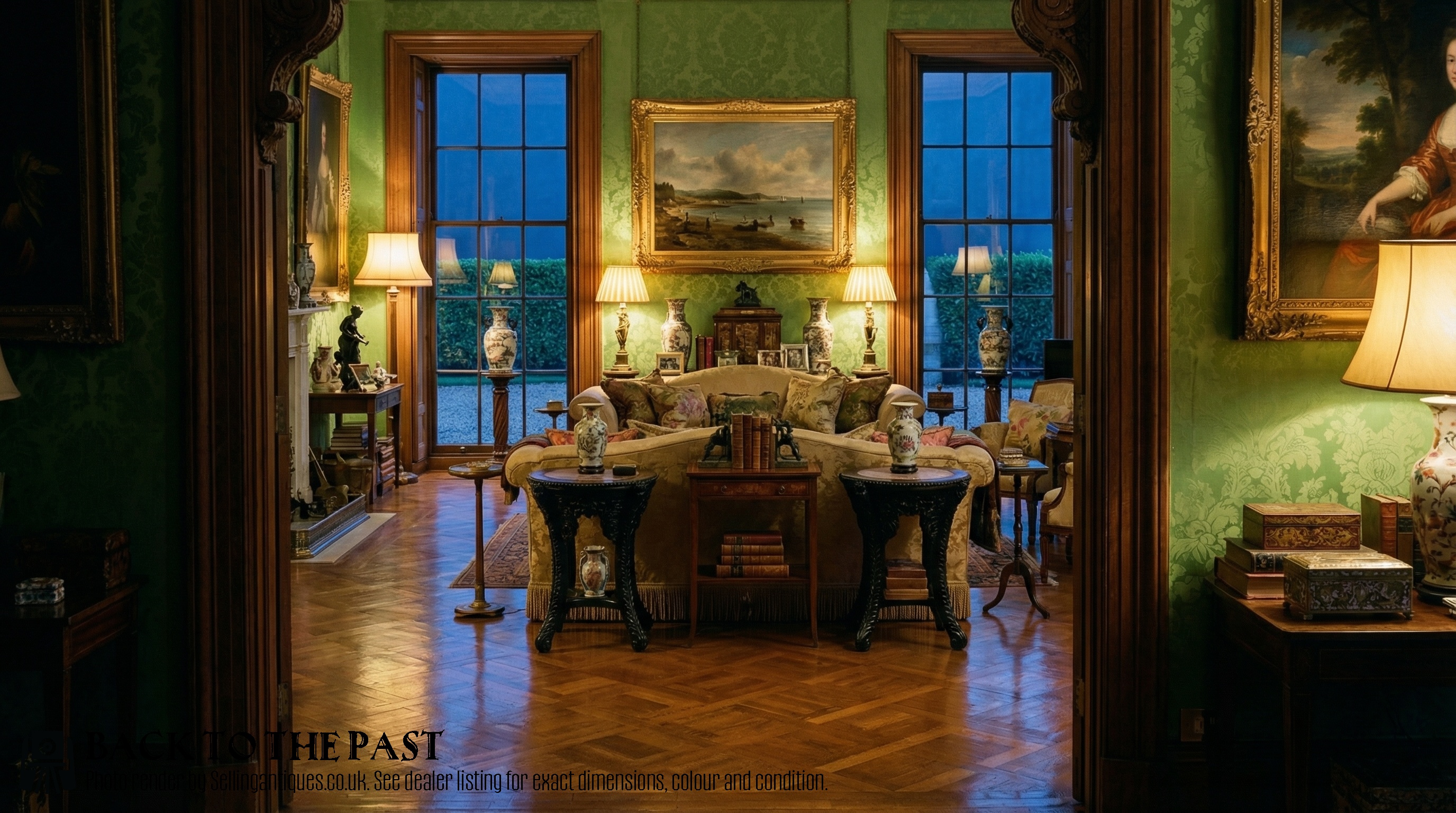
A hardwood plant stand serves as a sturdy pedestal for decorative vessels, commonly appearing in formats such as pot stands, jardiniere supports, torcheres, and low tables. The evidence shows these pieces span the nineteenth century and the early twentieth century, drawing heavily on Chinese export traditions and Anglo-Indian craftsmanship.
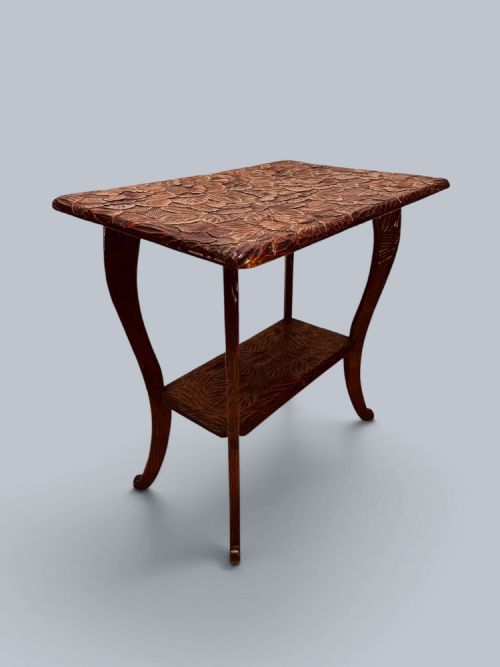
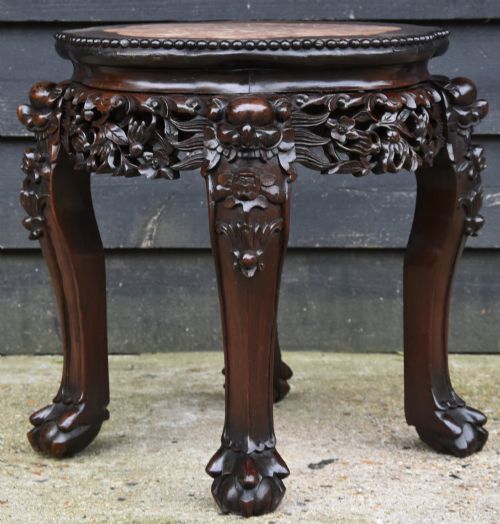
Buyers frequently encounter marble-inset tops designed to protect the timber from moisture, alongside carved occasional tables and multi-tiered nesting sets. The structural forms range from low square tables to tall pedestal stands, reflecting diverse domestic uses in historic interiors.
Materials and construction
Makers utilised dense timbers such as rosewood, padouk, huanghuali, and ebonised wood to build rigid frames capable of supporting heavy ceramic vessels. These heavy hardwoods often feature hand-carved detailing, intricate joinery, and occasionally inlaid bone, mother of pearl, or brass.
Many examples integrate inset panels of variegated rouge marble or burr wood into the top surface, contrasting the cold stone against the warm grain of the timber. The construction relies on traditional joinery methods suited to exotic woods, ensuring stability across tall torcheres and low jardiniere tables.
Hardwood Plant Stand Retail Price Guide 2026
Typical asking prices for hardwood plant stand among the pieces listed under this phrase on Sellingantiques today, from the lower quarter to the upper quarter. They describe what is for sale here now, not the wider market.
Several stands double as elephant platforms, giving your potted ferns an unexpectedly majestic companion in the corner of the room.
Evaluating craftsmanship and materials
The distinction between tiers rests upon the depth and crispness of the hand carving, the choice of dense exotic timber, and the quality of the inset marble. Superior examples display tight grain, precise joinery, and deeply undercut motifs that remain sharp and well-defined.
Lesser pieces exhibit simpler turned elements and thinner timber sections with less attention paid to the figuring of the wood or the symmetry of the marble insert. The presence of documented retail stamps or unusual configurations also separates standard production items from more ambitious workshop pieces.

Liberty & Co·Gabriel Viardot
The Hardwood Plant Stand Glossary
- Jardiniere stand
- A tall or low table specifically built to hold a heavy ceramic flower pot or plant container. These often incorporate water-resistant marble tops.
- Torchiere
- A tall standing pedestal designed originally to carry a torch or lamp, adapted later to display urns and botanical specimens. They feature slender columns raised on stable bases.
- Padouk
- A heavy, durable tropical hardwood with a reddish hue that darkens with age, frequently employed in Chinese export furnishings. It provides a stable foundation for intricate carving.
- Hongmu
- A traditional Chinese classification for dense red woods used in fine furniture manufacture. These timbers support deep, crisp relief carving without splintering.
Hardwood Plant Stand: Frequently Asked Questions
How do I use a plant stand safely?
Place your stand on a level surface away from direct heat sources that might dry out the dense timber over time. Ensure the weight of your ceramic pot or urn sits centrally to maintain balance on taller pedestal forms.
Utilise the protective marble top where fitted to catch stray water from watering your plants. Avoid dragging the piece across floors, as the heavy hardwood construction can stress historical joints.
Were these stands only used for plants?
Historic interiors utilised these versatile pieces for multiple purposes beyond supporting botanical specimens. They frequently functioned as lamp tables, occasional side tables for tea service, or pedestals for decorative bronze sculptures and porcelain vases.
Lower square variants served as low tables or nested neatly within larger sets of graduated occasional tables. This adaptability explains the wide variety of surface configurations found in the current selection.
How do I care for antique hardwood furniture?
Maintain the timber by dusting regularly with a soft, dry cloth and occasionally applying a suitable natural wax polish to nourish the grain. Keep the pieces away from sudden temperature fluctuations to prevent movement in the joints or the inset marble panels.
Avoid using modern liquid chemical sprays that can damage historic finishes. Gentle upkeep preserves the rich patina developed over centuries of handling.
How can I tell the origin of my stand?
Examine the timber species, the style of carving, and the construction methods used on the underside of the top. Chinese export pieces often feature traditional floral or dragon motifs executed in dense rosewood or padouk, while Anglo-Indian examples frequently display characteristic bone or brass inlay.
Look closely for maker stamps or retail labels applied to the frame by historic importers. Comparing the joinery style to documented nineteenth-century workshop practices also clarifies provenance.