










Asian Accent Table
When you search for an asian accent table, you find pieces ranging from low tea tables to tall plant stands shaped by diverse traditions.
Asian Accent Table
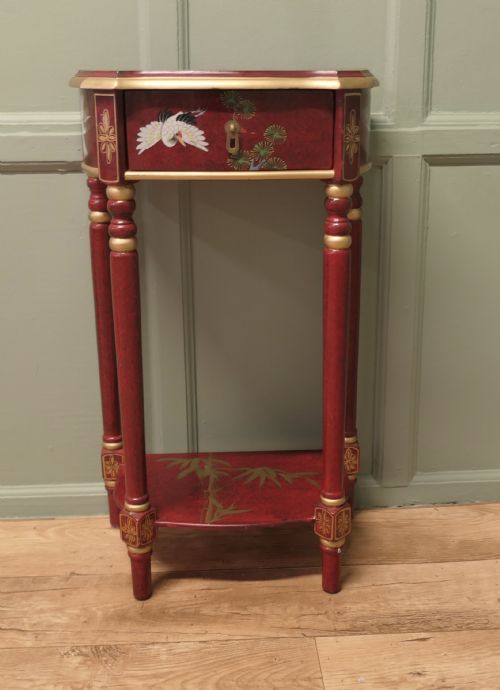
An asian accent table encompasses a varied group of occasional furniture, side tables, coffee tables, and plant stands drawn from nineteenth and early twentieth century traditions. These pieces include Chinese hardwood forms, Japanese ebonised elm designs, and lacquered Burmese surfaces intended for domestic display.
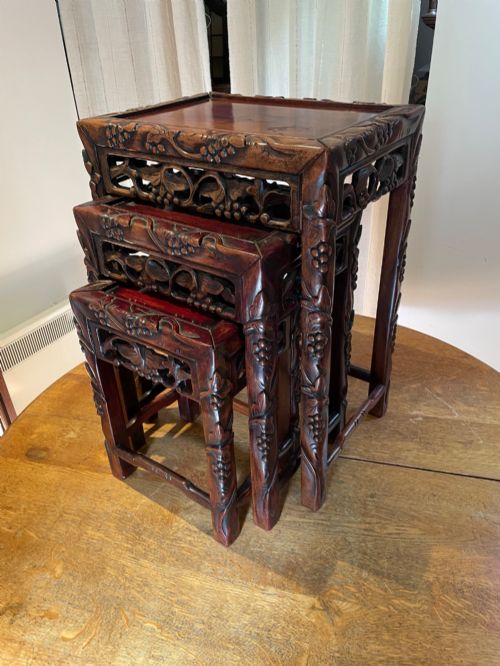
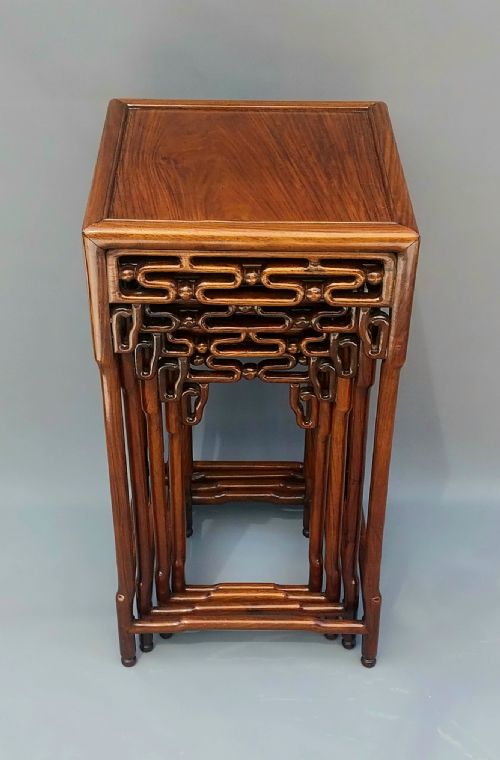
Buyers most frequently meet compact occasional tables, nesting sets, and pedestal stands designed to hold lamps, vases, or decorative objects. Forms range from low opium tables and chabudai tea tables to tall, slender jardiniere stands with circular or octagonal tops.
Materials and construction
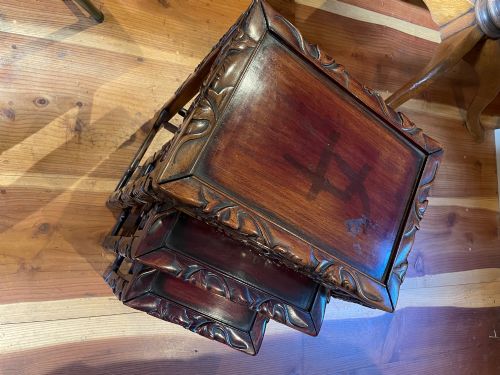
Cabinetmakers utilised dense timbers such as hongmu, rosewood, elm, and general hardwoods, frequently constructing surfaces to support heavy marble inserts or deep quartz tops. Joinery methods allowed for stable freestanding tables, low seating furniture, and multi-tiered nesting sets.
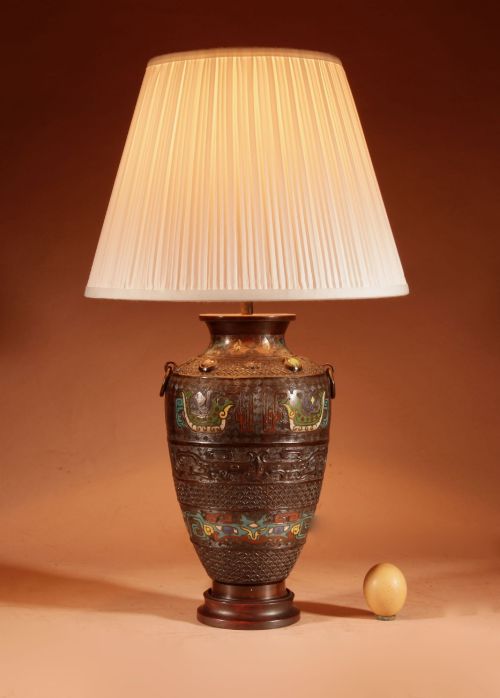
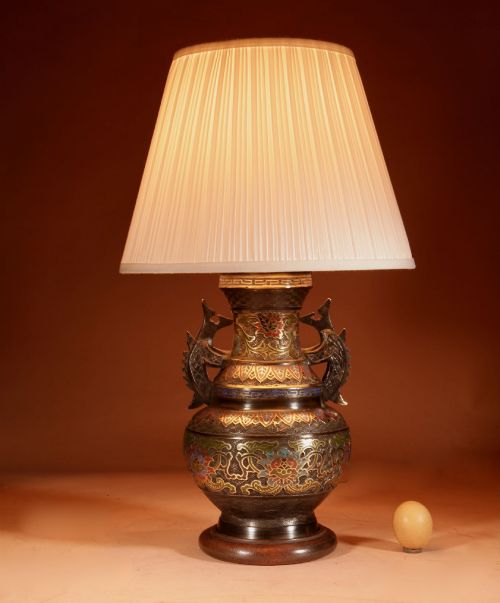
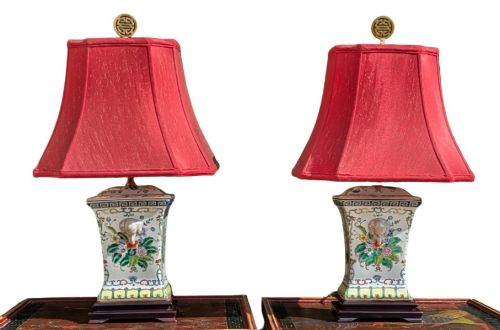
Decorative techniques involve mother of pearl inlay, carved wooden dragons, and applied lacquer finishes. Metal elements incorporate brass details, while related lighting adaptations utilise bronze, champleve, and Satsuma pottery.
Asian Accent Table Retail Price Guide 2026
Typical asking prices for asian accent table among the pieces listed under this phrase on Sellingantiques today, from the lower quarter to the upper quarter. They describe what is for sale here now, not the wider market.
Listings feature periods spanning the Victorian era, the Meiji period, and the Qing dynasty.
Distinctions in quality
Quality separates through the selection of timber and the precision of carved detail. Dense hardwoods like hongmu and rosewood hold crisp, deep relief carving far better than softer varieties of elm or general wood.
The refinement of inlaid mother of pearl and the stability of fitted marble or stone tops distinguish superior examples from standard production pieces. Matched pairs and complete nests of four tables represent higher levels of original craftsmanship.
The Asian Accent Table Glossary
- Hongmu
- A dense, dark tropical hardwood traditionally utilised in Chinese furniture manufacturing. It is prized for its weight and ability to take fine carved details.
- Chabudai
- A short, low traditional Japanese table used for partaking in meals or tea while kneeling on tatami mats. These tables often feature simple elm construction.
- Cloisonne
- An enamelwork technique where metal wire forms compartments on a base object to hold coloured paste. This technique appears on decorative vases adapted into table lamps.
- Champleve
- An enamelling technique where troughs are dug into a bronze base and filled with colour before firing. This method is found on Japanese bronze table lamps.
- Jardiniere
- A large decorative pot or stand designed to hold plants and flowers. These stands feature elevated wooden platforms to display greenery.
Asian Accent Table: Frequently Asked Questions
What is an Asian accent table used for?
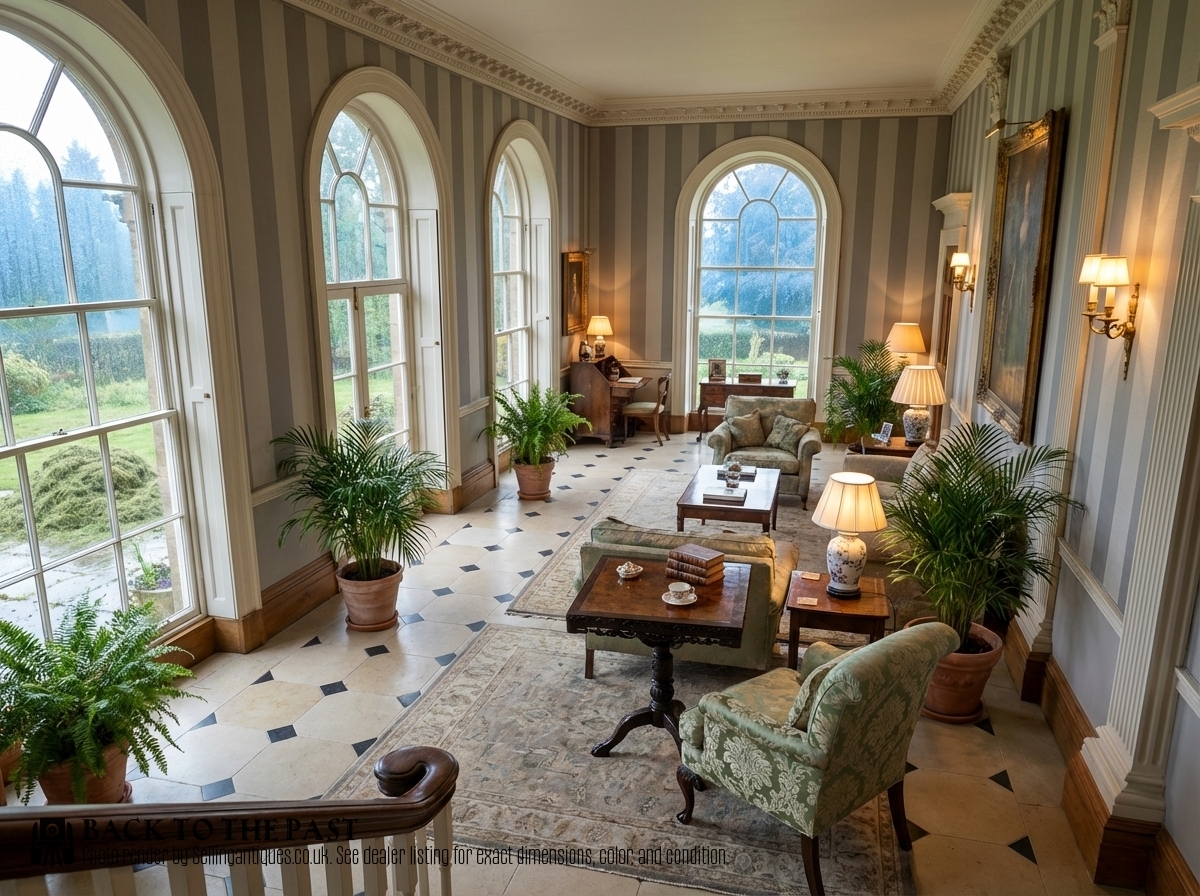
These tables function as surface space for lamps, decorative vases, and everyday items in contemporary rooms. They also serve as standalone plant stands or low coffee tables.
Compact forms like nesting tables allow for flexible arrangement around seating areas. Taller stands elevate individual objects to create focal points in a hallway or corner.
How do I identify a Meiji period table?
Meiji period pieces originate from late nineteenth and early twentieth century Japan. They often employ ebonised elm or native hardwoods in low tea tables and side stands.
Construction details and traditional Japanese joinery help distinguish these pieces from Chinese regional furniture of the same era.
Are these tables made of solid wood?
The listings show substantial use of solid hardwoods including rosewood, hongmu, and elm. Many surfaces incorporate stone inserts such as marble or quartz.
Construction relies on traditional framing methods designed to support heavy stone tops and intricate carved decoration without modern laminates.
How do I care for a lacquered table?
Lacquered surfaces require gentle dusting with a soft, dry cloth to protect the delicate finish. Avoid exposure to direct sunlight and moisture.
Maintaining stable room humidity prevents timber movement beneath the lacquer layers and preserves inlaid mother of pearl elements.