




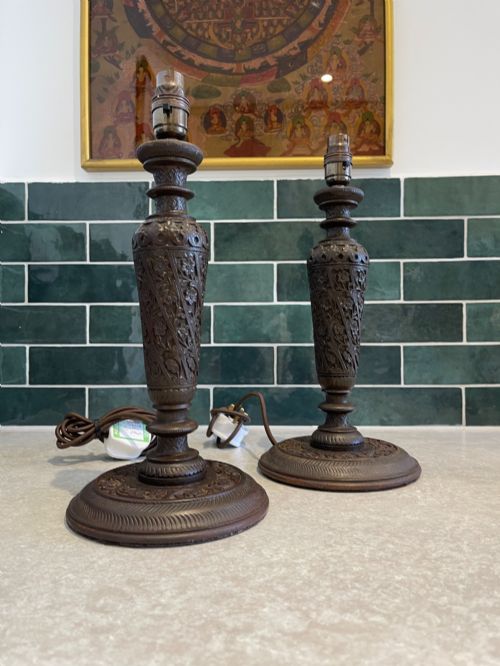
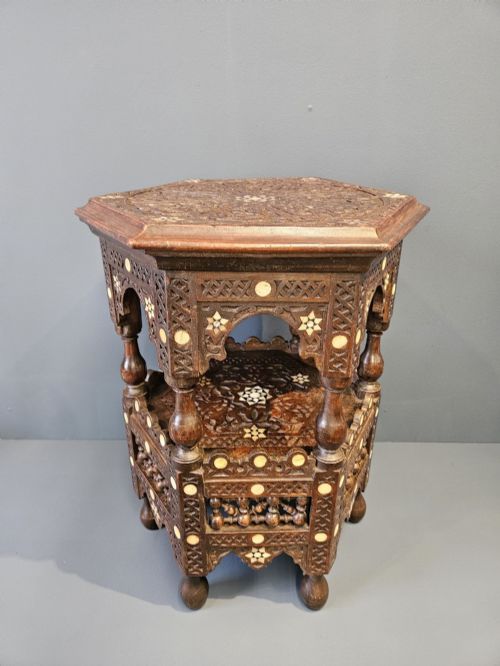


Carved Hardwood Lamp Table
These carved hardwood lamp tables bring intricate Oriental and regional craftsmanship directly into sitting rooms.
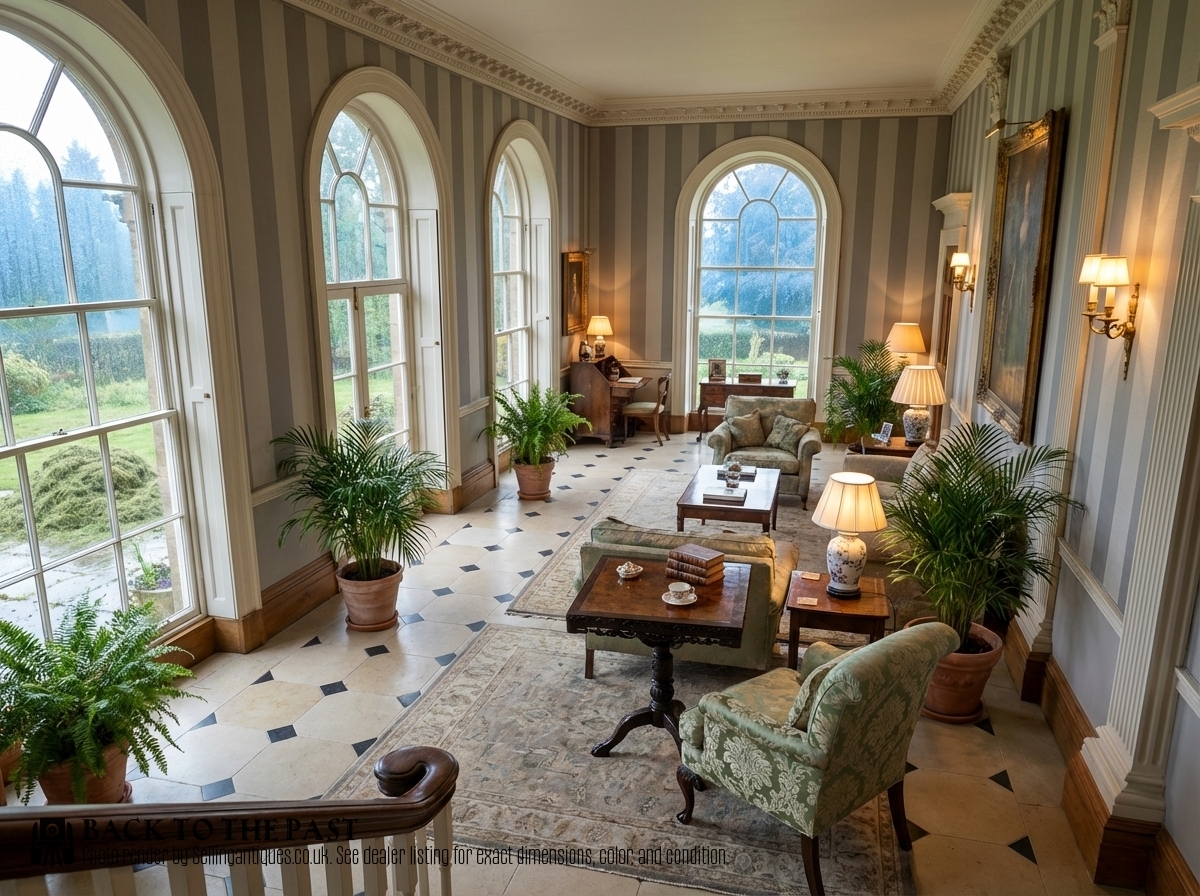
Carved Hardwood Lamp Table
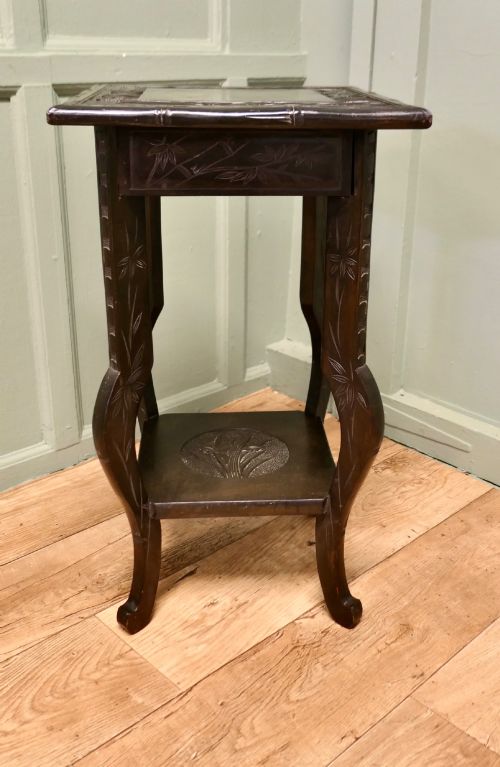
A carved hardwood lamp table serves as a sturdy platform for illumination while bringing rich regional character to a room. When searching for this phrase, buyers encounter pieces originating primarily from Chinese workshops, Anglo-Indian centres, and Middle Eastern makers.
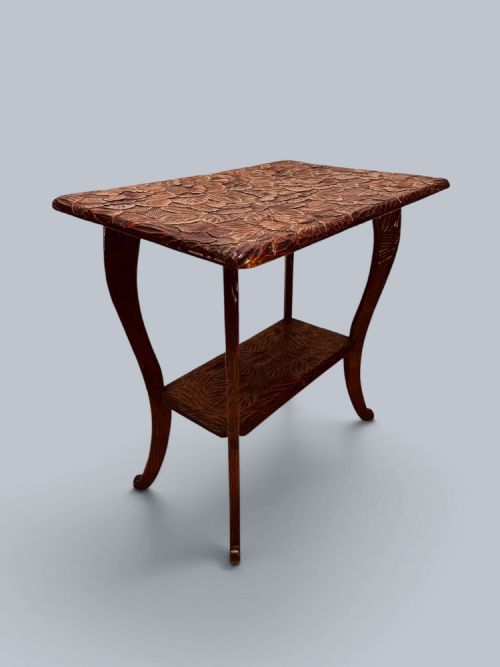
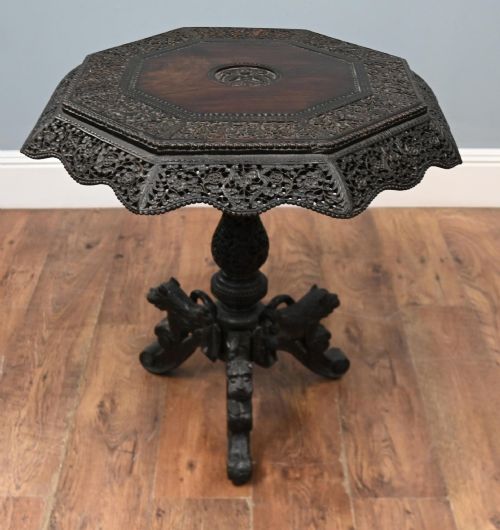
The selection on this page leans heavily toward nineteenth-century and early twentieth-century examples, spanning Victorian imports and export pieces. Common formats include square low tables, octagonal stands, and circular occasional tables designed to hold lamps, vases, or plants.
Makers utilised dense timbers to support elaborate relief carvings depicting dragons, floral motifs, and traditional figures. These tables function equally well as bedside supports, central display surfaces, or dedicated lamp stands.
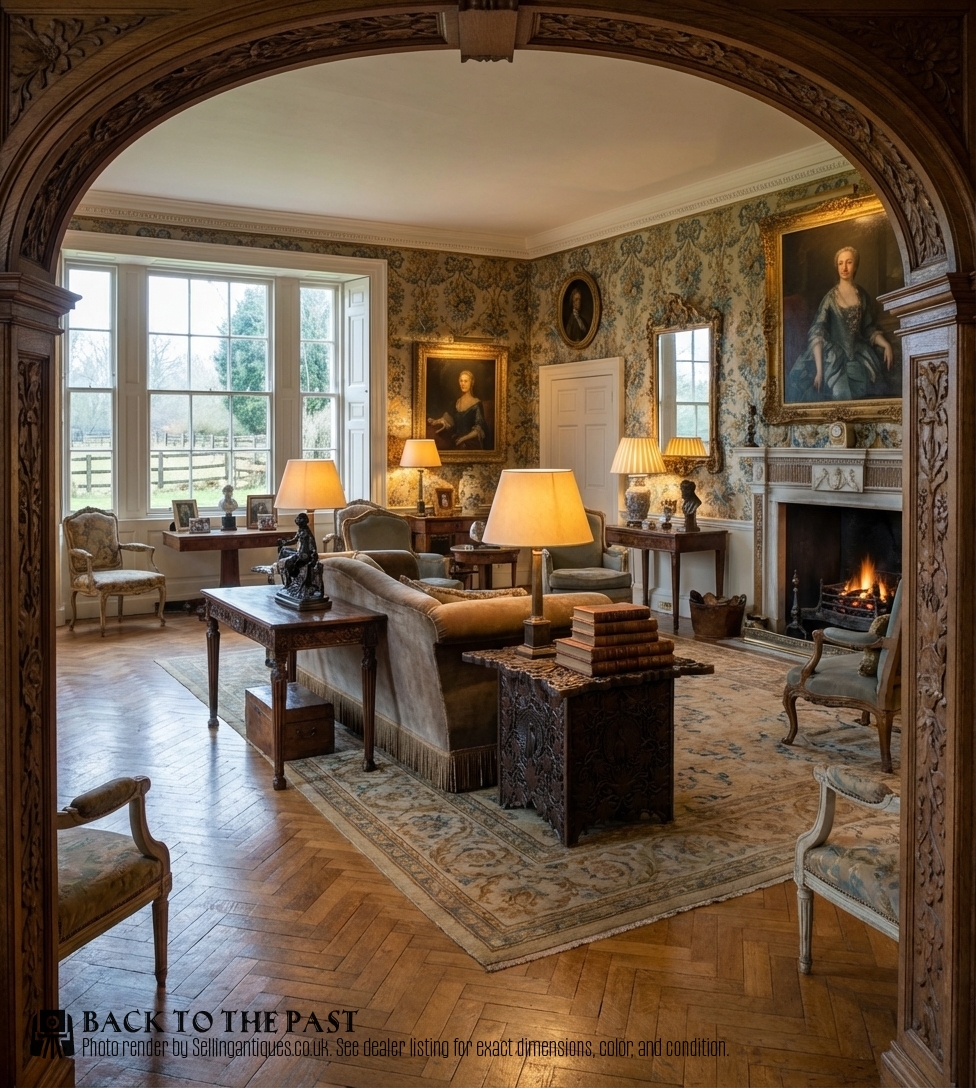
How They Were Made
Craftsmen shaped these tables from dense timbers including rosewood, padouk, huali, and general hardwoods. Woodcarvers worked the material by hand, applying deep relief techniques to apron rails, legs, and borders.
Certain examples incorporate inset marble slabs into the top surface, providing a cool, stable platform for lamps and vessels. Joinery relied on traditional mortise and tenon methods, often allowing for folding or modular construction in specific forms.
Carved Hardwood Lamp Table Retail Price Guide 2026
Typical asking prices for carved hardwood lamp table among the pieces listed under this phrase on Sellingantiques today, from the lower quarter to the upper quarter. They describe what is for sale here now, not the wider market.
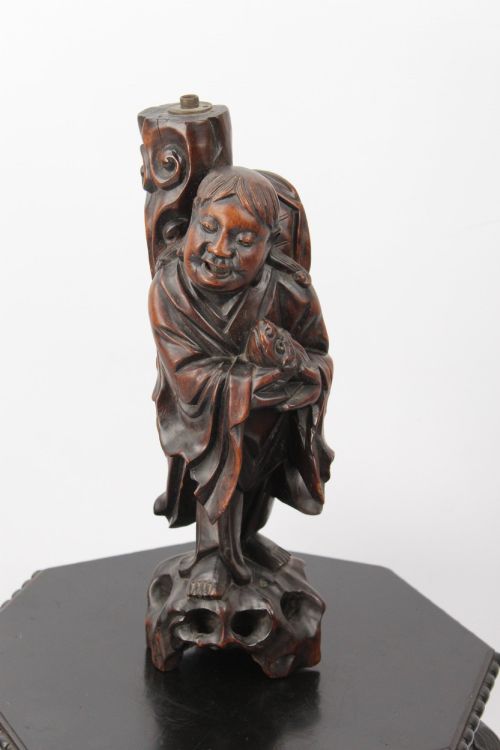
Root wood lamp tables embrace the natural twists of the timber, meaning no two stands share the exact same silhouette.
What Varies in Quality
The depth and definition of the hand carving separate standard production items from exceptional work. Crisp undercut details and symmetrical motifs indicate skilled workshop execution.
Timber selection and the density of the grain dictate the durability and weight of the piece. Tables retaining original, unblemished marble inserts and polished hardwood surfaces demonstrate superior preservation.

Liberty of London
The Carved Hardwood Lamp Table Glossary
- Padouk
- A heavy, durable tropical hardwood noted for its deep reddish-brown tone. It was frequently utilised in nineteenth-century Anglo-Indian furniture production.
- Huali
- A traditional Chinese fragrant hardwood prized for its rich grain and stability. Makers employed it in high-status Qing Dynasty furnishings.
- Jardiniere Stand
- A tall table or pedestal specifically designed to hold a plant pot or heavy floral arrangement. These share similar proportions and construction methods with lamp tables.
- Tilt Top
- A table mechanism allowing the surface to pivot to a vertical position when not in use. This space-saving design appears on occasional and side tables from the nineteenth century.
- Anglo-Indian
- A style describing furniture made in India by local craftsmen for British colonial residents, often combining British furniture forms with traditional Indian carving.
Carved Hardwood Lamp Table: Frequently Asked Questions
What is a carved hardwood lamp table used for?
These tables function as stable surfaces for table lamps, decorative vases, and small ornaments in living spaces.
Their sturdy timber construction and compact footprints also make them suitable for use as bedside stands or plant pedestals.
How do I identify Chinese export furniture?
Export pieces typically combine traditional Chinese woodworking techniques and motifs with forms suited to Western homes.
Look for dense hardwoods, marble top inserts, and intricate carvings of dragons or floral panels produced during the nineteenth and early twentieth centuries.
How do I care for antique hardwood tables?
Keep timber surfaces clean using a dry or slightly damp cloth, avoiding modern silicone sprays or harsh chemical polishes.
Position the table away from direct heat sources and strong sunlight to prevent the hardwood from drying out or splitting.