




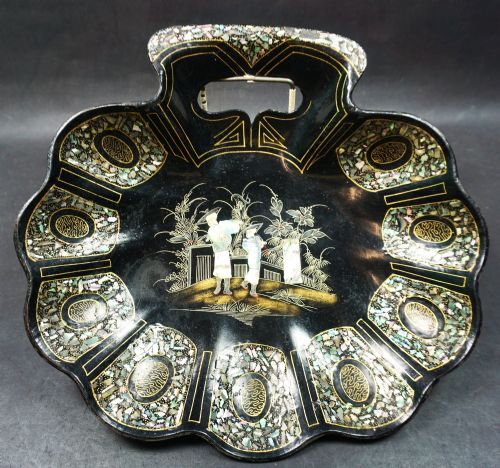
Antique Chinese Table
An antique chinese table brings centuries of craftsmanship into a room, offering functional surfaces built from dense rosewood, elm, and traditional lacquer.

Antique Chinese Table
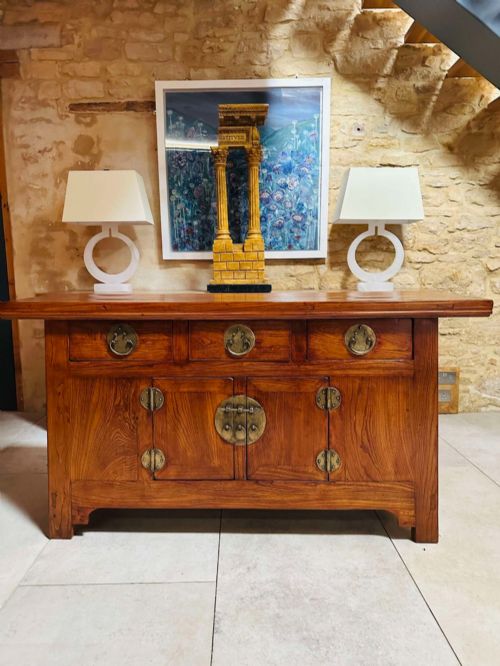
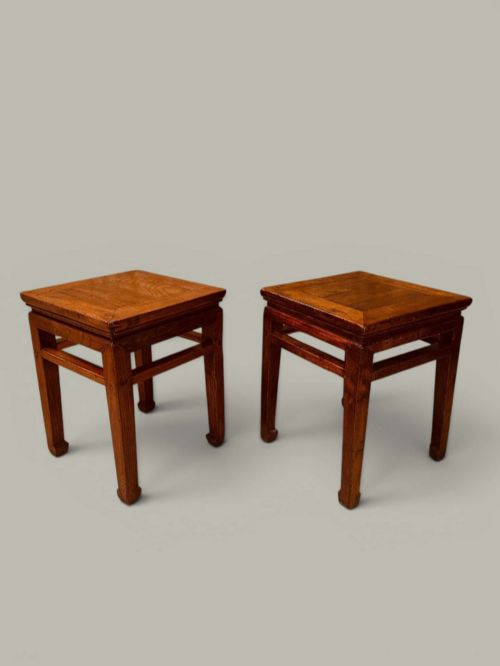
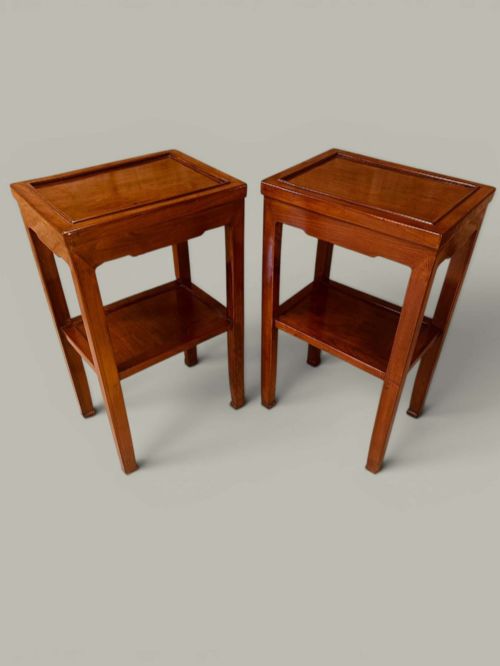
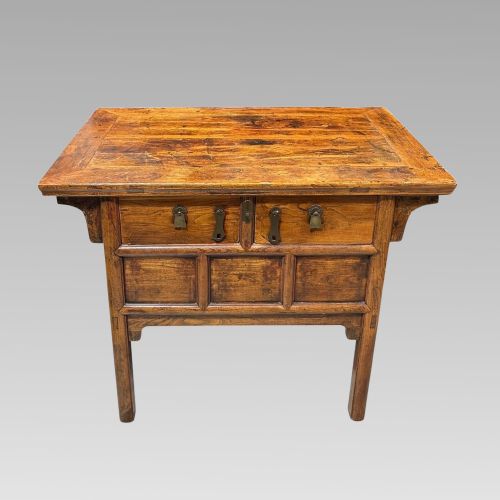
When buyers search for an antique chinese table, they encounter a diverse range of forms spanning the eighteenth, nineteenth, and early twentieth centuries, including low tables, altar tables, side tables, and nesting sets.
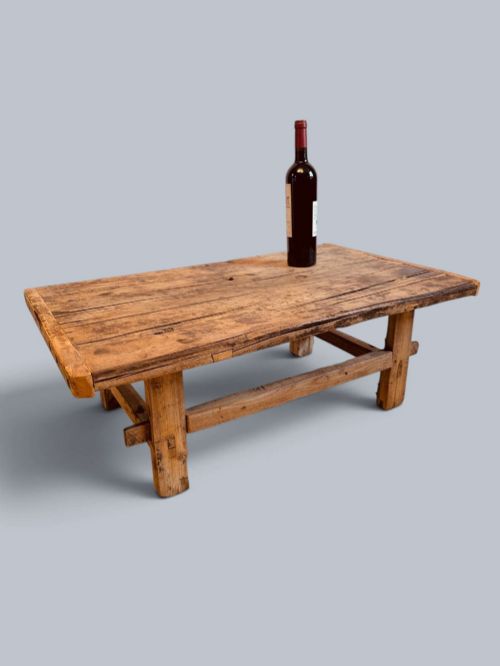
The most common examples on this page are low opium tables, compact plant stands, and occasional tables originating from Qing Dynasty workshops and later export periods.
These pieces bridge historical scholarly traditions and practical domestic use, functioning as coffee tables or display surfaces within modern interiors.
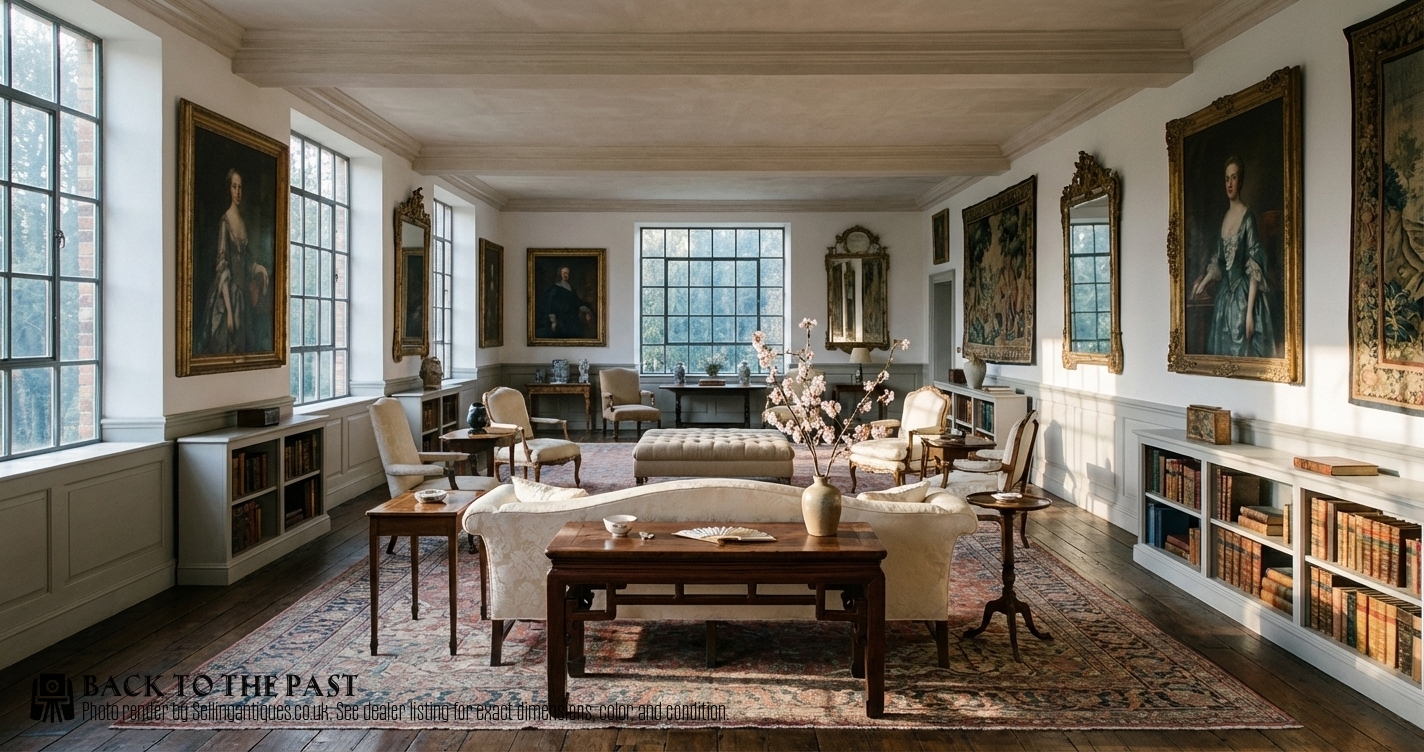
Materials and Technique
Cabinetmakers utilised dense Asian hardwoods such as rosewood, padouk, and elm, relying on precise joinery systems that avoided metal nails.
Antique Chinese Table Retail Price Guide 2026
Typical asking prices for chinese table among the pieces listed under this phrase on Sellingantiques today, from the lower quarter to the upper quarter. They describe what is for sale here now, not the wider market.
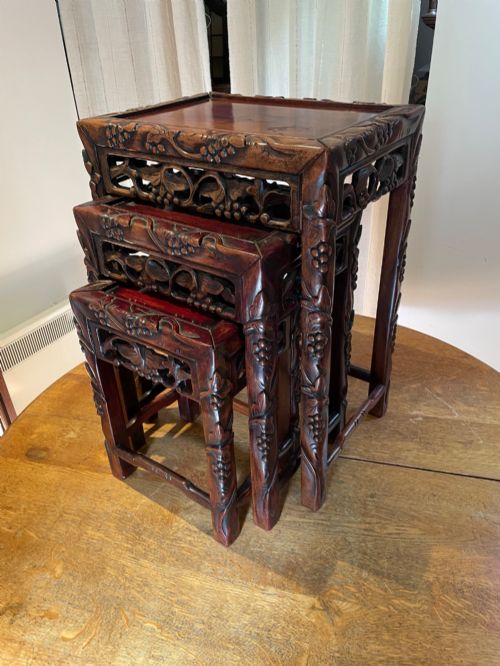
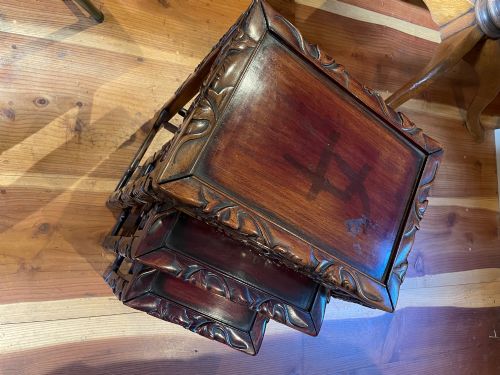
Some nineteenth century nesting tables snuggle together so tightly they behave like wooden Russian dolls for tea drinkers.
Indicators of Quality
Quality rests upon the density and selection of the timber, the crispness of the hand-carved relief work, and the structural integrity of the traditional frame.
Superior examples display balanced proportions, original patination on the wood or lacquer, and intact inlay work without significant losses.
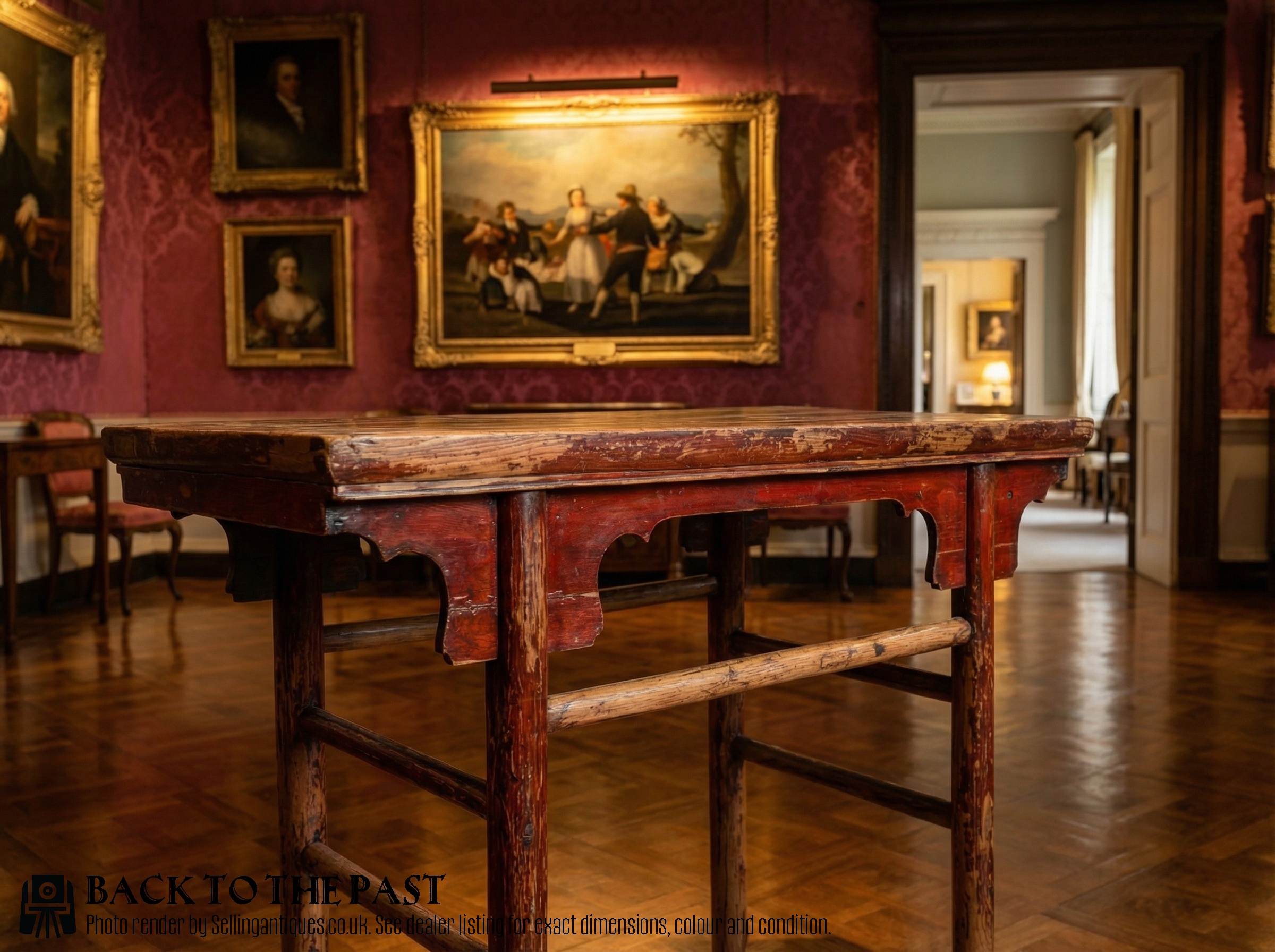
Edwards and Roberts
The Antique Chinese Table Glossary
- Opium table
- A low rectangular table traditionally used for resting or smoking, featuring short legs and often minimal carved apron details.
- Altar table
- A long, narrow table with upturned flange ends, originally designed for ancestral shrines and domestic ritual spaces.
- Hardwood
- Dense timber species including rosewood, padouk, and huanghuali, prized by traditional makers for durability and fine grain.
- Chinoiserie
- European decorative style imitating Chinese artistic motifs, popular across eighteenth and nineteenth century furniture and lacquerware.
Antique Chinese Table: Frequently Asked Questions
How were low tables used originally?
Traditional low tables served multiple domestic purposes in elite households, functioning as surfaces for writing, reading, taking tea, or displaying scholarly objects.
Placed on raised platforms or woven mats, these compact pieces accommodated seating arrangements where people sat close to the floor.
What is a nest of tables?
A nest comprises a graduated set of four rectangular tables designed to fit neatly beneath one another when not in use.
Introduced to accommodate entertaining needs in limited spaces, they were pulled out independently to serve refreshments or support lamps.
How do I care for a lacquered surface?
Lacquered furniture requires protection from direct sunlight, extreme temperature fluctuations, and excessive moisture to prevent the finish from drying or cracking.
Dust gently with a dry, soft cloth and avoid chemical polishes that can damage the historical resin layers.
How can I tell the period of a hardwood table?
Dating relies on examining construction methods, wood species, and the style of decorative carving relative to Qing Dynasty conventions.
Earlier nineteenth century pieces often exhibit deep hand-carving and rich patination, whereas twentieth century examples display simpler commercial output.