



Light Wood Hall Table
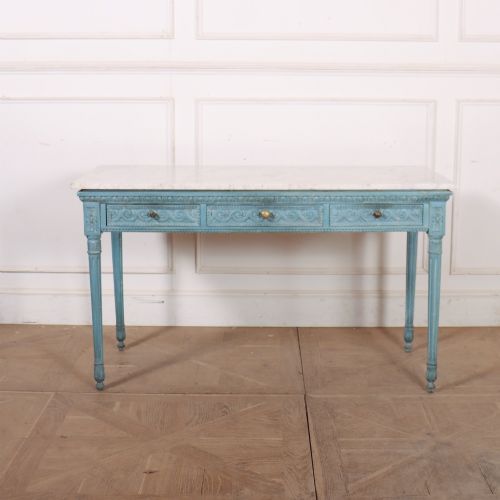
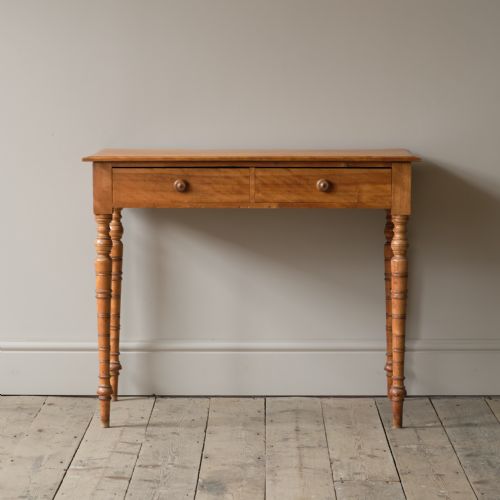
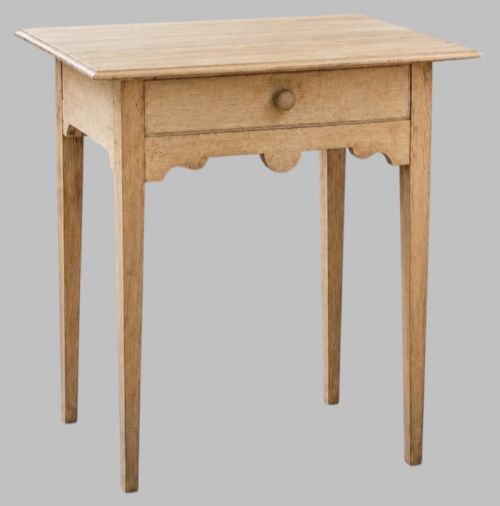
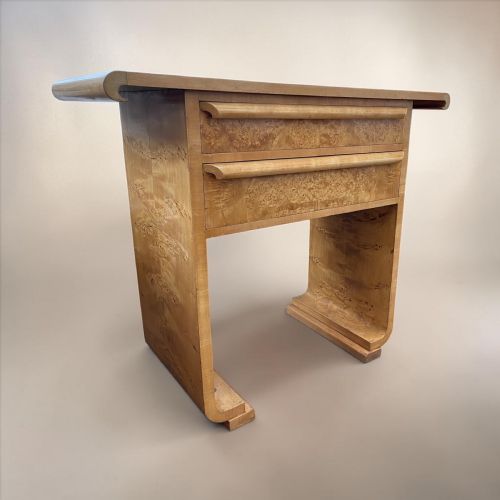
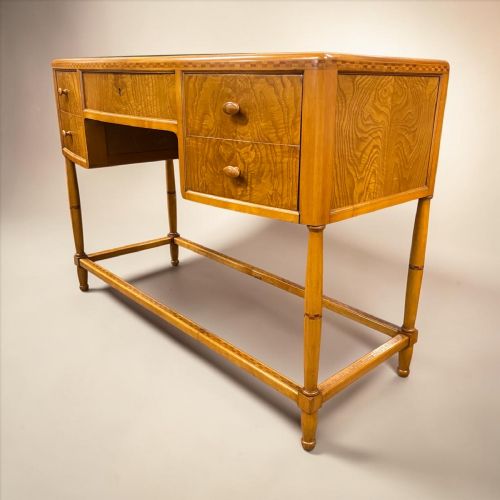
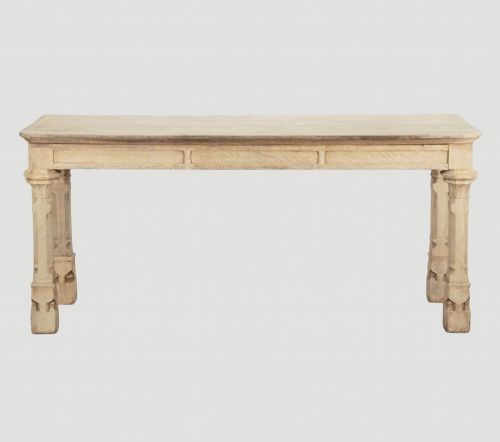
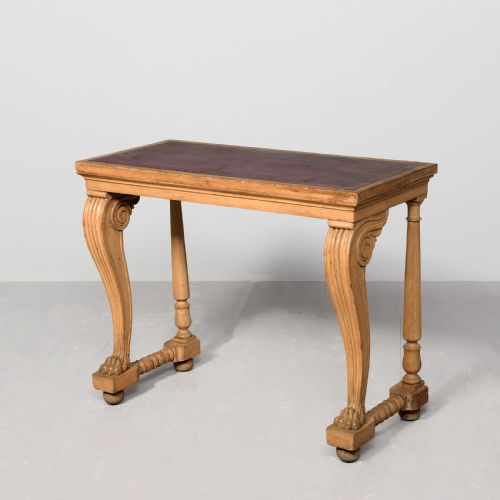
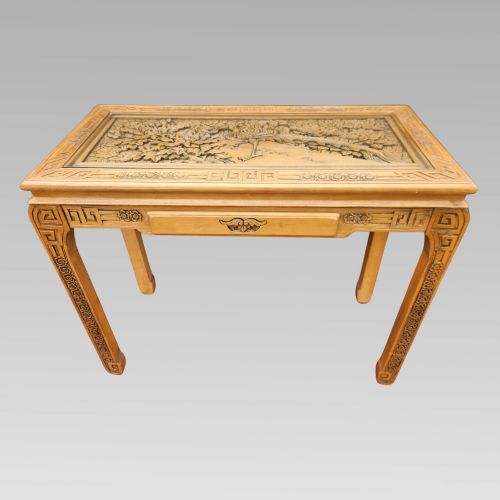
A light wood hall table offers a pale, welcoming surface for a narrow entrance, and these pieces bring character through bleached oak, elm, and satin birch.
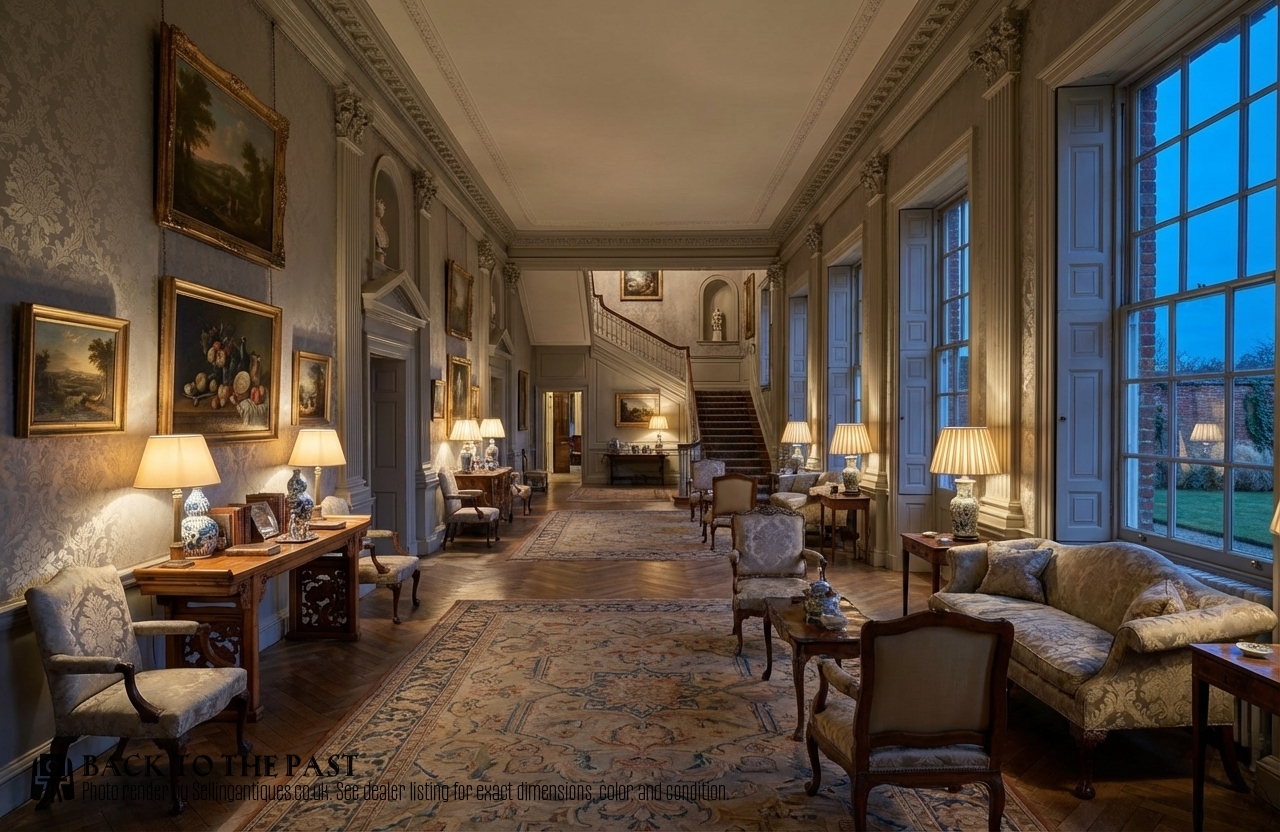
Light Wood Hall Table
When you search for a light wood hall table, you are looking at narrow console, side, and serving tables designed to sit flush against a wall in an entranceway. The selection draws heavily on bleached oak, elm, satin birch, and sycamore rather than dark mahogany or walnut.
The pieces span eras from the Georgian period through the nineteenth century to Art Deco, encompassing English country furniture, French provincial designs, and Scandinavian work. Console and side tables dominate the offerings, providing a shallow profile suited to hallways.
Makers and origins vary widely, including Scottish, English, French, Spanish, and Chinese examples, alongside specific pieces from firms like Fortnum and Mason and makers such as James Mein of Kelso. You will find forms ranging from simple trestle tables to carved potboard dressers and half-round consoles.
Materials and construction methods
Makers utilised solid timbers such as oak, elm, and sycamore, often employing bleaching techniques to lighten the natural tone of the wood. Grain patterns are accentuated through careful preparation, whether working with the striking figures of birdseye maple or the smooth expanse of satin birch.
Joinery techniques include traditional framing and trestle construction, paired occasionally with hand carving in brass-accented or Italian and Chinese provincial styles. The focus rests firmly on the tactile qualities of timber, allowing the natural figuring of the wood to define the piece.
Light Wood Hall Table Retail Price Guide 2026
Typical asking prices for light wood hall table among the pieces listed under this phrase on Sellingantiques today, from the lower quarter to the upper quarter. They describe what is for sale here now, not the wider market.
Even centuries ago, someone looked at a sturdy oak board and decided it simply needed to be whiter.
Distinguishing quality in light wood tables
The standard of a piece rests upon the choice of timber and the harmony of its proportions for a narrow space. Finely figured grain in satin birch or carefully bleached oak elevates an example above simpler utility furniture.
Execution of carved details and the integrity of the original structure separate workshop pieces from standard production. Maker attribution, such as work originating from established houses or named cabinetmakers, further defines the upper tier of the range.
Fortnum and Mason·James Mein of Kelso
The Light Wood Hall Table Glossary
- Bleached oak
- Oak timber treated to lighten its natural dark tone, creating a pale, neutral surface favoured in country and provincial furniture.
- Console table
- A table designed to stand against a wall, often supported by brackets or console legs, making it ideal for narrow hallways.
- Potboard dresser
- A traditional sideboard or serving table featuring an open lower shelf traditionally used for storing pottery and heavy vessels.
- Trestle table
- A table construction where the top is supported by two or more upright frames connected by a horizontal beam.
- Satin birch
- A timber known for its lustrous, golden-yellow finish and fine grain, frequently utilised in nineteenth-century decorative writing and side tables.
Light Wood Hall Table: Frequently Asked Questions
What is a light wood hall table used for?
These tables provide a compact surface in entrance halls for holding keys, correspondence, and decorative objects without blocking movement.
Their shallow depth allows them to sit neatly against narrow walls where deeper furniture would not fit.
How do I care for a bleached oak surface?
Keep timber surfaces away from direct heat sources and strong sunlight to prevent the light wood from drying out or yellowing unevenly.
Dust regularly with a dry cloth and avoid harsh chemical cleaners that strip the finish from the grain.
Are these tables suitable for small hallways?
Console and side tables in this selection are specifically chosen for their narrow proportions, making them well-suited to confined spaces.
Half-round and shallow rectangular formats maximise surface area while keeping the floor footprint minimal.
How can I tell a Georgian table from a 19th-century piece?
Georgian examples often display specific regional timber choices and construction methods associated with eighteenth-century cabinet making.
Nineteenth-century pieces frequently adopt earlier stylistic influences while utilising the broader trade networks and bleaching preferences of the Victorian era.