




19th Century Chinese Desk
A 19th century chinese desk brings together structured workspace utility and intricate Far Eastern craftsmanship, offering collectors a striking focal point for study or library interiors.
19th Century Chinese Desk
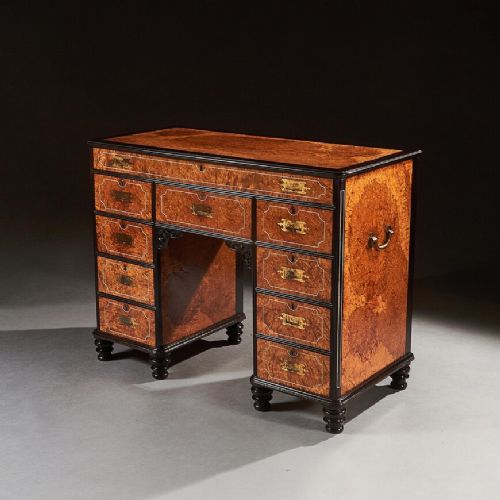
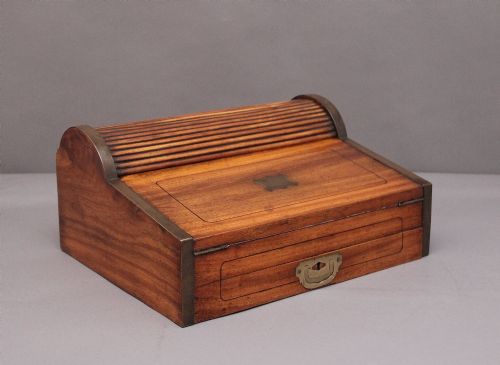
Buyers encountering this search phrase will find variations ranging from portable camphor wood writing slopes to substantial hardwood bureau and pedestal configurations. Many items bridge Eastern craftsmanship with Western functional forms, including Anglo-Chinese hybrid commissions and export pieces.
The materials span dense tropical hardwoods, lacquered surfaces, and inlaid panels, often accompanied by matching chairs or fitted interior compartments. These desks served as both practical writing stations and status objects for the elite interiors of the period.
What varies in quality
Quality rests in the selection and seasoning of the timber, where dense, figured hardwoods like huanghuali or hongmu command greater appreciation than softer domestic woods like elm. The crispness of carved root wood details, the depth of lacquering, and the precision of mother-of-pearl inlay distinguish finer examples.
Completeness dictates standing, particularly in desks retaining their original fitted interior compartments, matching chairs, or specialised brass campaign hardware. The integrity of structural joinery without modern intervention separates superior survivals from heavily restored pieces.
19th Century Chinese Desk Retail Price Guide 2026
Typical asking prices for 19th century chinese desk among the pieces listed under this phrase on Sellingantiques today, from the lower quarter to the upper quarter. They describe what is for sale here now, not the wider market.
Waugh And Son·Edmé Samson
The 19th Century Chinese Desk Glossary
- Campaign desk
- A portable writing desk designed to dismantle or fold for military or travelling use, typically fitted with recessed brass handles and corner brackets.
- Hongmu
- A category of dense, heavy Chinese hardwood prized for its dark red-brown tone and strength in furniture construction.
- Lacquer
- A durable resin finish applied in multiple layers to wood surfaces, often decorated with painted, carved, or gilt motifs.
- Writing slope
- A portable slant-topped box that opens to reveal a slanted writing surface and compartments for ink and paper.
19th Century Chinese Desk: Frequently Asked Questions
What defines a 19th century chinese desk?
These pieces combine traditional Qing dynasty woodworking methods with functional forms intended for writing, record-keeping, and scholarship. They utilise dense tropical hardwoods and lacquer finishes.
Examples range from portable travelling slopes to substantial pedestals and kneehole configurations created for domestic and export markets.
How were portable writing desks used?
Travelling scribes and officials utilised portable writing slopes and campaign desks to transport paper, ink, and pens safely during journeys. The hinged lids opened to create a stable slanted writing surface.
Fitted interior compartments kept inkwells and seals secure while moving between locations.
Which woods appear most often?
Elm, camphor wood, rosewood, huanghuali, and hongmu form the primary structural materials seen across these nineteenth-century pieces. Camphor wood was frequently chosen for portable boxes due to its insect-repellent properties.
Heavier dense hardwoods provided the stability required for larger pedestal and kneehole desks.
How do export pieces differ?
Export pieces produced for Western markets often adapted traditional Chinese decorative techniques, such as black and gilt lacquer, to European furniture shapes. These items frequently blended Chinese motifs with Regency or Victorian forms.
They reflect the cross-cultural trade exchange active throughout the nineteenth century.