
Dark Wood Chinese Table
A dark wood chinese table brings rich timber grain, carved detail and low proportions into a room, spanning coffee tables, stands and Nests.
Dark Wood Chinese Table
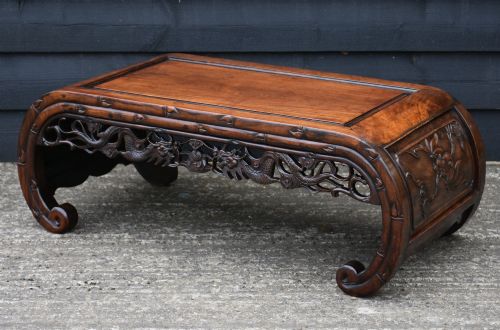
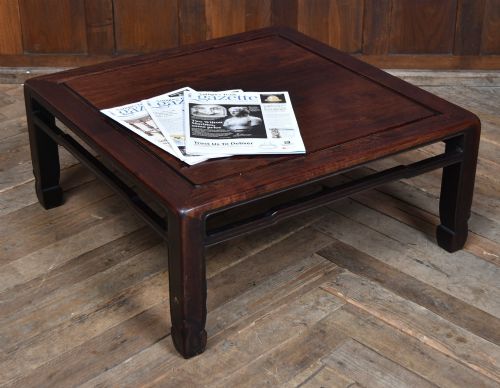
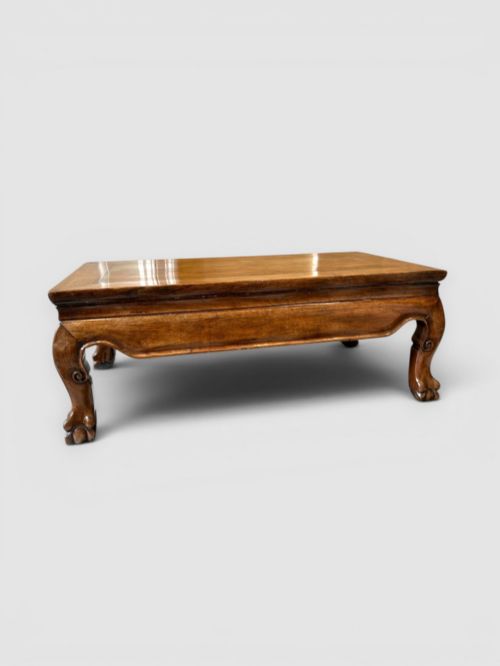
A dark wood chinese table encompasses a wide variety of domestic furniture shapes built in traditional forms, from low opium tables and square coffee tables to altar benches, side tables and nests of tables. Many pieces arrive from the nineteenth century and the late Qing Dynasty, reflecting classic Chinese construction methods adapted for functional daily use.
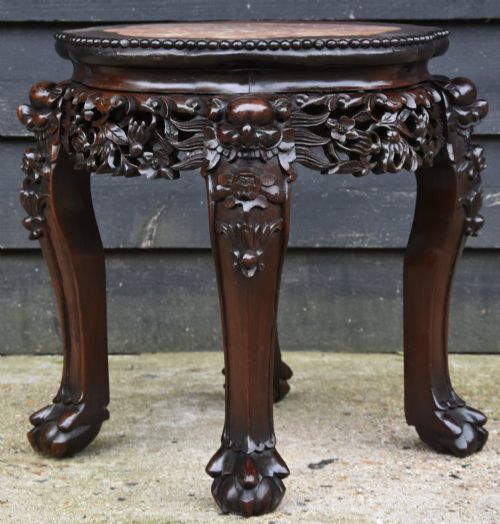
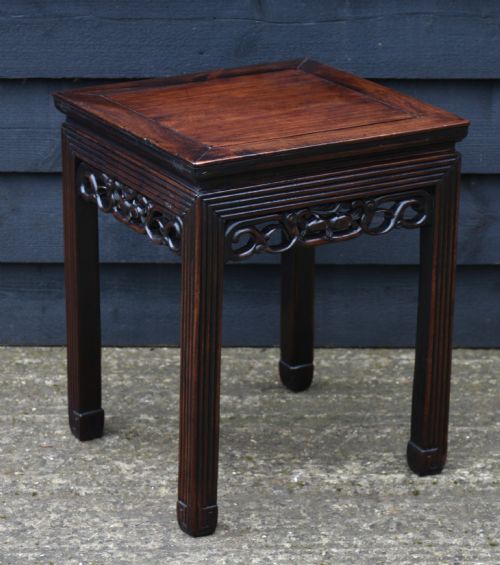
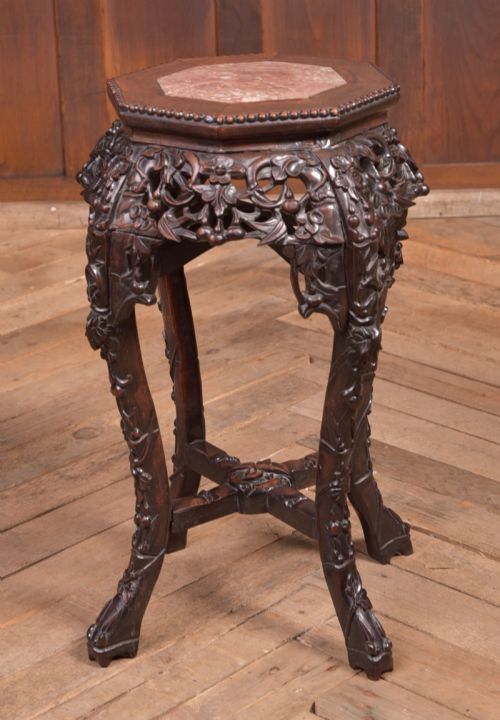
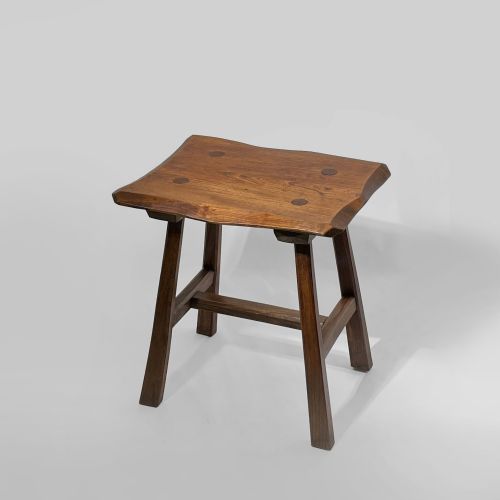
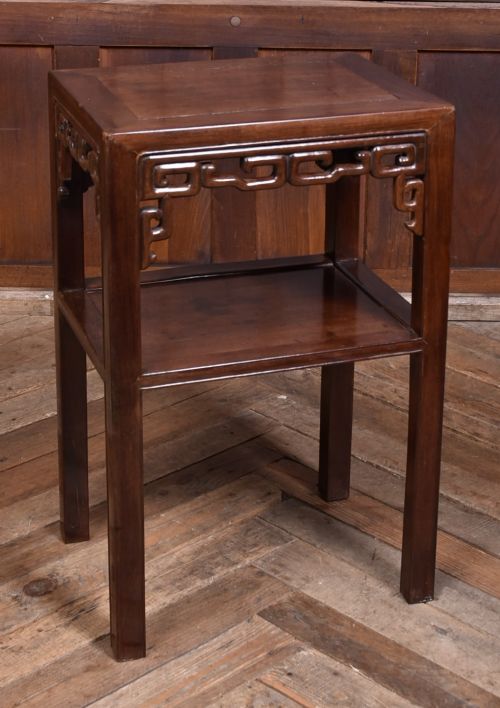
Buyers seeking this phrase most frequently encounter compact occasional tables, plant stands and low tables designed with distinctive regional proportions. These items range from rustic elm surfaces to highly ornamented rosewood and hongmu pieces featuring carved dragon details or inset marble tops.
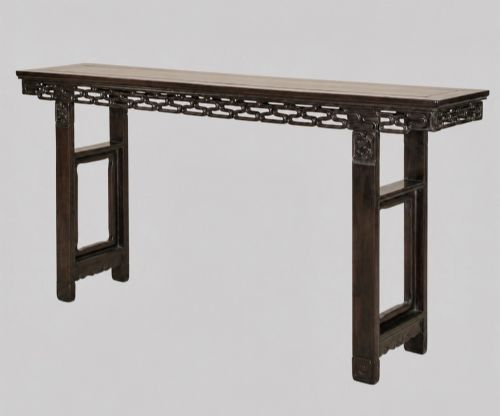
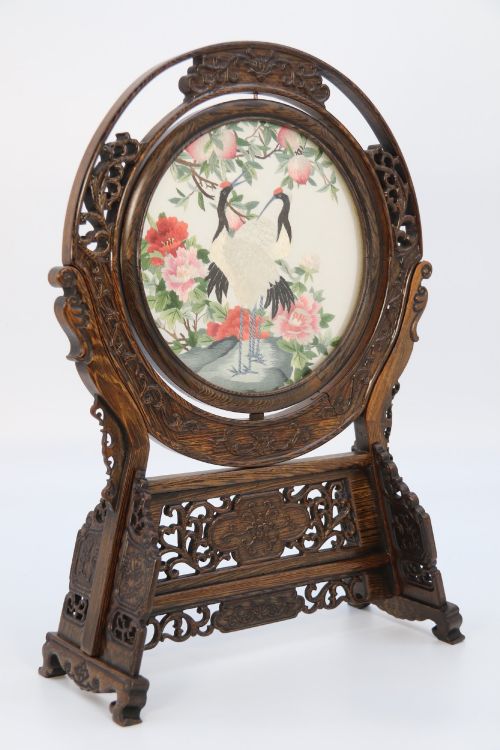
The selection also includes specialised serving and display surfaces such as altar tables and tiered stands, demonstrating how diverse these functional domestic objects were within Chinese tradition and export markets.
Materials and Technique
Makers utilised dense hardwoods such as rosewood, padouk and hongmu alongside rustic elm to build these tables, often selecting timber specifically for its deep natural colour and heavy weight. These durable woods allowed artisans to carve intricate decorative motifs directly into the structure without compromising the strength of the joints.
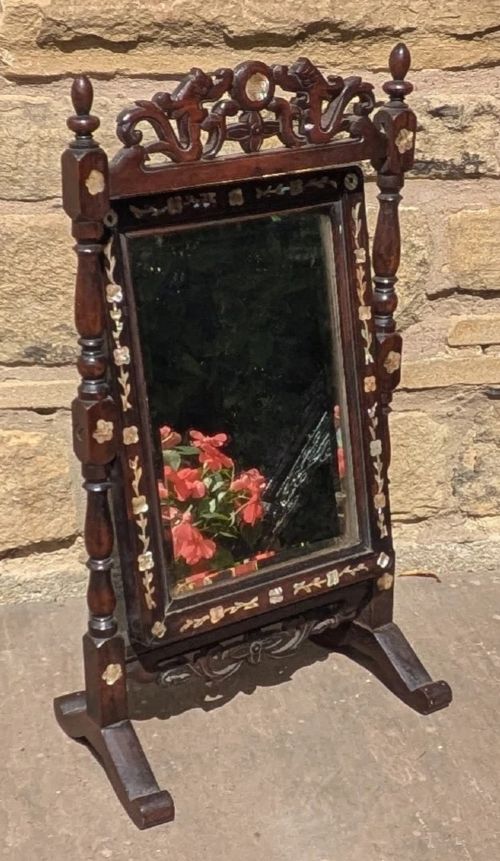
Construction frequently relied on traditional joinery techniques that avoided metal fixings, permitting the timber to expand and contract naturally with changes in humidity. Artisans added decorative contrast by inlaying mother of pearl or mounting variegated rouge marble panels directly into the wooden tabletops.
Listings span the eighteenth, nineteenth and early twentieth centuries, incorporating Victorian and Edwardian periods alongside the Qing Dynasty.
Standards of Execution
Quality in these tables rests primarily on the depth and crispness of the carving, particularly around aprons, legs and dragon details. Superior examples display sharp, hand-tooled lines and balanced proportions that demonstrate the joiner's complete control over dense hardwood.
The choice of materials also dictates the standing of a piece, with dense rosewood and hongmu specimens holding greater presence than simpler elm or softer wood variants. Furthermore, the integration of supplementary elements, such as perfectly fitted marble inserts or delicate inlaid mother of pearl, separates standard utility furniture from finer decorative works.
The Dark Wood Chinese Table Glossary
- Hongmu
- A traditional Chinese term applied to dense, fragrant hardwoods translated literally as red wood. It encompasses several heavy tropical timbers prized for dark colour and polish.
- Opium Table
- A low rectangular table traditionally used in domestic settings for lounging or serving tea. These pieces typically feature short legs and recessed panel construction.
- Altar Table
- A long, narrow table originating from temples or domestic ancestral halls, characterised by upturned flanges at the short ends and substantial carved aprons.
- Jardiniere Stand
- A tall, slender pedestal or small table designed specifically to elevate potted plants or decorative vases. They often feature inset marble tops to protect the wood from moisture.
- Padouk
- A heavy, durable tropical hardwood with a reddish-brown hue that darkens with age. It provides a stable and fine-grained surface for intricate carving.
Dark Wood Chinese Table: Frequently Asked Questions
What is an opium table?
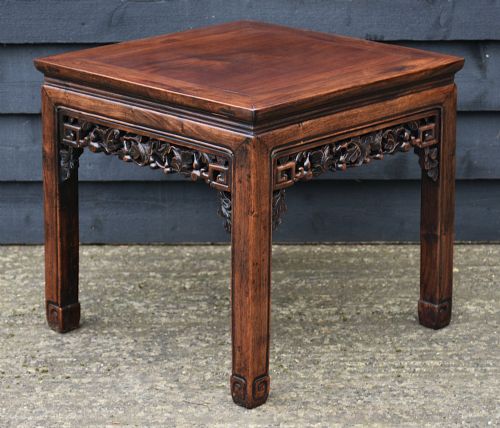
An opium table is a low, sturdy piece of furniture traditionally built for sitting or lounging near floor level. They served multiple domestic purposes including serving tea and supporting small objects.
Today, these low proportions make them popular as coffee tables in contemporary living spaces, offering substantial timber grain and traditional joinery without dominating floor space.
How do I style a jardiniere stand?
A jardiniere stand is designed to elevate plants, vases or decorative sculptures to eye level. Their tall, narrow footprints make them ideal for empty corners or flanking doorways.
The inset marble tops found on many nineteenth-century examples provide a practical, water-resistant surface that historically protected the wood from damp plant pots.
What is the difference between elm and rosewood tables?
Elm tables tend to have a rustic, simpler appearance with visible grain patterns suited to everyday utility furniture. They often present lighter tones and more straightforward construction.
Rosewood and hongmu tables represent a denser, heavier class of furniture capable of supporting extremely crisp, intricate carvings and high-polish finishes associated with formal rooms.
Are nest of tables traditional in China?
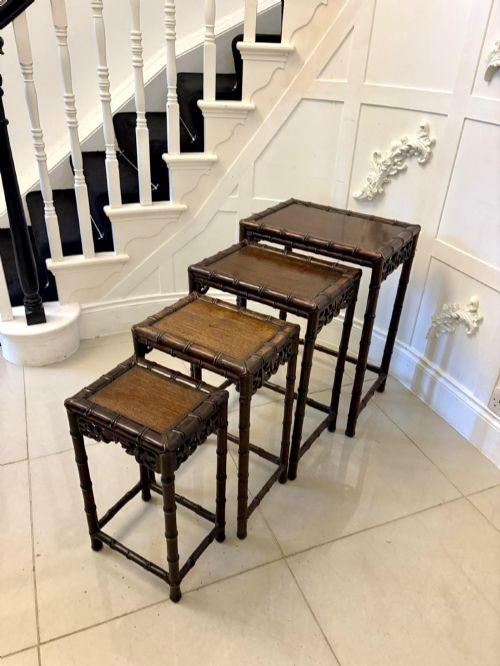
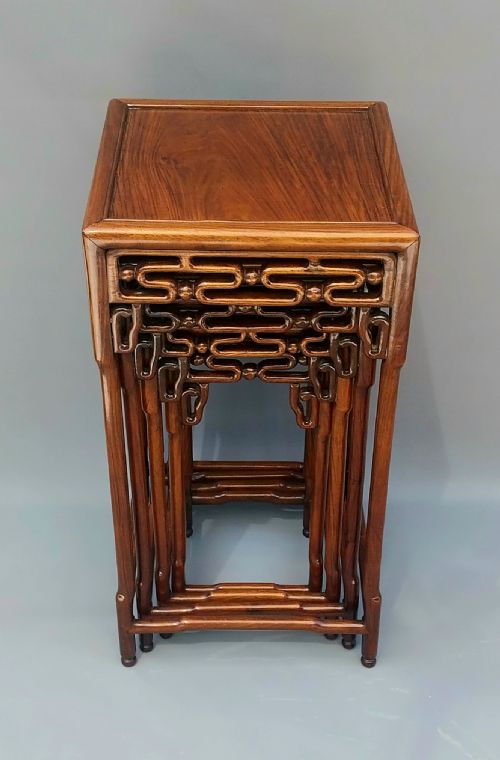
Sets of graduating tables designed to slide neatly beneath one another appear frequently in nineteenth-century Chinese export production. They maximised floor space in smaller urban interiors.
These pieces combine traditional Chinese hardwood framing and bamboo-moulded forms with a practical Western furniture format popular during the late Victorian and Edwardian periods.