









Chinese Urn Stand
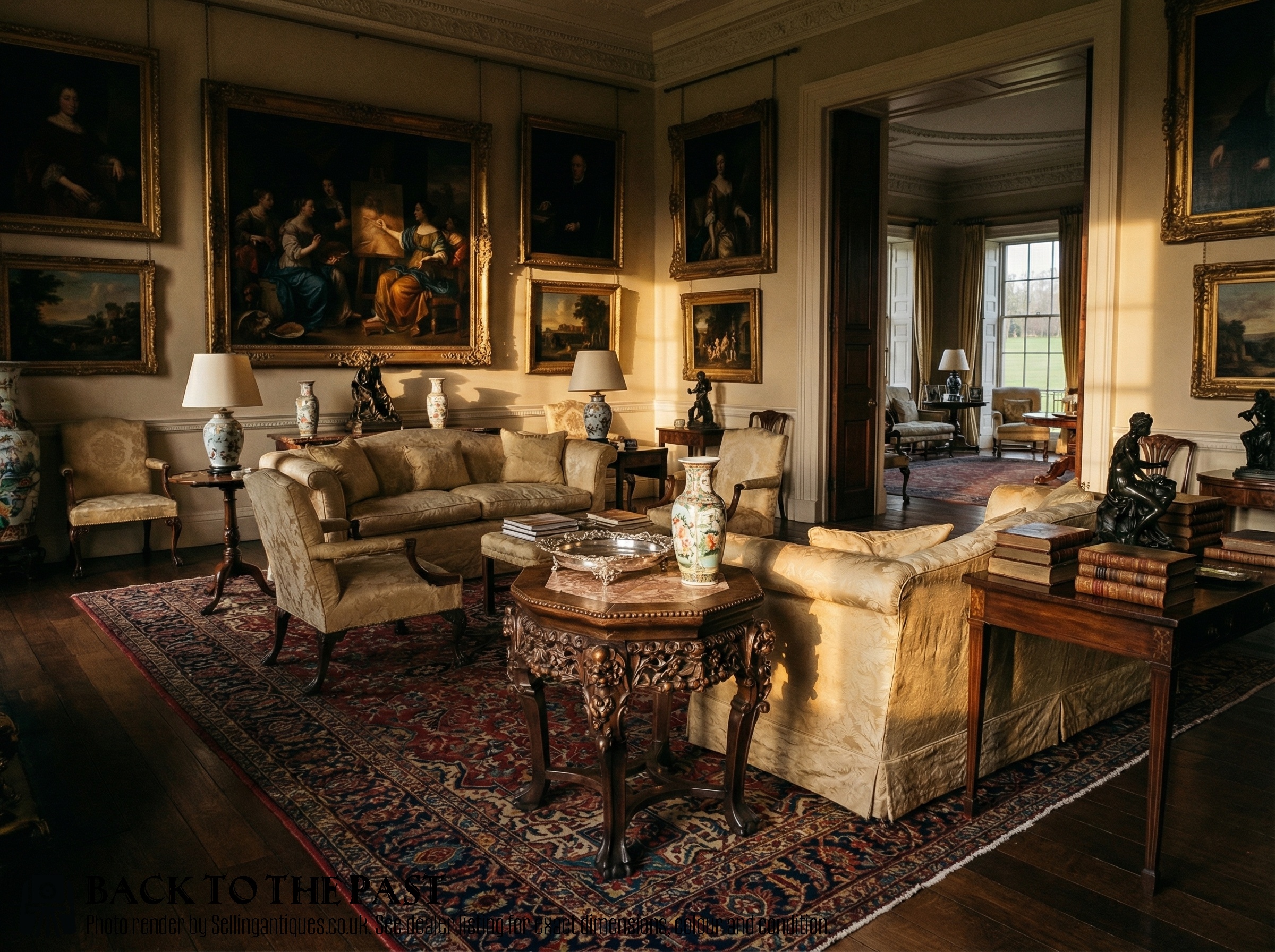
When you search for a Chinese urn stand, you are looking at substantial hardwood supports designed to elevate heavy vessels, jardinières and planters.

Chinese Urn Stand
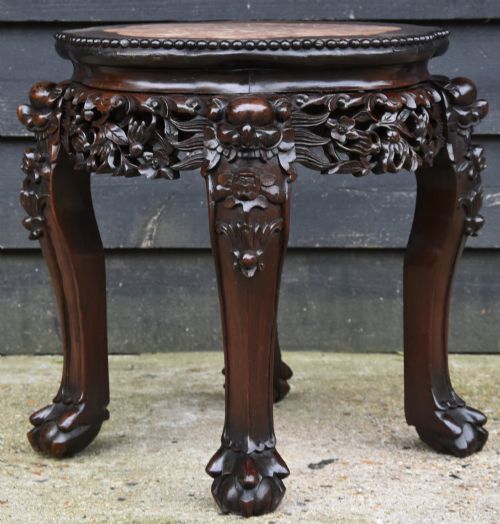
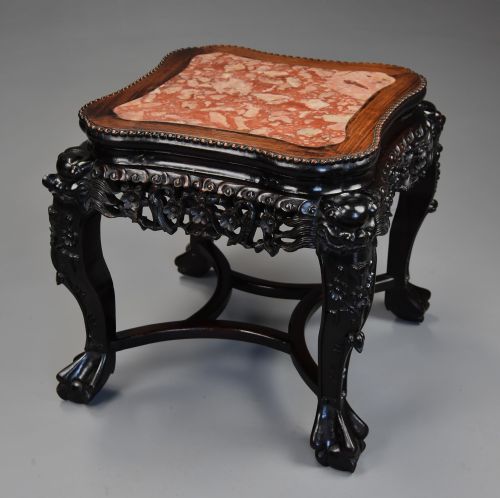
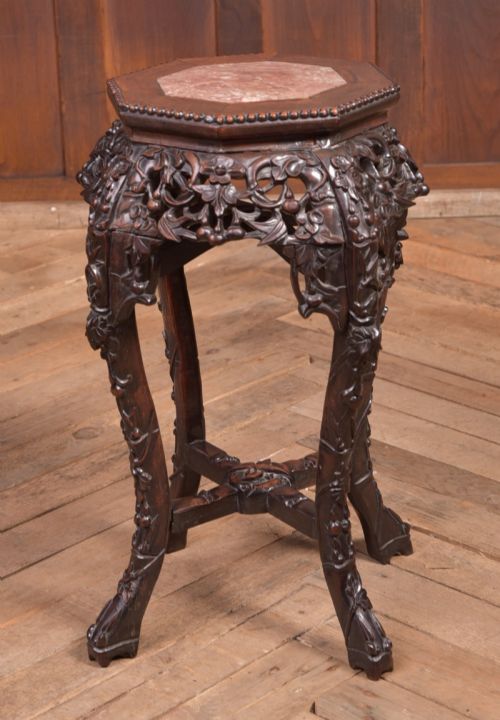
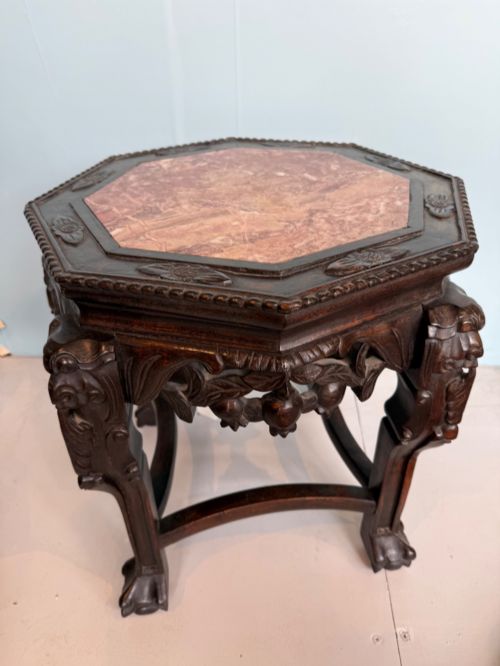
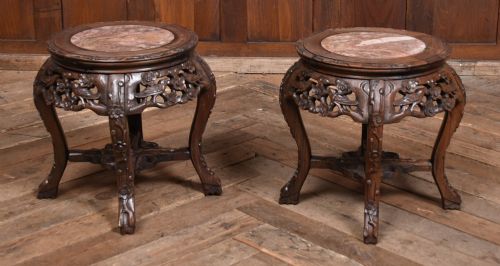
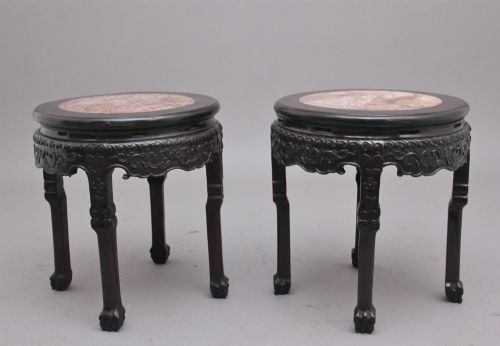
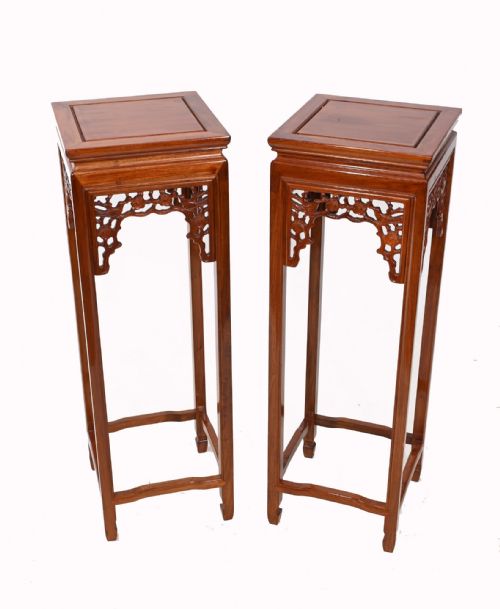
The inventory on this page ranges from compact low tables and pot stands to tall pedestal supports and side tables. Many examples feature inset stone tops designed to protect the wood from moisture.
How they were made
Craftsmen built these supports predominantly from dense Asian hardwoods such as rosewood, padouk, and hongmu, chosen for their structural strength and deep colour. Carved decoration often includes traditional motifs worked directly into the solid timber frame.
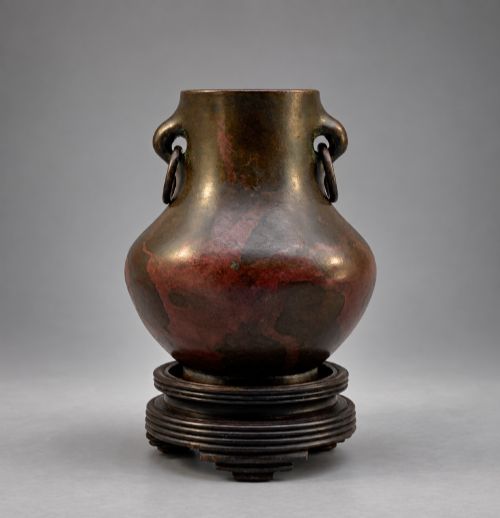
Many examples incorporate a contrasting inset panel of marble, lacquer, or tile within the wooden surface. These inserts provide a cool, flat display area capable of supporting heavy bronze censers and ceramic vases.
Chinese Urn Stand Retail Price Guide 2026
Typical asking prices for chinese urn stand among the pieces listed under this phrase on Sellingantiques today, from the lower quarter to the upper quarter. They describe what is for sale here now, not the wider market.
Listings feature woods like rosewood, padouk, and hongmu alongside marble and lacquer inserts, predominantly spanning the Victorian era and the late Qing Dynasty.
What varies in quality
The distinction between standard examples and the finest pieces lies in the depth and crispness of the wood carving. Superior stands display sharply defined relief work and balanced proportions without relying on superficial applied decoration.
Material selection also dictates overall grade, with dense rosewood and heavy hongmu framing securing greater structural integrity. The precise fit of inset marble tops and the stability of the joinery further separate ordinary items from exceptional ones.

The Chinese Urn Stand Glossary
- Hongmu
- A dense, dark tropical hardwood highly prized in traditional Chinese furniture making for its weight and fine grain. It frequently forms the primary structure of nineteenth-century stands.
- Jardiniere
- A large ornamental pot or container for plants and flowers, often placed directly onto low stands. These vessels necessitated sturdy, moisture-resistant support surfaces.
- Padouk
- A heavy, durable reddish-brown timber utilised in antique furniture construction. It provides exceptional stability for tall pedestal bases.
- Torchere
- A tall stand or pedestal originally designed to support a candelabrum or lamp. In Asian contexts, these tall forms often elevated large floral arrangements or decorative vases.
- Censer
- A vessel used for burning incense, sometimes mounted on its own dedicated carved wooden base. These ritual objects reflect the functional origins of many display stands.
Chinese Urn Stand: Frequently Asked Questions
What was a Chinese urn stand used for?
These supports were designed primarily to elevate large decorative vessels, heavy porcelain jars, and indoor plants. By lifting them off the floor, the stands protected delicate flooring and showcased the objects at a better viewing height.
They also served as occasional tables, lamp stands, or side surfaces in both traditional Asian interiors and Western Victorian drawing rooms. The flat stone or wood surfaces accommodated daily decorative arrangements safely.
How do I distinguish between periods?
Dating relies heavily on wood selection, joinery techniques, and stylistic markers recorded across the nineteenth and early twentieth centuries. Pieces associated with the late Qing Dynasty often display deeper, more intricate relief carving in dense rosewood or hongmu.
Victorian and Edwardian catalogued examples sometimes exhibit subtle adaptations for Western domestic use, such as simpler legs or ebonised finishes. Examining the underside and the fit of the marble insert reveals the construction methods typical of specific decades.
Are marble tops original to these stands?
The majority of nineteenth-century hardwood stands feature inset marble or stone panels designed as an integral part of the original construction. This stone provided a cool, durable surface that resisted moisture from plant pots and water urns.
Variations in marble colour, from pink-veined to dark grey, reflect the natural stone available during the period of manufacture. Careful inspection of the rebate holding the stone confirms whether the top belongs to the original frame.
How do I care for antique hardwood furniture?
Maintaining dense timber surfaces requires consistent indoor humidity levels to prevent the wood from splitting or warping around stone inserts. Periodic application of appropriate wax preserves the natural lustre of rosewood, padouk, and hongmu without building up heavy residues.
Avoid placing these tables in direct sunlight or near heat sources that might dry out the ancient timber joints. Gentle dusting with a soft, dry cloth protects the carved details from abrasion.