

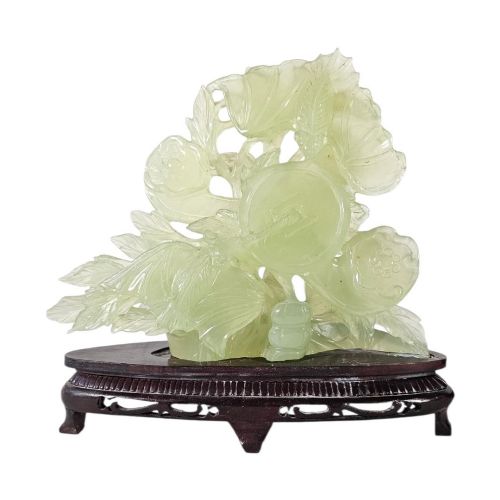





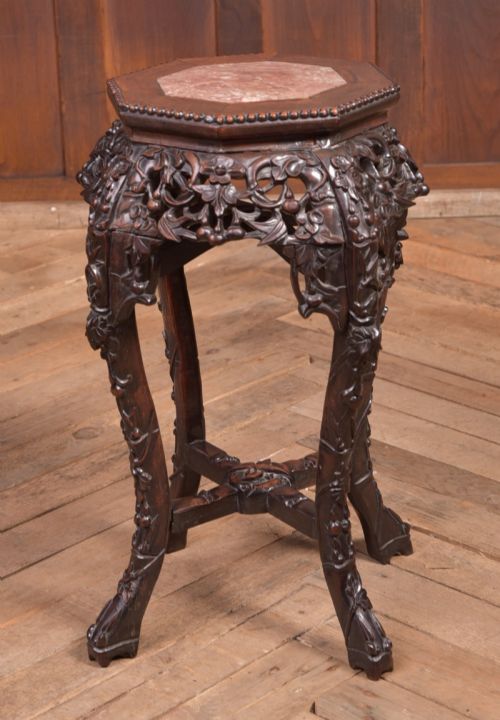

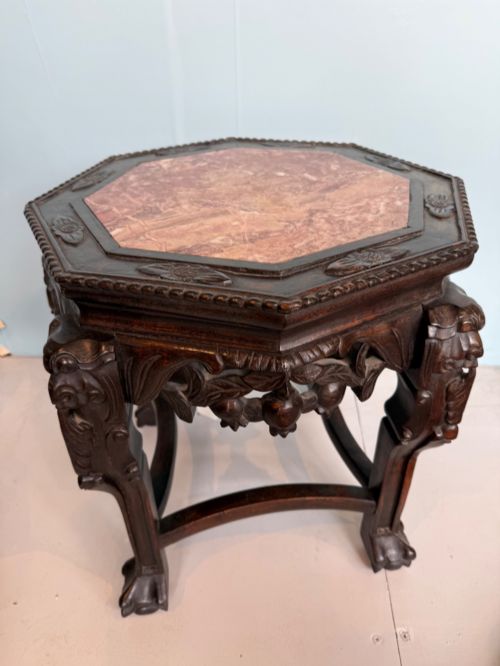
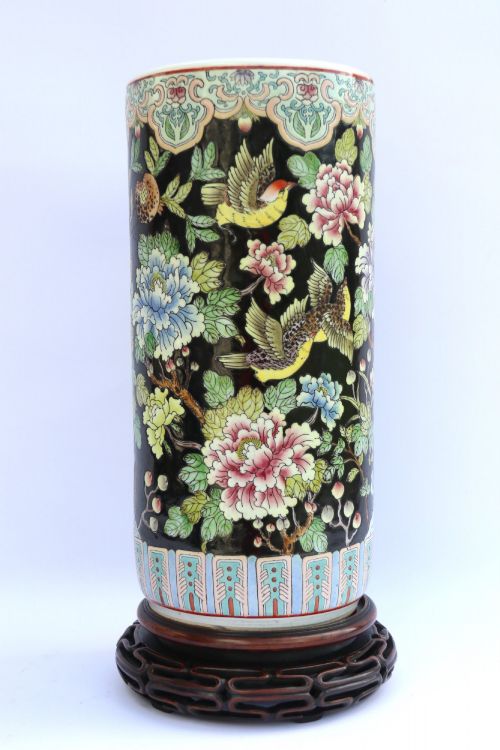


Chinese Flower Stand
A Chinese flower stand brings height and structural form to a room, designed to elevate plants, vases, and urns.

Chinese Flower Stand
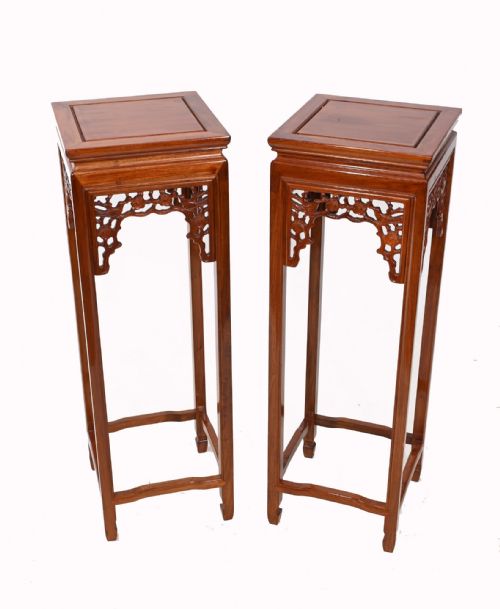
A Chinese flower stand functions as a dedicated display piece for horticulture and decorative objects, taking the form of plant stands, jardiniere stands, and torchère supports. These pieces appear frequently as occasional tables, side tables, and pedestal stands designed to hold heavy vessels and planters.
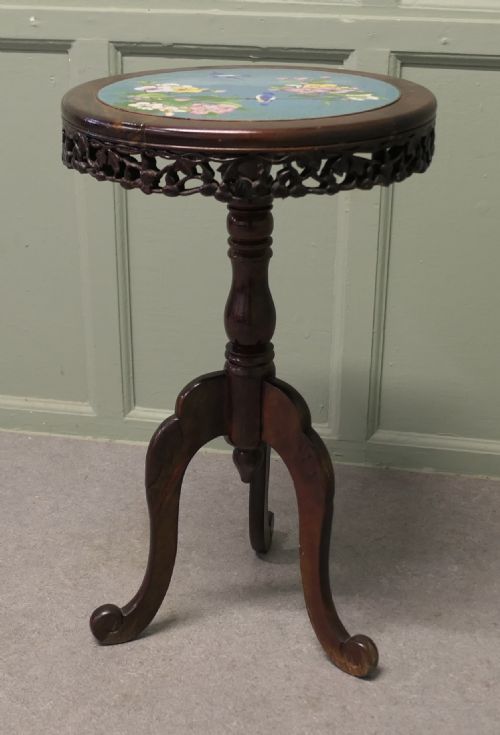
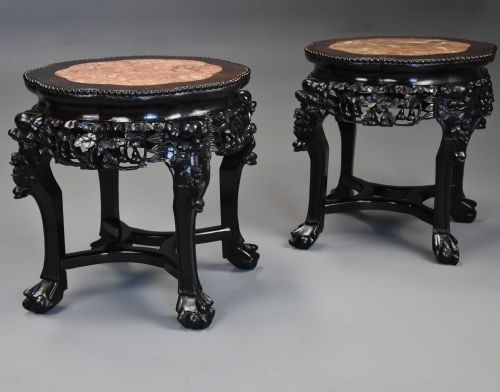
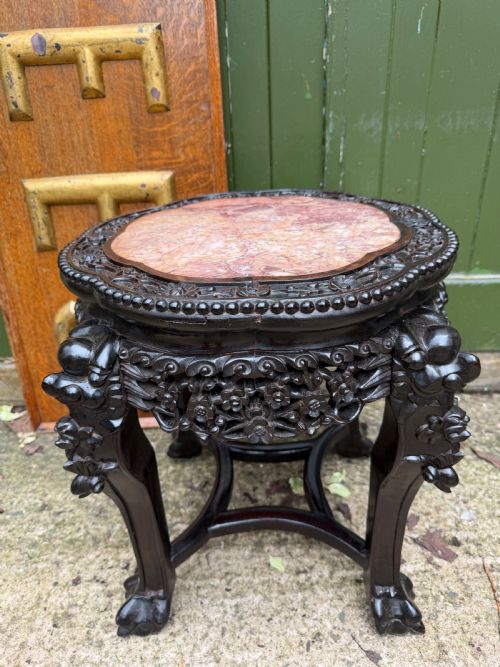
The objects span the nineteenth and early twentieth centuries, encompassing Victorian imports and Qing Dynasty export pieces. Most examples on this page are carved wooden stands with distinct tabletop surfaces intended to support planters, vases, and lamps.
Forms range from low rectangular pot stands to tall pedestals with multiple tiers. Buyers encounter square, round, and shaped tables suited for interior display.

Materials and construction
Craftsmen utilised dense Asian hardwoods including rosewood, hongmu, padouk, and huali to construct these stands. These timbers support heavy carved frames and allow for intricate openwork detailing.
Many examples feature inset panels of variegated marble, smooth stone, or mother-of-pearl inlay within the wooden structure. Lacquered painted finishes and cloisonné elements appear on specific traditional and export pieces.
Chinese Flower Stand Retail Price Guide 2026
Typical asking prices for chinese flower stand among the pieces listed under this phrase on Sellingantiques today, from the lower quarter to the upper quarter. They describe what is for sale here now, not the wider market.
Listings feature items dated from the Victorian era through the 1930s, constructed predominantly in hardwood, rosewood, and marble.
Judging quality
The depth and crispness of the carved decoration distinguish finer examples from simpler production. Superior pieces display deeply undercut foliage, figures, and geometric motifs that remain sharp and secure in the dense timber.
The choice and fit of secondary materials dictate the grade of the stand. A tightly fitted marble top and precisely embedded mother-of-pearl inlay demonstrate higher workshop standards than standard fitted surfaces.

The Chinese Flower Stand Glossary
- Hongmu
- A dense, dark tropical hardwood utilised in traditional Chinese furniture making. It accepts intricate carving and develops a deep patina over time.
- Jardiniere stand
- A specialised low or tall table designed specifically to support a ceramic plant container or flower bowl. These pieces often feature water-resistant stone or marble insets.
- Padouk
- A heavy, durable timber with reddish tones used in Chinese export stands. This material provides the structural strength needed for slender, carved legs.
- Torchère
- A tall standing pedestal or table designed to hold a light source or decorative vase. These pieces elevate objects to eye level within a room.
- Cloisonné
- An enamelwork technique where metal wire forms compartments on a base to hold coloured pastes. This decorative method appears on specific wine tables and associated stands.
Chinese Flower Stand: Frequently Asked Questions
What is a Chinese flower stand used for?
These stands serve primarily to elevate potted plants, ceramic jardiniere bowls, and decorative vases within a domestic interior. They place floral displays and ornaments at a deliberate height for visual emphasis.
Beyond plants, owners frequently utilise these tables as lamp stands, side tables, or occasional surfaces for holding small objects. Their sturdy wooden frames accommodate substantial weight while occupying a compact footprint.
How do I identify a Qing Dynasty stand?
Qing Dynasty stands display traditional Chinese joinery, heavy native hardwoods like hongmu or padouk, and characteristic carving styles. These pieces often exhibit deep relief work depicting floral or symbolic motifs.
Inspect the underside of the table for traditional construction methods without modern metal fasteners. The presence of dense, patinated timber and inset marble panels typically points toward this period.
Are marble top stands fragile?
The marble inserts are heavy and stable within their wooden frames, but the stone can crack under sharp impacts or improper removal. Care is needed when moving the furniture to prevent the marble from shifting.
Daily use presents little risk to the stone surface when objects are placed gently. Cleaning requires mild, non-abrasive solutions to protect both the polished marble and the surrounding hardwood.
Where should I place a jardiniere stand?
These stands suit corners, empty wall spaces, or beside seating where a vertical element breaks up horizontal furniture lines. Their compact dimensions allow them to fit into narrow spaces without crowding a room.
Keep wooden and lacquered surfaces away from direct heat sources and strong sunlight to prevent timber movement or fading. Placing a protective mat beneath leaking plant pots prevents moisture damage to the wood and marble.