




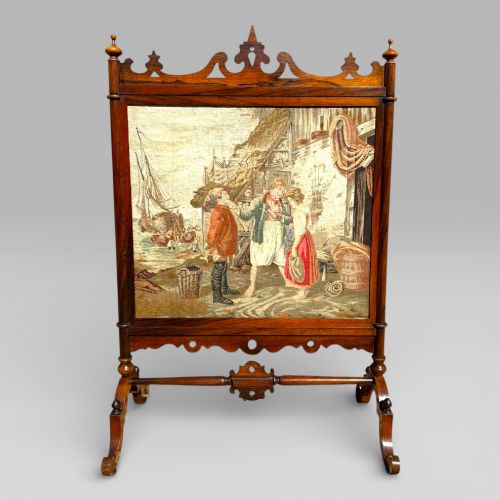
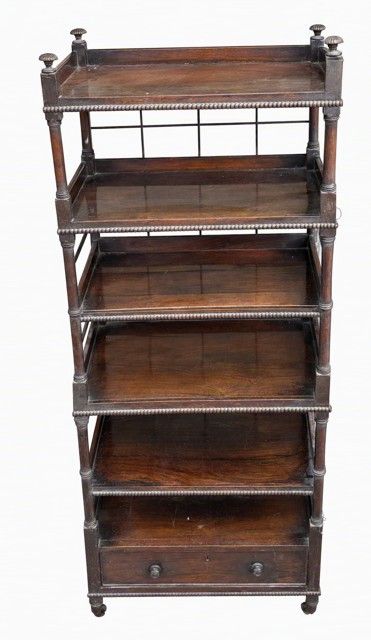

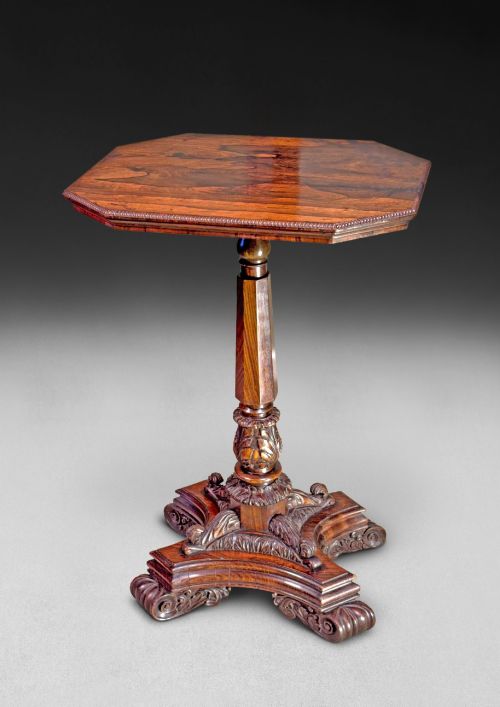
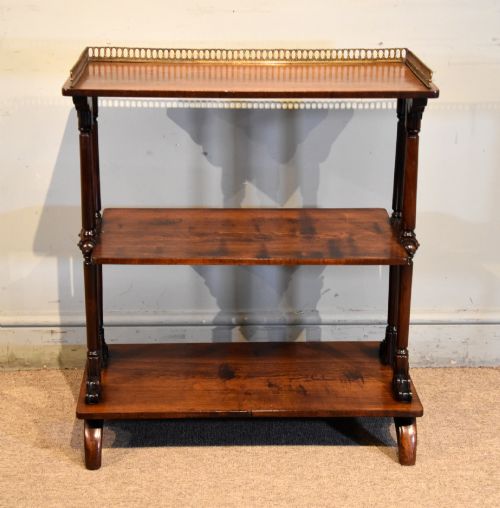


Carved Rosewood Stand
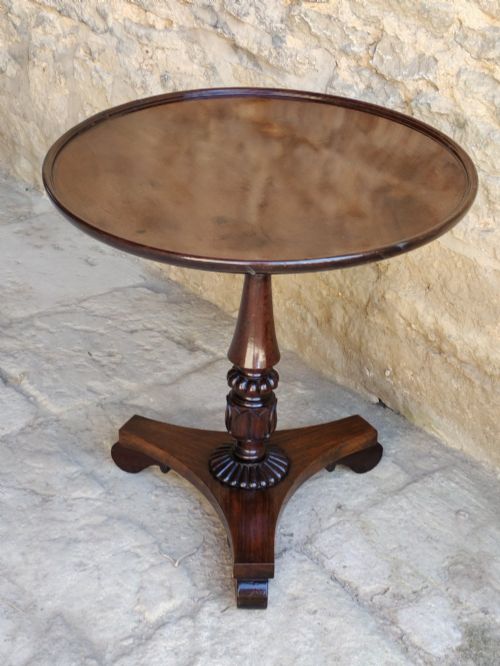
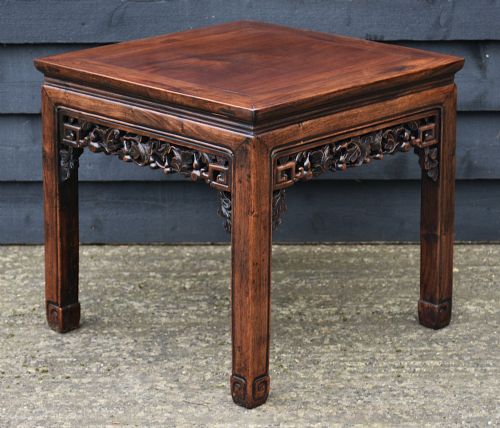
A carved rosewood stand brings dense, figured timber and intricate relief work into a room to elevate plants, urns, and ornaments.
Carved Rosewood Stand
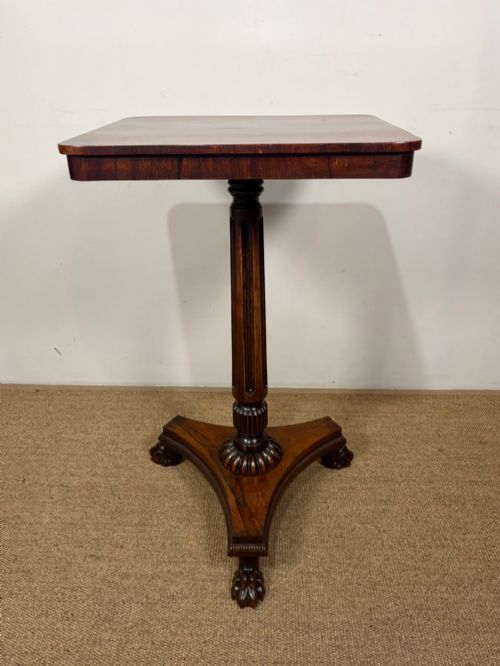
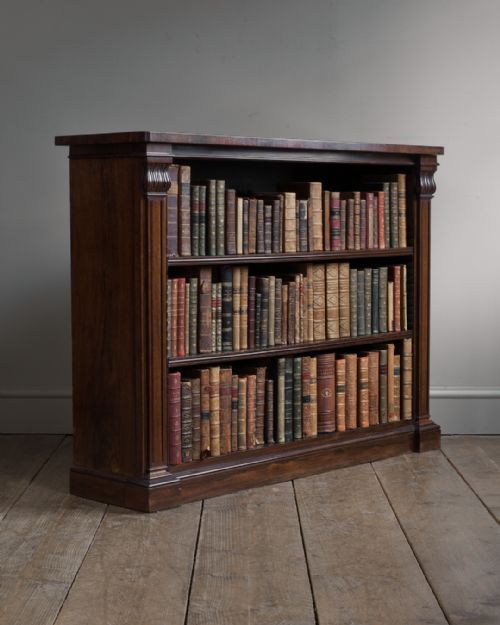
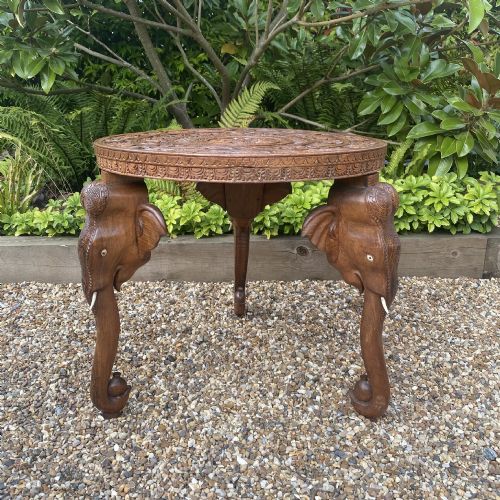
A carved rosewood stand encompasses low tables, plant holders, and urn supports produced across the nineteenth and early twentieth centuries. These pieces appear in distinct regional traditions, most notably Chinese export work and Anglo-Indian production, alongside domestic Victorian and Regency forms.
Buyers commonly encounter circular or square low tables, pedestal stands inset with marble panels, and specialised jardinière holders designed for botanical display. The selection ranges from compact pot stands to substantial display bases created for oriental ceramics.
The historical record shows these items serving as functional display surfaces in domestic interiors, utilising dense tropical timbers suited to deep hand-carving. Originating primarily from Chinese Qing Dynasty workshops and British colonial hubs, they reflect diverse stylistic influences.

Materials and Construction
Makers utilised dense tropical timbers, predominantly rosewood and related hardwoods, chosen for their weight and tight grain. These woods permitted deep, crisp relief carving without splintering along the lines of the design.
Surface ornamentation frequently integrated contrasting media, such as inset marble tops, bone inlay, and mother of pearl details. Joinery techniques relied on traditional frame and panel construction to accommodate the natural movement of heavy hardwood.
Carved Rosewood Stand Retail Price Guide 2026
Typical asking prices for carved rosewood stand among the pieces listed under this phrase on Sellingantiques today, from the lower quarter to the upper quarter. They describe what is for sale here now, not the wider market.
Listings feature items spanning the Georgian, Regency, and Victorian eras alongside early twentieth-century Chinese export pieces.
Assessing Quality
The distinction between tiers rests upon the depth and precision of the hand-carving. Superior examples display undercut foliage and figures with sharp definition, whereas simpler pieces show shallow, mechanical profiling.
Material selection and structural integrity define the higher end of the range. Uniform grain, securely fitted marble or wood inserts, and stable joinery separate expertly executed workshop pieces from standard commercial output.

Liberty & Co·Gillows
The Carved Rosewood Stand Glossary
- Jardinière stand
- A tall or low support specifically built to hold a plant container or flower bowl, often featuring a waterproof insert or a stone top.
- Hardwood
- A dense, durable timber derived from angiosperm trees, including rosewood and padouk, prized for load-bearing furniture and detailed carving.
- Marble inset
- A polished slab of stone fitted directly into the wooden frame of a tabletop to provide a cool, water-resistant surface for vases and urns.
- Mother of pearl inlay
- Small pieces of iridescent shell embedded into grooves cut within the wood surface to form geometric or floral patterns.
- Qing Dynasty
- The final imperial dynasty of China, spanning from the seventeenth to the early twentieth century, associated with traditional carved furniture and export goods.
Carved Rosewood Stand: Frequently Asked Questions
What were carved rosewood stands used for originally?
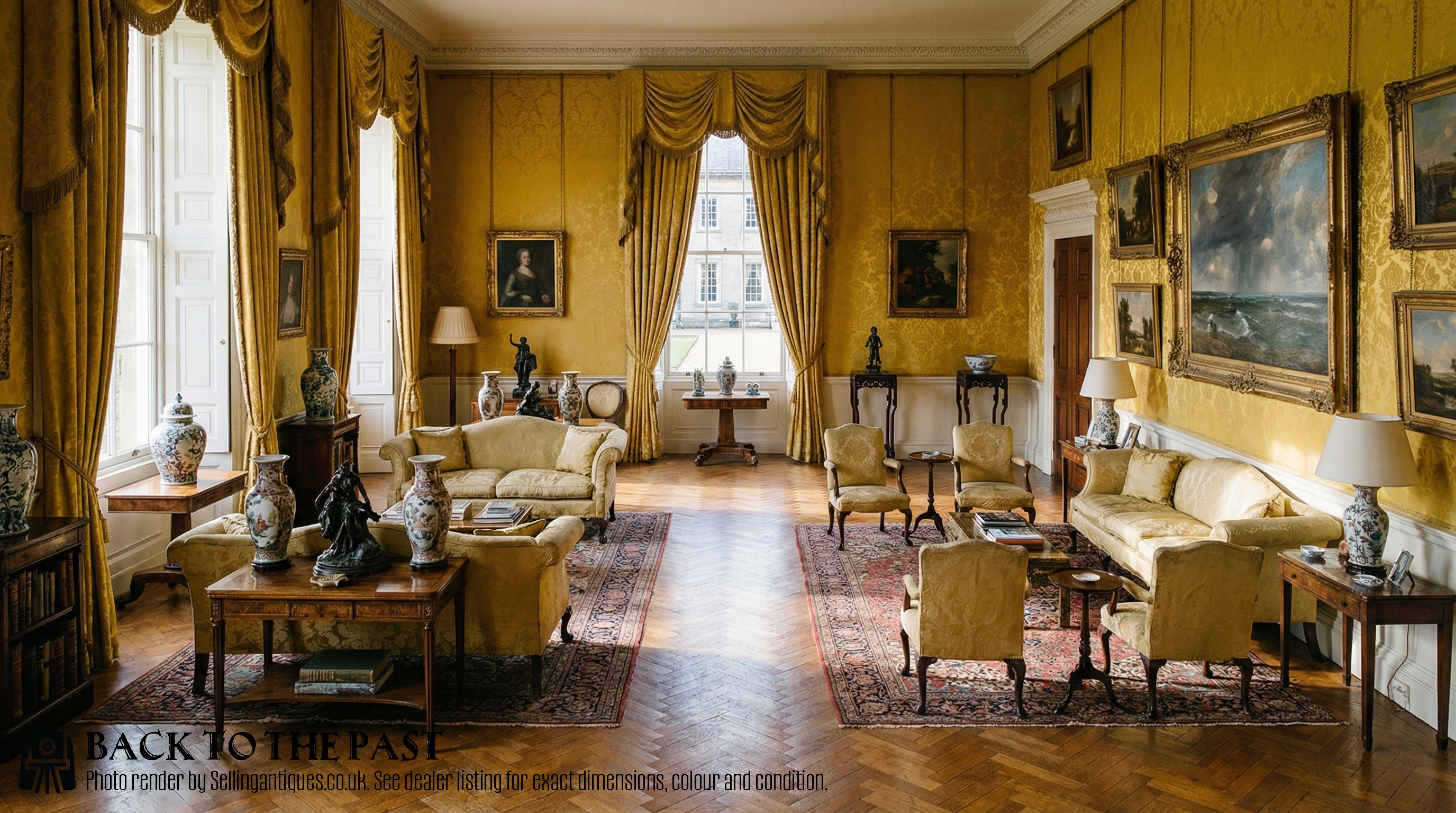
These pieces served primarily to elevate heavy decorative objects such as Chinese porcelain urns, bronze vessels, and large indoor plants. Placing them on stands protected sensitive flooring and positioned decorative items at an appropriate viewing height within the room.
In period interiors, they functioned as focal points in reception rooms and parlours, often holding specialised items like table lamps or flower bowls.
How do I identify Chinese export stands from Victorian pieces?
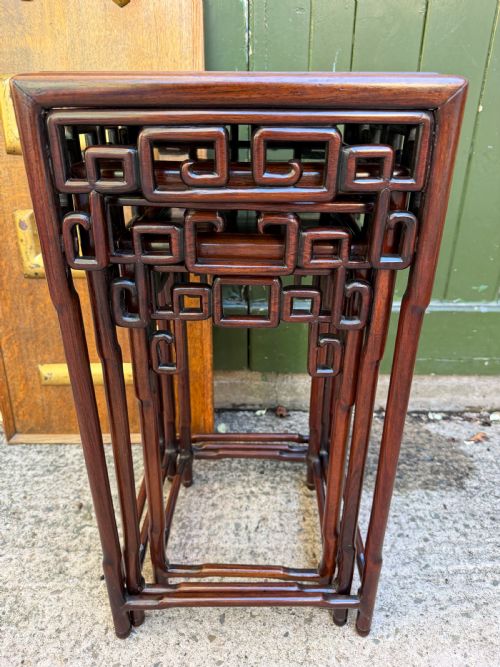
Chinese export stands typically incorporate traditional motifs like prunus blossom, dragons, or key-fret borders, often paired with inset marble panels or intricate pierced aprons. Rosewood used in these Asian workshops is exceptionally heavy and dense.
Victorian and Regency examples follow European furniture proportions and classical revival styles, utilising turned legs or stretcher bases alongside indigenous or imported tropical veneers.
Are marble-top stands vulnerable to damage?
The marble inserts are heavy stone slabs resting within a wooden rebate, meaning they remain secure during normal domestic use but can chip if struck hard along the exposed edges. It is advisable to lift the stone out if the entire base needs relocating.
Water resistance is the main benefit of the stone surface, allowing plants to be watered in situ without risking timber rings on the polished rosewood frame.
How should I care for antique rosewood furniture?
Maintenance requires keeping the timber away from direct heat sources and rapid humidity shifts to prevent the dense hardwood from splitting or warping. Dusting with a dry, soft cloth preserves the polished finish without requiring heavy wax applications.
Occasional light feeding with a suitable furniture wax helps maintain the lustre of the rosewood grain without building up a sticky surface residue.