

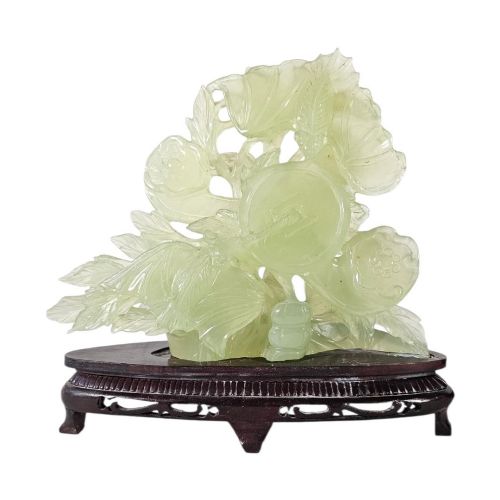





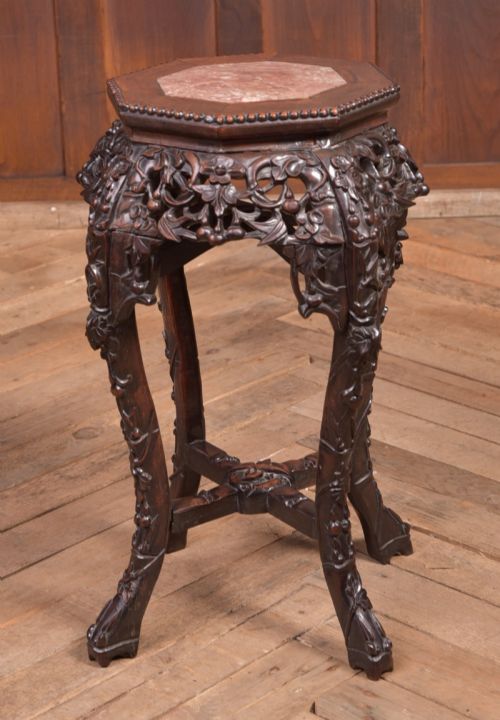


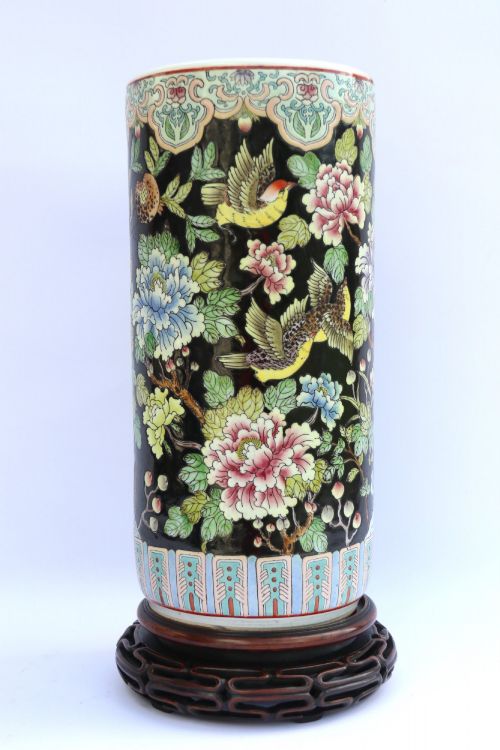
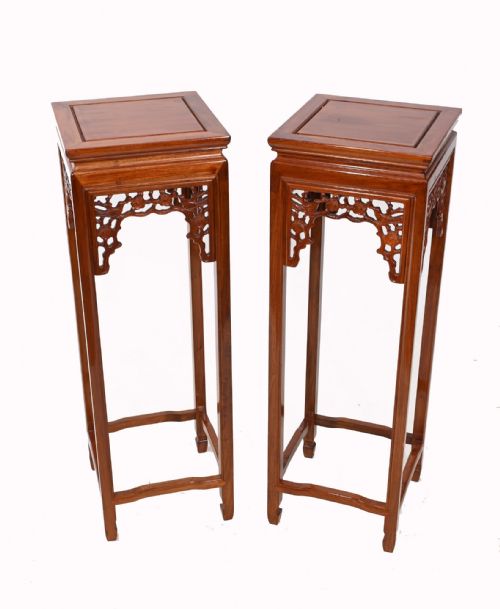


Oriental Flower Stand
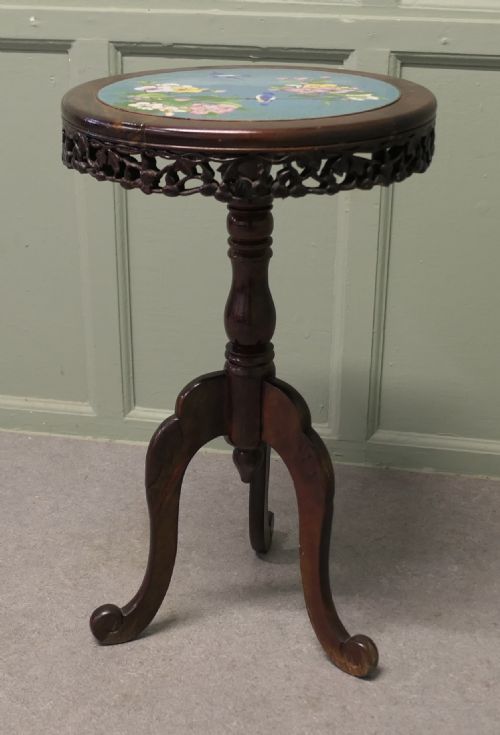
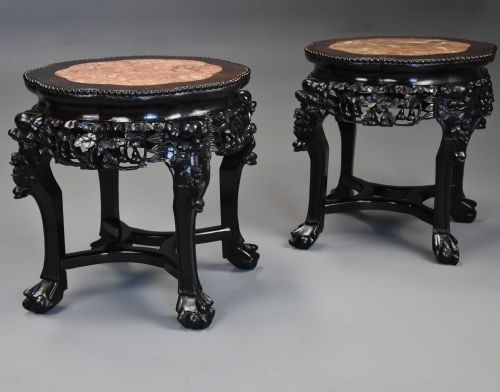
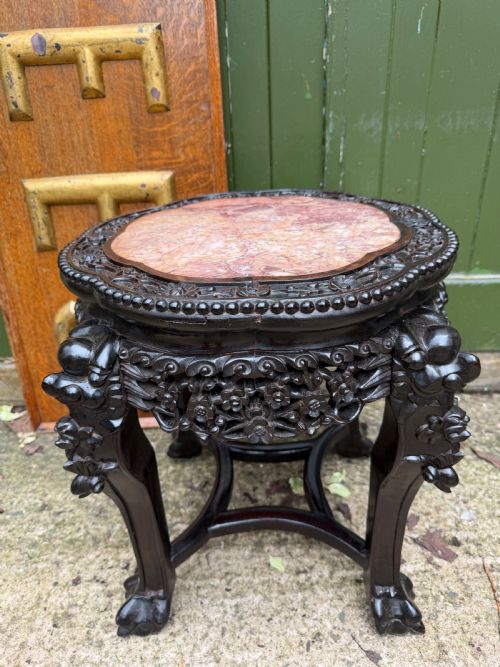
An oriental flower stand elevates a prized ceramic or display piece, bringing traditional craftsmanship into domestic interiors through carved timber and inset stone.

Oriental Flower Stand
An oriental flower stand functions primarily as a plant stand, jardiniere stand, or occasional table designed to support vases and planters. The pieces on this page span the nineteenth century through the early decades of the twentieth century, with strong representation from Chinese Qing Dynasty workshops and Japanese makers.
Buyers encounter forms ranging from tall pedestal stands and torchères to low pot stands and side tables. Hardwoods carved with traditional motifs dominate the selection, often complemented by inset marble tops.

Materials and Construction
Cabinetmakers utilised dense exotic timbers including rosewood, padouk, hongmu, and huali, selecting them for their strength and rich grain. These woods support heavy carved ornamentation without warping, allowing artisans to execute intricate pierced work and deep relief carving.
Many examples incorporate inset variegated rouge or white marble tops, providing a cool, stable surface for damp flower pots. Additional decorative elements include mother-of-pearl inlay, ebonised finishes, and cloisonné work.
Oriental Flower Stand Retail Price Guide 2026
Typical asking prices for oriental flower stand among the pieces listed under this phrase on Sellingantiques today, from the lower quarter to the upper quarter. They describe what is for sale here now, not the wider market.
Some stands doubled as impromptu wine tables when the flower pots took a night off.
Design and Execution
Quality rests in the crispness and depth of the hand carving, where superior examples exhibit undercut details and balanced proportions rather than shallow, mechanical tooling. The choice of timber also dictates standing, with dense rosewood and hongmu commanding attention over general mixed hardwoods.
The integration of materials determines the overall standard, particularly the precise fitting of inset marble panels into the timber frame. Pieces bearing retail attribution to firms like Liberty of London show refined finishing and deliberate material selection.
Liberty of London
The Oriental Flower Stand Glossary
- Hongmu
- A traditional Chinese term denoting dense, dark hardwoods used in fine furniture making. These heavy timbers take a high polish and resist decay.
- Torchère
- A tall, slender stand designed to hold a light or a decorative vessel. This form elevates the display to eye level in a room.
- Jardiniere
- An ornamental pot or stand for holding plants or flowers. They often feature waterproof ceramic inserts or protective marble surfaces.
- Cloisonné
- An enamel technique where metal wire forms compartments on a vessel surface to hold coloured paste. This technique creates vibrant patterns of birds and flowers.
- Padouk
- A durable tropical hardwood known for its reddish hue and strength. It provides a stable base for heavily carved plant stands.
Oriental Flower Stand: Frequently Asked Questions
What is an oriental flower stand used for?
These stands serve as elevated platforms for heavy ceramic planters, vases, and decorative objects. Their sturdy construction accommodates both floral arrangements and sculptural pieces within a room.
Historically, they protected polished floors and furniture from moisture while framing botanical displays as focal points in domestic interiors.
How do I identify a Qing Dynasty stand?
Qing Dynasty stands typically feature dense hardwoods such as hongmu or rosewood with deep, hand-carved floral or geometric motifs. The joinery relies on traditional interlocking methods without metal nails.
Many examples incorporate inset marble tops designed to hold damp plant pots safely without damaging the underlying timber frame.
Are marble top stands waterproof?
The marble inserts provide a resilient, water-resistant surface suitable for holding damp planters and vases during everyday use. However, prolonged standing water can still seep into tiny fissures or stain unsealed stone.
It remains wise to use a protective saucer beneath plants to prevent moisture from reaching the surrounding wooden edges or the mortar bed.
Where should I place a plant stand?
These stands suit corners, window bays, or hallway focal points where they can support trailing plants or large ceramic vessels safely. Their vertical proportions make them useful for adding height variation to a room without occupying significant floor space.
Keep them away from direct heat sources to protect the dried exotic timbers from splitting over time.