








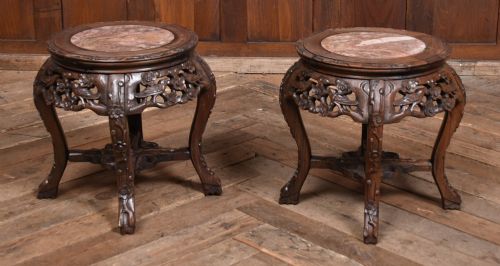
Qing Dynasty Plant Stand
A qing dynasty plant stand brings grounded structure and intricate carving to a room, offering an elevated surface for ceramics and greenery.

Qing Dynasty Plant Stand
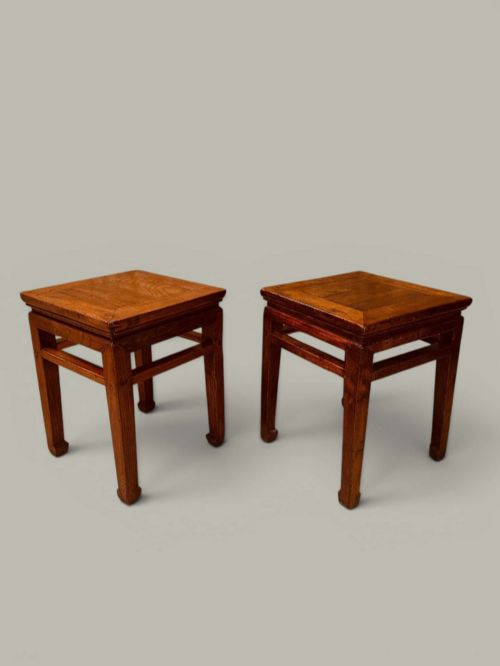
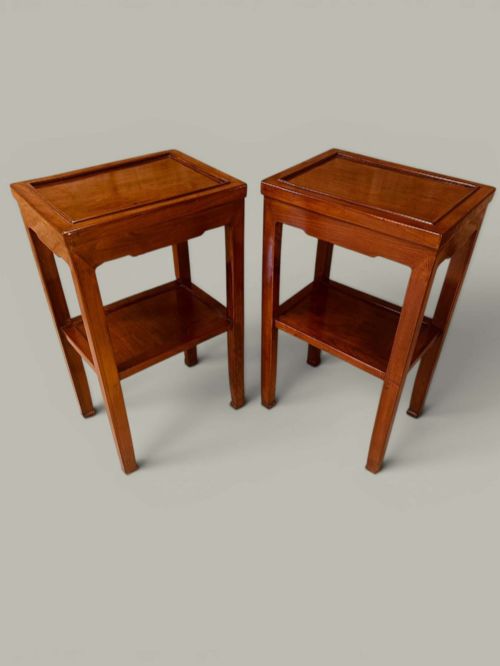
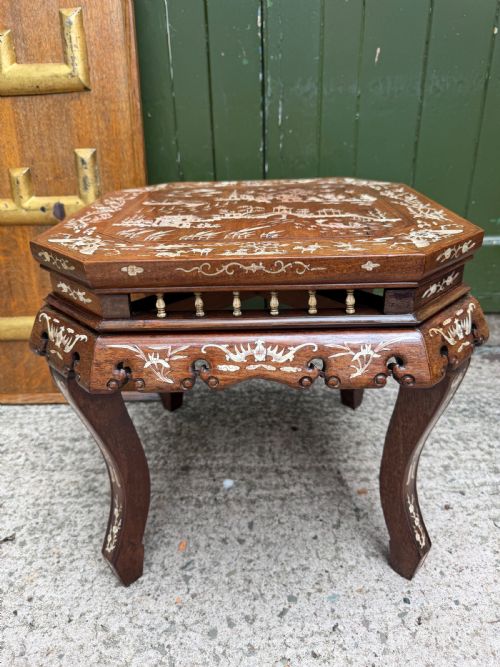
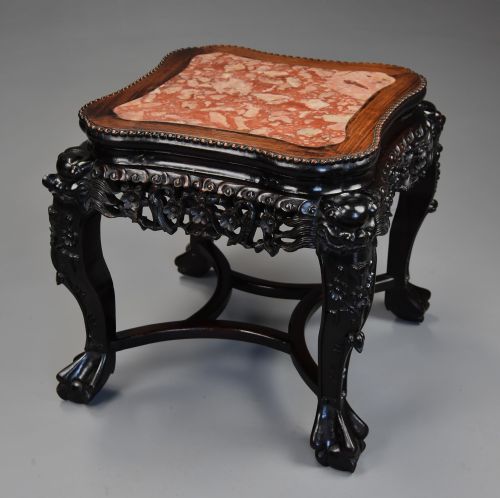
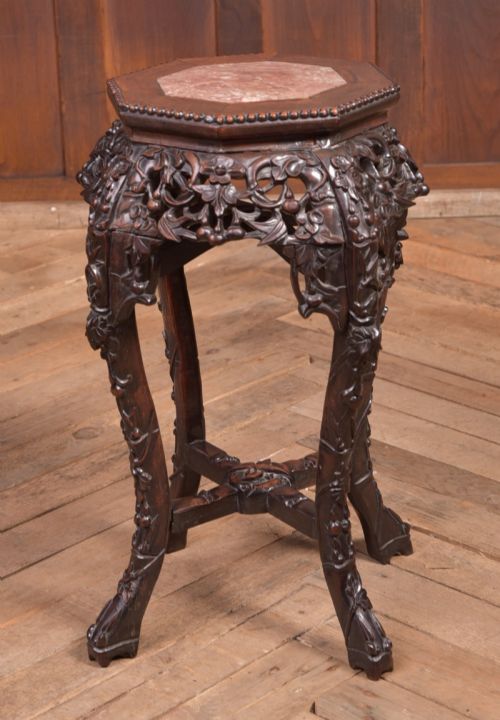
A qing dynasty plant stand typically takes the form of a low table, a tall pedestal, or a specialised jardiniere stand designed to elevate decorative pots. These pieces emerge predominantly from the nineteenth century, spanning various decades up through nineteen-ten.
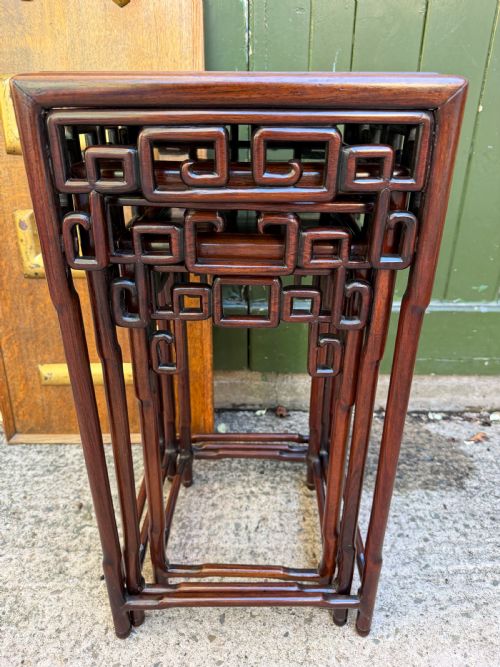
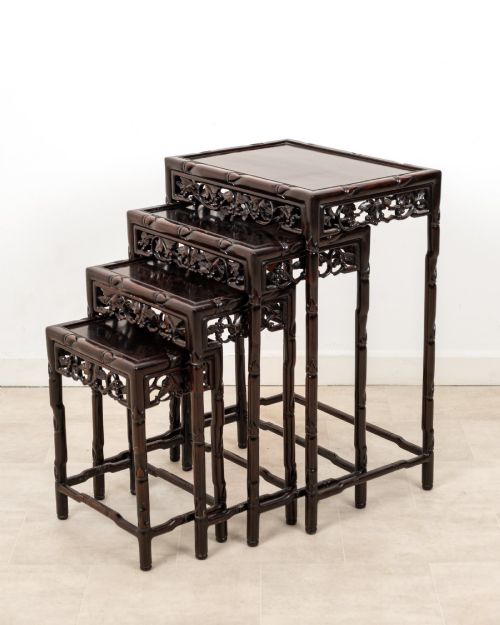
Forms vary from square and round occasional tables to nested sets, garden seats, and vase stands. The inventory reflects traditional Chinese craftsmanship adapted for domestic display.
Most examples hail from the broader nineteenth century, with specific dates clustering around eighteen-eighty to nineteen-hundred. Buyers frequently encounter matched pairs alongside singular statement pedestals.

Materials and construction
Cabinetmakers utilised dense timbers such as rosewood, hongmu, huanghuali, and padouk to build these sturdy supports. These heavy tropical hardwoods allow for deep, crisp relief carving without compromising the structural integrity of slender legs.
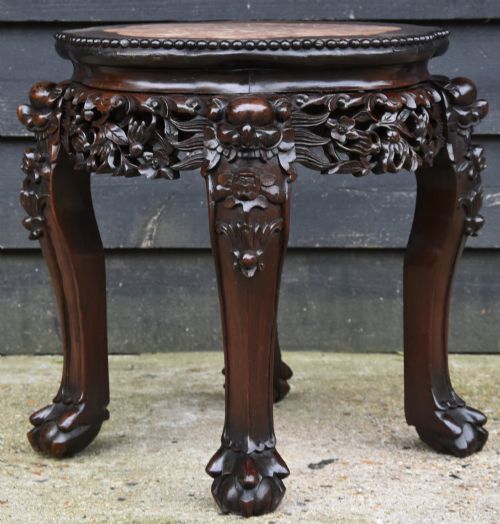
Many surfaces incorporate inset panels of variegated marble, porcelain, mother-of-pearl inlay, or quartz. These contrasting inserts provide a cool, stable display surface resistant to moisture from potted plants.
Qing Dynasty Plant Stand Retail Price Guide 2026
Typical asking prices for qing dynasty plant stand among the pieces listed under this phrase on Sellingantiques today, from the lower quarter to the upper quarter. They describe what is for sale here now, not the wider market.
Listings feature hard timbers like rosewood, padouk, and hongmu, frequently paired with inset marble or porcelain panels.
Separating the ordinary from the exceptional
Quality rests in the depth and precision of the wood carving, where superior examples exhibit sharp undercut foliage and figures rather than soft, shallow incisions. The choice of timber also dictates standing, with rich grain patterns in huanghuali or dense rosewood commanding greater visual weight.
Integration of the inset top marks the level of care taken during construction, as tightly fitted marble or porcelain panels sit flush with the surrounding frame. Proportion and stance complete the distinction, separating stiff utility pieces from balanced decorative objects.
The Qing Dynasty Plant Stand Glossary
- Hongmu
- A category of dense, dark tropical hardwoods prized by traditional Chinese furniture makers for its weight and dark colour. It translates literally as red wood.
- Jardiniere stand
- A tall or low table specifically built to hold a large ceramic plant pot or flower bowl. These pieces often feature water-resistant stone or marble insets.
- Padouk
- A heavy, durable timber featuring reddish-orange tones that darken to deep brown over time. It provides a stable base for heavily carved stands.
- Torchère
- A tall decorative stand designed originally to support a candle or lamp. In this context, it functions as a slender pedestal for display.
Qing Dynasty Plant Stand: Frequently Asked Questions
How were plant stands used originally?
These pieces served inside traditional dwellings to elevate potted plants, miniature trees, and prized ceramic vessels off the floor. Raising the containers protected delicate flooring and placed seasonal blooms at an optimal viewing height.
They also functioned as occasional tables for display within scholar studios and reception halls. The integration of stone tops provided a practical, spill-proof surface for watering plants indoors.
What is the difference between a pot stand and a low table?
Pot stands generally feature narrower proportions and taller stances designed to centre a single specimen in a corner or beside seating. Low tables offer broader surfaces intended for multi-item arrangements or general display.
Despite the classification overlap in historical records, low tables often double as side tables or nesting sets. Both share heavy hardwood construction and intricate carving traditions.
How do I clean a marble inset top?
Wipe the stone surface gently with a soft, damp cloth using mild soap if necessary. Avoid acidic cleaners or harsh chemicals that can etch the polished marble finish.
Dry the stone thoroughly immediately afterward to prevent moisture from seeping into the surrounding wood frame. Regular dusting keeps the grain of both materials clear.
Can these stands support heavy modern pots?
Dense tropical hardwoods possess immense structural strength capable of bearing substantial weight. The robust joinery typically handles heavy ceramic planters without strain.
However, care must be taken with slender leg configurations to ensure the overall centre of gravity remains stable. Placing protective felt underneath heavy pots prevents scratching the wood or stone.