










Carved Hardwood Urn Stand
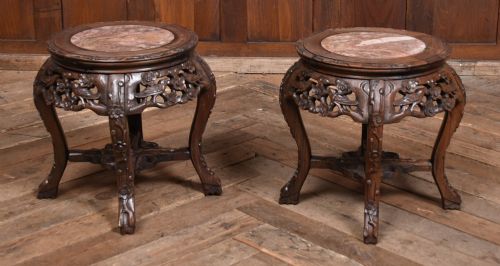
A carved hardwood urn stand lifts a heavy vessel into the light, bringing dense timber and polished stone together in the room.
Carved Hardwood Urn Stand
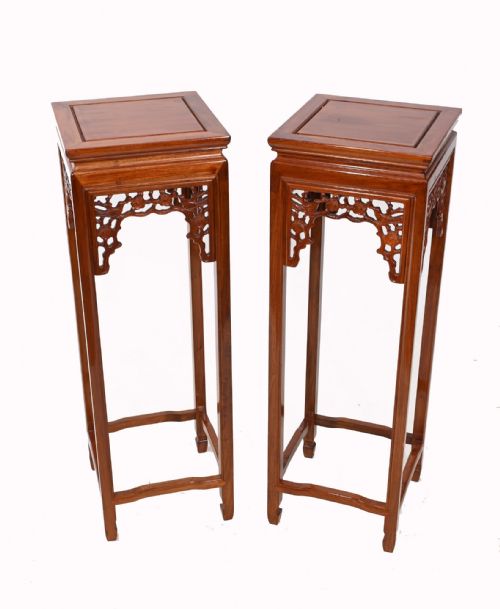
A carved hardwood urn stand functions primarily to elevate large vessels, plants, and ornamental objects above the floor level. The pieces grouped under this search phrase span low tables, pedestal stands, and multi-purpose plant supports designed for domestic display.
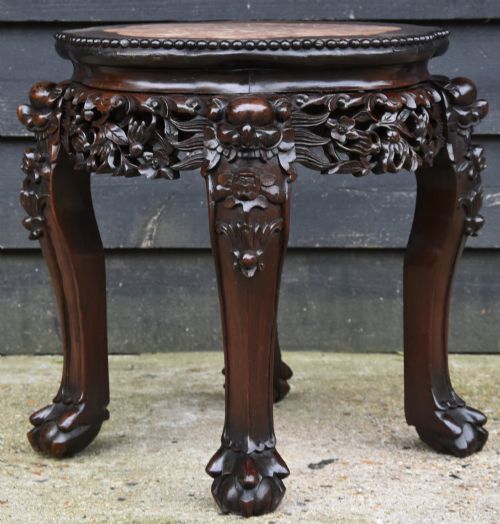
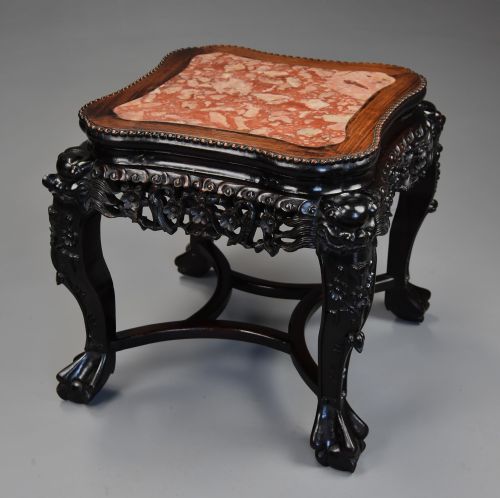
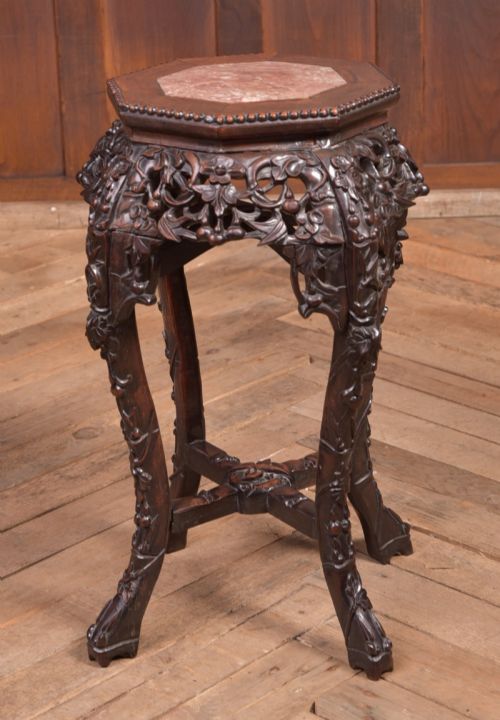
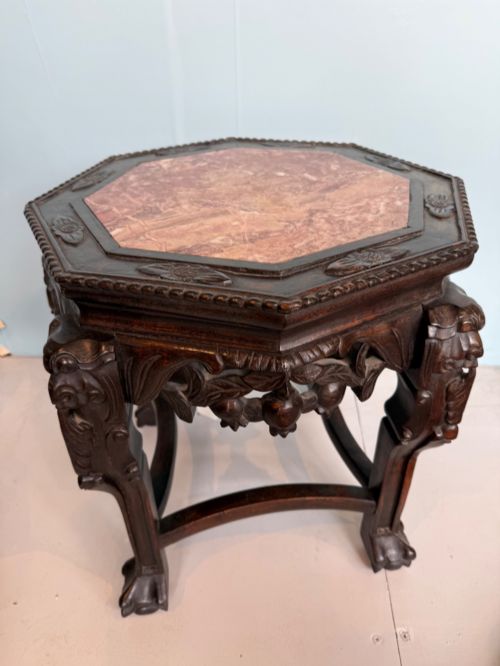
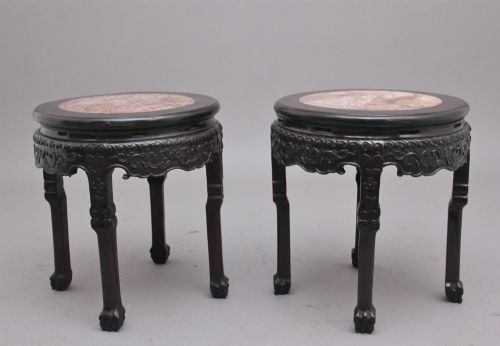
Most examples originate from nineteenth-century Chinese workshops adhering to Qing Dynasty traditions. These objects combine dense tropical timbers with inset marble tops, taking shapes that range from square low tables to tall columnar pedestals.
Alternative forms include occasional tables, side tables, and occasional stands with ebonised finishes or mother-of-pearl inlay. The surviving pieces demonstrate how nineteenth-century households accommodated heavy ceramic jardinières and bronze censers.
Materials and construction
Makers utilised dense timbers such as rosewood, padouk, and hongmu, selecting woods heavy enough to support substantial marble inserts. These hardwoods receive deep carving along apron rails and legs, displaying botanical motifs and scrolling designs.
Marble inserts - frequently featuring variegated rouge or white patterns - fit flush into the wooden frame to provide a stable, cool surface for heavy ceramic vessels. Joinery relies on traditional interlocking construction without modern metal fixings, allowing the timber to expand and contract naturally.
Carved Hardwood Urn Stand Retail Price Guide 2026
Typical asking prices for carved hardwood urn stand among the pieces listed under this phrase on Sellingantiques today, from the lower quarter to the upper quarter. They describe what is for sale here now, not the wider market.
Materials recorded include rosewood, padouk, ebonised wood, and variegated rouge marble.
Assessing quality
Depth and crispness of carving separate standard production from superior pieces. The finest stands display undercut relief work where foliage and figures stand clear of the background timber.
The choice and figuring of the inset marble dictate the visual weight of the stand. Heavily figured rouge marble or perfectly matched stone panels indicate higher workshop standards than dull, uniform slabs.
Liberty of London
The Carved Hardwood Urn Stand Glossary
- Hongmu
- A dense Chinese hardwood translating to red wood, frequently utilised for high-status nineteenth-century furniture and stands. It takes a dark, rich polish without the need for heavy staining.
- Jardiniere
- A large ornamental pot or container for plants and flowers, usually manufactured from ceramic or porcelain. These heavy vessels required sturdy timber stands to prevent tipping.
- Torchere
- A tall stand or pedestal originally designed to support a candle or torch. Later nineteenth-century examples carried lamps, urns, or tall vases.
- Padouk
- A heavy tropical hardwood valued for its durability and deep reddish-brown colour. Makers selected it for pieces requiring strong structural support under heavy marble tops.
- Ebonised
- Timber treated with a dark stain or finish to imitate ebony. This treatment appears on nineteenth-century tables and plant stands.
Carved Hardwood Urn Stand: Frequently Asked Questions
What is an urn stand used for?
These pieces support heavy ceramic urns, bronze censers, and large indoor plants within the reception rooms of a house. Elevating the vessel protects delicate floor surfaces and brings decorative stonework closer to eye level.
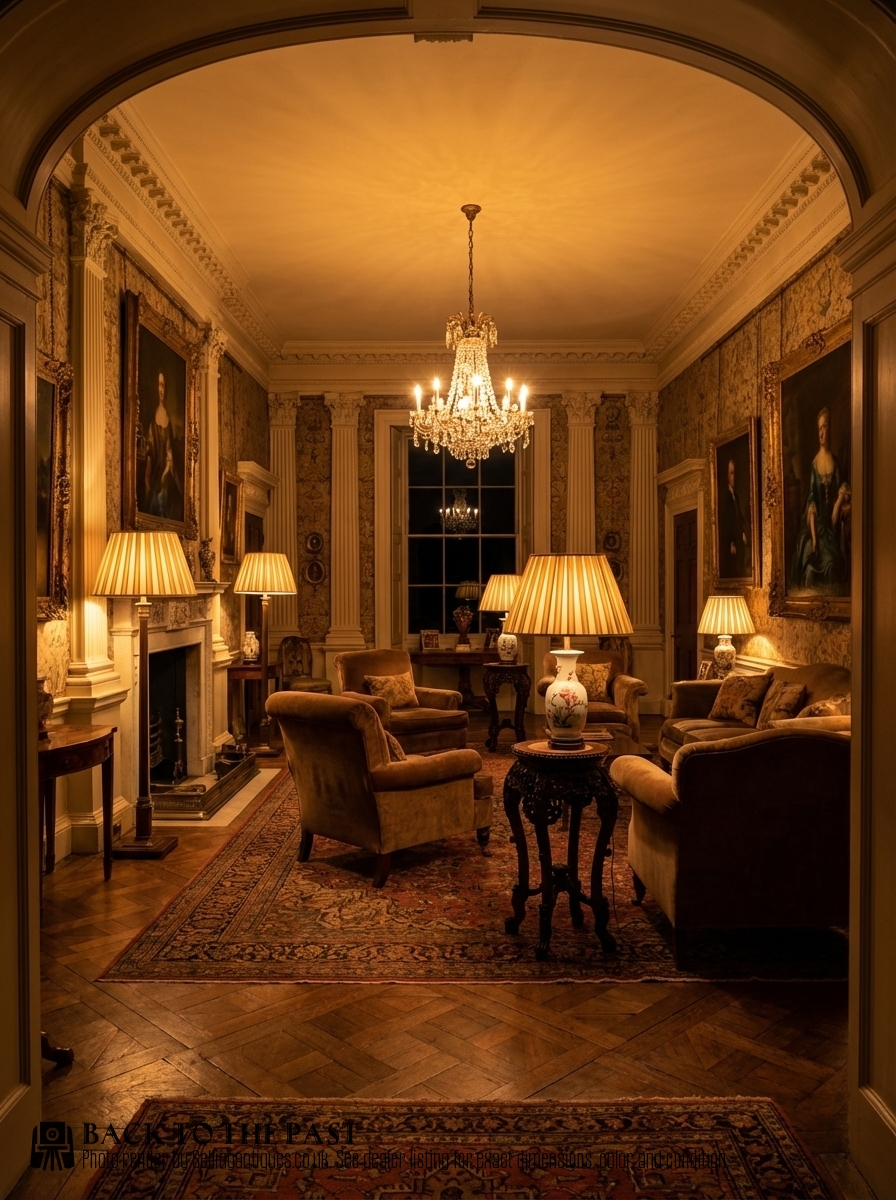
Historically, they served as focal points in nineteenth-century interiors for displaying imported Asian ceramics or trailing greenery. Today, they function effectively as lamp tables or occasional surfaces beside seating.
How do I identify a Qing Dynasty stand?
Look for dense tropical hardwoods like rosewood or hongmu combined with inset marble tops and intricate, deep-relief botanical carving. The construction techniques rely on traditional mortise and tenon joints rather than modern fasteners.
Most surviving examples date from the nineteenth century, reflecting the trade in Chinese export furniture during the late Qing period. Stylistic details often include shaped aprons and scroll feet derived from traditional Chinese architecture.
Are marble top stands fragile?
The timber frames possess considerable structural strength, but the inset marble panels require careful handling during relocation. The weight of the stone actually adds stability to the base, preventing the stand from tipping under a top-heavy vessel.
Normal daily use involves little risk provided the stand sits on a level floor. Avoid dragging the piece across uneven surfaces, which can strain the traditional wood-and-stone joinery.
Where should I place a plant stand?
Position these stands away from direct heat sources and sudden temperature fluctuations that might affect the antique hardwood. Placing them in moderate light allows the carved details and marble grain to show clearly.
Ensure the footprint of the stand matches the traffic flow of the room, as their protruding legs and carved aprons can catch on clothing. They suit corners, window recesses, or spaces beside armchairs.