







Qing Dynasty Plant Table
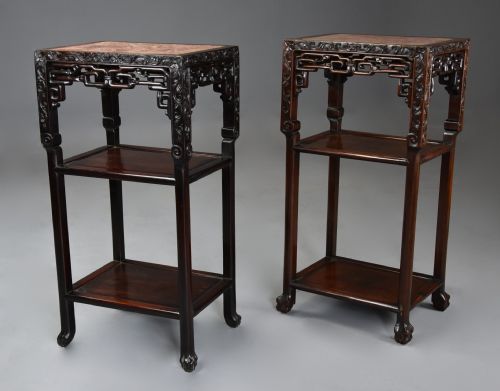
When you search for a qing dynasty plant table, you are looking at carved hardwood stands designed to elevate ceramics and flora.
Qing Dynasty Plant Table
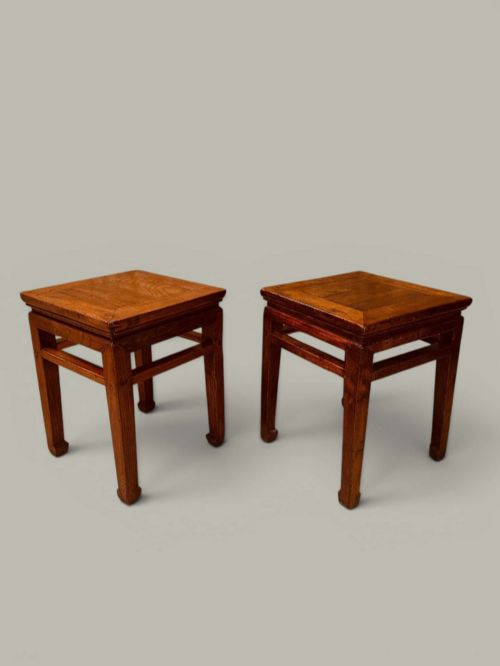
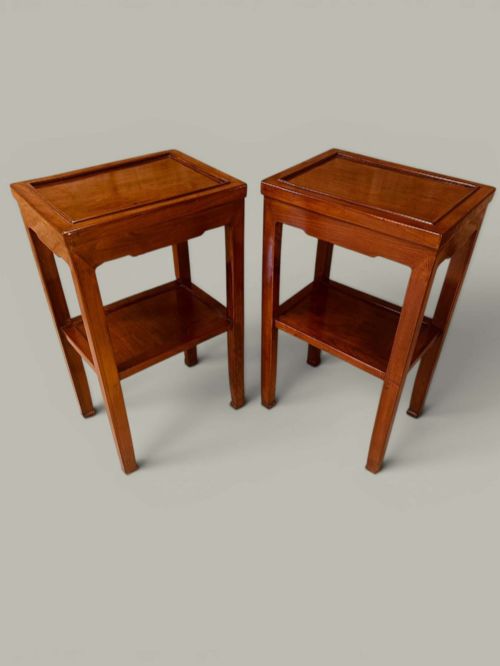
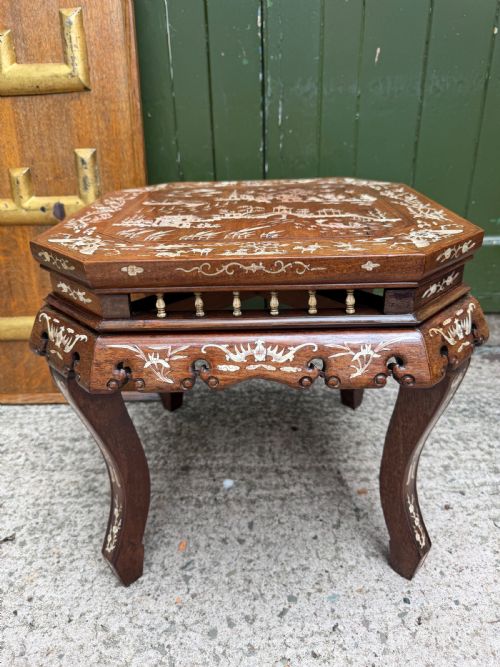
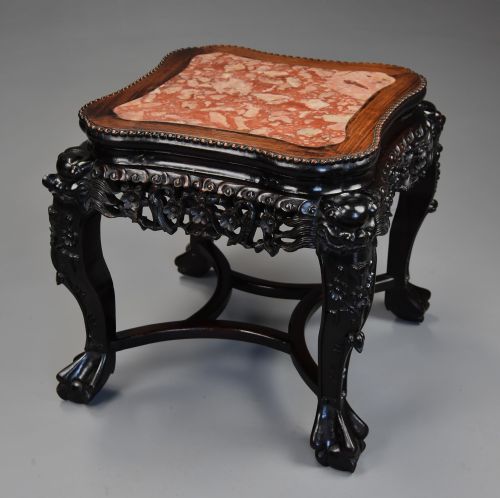
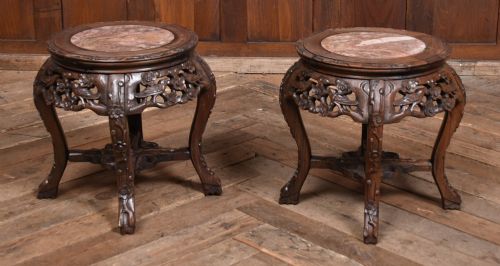
A qing dynasty plant table typically takes the form of a low table, pot stand, or occasional table designed to hold jardinieres and decorative vessels. The pieces seen here span the nineteenth century through the Edwardian period, encompassing styles from Chinese export to traditional Qing forms.
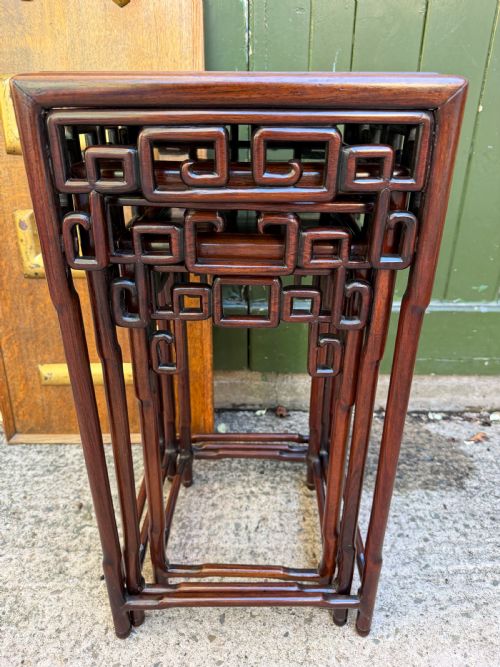
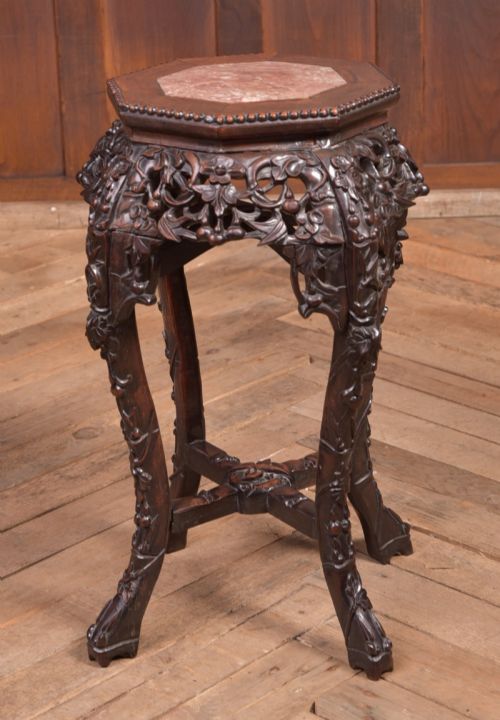
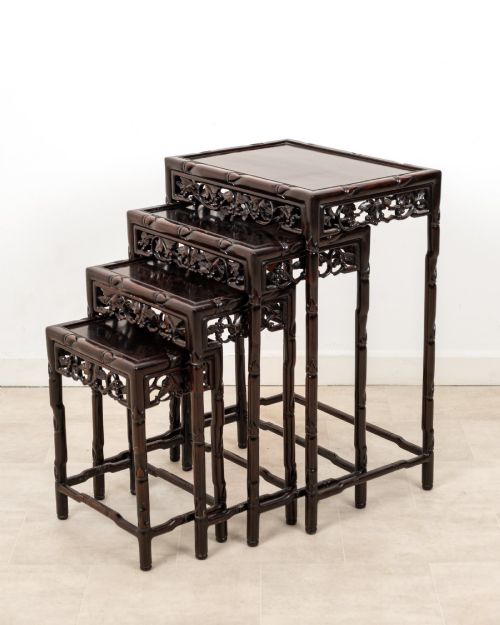
Makers utilised various dense timbers to support heavy stone or ceramic inserts, creating elevated surfaces suited for display. Forms range from tall pedestals and garden seats to nested tables and square low tables.
Buyers will frequently encounter individual stands or matched pairs constructed from dark Asian hardwoods with carved details. These items functioned primarily as interior display furniture for vases and plants.
How they were made
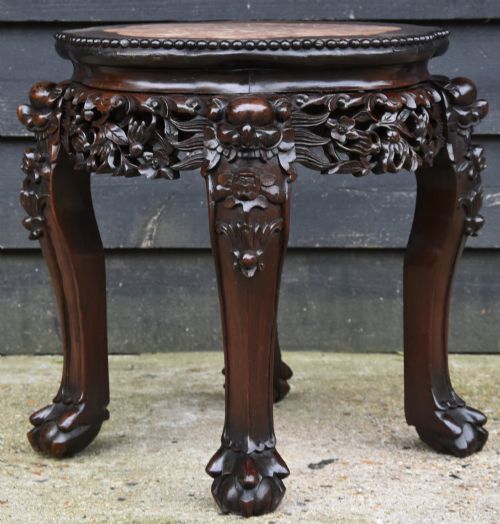
Many tops incorporate inset panels of variegated rouge marble, porcelain, mother of pearl, or quartz. Lacquer and cloisonne finishes also appear on select side tables and stands.
Qing Dynasty Plant Table Retail Price Guide 2026
Typical asking prices for qing dynasty plant table among the pieces listed under this phrase on Sellingantiques today, from the lower quarter to the upper quarter. They describe what is for sale here now, not the wider market.
Listings demonstrate a strong preference for rosewood and hongmu across nineteenth century pieces.
What varies in quality
Quality rests on the crispness of the wood carving and the choice of timber grain. Dense rosewood and hongmu examples with deep, clean relief work sit at the upper end of the range.
The integration of the inset top also marks a distinction, particularly the selection and fit of the marble or porcelain panel. Natural figuring in the stone and strong grain patterns in the wood elevate the overall presence of the stand.
The Qing Dynasty Plant Table Glossary
- Hongmu
- A dense, heavy Chinese hardwood often utilised for traditional Qing furniture. It typically exhibits a rich dark colour and takes a fine polish.
- Jardiniere
- A large ornamental pot or container for plants or flowers. These stands were specifically proportioned to support such heavy vessels.
- Padouk
- A durable tropical timber valued for its reddish hue and robust structure. It appears frequently in nineteenth century stands.
- Cloisonne
- An enamel technique where metal wire forms compartments on a base surface. These filled cells create colourful decorative patterns on select tables.
- Nest of tables
- A set of graduated tables designed to stack beneath one another. They offer flexible surface area in compact spaces.
Qing Dynasty Plant Table: Frequently Asked Questions
How were these plant tables used?
These pieces functioned primarily to elevate heavy ceramic planters, vases, and ornamental jardinieres within traditional interiors. They provided a stable platform while displaying prized botanical specimens at a visible height.
Over time, owners also utilised them as occasional lamp tables or side tables for everyday objects. Their compact footprint allowed them to sit easily in corners or beside seating.
What woods appear in these tables?
The listings show a heavy reliance on dense Asian hardwoods, specifically rosewood, hongmu, and padouk. These timbers possessed the structural strength required to support heavy stone inserts.
Carpenters favoured these varieties for their deep natural colour and ability to hold intricate carved detail without splintering.
Are marble tops common on these stands?
Marble inset tops appear frequently across nineteenth century examples. This stone provided a cool, durable surface that could handle moisture from potted plants without staining the surrounding wood.
Variegated rouge marble and plain white or grey panels are both recorded in the inventory. They were fitted flush into the wooden frame.
How do I date a Qing dynasty plant table?
Dating relies on examining the timber, construction methods, and stylistic cues present in the carving. Pieces often span the late nineteenth century, reflecting traditional Qing aesthetics alongside export preferences.
Variations in hardware, joinery, and the presence of specific decorative inlays help distinguish earlier nineteenth century examples from later productions.