







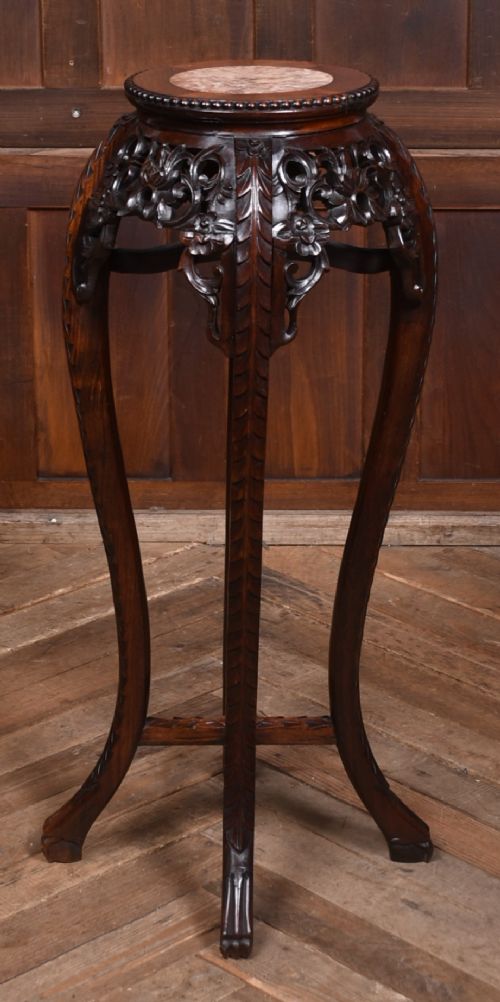

Antique Oriental Vase Stand
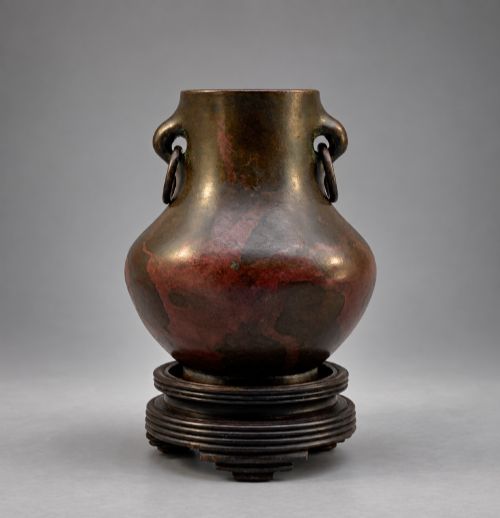
An antique oriental vase stand elevates heavy porcelain or bronze vessels, bringing decorative focus and structural stability to interior spaces.
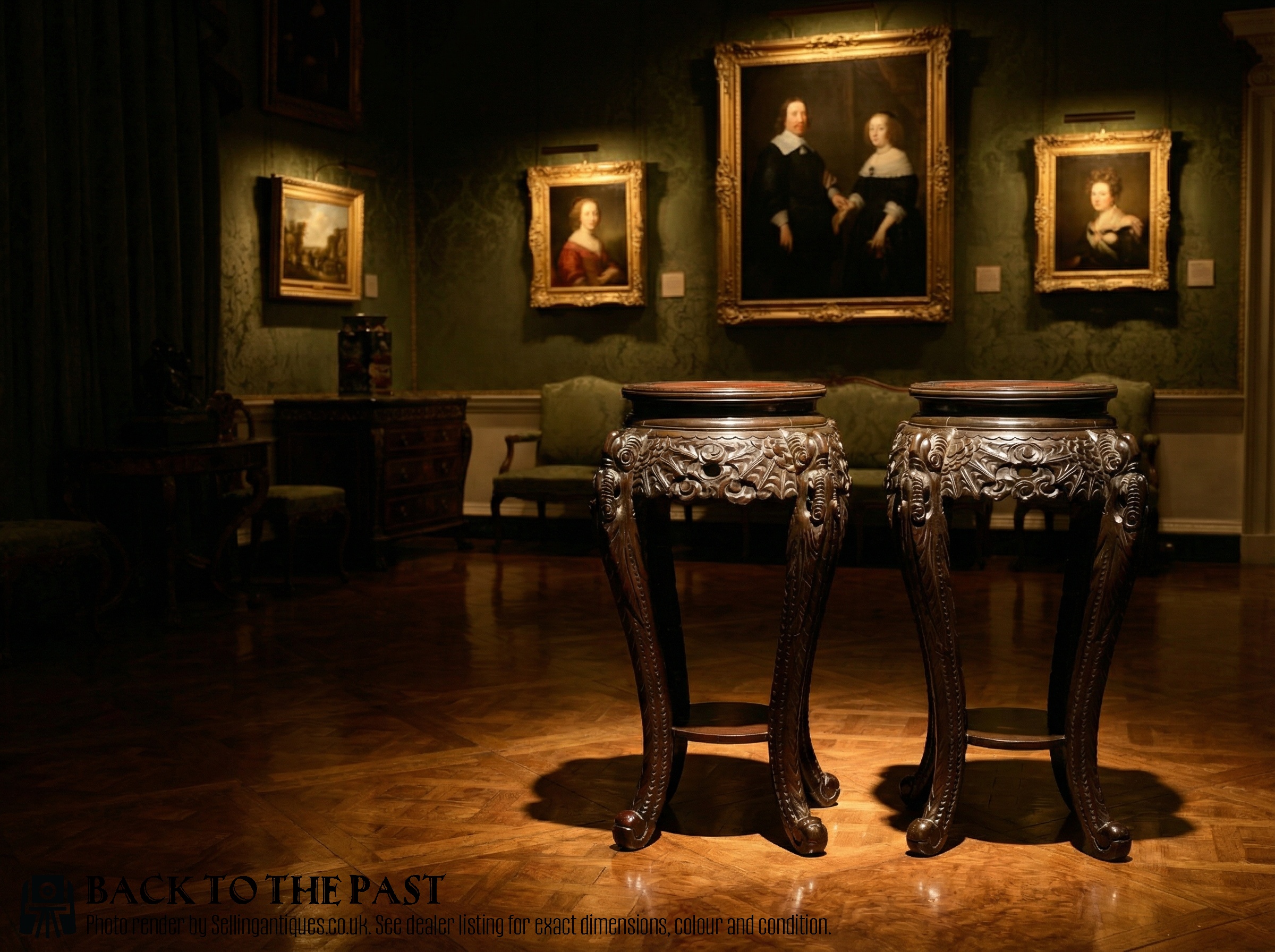
Antique Oriental Vase Stand
When searching for an antique oriental vase stand, buyers encounter functional furniture pieces designed to support heavy ceramics, bronze vessels, and jardiniere pots. These supports lift decorative objects off the floor or tabletop, protecting floor coverings and displaying the vessel at a proper viewing height.
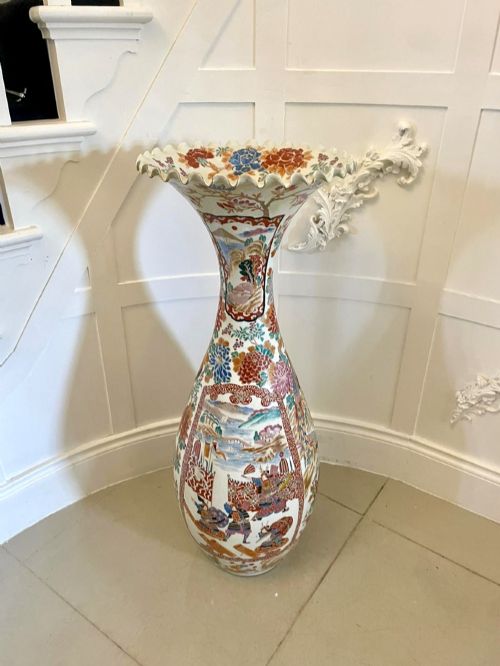
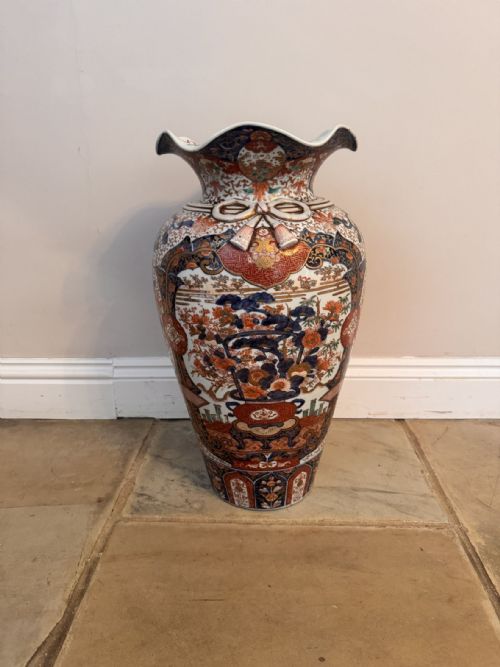
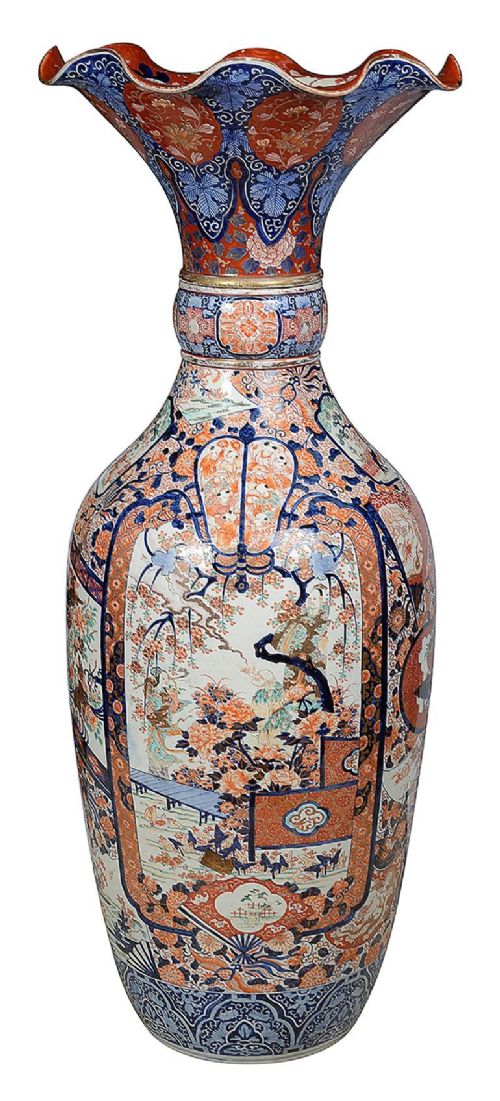
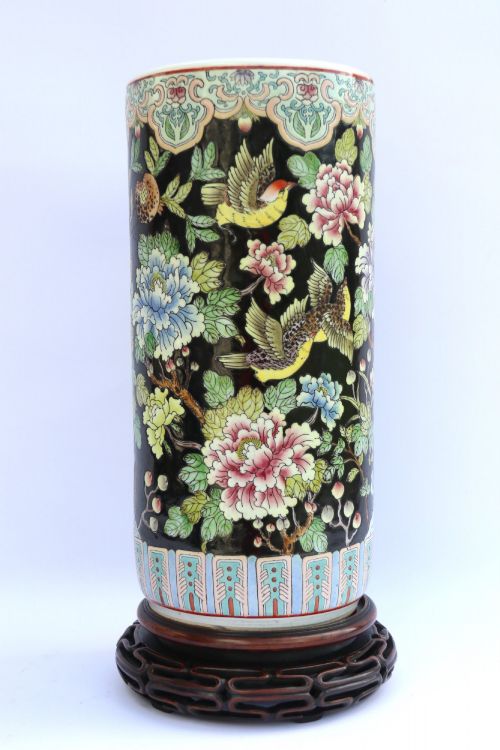
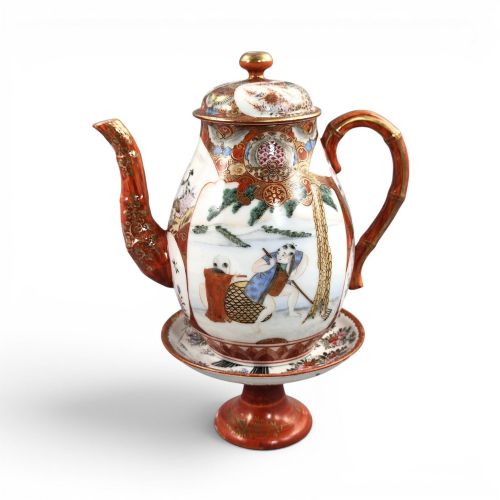
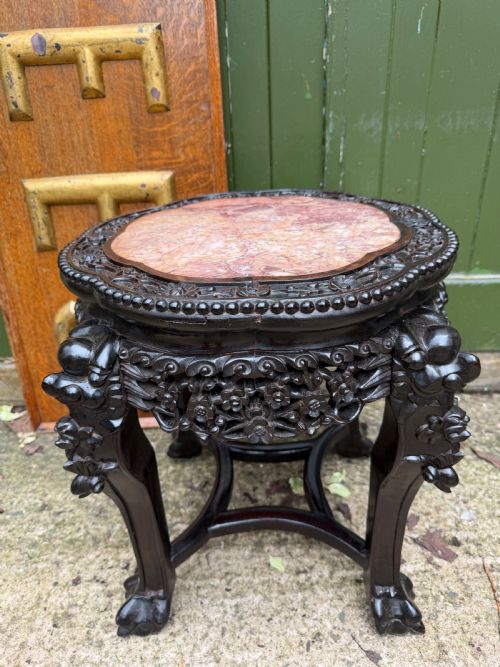
The selections available range from low carved wooden platforms to tall plant and floor supports originating from Chinese and Japanese workshops. Hardwood tables inset with marble surfaces dominate the options, often companion pieces to large Imari, Kutani, or Canton porcelain vessels.
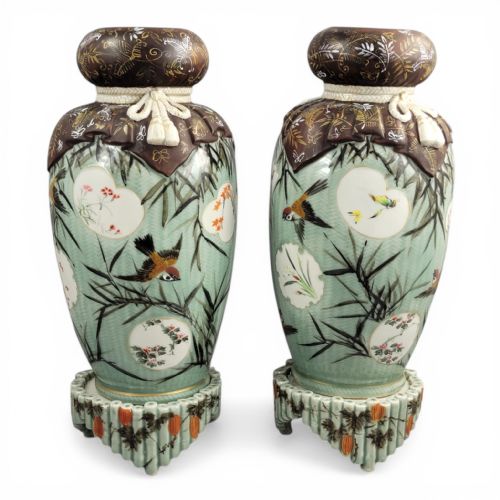
Many examples date from the nineteenth century, spanning Victorian, Edwardian, and late Qing Dynasty periods. Buyers find both standalone platforms and integrated pottery assemblies where the vessel and stand were created as a single matched pair.
How they were made
Woodworking forms the foundation of most examples, utilising dense Asian hardwoods such as hongmu and huali which allow for deep, crisp carving without splintering. Artisans joined these timbers using traditional interlocking joinery, shaping aprons and legs with intricate pierced designs and curved cabriole profiles.
Stone and ceramic integration defines another major manufacturing method, utilising inset variegated rouge marble tops held tightly within wooden frames to provide a cool, stable surface for heavy vases. Lacquer finishes, gold leaf, and painted black paint layers frequently coat secondary woods to seal the material and add decorative sheen.
Bronze casting and porcelain firing techniques produced integrated vase and stand combinations, particularly during the Meiji period in Japan. Workshops shaped molten metal or fired clay into monumental proportions, ensuring the base dimensions matched the weight and centre of gravity of the vessel above.
Antique Oriental Vase Stand Retail Price Guide 2026
Typical asking prices for oriental vase stand among the pieces listed under this phrase on Sellingantiques today, from the lower quarter to the upper quarter. They describe what is for sale here now, not the wider market.
Listings feature items from the Victorian and Edwardian eras alongside pieces originating during the Qing Dynasty and Meiji period.
What varies in quality
The depth and crispness of the wood carving dictate the standard of craftsmanship, separating mass-produced items from pieces shaped by master artisans. Superior examples display sharp undercutting, smooth symmetry in the floral or geometric motifs, and tight joints that remain rigid over decades of supporting heavy weight.
Material selection marks the division between ordinary production and high-end workshops. Heavy, dense hardwoods paired with finely quarried inset marble panels outlast softer timbers and poorly fitted stone inserts that crack under thermal changes or pressure.
Proportion and structural integrity govern the upper tier of these pieces, ensuring the stand balances the visual mass of the vase it holds. Pieces exhibiting harmonious scaling between the supporting legs and the upper platform demonstrate greater design consideration.
Kato Sanhei
The Antique Oriental Vase Stand Glossary
- Hongmu
- A dense, dark aromatic hardwood used in Chinese furniture making. It accepts intricate carving and develops a deep patina over time.
- Huali
- A prized Chinese hardwood belonging to the rosewood family. Artisans valued it for its rich grain patterns and durability.
- Jardiniere stand
- A tall or low piece of furniture designed to support a ceramic plant pot or flower bowl. These objects protect interior surfaces from moisture and elevate foliage.
- Meiji period
- The era in Japanese history lasting from 1868 to 1912. Metalwork and porcelain from this timeframe achieved international renown for technical precision.
- Cloisonné enamel
- A decorative metalwork technique where wires create cells that artisans fill with coloured paste before firing. This method produced vibrant surface patterns on vases and vessels.
Antique Oriental Vase Stand: Frequently Asked Questions
What is an antique oriental vase stand?
An antique oriental vase stand is a specialised piece of furniture or a fitted ceramic base designed to support heavy decorative vessels, urns, and planters.
These items lift display pieces off the floor or table, preventing moisture damage and showcasing the craftsmanship of the vessel above.
How were these stands used historically?
Historically, households used these stands in principal reception rooms to display prized porcelain imports, bronze urns, and large botanical displays.
By elevating heavy floor vases, the stands protected delicate carpets and wooden flooring from dampness and heavy point loads.
How do I identify the wood type?
Identifying the wood requires examining the grain density, weight, and natural colour beneath any applied lacquer or polish.
Traditional pieces frequently employ dense Asian hardwoods like hongmu or huali, which feel remarkably heavy and display tight, dark grain structures.
Are stands and vases usually matched pairs?
While many stands are matched to vases by collectors or dealers later in life, some nineteenth-century examples were created as integrated sets.
Porcelain and bronze pieces from Japanese and Chinese workshops occasionally retain their original, purpose-built supporting bases.