


Carved Hardwood Display Stand
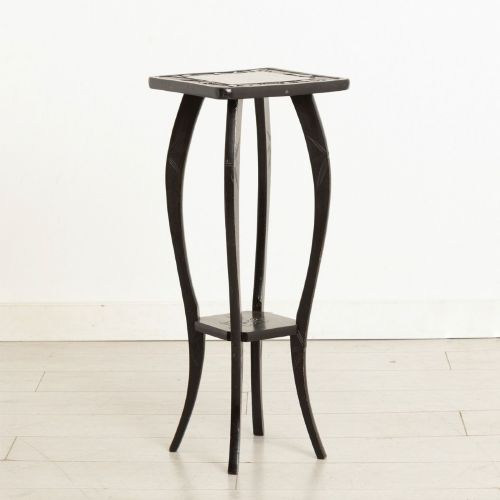
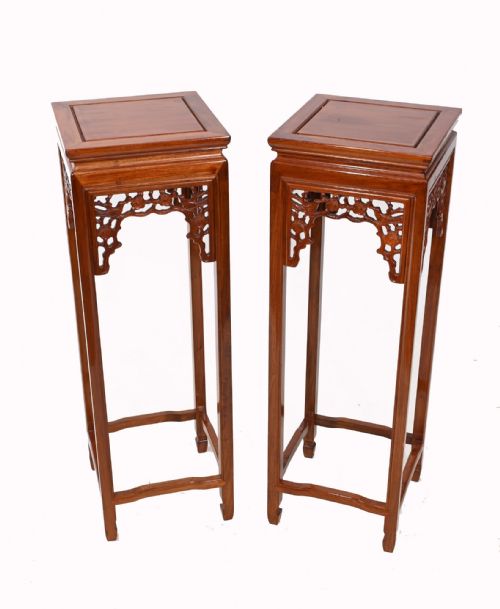
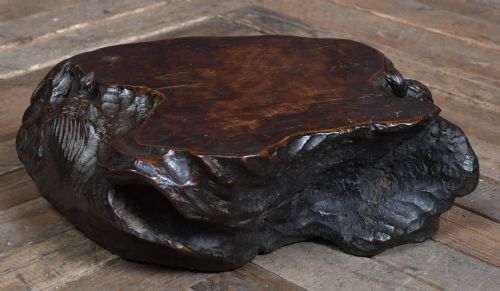
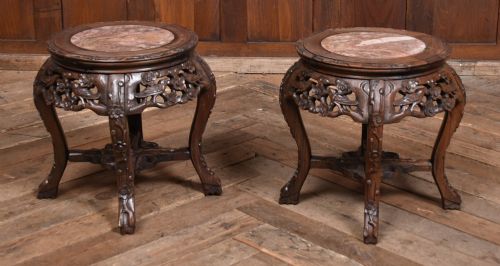
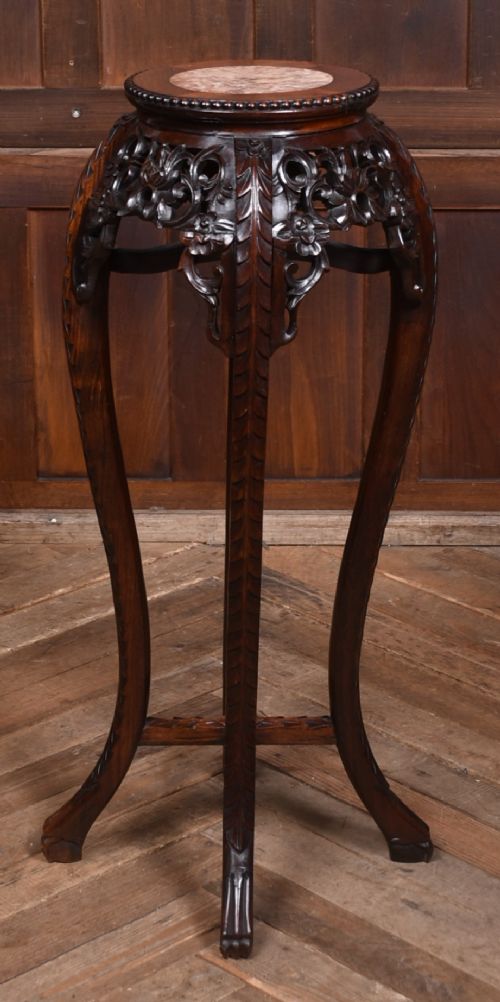
These carved hardwood display stand pieces are solid timber supports built to hold precious objects, and you want one for the deep colour and intricate carving.

Identifying a carved hardwood display stand
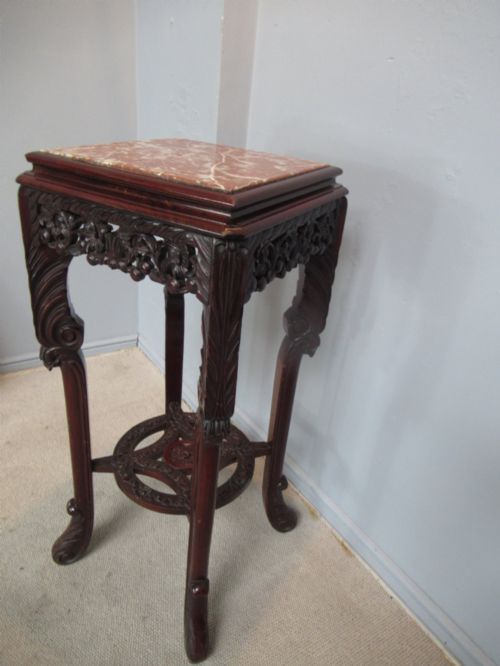
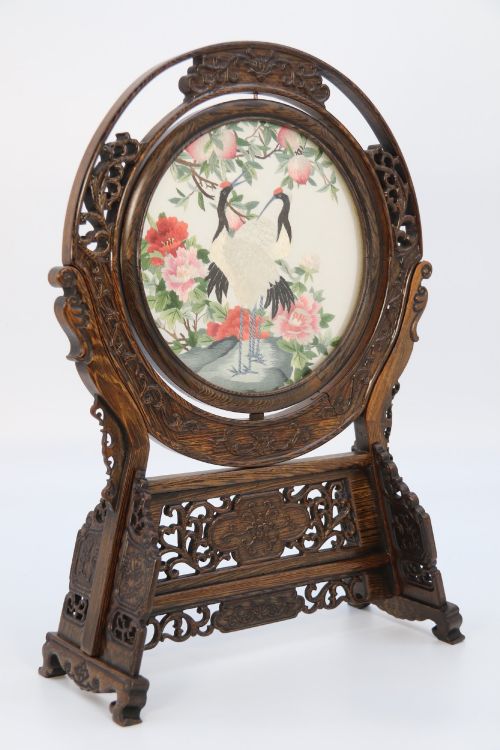
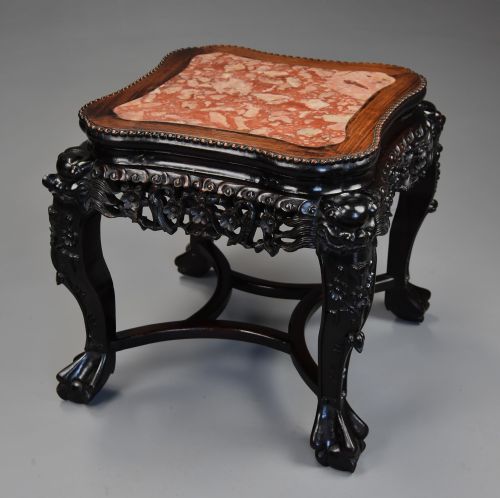
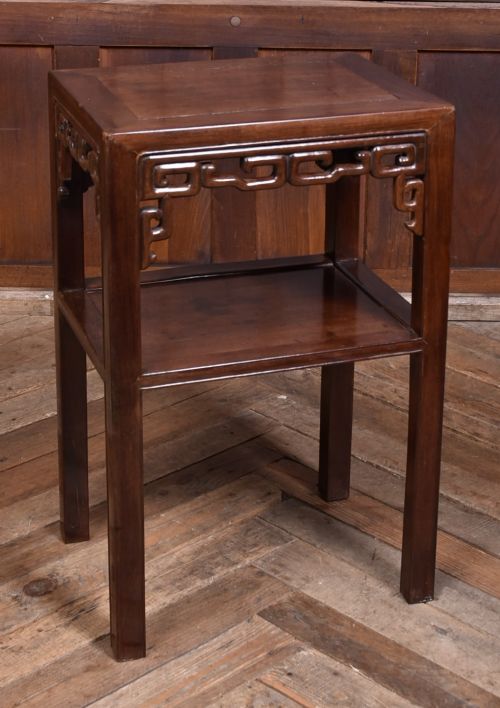
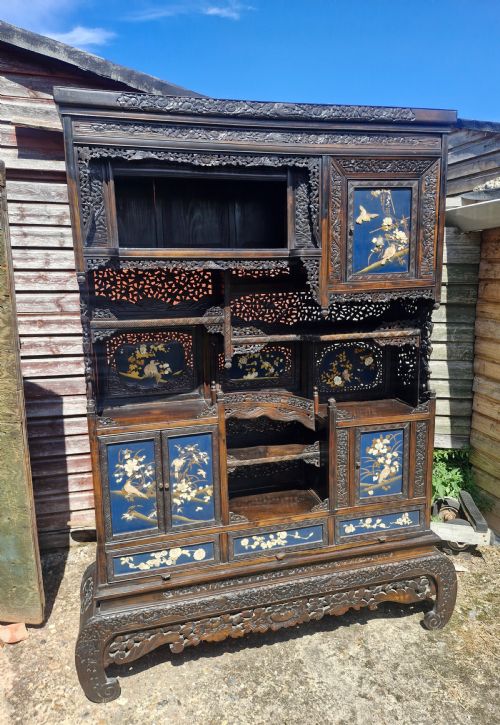
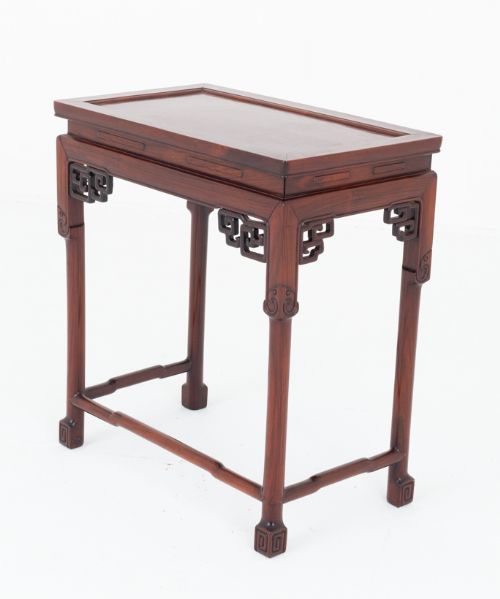
A carved hardwood display stand is a heavy timber support used to elevate ceramics, bronzes, or smaller furniture items within a room. When you examine this selection, you encounter forms ranging from plant stands and jardiniere holders to rotating silk embroidery frames, low centre tables, and side tables. Many examples originate from the Qing Dynasty, the Chinese Republic Period, and the Japanese Meiji Period.
The objects span the nineteenth century, including specific dates such as eighteen-eighty and nineteen-twenty, alongside the Victorian era. You will find both simple vase stands and complex pieces featuring asymmetrical designs or integrated display cabinets. Each item serves to lift ornamental items into focus while providing structural presence through dense timber.
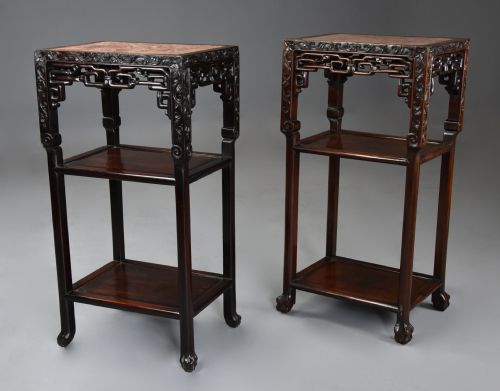
The most common formats on this page are plant stands and dedicated display stands, frequently paired with inset tops of marble or detailed carving. These pieces reflect historic Asian and Victorian interior tastes for ornamental woodwork and curated display. The structural design ranges from low floor units to tall pedestals intended for heavy vases.
Materials and construction
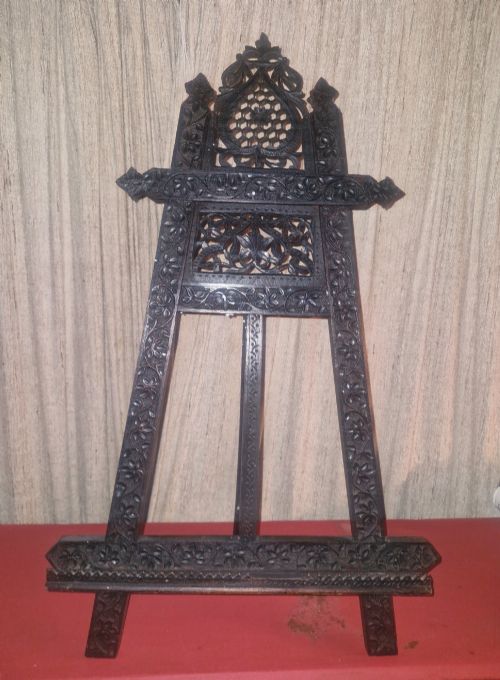
Makers utilised dense timbers such as hongmu and general hardwood to ensure structural stability and longevity. These woods were chosen for their natural strength and deep grain, which accepted intricate carving without splintering. Surfaces were shaped through hand-carving to create relief decoration and pierced patterns.
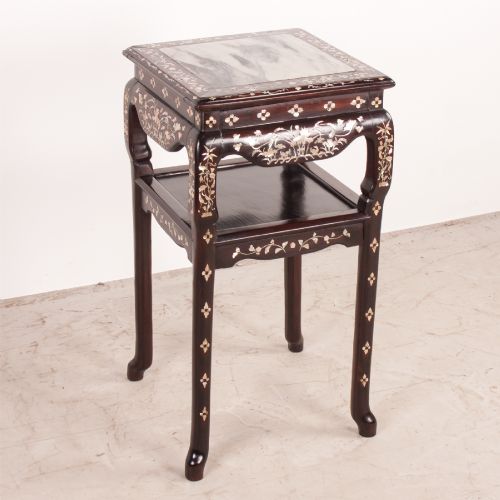
Construction frequently incorporated auxiliary materials alongside the primary wood. Pieces feature inset marble panels, glazed sections, glass panels, and delicate silk embroidery mounted within rotating frames. Inlay work and lacquer finishes were also applied to enhance the decorative surface of the stands.
Retail Price Guide 2026
Typical UK retail prices for carved hardwood display stand, calculated from the Sellingantiques database of over a million retail prices indexed since 2003. This retail price guide relies exclusively on Sellingantiques data; no external sources or auction records are used, so the figures do not describe the wider market.
Materials recorded across the inventory include hardwood, marble, silk, glass, lacquer, inlay, and hongmu.
Assessing quality
The distinction between standard examples and the finest work lies in the depth and precision of the wood carving. Superior pieces exhibit crisp relief work and well-balanced proportions across asymmetrical designs without awkward joins. The selection of dense timber, such as hongmu, contributes significantly to the integrity of the piece.
Integration of secondary materials also defines the upper tier of objects. The inclusion of unblemished marble tops, fine silk embroidery, or precise joinery elevates the craftsmanship. Quality is visible in how seamlessly the auxiliary elements, such as glass or lacquer, complement the carved wooden frame.
The Carved Hardwood Display Stand Glossary
- Hongmu
- A dense tropical hardwood prized in Chinese furniture making for its heavy weight and rich grain. It provides the structural foundation for many fine stands.
- Meiji Period
- The era in Japanese history spanning from eighteen-sixty-eight to nineteen-twelve, associated with fine decorative arts and cabinet work.
- Jardiniere
- A large ornamental pot or container for plants, which required sturdy dedicated stands to hold its weight safely.
- Qing Dynasty
- The final imperial dynasty of China, lasting from sixteen-forty-four to nineteen-twelve, noted for elaborate carved woodwork and display furniture.
- Table screen
- A decorative panel supported by a stand, often featuring detailed embroidery or stone inlays to be viewed on a desk or table.
Frequently Asked Questions
What is a carved hardwood display stand used for?
These stands were historically designed to elevate decorative objects such as vases, jardiniere pots, and table screens. They brought important items into clearer view within traditional interiors.
Today, they function well as standalone furniture or as elevated pedestals for contemporary ornaments and plants.
How do I date a carved hardwood display stand?
Dating relies on stylistic markers associated with the Qing Dynasty, the Meiji Period, or the nineteenth century. Details in the carving style and associated materials offer clues to the period of manufacture.
Construction methods and timber selection also help differentiate older pieces from later reproductions.
What woods are used in these stands?
The primary material is dense hardwood, with specific listings noting hongmu timber. These heavy woods were selected for their durability and capacity to hold intricate hand-carved details.
Secondary materials like marble, glass, and silk often accompany the wood structure in specific forms like table screens and cabinets.
Are all these stands from China?
The majority of pieces originate from China, spanning the Qing Dynasty and the Republic Period. These items include plant stands, side tables, and rotating silk embroidery frames.
Japanese Meiji period items also appear, represented by cabinet forms such as shodona units on stands.
How should I care for a hardwood stand?
Maintain the timber by keeping it away from direct heat sources and sudden changes in humidity. Dust the carved surfaces regularly with a soft, dry cloth.
Avoid using harsh chemical polishes that might damage the historic finish of the wood or any inset panels.