
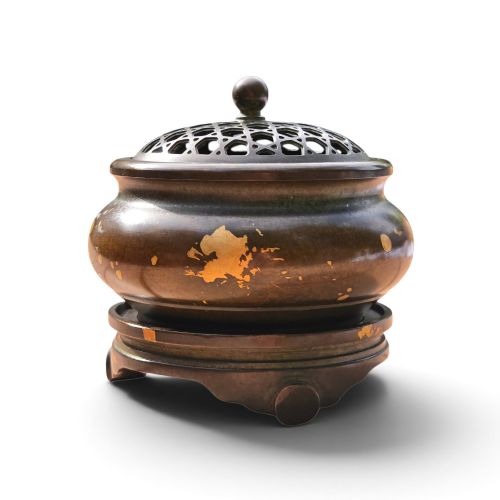
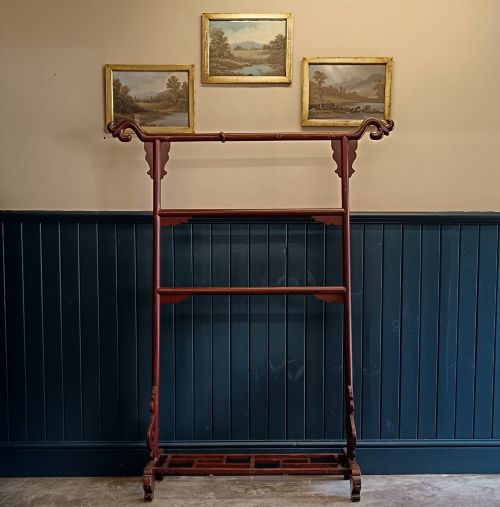
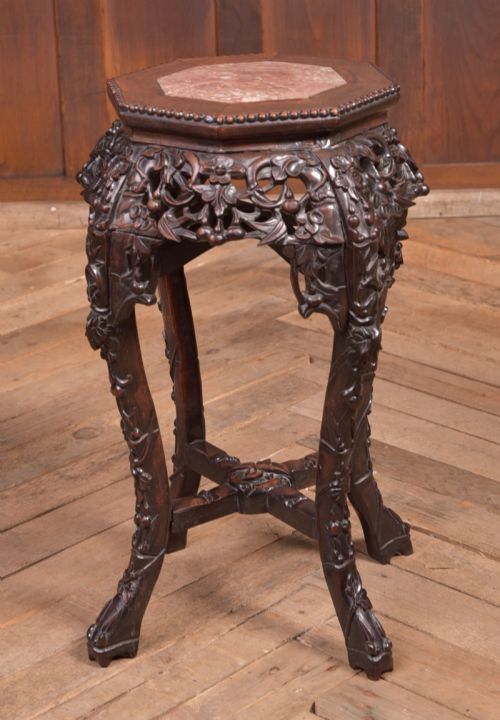
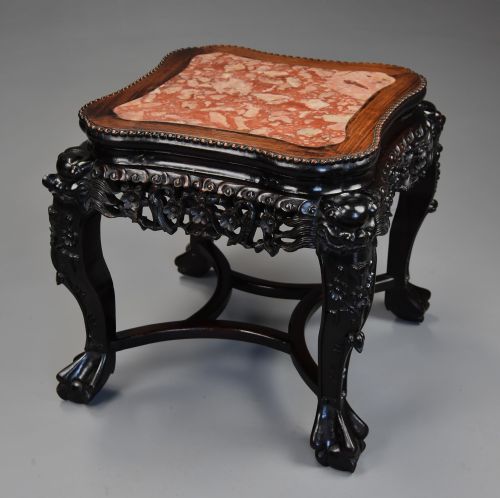
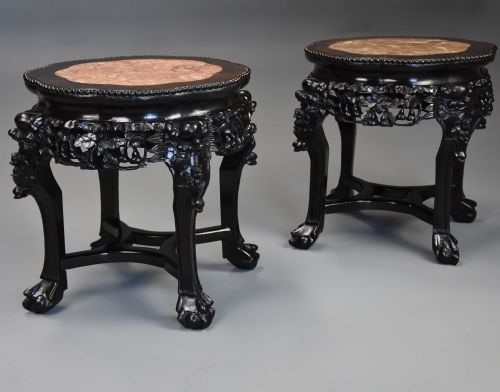


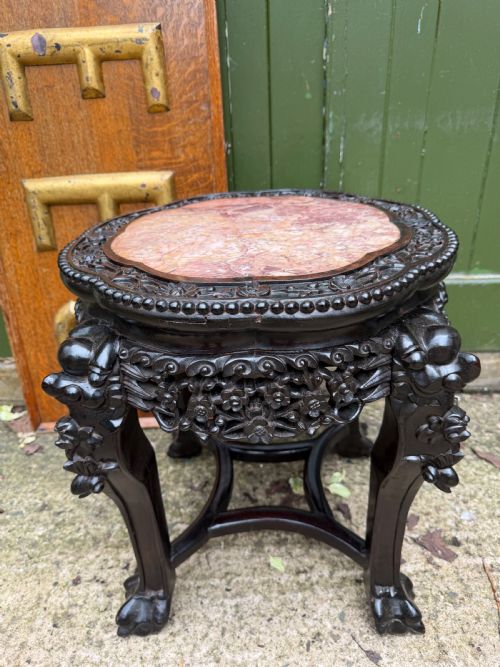
19th Century Chinese Stand
These pieces, found in the 19th century Chinese stand search, offer sturdy support for plants and vessels while bringing traditional carving into a room.

Forms and Origins
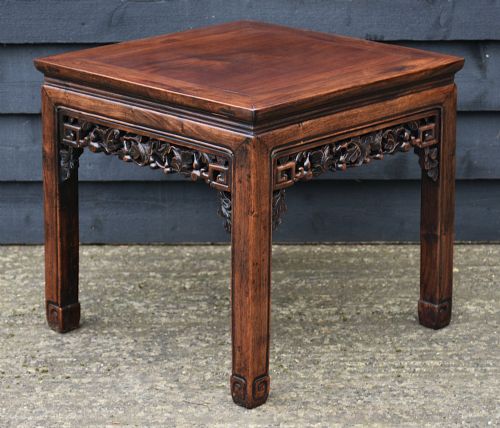
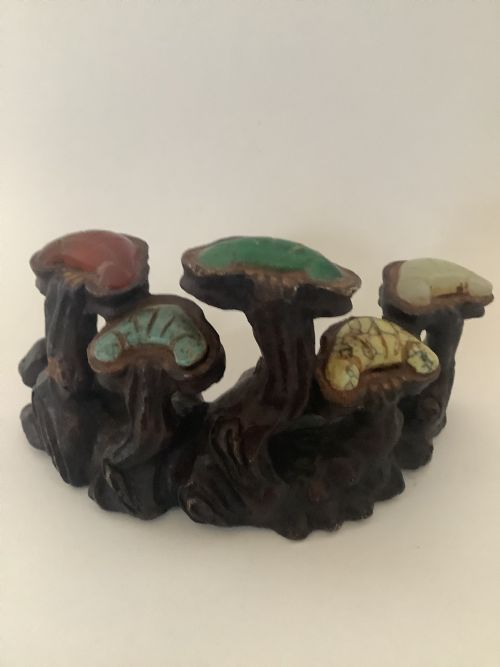
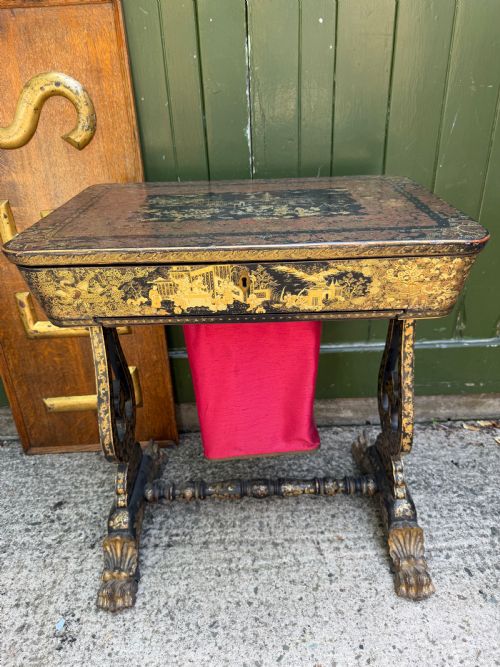
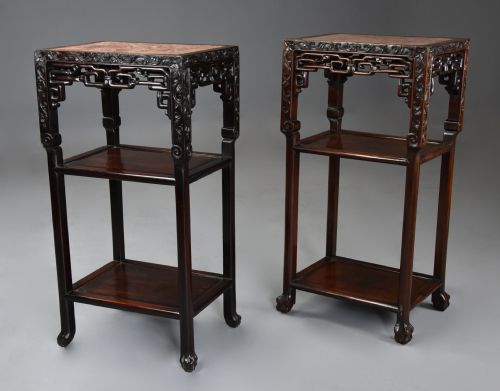
A 19th century Chinese stand typically takes the form of a plant stand, jardiniere stand, vase stand, or low side table. These items originate from the Qing Dynasty and Chinese Export periods.
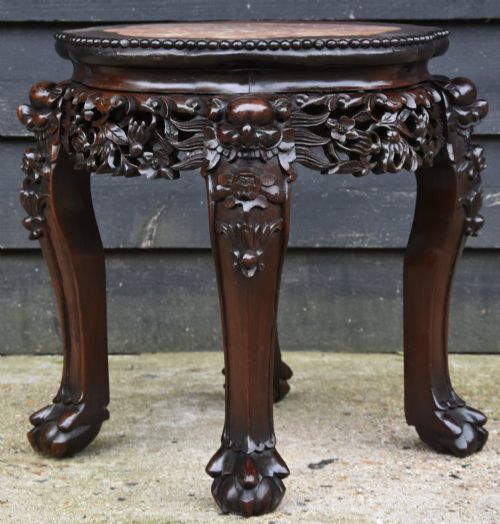
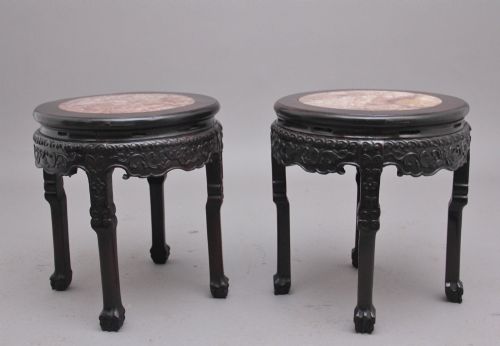
Buyers most frequently encounter carved hardwood structures, often incorporating inset marble or rouge marble tops. Circular pot stands and tall pedestal forms dominate the available selection.
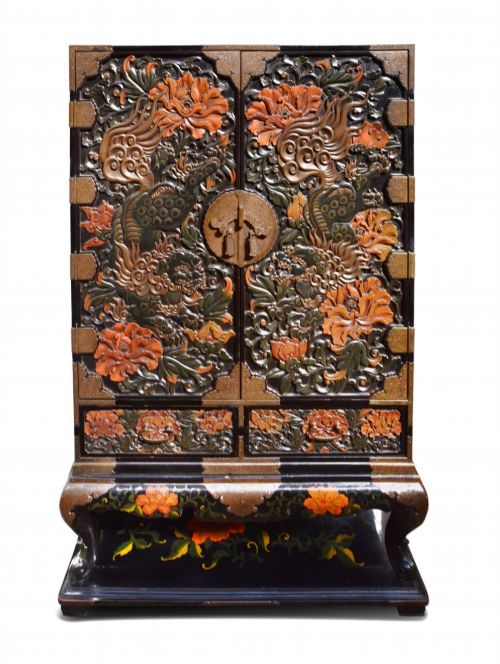
Alternative configurations include umbrella stands, hexagonal shapes, and tables built for specific display purposes. The structural layouts reflect traditional woodworking conventions from late imperial workshops.

Materials and Construction
Carpenters utilised dense timbers such as hardwood, rosewood, and ebonised hardwood to construct the frames. These woods provide the structural strength needed to support heavy stone inserts and large ceramic vessels.
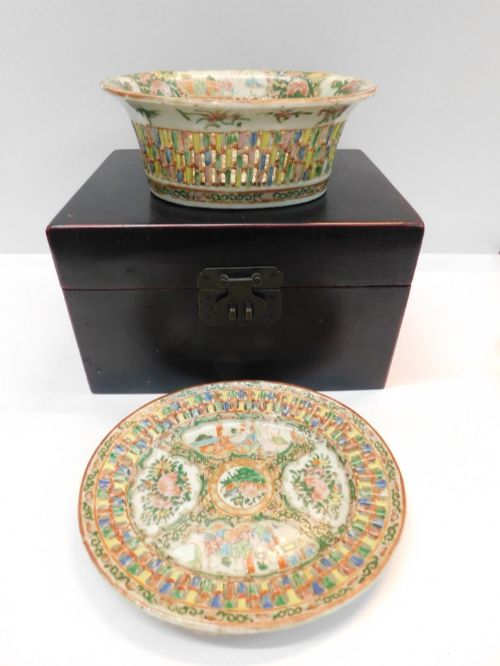
Carved ornamentation decorates skirts, legs, and aprons using traditional hand tools. Inset panels of marble, alabaster, or Canton porcelain are fitted directly into the wooden framework.
Additional surface treatments and materials include enamel, gilt, bronze, brass, copper, and silver plating on related display pieces and vessel supports.
Retail Price Guide 2026
Typical UK retail prices for 19th century chinese stand, calculated from the Sellingantiques database of over a million retail prices indexed since 2003. This retail price guide relies exclusively on Sellingantiques data; no external sources or auction records are used, so the figures do not describe the wider market.
Listings feature 19th century items made from rosewood, ebonised hardwood, marble, and Canton porcelain.
The Measure of Craft
Depth and precision of the hand carving separate standard examples from finer works. Crisp undercut details in the wood indicate skilled labour during manufacture.
The choice of materials dictates the standing of a piece, particularly the grain of the rosewood and the natural figuring of the inset marble top. Uniformity in the ebonised finishes and the tightness of the joinery complete the evaluation.

The 19th Century Chinese Stand Glossary
- Jardiniere
- A decorative ceramic or metal pot designed to hold plants. These vessels sit atop the stands recorded in the inventory.
- Rose Medallion
- A style of Canton porcelain featuring compartmentalised enamel panels of figures, birds, and flowers. This palette appears on specific umbrella stands.
- Ebonised
- Wood treated to resemble ebony through staining or finishing. Several late 19th century tables utilise this dark finish.
- Rouge marble
- A deep reddish limestone with white or grey veining. This stone frequently forms the inset top of Qing Dynasty carved stands.
- Qing Dynasty
- The last imperial dynasty of China, ruling from sixteen forty-four to nineteen twelve. Pieces from this period show traditional dynastic motifs.
Frequently Asked Questions
What were 19th century Chinese stands used for?
These pieces served as elevated platforms for heavy ceramic jardiniere pots, decorative vases, and large fish bowls. They kept delicate vessels off the floor while displaying plants within domestic interiors.
In modern rooms, they function effectively as independent side tables, bedside surfaces, or plant pedestals. Their compact footprints allow them to fit into corners and narrow spaces.
How do I identify a Qing Dynasty stand?
Look for dense tropical hardwoods like rosewood combined with deep, pierced relief carving depicting floral or zoomorphic motifs. The presence of inset marble or Canton porcelain panels points directly to this era.
Construction methods also help determine origin, as traditional joinery without modern metal fasteners is standard for these items. Comparing the timber weight and patination against documented examples clarifies the period.
How do I care for a marble top stand?
Dust the hardwood frame regularly with a dry cloth and avoid commercial silicone sprays that damage the polished finish. Natural wax applied sparingly preserves the timber grain.
Protect the inset marble from acidic liquids and moisture rings by using coasters or protective pads under pots and vases. Clean the stone surface gently with a damp cloth and mild soap.
Can these stands support heavy ceramic pots?
The dense hardwood frames and solid marble inserts provide substantial weight-bearing capacity for large plants and ceramic vessels. They were engineered specifically to hold heavy stoneware.
Checking the stability of the joinery and legs ensures the structure remains balanced under load. Placing the stand on an even floor prevents any wobble.