










Oriental Plant Stand
These oriental plant stand pieces bring dense timber, marble tops, and intricate carving into a room, offering elevated display surfaces for heavy pots and decorative urns.

Oriental Plant Stand
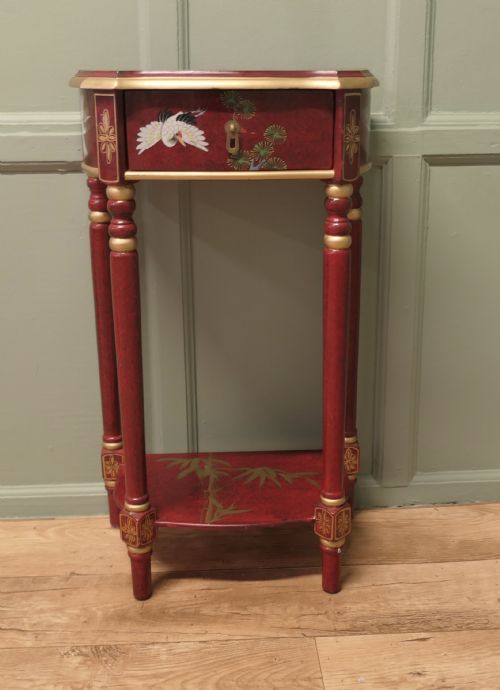
An oriental plant stand functions primarily as a raised display platform for heavy ceramic pots, jardinières, and urns within a Victorian or Edwardian interior. These items emerge in forms such as low tables, tall pedestal stands, barrel stools, and torchères originating from Chinese workshops, Anglo-Indian makers, and Japanese studios.
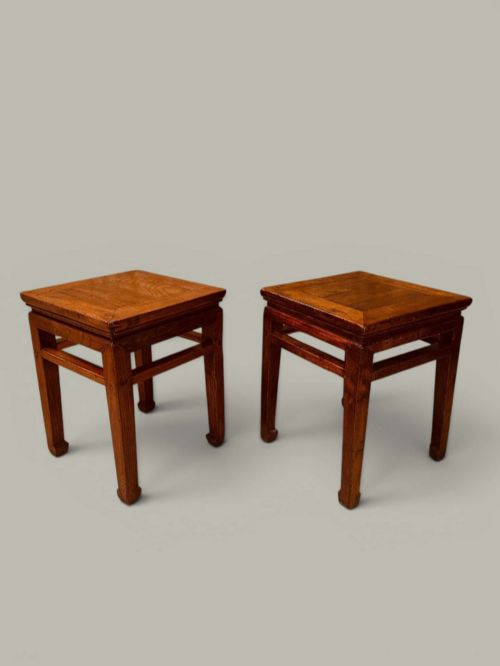
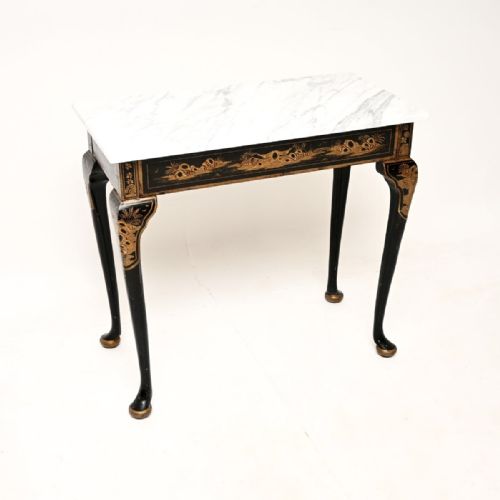
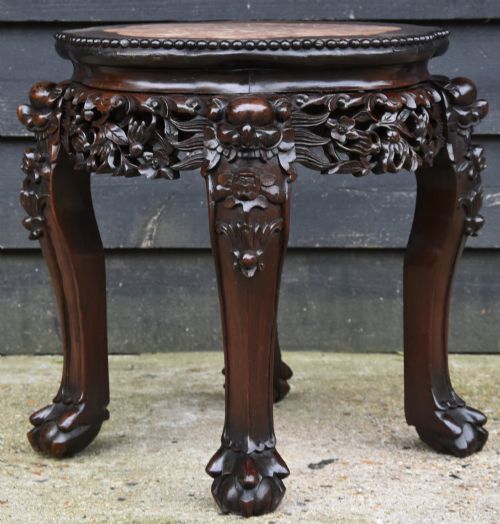
The version most commonly encountered on this page is a carved hardwood stand dating from the late nineteenth century, frequently fitted with an inset marble top to handle damp earth and moisture safely. Many examples appear in matched pairs or small nests of graduated tables, reflecting traditional Asian furniture designs adapted for Western drawing rooms.
Beyond holding plants, these objects serve as occasional tables, side tables, and vase stands in varied geometric shapes including circular, octagonal, and square forms. The visual vocabulary draws heavily on Qing Dynasty motifs, Chinoiserie interpretations, and the later influence of the aesthetic movement.
How they were made
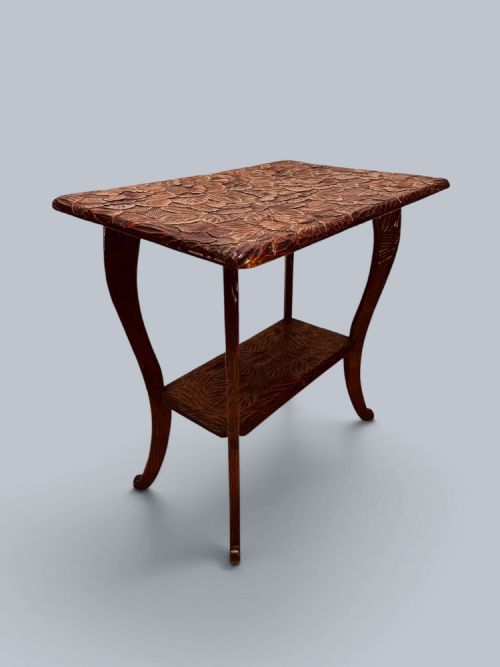
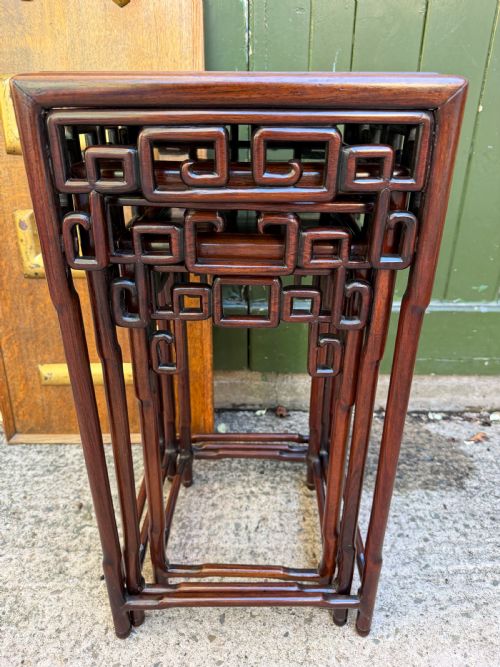
Makers construct these stands using dense imported timbers such as rosewood, padouk, huanghuali, and ebonised hardwoods, joined carefully to support heavy weights without warping. Carvers work directly into the solid wood to produce deep relief panels, pierced aprons, and cabriole legs terminating in claw feet.
Inset surfaces frequently utilise shaped marble, burr wood, or glazed porcelain plaques dropped precisely into rebated timber frames. Decoration incorporates bone and mother of pearl inlay, hand-applied lacquer, and cloisonné enamel panels secured within the wooden structure.
Oriental Plant Stand Retail Price Guide 2026
Typical asking prices for oriental plant stand among the pieces listed under this phrase on Sellingantiques today, from the lower quarter to the upper quarter. They describe what is for sale here now, not the wider market.
Several stands double as sculptural elephants, letting carved wooden pachyderms carry plant pots upon their backs.
What varies in quality
Quality rests upon the crispness and depth of the hand carving, where superior examples display undercut foliage and expressive figures rather than shallow, mechanical scoring. The choice of timber dictates the baseline standard, with dense hardwoods like rosewood and huanghuali holding finer details and taking a superior polish than softer utility woods.
Construction methods reveal the maker's hand through tight joinery, substantial weight, and the thickness of the marble insert fitted into the top. Pieces that retain their original matched sets, unblemished lacquer, and intact bone or mother of pearl inlay command greater consideration among collectors.
Liberty & Co·Liberty of London·Gabriel Viardot
The Oriental Plant Stand Glossary
- Jardiniere stand
- A low or tall table designed specifically to hold a ceramic flower pot or plant container. These often feature waterproof marble or tile inserts to protect the wood from water damage.
- Torchiere
- A tall stand or pedestal originally intended to support a lamp or torch, adapted in the nineteenth century to display tall floral arrangements or statues.
- Hongmu
- A generic Chinese term applied to dense, dark hardwoods used for fine furniture and scholar's objects. This category includes timbers like rosewood and padouk.
- Cloisonne
- A decorative metalwork technique where enamel paste is applied within compartments created by soldered wires. These panels appear inset into the surfaces of select side tables and stands.
- Chinoiserie
- European artistic styles reflecting Chinese motifs and decorative techniques, popular across Victorian and Edwardian furnishing schemes.
Oriental Plant Stand: Frequently Asked Questions
What is an oriental plant stand used for?
These pieces function as elevated display platforms designed to hold heavy ceramic plant pots, jardinières, and decorative urns safely off the floor. They also serve smaller domestic roles as side tables, occasional tables, or lamp stands in period interiors.
The raised design protects household flooring from moisture and soil while lifting trailing foliage into natural light. Victorian and Edwardian decorators utilised them extensively to bring botanical displays into drawing rooms and conservatories.
How do I tell a nineteenth century stand from a later copy?
Nineteenth-century examples display dense, heavy timbers like rosewood, padouk, or huanghuali joined with traditional hand-cut joinery methods. The carving shows depth and variation from hand tools, and the marble inserts sit flush with heavy rebate edges.
Later reproductions often utilise lighter secondary woods with machine-cut components and superficial surface staining. Examining the underside and the joints reveals the age of the timber and the methods of the workshop that built it.
Why do many stands have marble tops?
Marble provides a durable, waterproof surface that withstands damp soil, water overflow, and heavy ceramic bases without staining or rotting the timber. This practical addition allowed gardeners to water potted plants directly on the stand.
The cool stone surface also contrasts visually with the dark, carved hardwoods of the frame, adding a decorative element that defines Qing Dynasty and Victorian export aesthetics.
Where were these stands made?
Many pieces originate from Chinese workshops producing items specifically for export to Western markets during the late nineteenth century. Others emerge from Anglo-Indian workshops or Japanese studios influenced by the nineteenth-century taste for exotic furnishings.
British firms such as Liberty of London also retailed and designed items in this aesthetic, commissioning pieces from both British and overseas makers to satisfy domestic demand.