


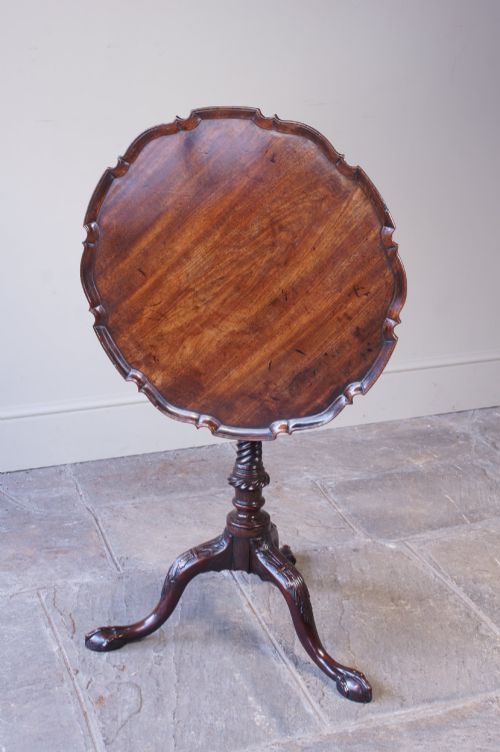
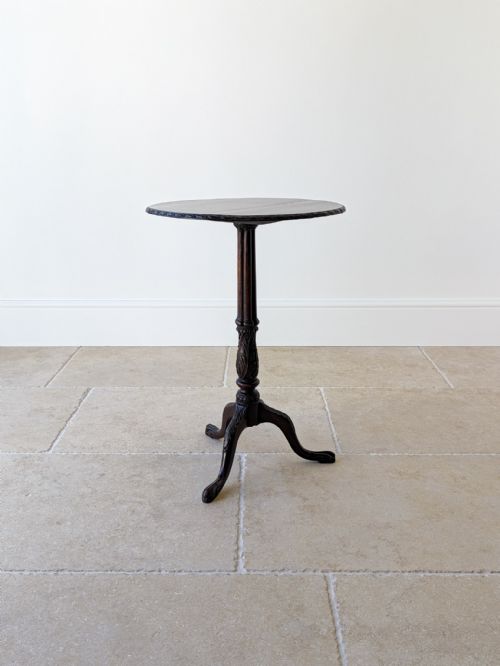
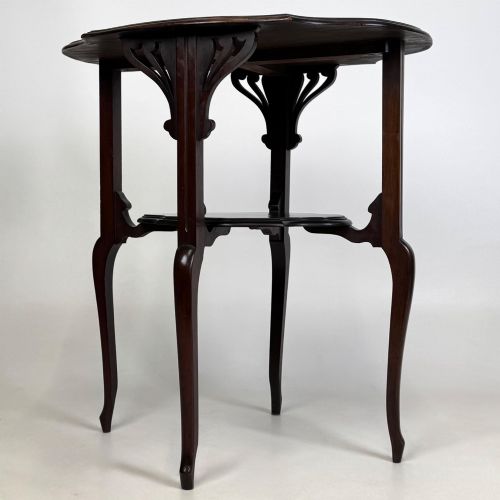
Carved Cabriole Leg Stand
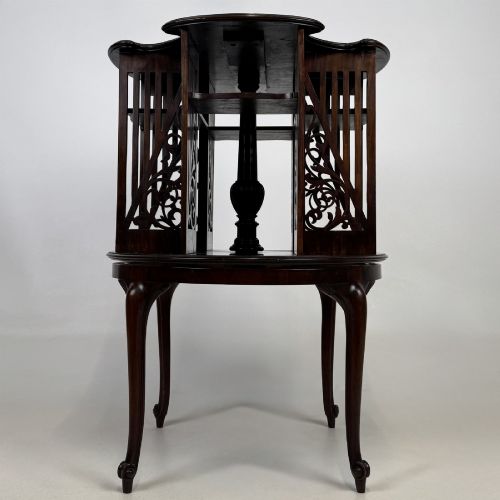
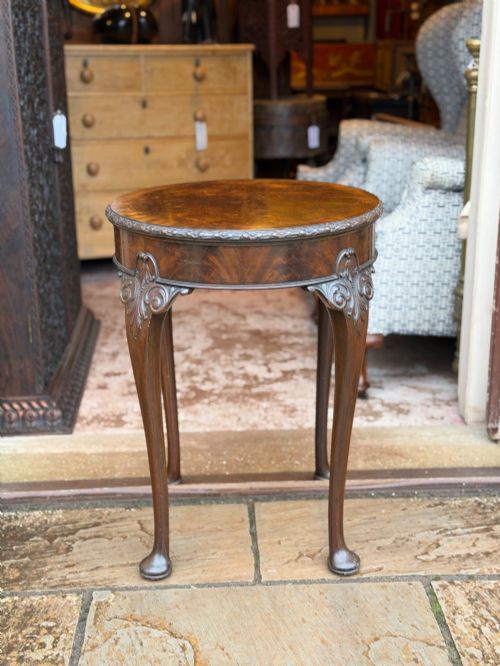
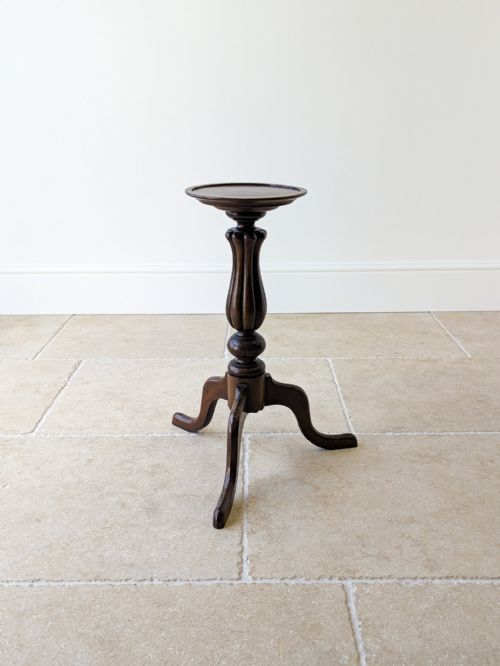
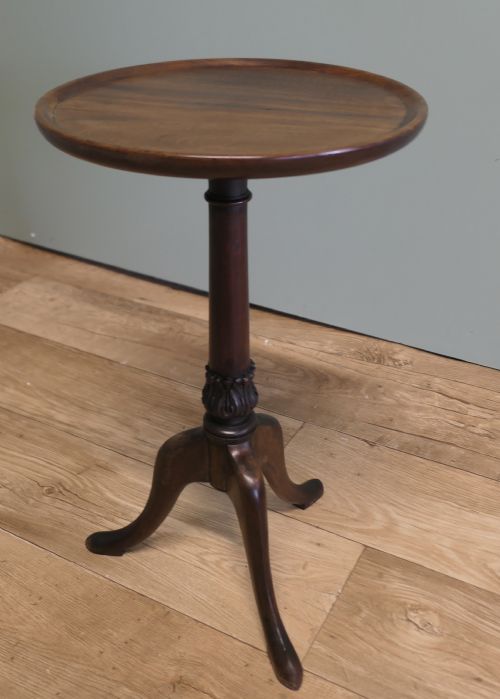
A carved cabriole leg stand delivers practical surface space united with distinctive curved supports that define traditional furniture design.
How they were made
Cabinet makers utilised dense timbers such as mahogany, oak, and walnut, frequently selecting burr walnut veneers for decorative surfaces. Turning and hand-carving shaped the distinctive cabriole legs and tripod bases seen across the periods.
Joinery techniques combined traditional framing with detailed mouldings and occasional inlay work. Materials like marble and brass were integrated into tabletops and hardware to provide functional contrast.
What varies in quality
The distinction between tiers rests upon the crispness of the timber carving and the selection of grain figures in veneers such as burr walnut. Finer items exhibit balanced proportions and integrated decorative elements that respect historical styles.
Execution of the cabriole leg shape demonstrates the maker's skill, where smooth transitions and balanced curves separate superior examples from simpler production.
Carved Cabriole Leg Stand Retail Price Guide 2026
Typical asking prices for carved cabriole leg stand among the pieces listed under this phrase on Sellingantiques today, from the lower quarter to the upper quarter. They describe what is for sale here now, not the wider market.
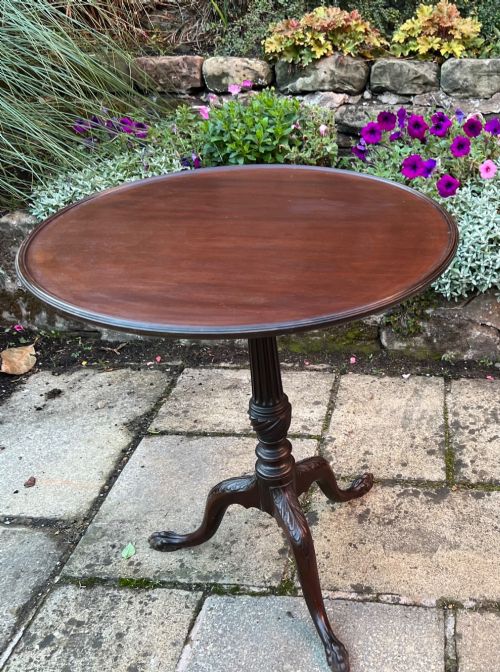
Some tripod tables feature detachable tops, designed for easy storage when the tea service ended.
Maple & Co.·Shapland and Petter·Waring & Gillow
The Carved Cabriole Leg Stand Glossary
- Cabriole leg
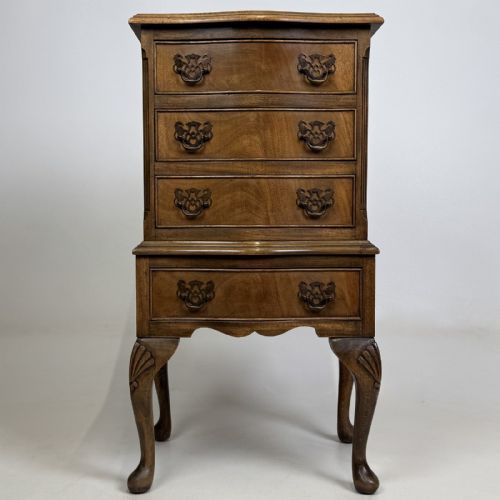
- A furniture support curving outward at the knee and inward at the ankle, ending in a pad, claw, or hoof foot. This form derives from animal legs and became a defining feature of eighteenth-century design.
- Tripod table
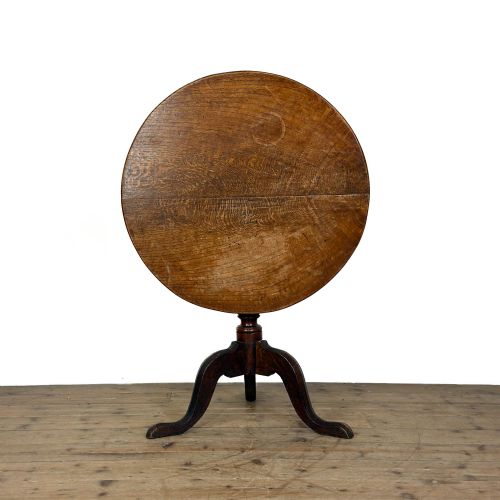
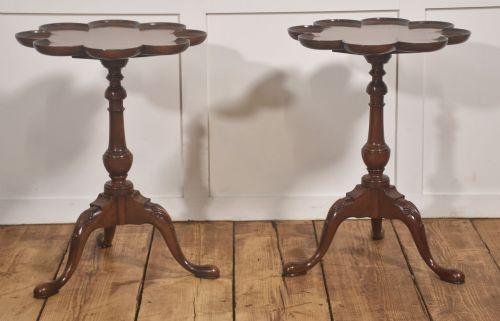
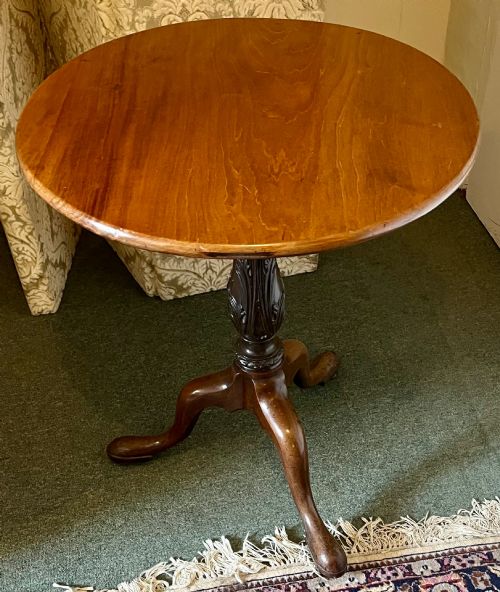
- A small occasional table supported by a central pillar and three carved legs. These pieces gained popularity during the Georgian period for serving tea or holding small objects.
- Chest on stand
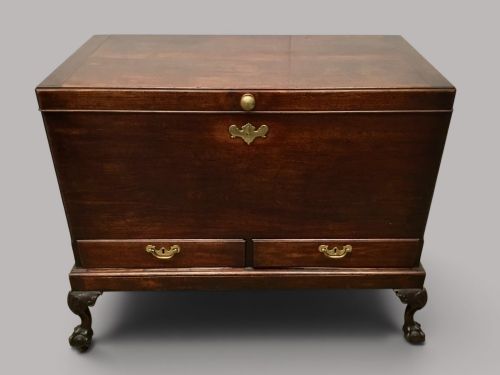
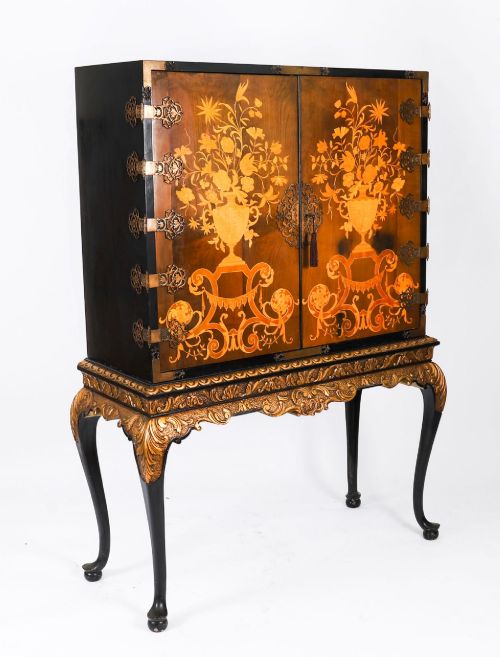
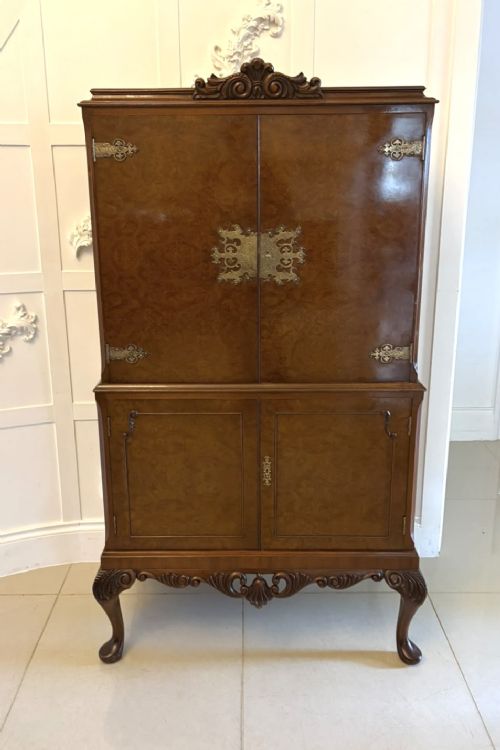
- A storage chest elevated on a separate or integrated frame with legs. This configuration lifts the main body off the floor to create a lighter visual appearance.
- Pie crust rim
- A raised, decoratively carved tabletop edge resembling pastry work. This detail appears primarily on eighteenth-century and revival tripod tables.
- Burr walnut
- A prized timber veneer obtained from tree growths containing swirling grain patterns. Cabinet makers utilised this material on prominent surfaces to create rich decorative effects.
Carved Cabriole Leg Stand: Frequently Asked Questions
What is a carved cabriole leg stand used for?
These pieces serve as occasional tables, plant holders, or display surfaces for lamps and decorative items.
Their compact forms allow them to fit easily beside seating or in corners while providing stable surface area.
How do I identify a Queen Anne style stand?
Look for characteristic elements such as cabriole legs, smooth wooden surfaces, and restrained decorative carving.
Many examples utilise walnut timber and gentle curves rather than heavy ornamentation.
What is the difference between a wine table and a plant stand?
Wine tables typically feature small circular tops supported by tripod legs designed for portable utility.
Plant stands often present taller, narrower pedestals built to support heavy ceramic or marble pots.
How should I care for a antique mahogany stand?
Keep wooden surfaces away from direct sunlight and excessive temperature changes to prevent timber splitting.
Apply natural wax polish occasionally to maintain the finish and protect the grain.