





Antique Oriental Table
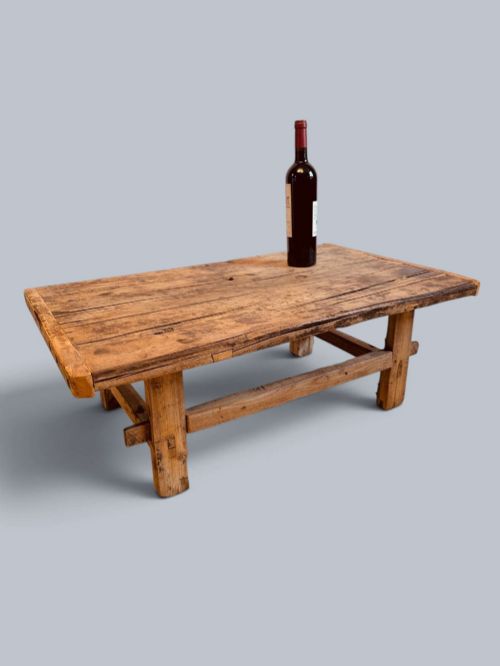
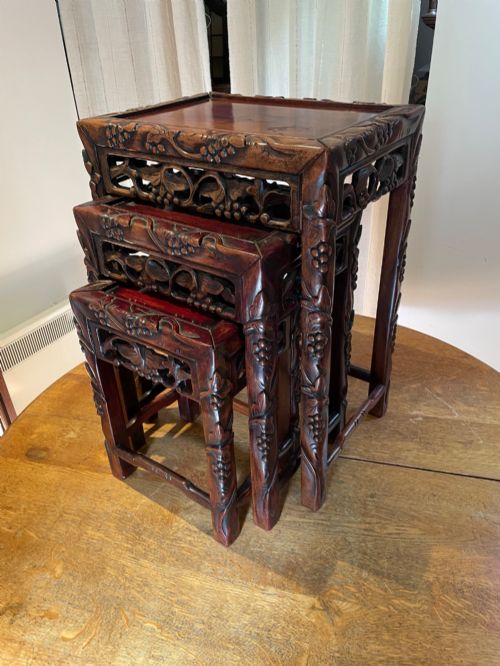
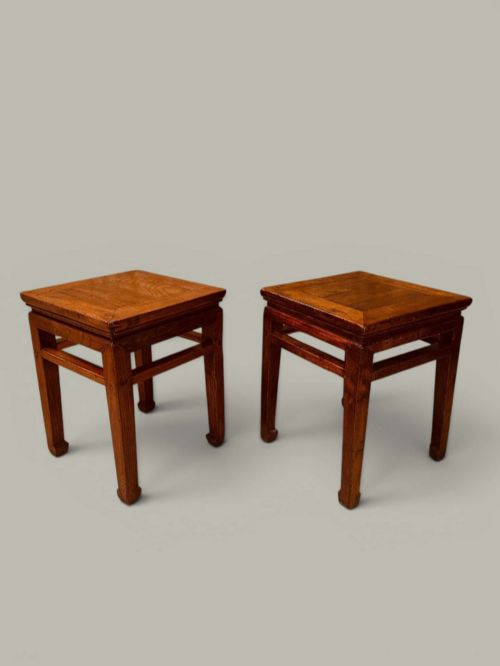
When searching for an antique oriental table, collectors encounter pieces spanning coffee tables, low tables, and nests crafted across the nineteenth and early twentieth centuries.
Antique Oriental Table
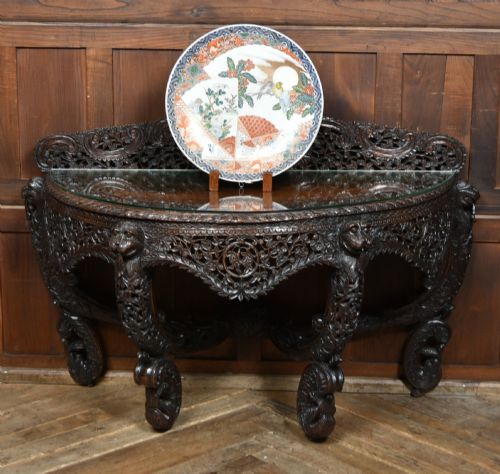
An antique oriental table encompasses forms such as low opium tables, side tables, plant stands, and nests of tables originating from Chinese, Japanese, and Indian traditions.
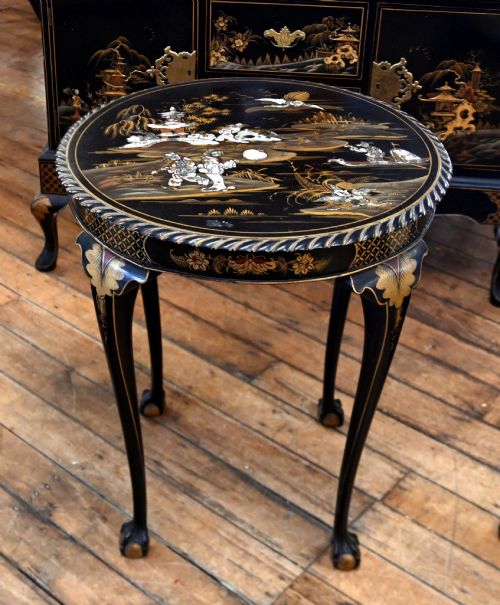
The selection frequently includes nineteenth-century rosewood low tables, bamboo occasional tables, and lacquered Chinoiserie side tables produced during the Victorian and Edwardian eras.
These items served functional roles in scholarly pursuits, display, and daily domestic life before entering the antique market as decorative accent furniture.
How They Were Made
Carpenters utilised dense hardwoods like rosewood, padouk, and elm, often constructing joints without metal fasteners to accommodate timber movement in varying climates.
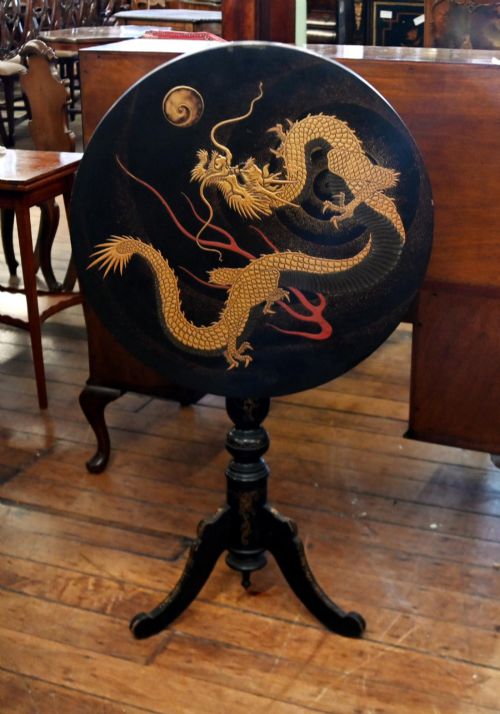
Surface decoration involved black and gilt lacquer work, hand-painting, and detailed carving depicting floral or dragon motifs.
Many items incorporate inlaid mother-of-pearl, marble top inserts, or brass detailing applied to bamboo and hardwood frames.
Antique Oriental Table Retail Price Guide 2026
Typical asking prices for oriental table among the pieces listed under this phrase on Sellingantiques today, from the lower quarter to the upper quarter. They describe what is for sale here now, not the wider market.
The listings combine nineteenth-century Chinese rosewood, Victorian bamboo, and early twentieth-century Japanese lacquer forms.
What Varies In Quality
The standard of carving and joinery separates high-workshop production from simpler utility pieces, visible in the crispness of relief work on rosewood and bamboo frames.
The integrity of surface finishes such as lacquer, gilding, and mother-of-pearl inlay dictates preservation levels, distinguishing heavily restored examples from intact originals.
The Antique Oriental Table Glossary
- Chinoiserie
- European decorative style reflecting Chinese artistic motifs. Craftsmen applied this aesthetic to lacquered cabinets, clocks, and occasional tables.
- Opium table
- Low rectangular wooden table traditionally used in East Asia for serving tea or smoking. These compact pieces frequently feature carved apron details.
- Shibayama
- Japanese craft technique involving inlay of ivory, shell, and metal onto wood lacquer bases. This meticulous method appears on decorative table screens and panels.
- Japanned
- European imitation of East Asian lacquerwork applied to furniture surfaces. Artisans built up layers of varnish and painted metallic details onto wooden bases.
- Padouk
- Heavy tropical hardwood valued for reddish coloration and durability. Cabinetmakers utilised this timber for solid coffee tables and stands.
Antique Oriental Table: Frequently Asked Questions
How do I care for a lacquered oriental table?
Keep wooden and lacquered surfaces away from direct sunlight and steady heat sources to prevent cracking. Dust gently with a dry, soft cloth and avoid chemical polishes.
Maintain stable room humidity levels to protect delicate timber joints and mother-of-pearl inlay work over time.
What is the difference between an opium table and a low table?
Opium tables typically feature low dimensions with short, often curved legs and traditional apron carvings. They originated for seating at floor level.
General low tables span various heights and broader regional designs, functioning primarily as display surfaces or plant stands.
How were nests of tables used historically?
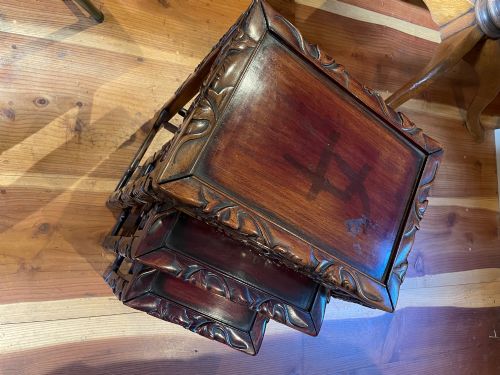
Graduated sets of tables stored compactly beneath the largest top when not in use. Servants pulled them out individually for serving tea or writing.
Victorian and Edwardian homes adopted these multi-tier nests for flexible entertaining in smaller drawing rooms.
Are bamboo tables considered sturdy?
Victorian bamboo occasional tables utilise natural cane frames secured with pinned joints and lacquered panels. They offer surprising strength for lighter domestic items.
Placement should avoid damp environments to preserve the structural integrity of the natural cane bindings.