






Carved Hardwood Tea Table
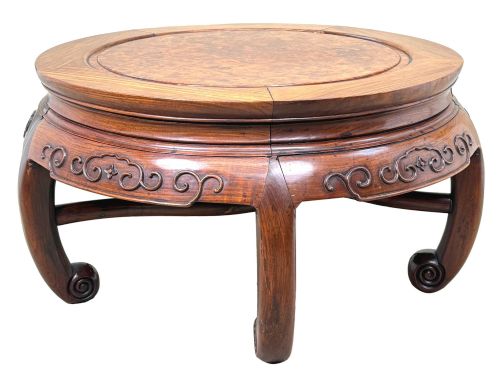
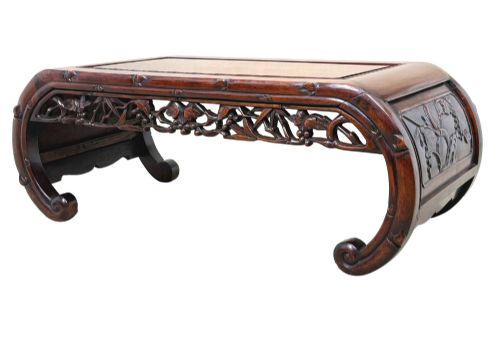
These carved hardwood tea table examples bring distinct regional carving traditions and folding forms straight into your sitting room.
Carved Hardwood Tea Table
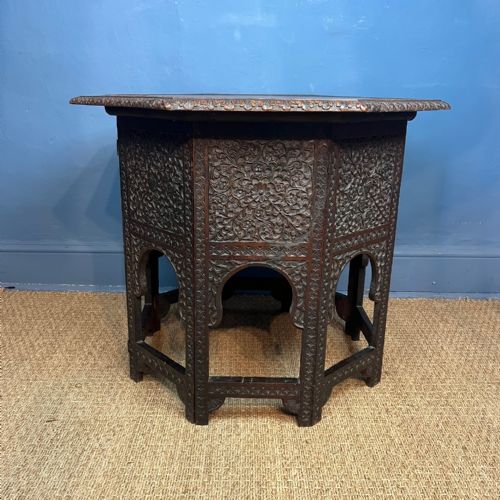
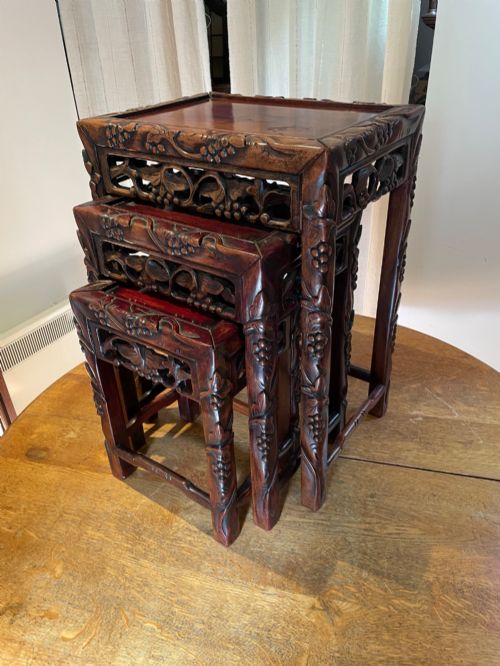
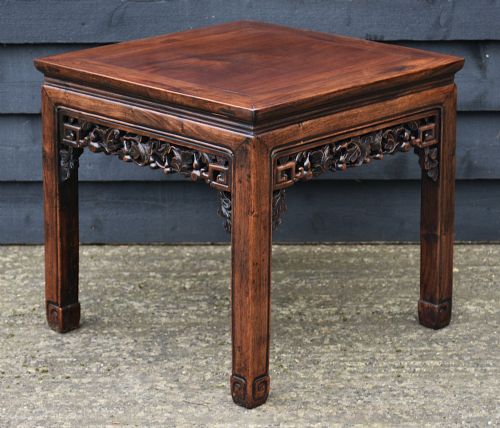
A carved hardwood tea table appears in several distinct regional formats across the nineteenth and early twentieth centuries. You will most frequently encounter Anglo-Indian folding designs alongside Chinese export occasional tables.
The functional forms span side tables, low coffee tables, and rectangular tray tables on folding bases. Their origins cross Victorian British colonial workshops and Qing Dynasty production centres.
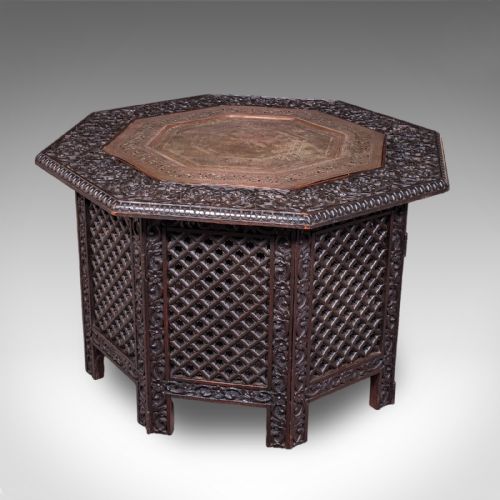
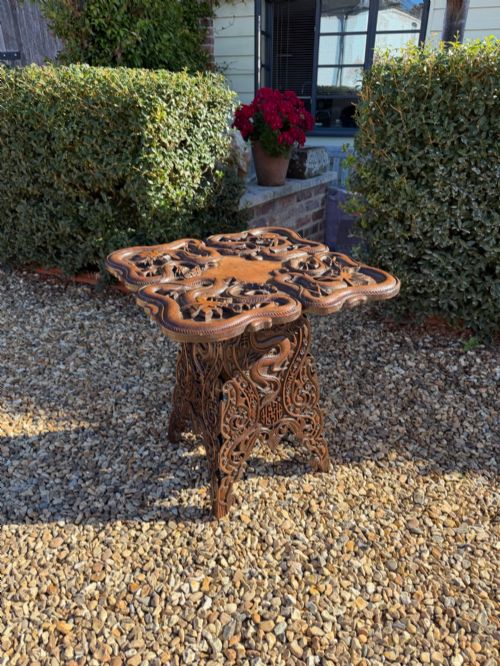
Each carved hardwood tea table serves as a versatile surface for daily use while displaying deep relief carving. The forms range from circular tops featuring animal motifs to collapsible campaign pieces.
How they were made
Artisans constructed each carved hardwood tea table using dense timber species including padauk wood, teak, rosewood, and general hardwood. These heavy timbers provided a stable foundation for intricate hand-carved decoration.
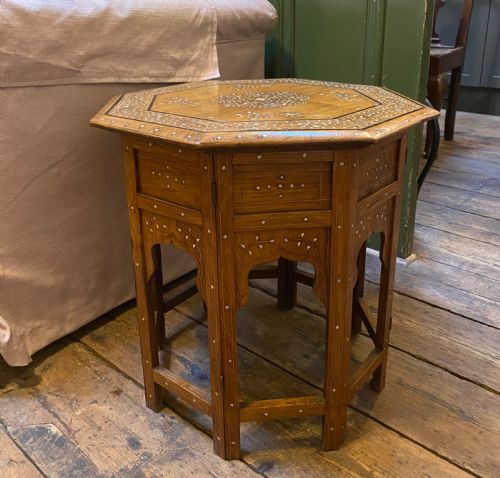
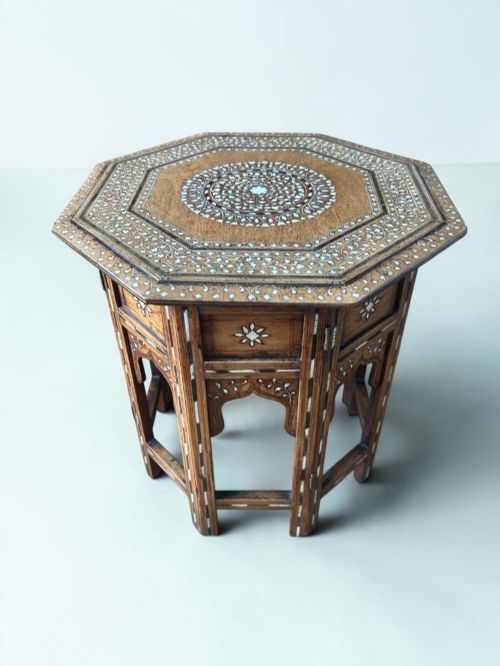
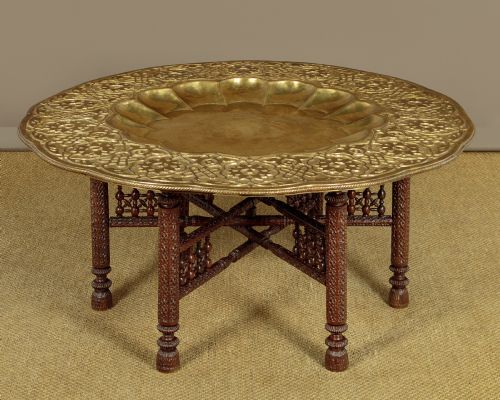
Makers integrated secondary elements of brass, copper, and bone to accent the timber structures. Many examples utilise folding wooden bases that allow the top trays to lift off for transport or storage.
Carved Hardwood Tea Table Retail Price Guide 2026
Typical asking prices for carved hardwood tea table among the pieces listed under this phrase on Sellingantiques today, from the lower quarter to the upper quarter. They describe what is for sale here now, not the wider market.
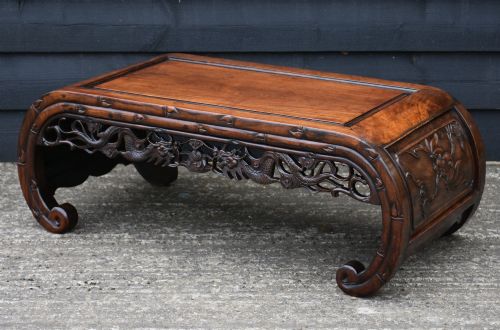
Elephants and dragons peek out from the grain of these tables, keeping a watchful eye over your afternoon cup of tea.
What varies in quality
The depth and clarity of the chisel work define the upper tier of these tables. Crisp rendering of dragons, elephants, and foliage separates superior carving from softer, shallower execution.
Timber selection and structural integrity also dictate the calibre of the piece. Dense grain woods that retain tight joints on their folding mechanisms represent the better examples.
The Carved Hardwood Tea Table Glossary
- Padauk wood
- A heavy, durable reddish-brown timber utilised for fine furniture making. It accepts deep, crisp carving exceptionally well.
- Campaign tea table
- Portable furniture designed for travel featuring folding or removable bases. These pieces pack down easily for transport.
- Anglo-Indian
- A style blending British furniture forms with traditional Indian carving motifs. This aesthetic flourished during the nineteenth century.
- Qing Dynasty
- The final imperial dynasty of China, spanning from the seventeenth to the early twentieth century. Pieces from this era often feature precise hardwood joinery.
Carved Hardwood Tea Table: Frequently Asked Questions
What is a carved hardwood tea table?
These pieces are low or occasional tables featuring heavy wooden frames adorned with hand-carved relief decoration. They originate from nineteenth and early twentieth century workshops across Asia and British colonial trade routes.
Buyers choose them for their dual utility as functional surfaces and decorative focal points. The folding bases found on many examples reflect portable campaign furniture traditions.
How do I date a carved hardwood tea table?
Dating relies on examining the timber species, joinery construction, and stylistic motifs present in the carving. Pieces often span the Victorian era up through the early twentieth century.
Comparing the specific floral or animal designs against known regional production periods helps narrow down the decade of manufacture. Hardware components like brass or copper pins also offer chronological clues.
Are the tops removable?
Many examples feature separate tray tops that lift off collapsible wooden support bases. This clever design aided transport and storage for colonial travellers.
When placed on the folding stand, the tray locks securely into position for daily use as a coffee or side table.
How do I care for a carved hardwood tea table?
Maintenance involves dusting the intricate relief carvings regularly with a soft brush to prevent dirt buildup in the recesses. Conditioning the dense timber occasionally helps preserve the natural grain.
Keeping the table away from direct heat sources prevents the hardwood from drying out or splitting over time.