




Pink Marble Top Table
A pink marble top table brings a striking surface of veined stone into a room, offering both durability and classical elegance.
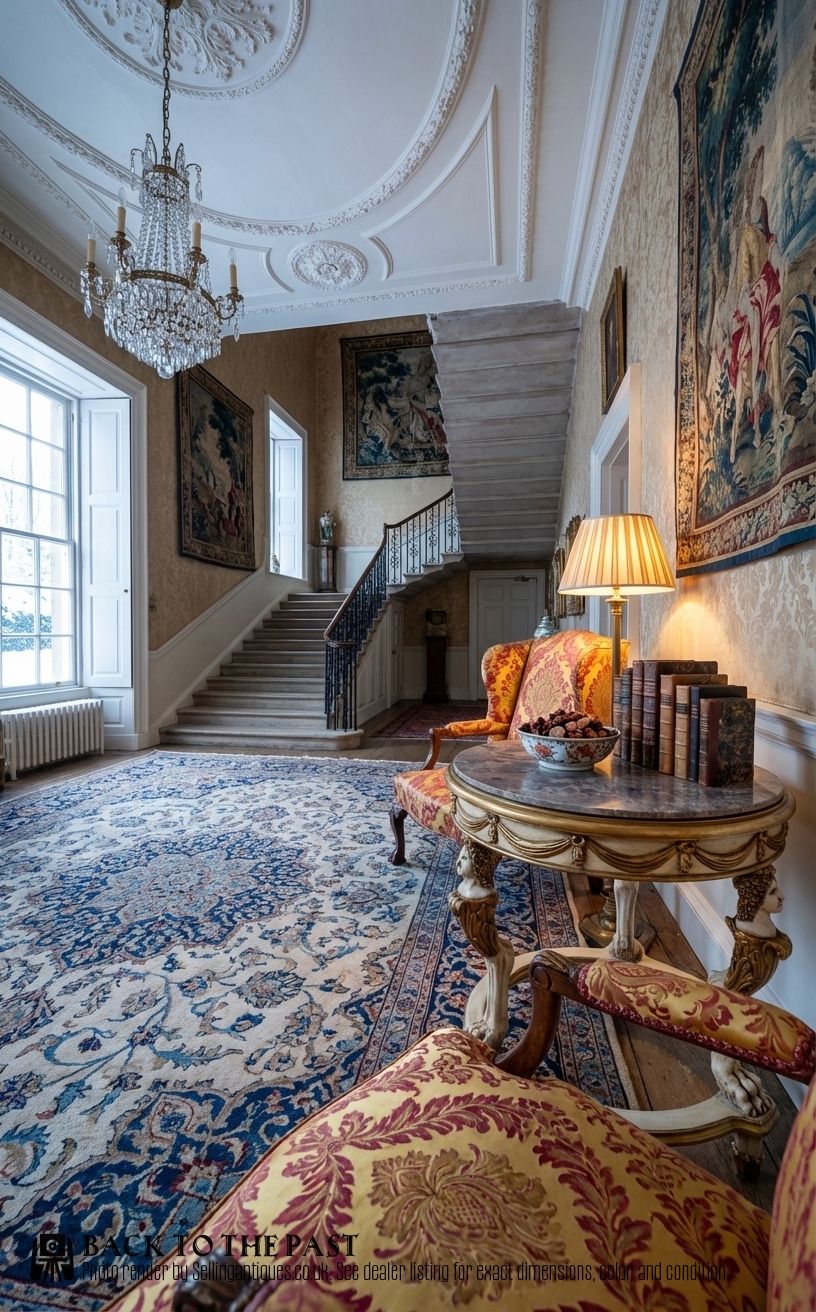
What these tables are
A pink marble top table combines a solid stone surface with a supportive wooden frame, functioning primarily as a side table, occasional table, or console. These pieces serve as practical display surfaces while introducing distinct colour and texture to an interior.
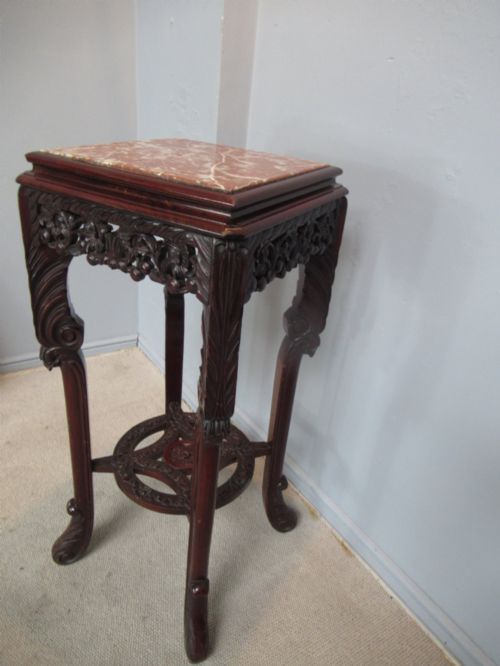
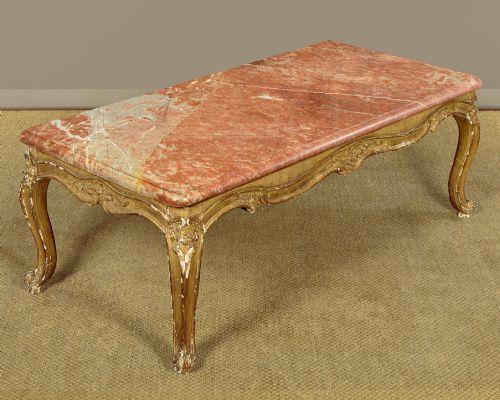
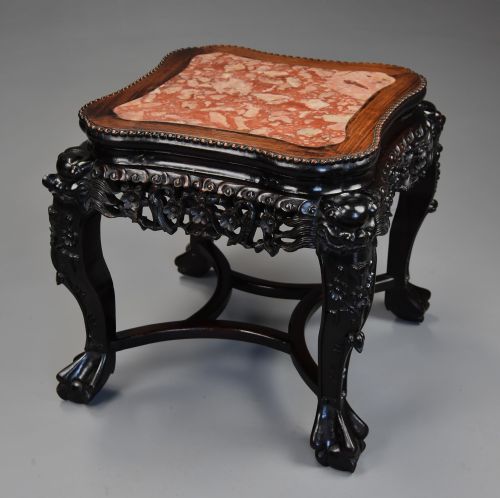
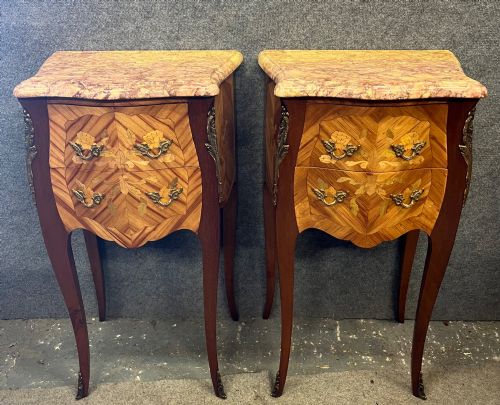
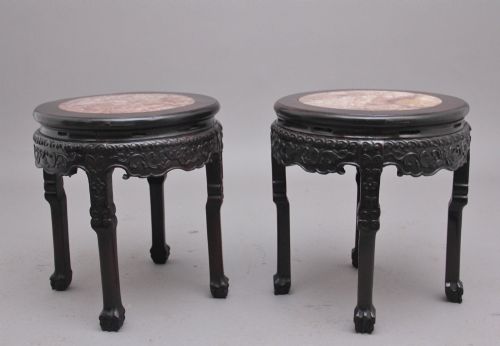
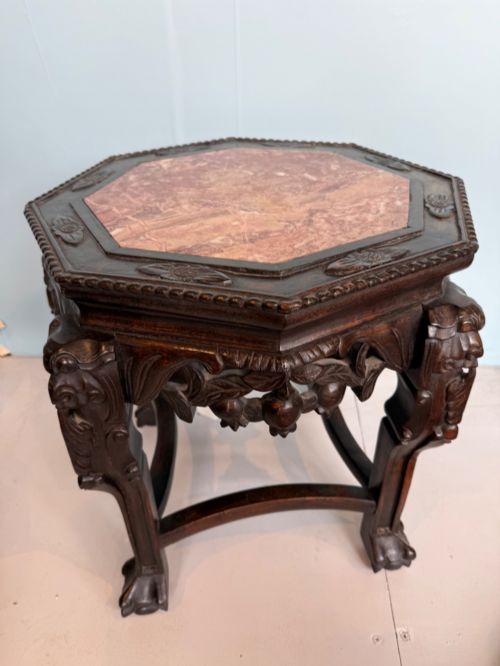
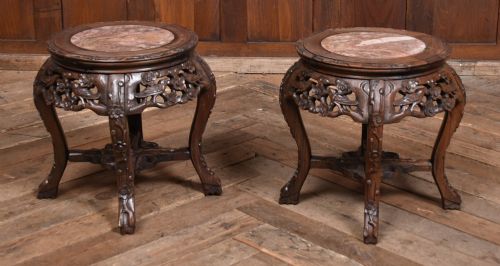
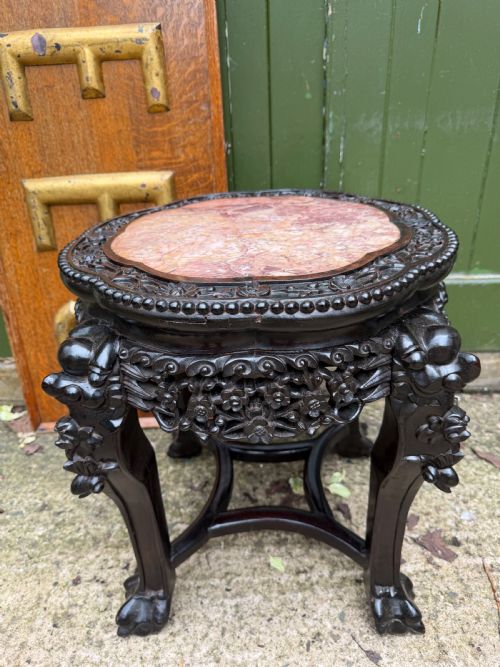
The selections available here span the nineteenth century and the early twentieth century, featuring diverse regional aesthetics such as French Rococo, Italian Neoclassical, and Chinese export styles. Buyers most frequently encounter occasional tables and side tables resting upon hardwood or painted frames.
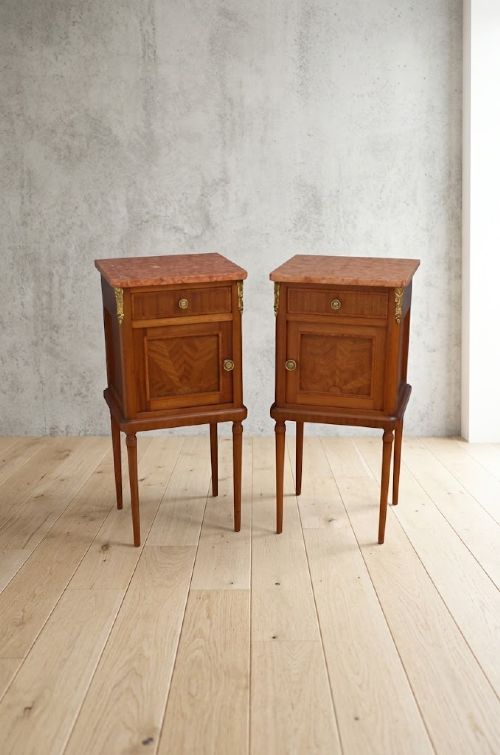
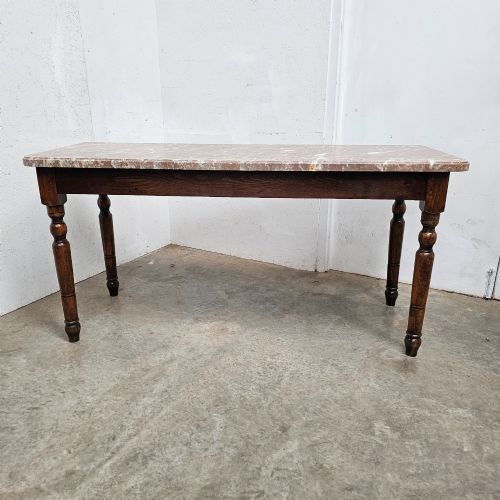
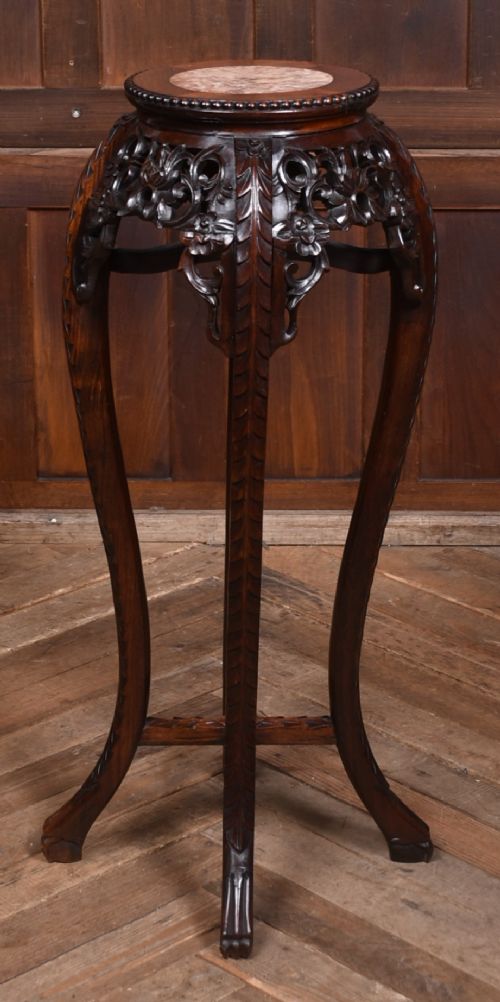
Makers utilised various forms ranging from tall side cabinets to low lamp tables and plant stands, all unified by the inclusion of polished stone. Each iteration reflects the aesthetic priorities of its period of origin, from Victorian country house interpretations to ornate continental designs.

How they were made
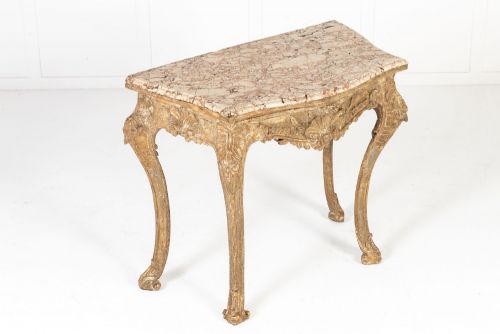
Decorative embellishments on the wooden elements incorporate gold leaf, giltwood, and gesso to accentuate carved details. These traditional techniques ensure that the frames provide adequate structural support for the heavy stone surfaces resting upon them.
Retail Price Guide 2026
Typical UK retail prices for pink marble top table, calculated from the Sellingantiques database of over a million retail prices indexed since 2003. This retail price guide relies exclusively on Sellingantiques data; no external sources or auction records are used, so the figures do not describe the wider market.
Listings incorporate nineteenth-century and early twentieth-century pieces, spanning periods from the Victorian era to around nineteen-ten.
What varies in quality
Quality reveals itself in the depth of grain within the marble and the precision of the joinery in the wooden base. Superior pieces demonstrate harmonious proportions between the heavy stone top and the supporting legs, whether carved from solid hardwood or finished with parcel gilding.
The refinement of the decorative detailing, from hand-carved gesso to carefully applied gold leaf, distinguishes the finer examples from simpler vernacular pieces. The integration of the stone within the frame further indicates the level of craftsmanship invested in the construction.
The Pink Marble Top Table Glossary
- Console table
- A table designed to stand against a wall, frequently supported by wall brackets or ornate legs. These pieces often feature decorative stone tops and serve as prominent display surfaces in hallways or reception rooms.
- Gueridon
- A small circular table on a single pillar or central support, originating in seventeenth-century France. They are commonly utilised as occasional tables for lamps or decorative objects.
- Gesso
- A plaster-based mixture applied to wood surfaces to prepare them for painting or gilding. This technique allows craftsmen to carve intricate relief details onto the frame before applying gold leaf.
- Ebonised wood
- Timber treated with a chemical stain or finish to imitate the appearance of expensive ebony. This process was particularly popular in nineteenth-century furniture production for creating stark, dark contrasts.
Frequently Asked Questions
Where should I place a pink marble top table?
These tables find natural placement in living rooms as lamp tables or in hallways as console surfaces where their stone tops can withstand daily use. Their decorative presence also suits bedrooms and garden rooms as occasional display stands.
Because the stone provides a cool, hard-wearing surface, they handle objects like planters and ceramics particularly well. Positioning them away from heavy foot traffic protects both the wooden frames and the polished edges of the marble.
How do I care for the marble top?
Routine maintenance requires only a soft, damp cloth to remove dust and debris from the polished stone surface. Avoid acidic cleaners or abrasive pads that can etch or dull the natural finish of the pink marble.
Using coasters and mats prevents moisture rings and scratches from cups or decorative items. Gentle cleaning preserves the historical polish and natural colour variations of the stone over time.
How do I identify a nineteenth-century piece?
Examination of the timber construction, joinery methods, and wear patterns helps indicate nineteenth-century origins. Hand-cut fixings and traditional finishes like gesso and gold leaf are typical of pieces from this era.
Stylistic markers such as French Rococo curves or Victorian proportions align the manufacturing techniques with documented periods. Comparing the piece against known regional styles, such as Chinese export work or Italian neoclassical designs, provides further context.
Are these tables heavy to move?
The inclusion of solid marble slabs makes these tables significantly heavier than all-wood furniture of a comparable size. The weight of the stone provides natural stability but requires caution during relocation.
When moving the table, it is best to lift the piece by the wooden frame rather than attempting to grip or pull the marble top. Separating the stone top from the base, where loose construction permits, makes transport safer.