

French Marble Top Cabinet
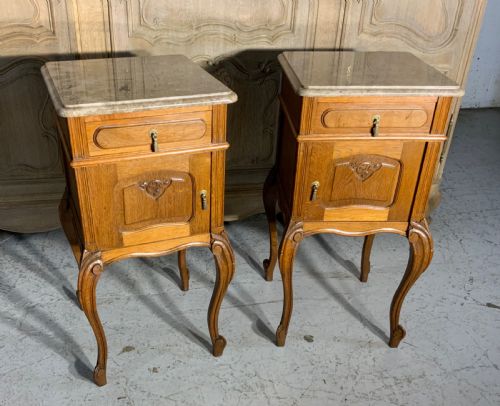
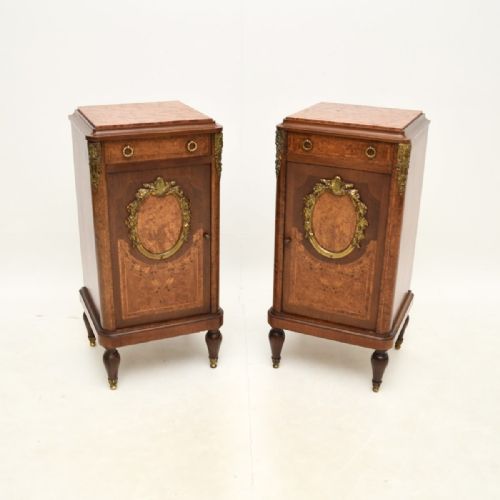
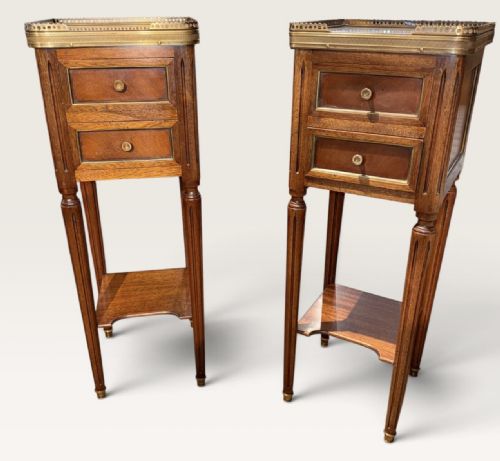
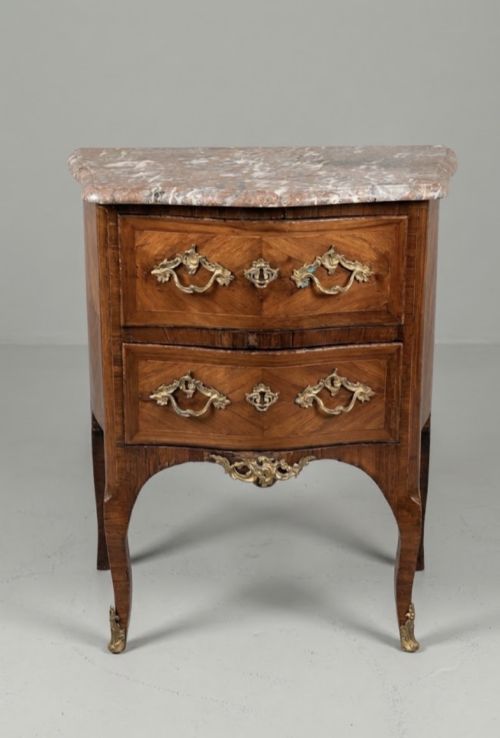
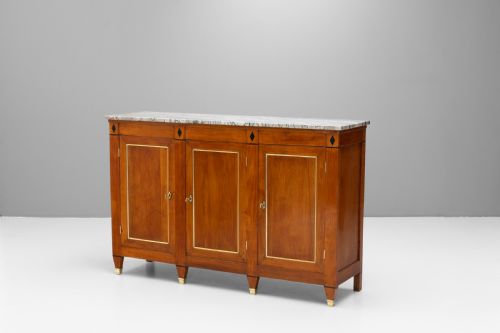
When choosing a french marble top cabinet, you select from a rich variety of commodes, bedside tables and vitrines defined by stone and timber.
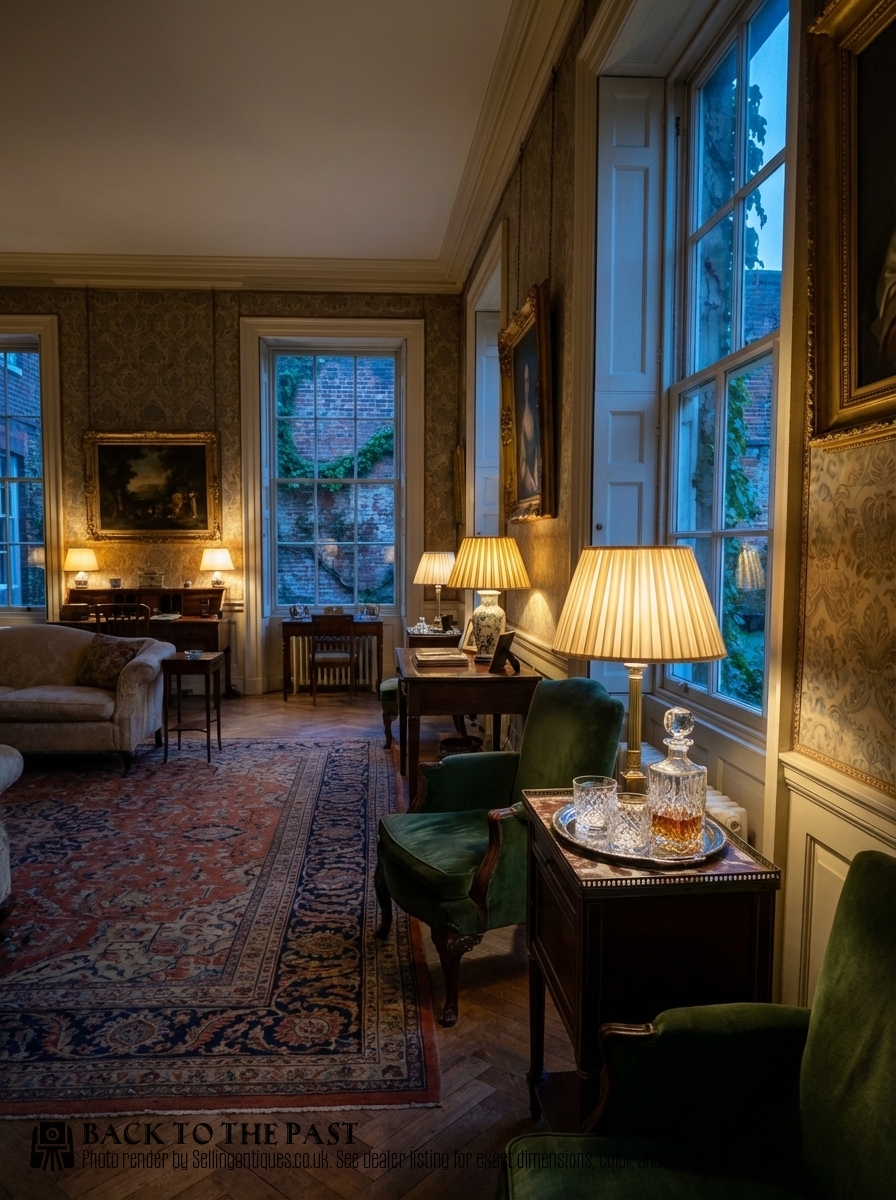
French Marble Top Cabinet
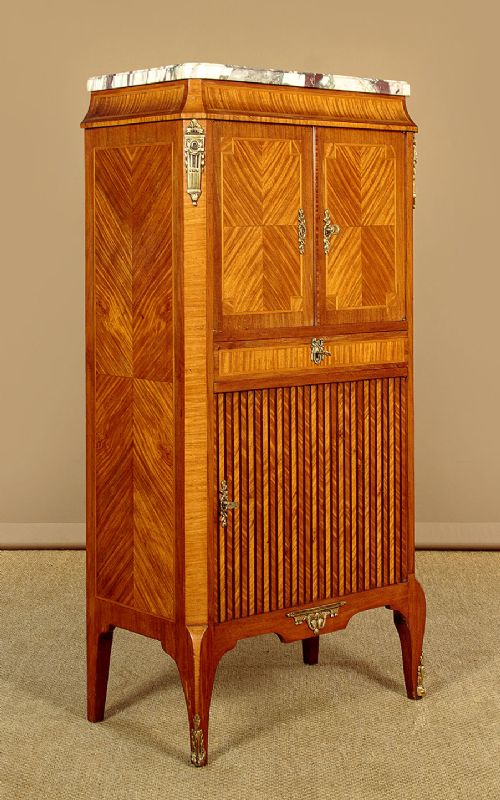
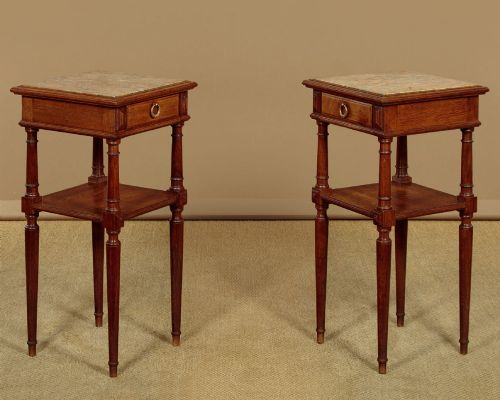
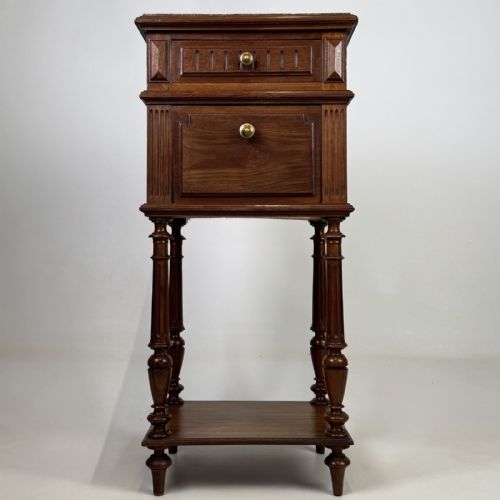
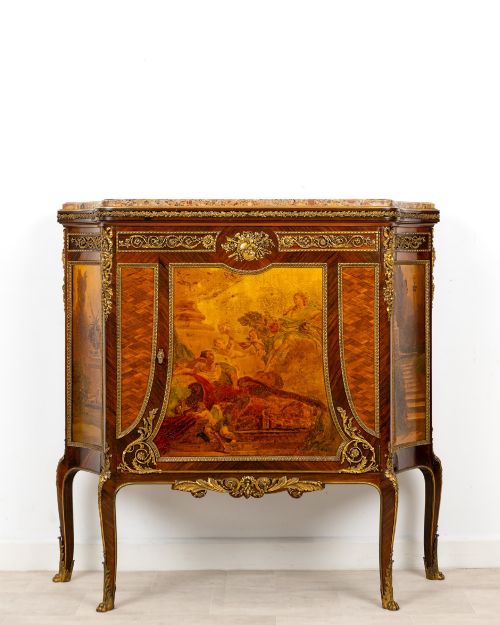
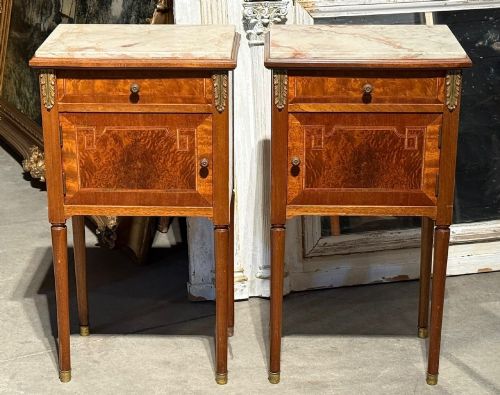
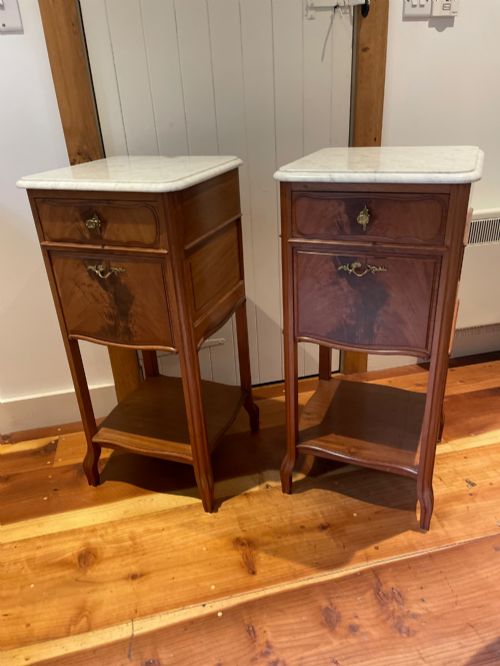
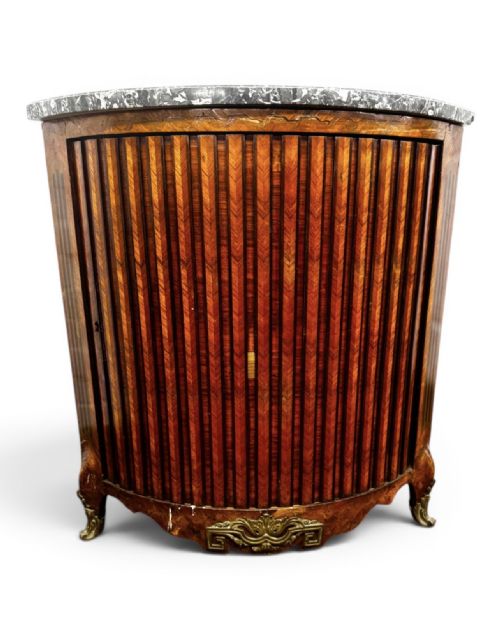
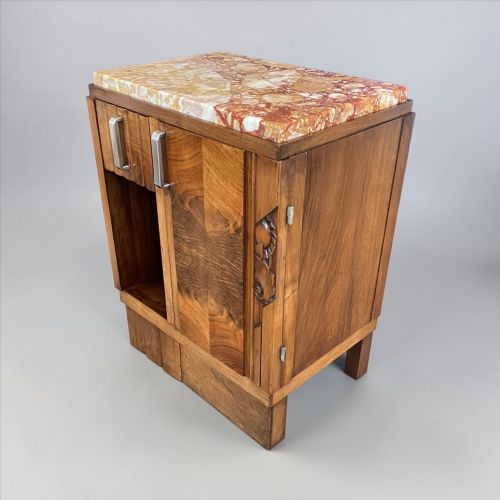
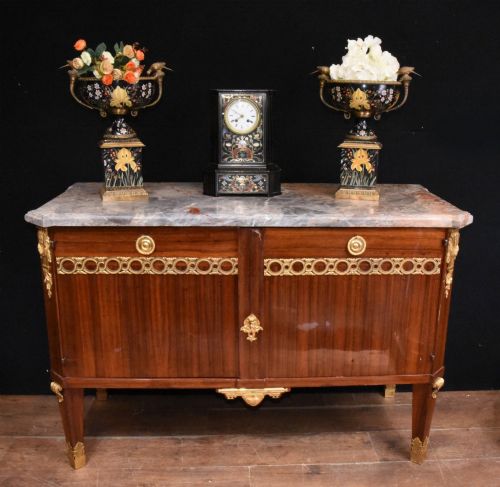
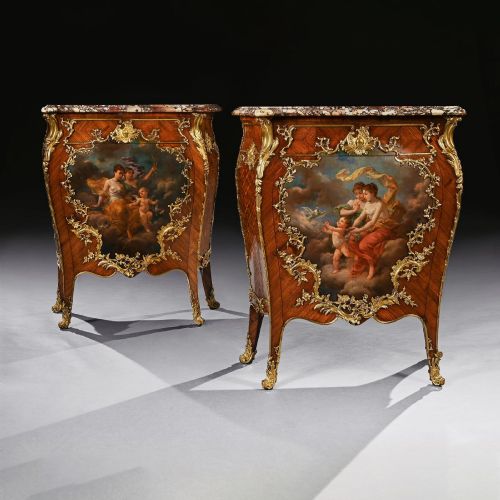
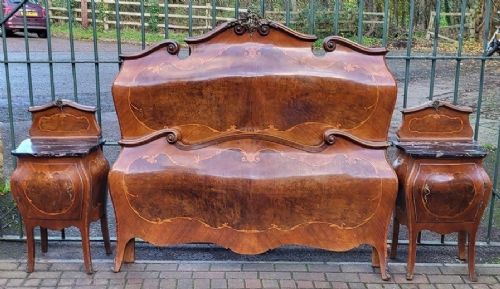
A french marble top cabinet encompasses utilitarian bedside pieces, known as cheveaux or bedside cabinets, alongside grander commodes, display cabinets and secretaire abattants. These items originate across the nineteenth and early twentieth centuries, spanning revival movements like Louis XV and Louis XVI, alongside Art Deco expressions.
Cabinet makers utilised local fruitwoods and imported timbers, pairing robust oak and mahogany carcases with decorative veneers of satinwood and rosewood. The inclusion of an integrated stone surface remains the unifying characteristic across these diverse forms.
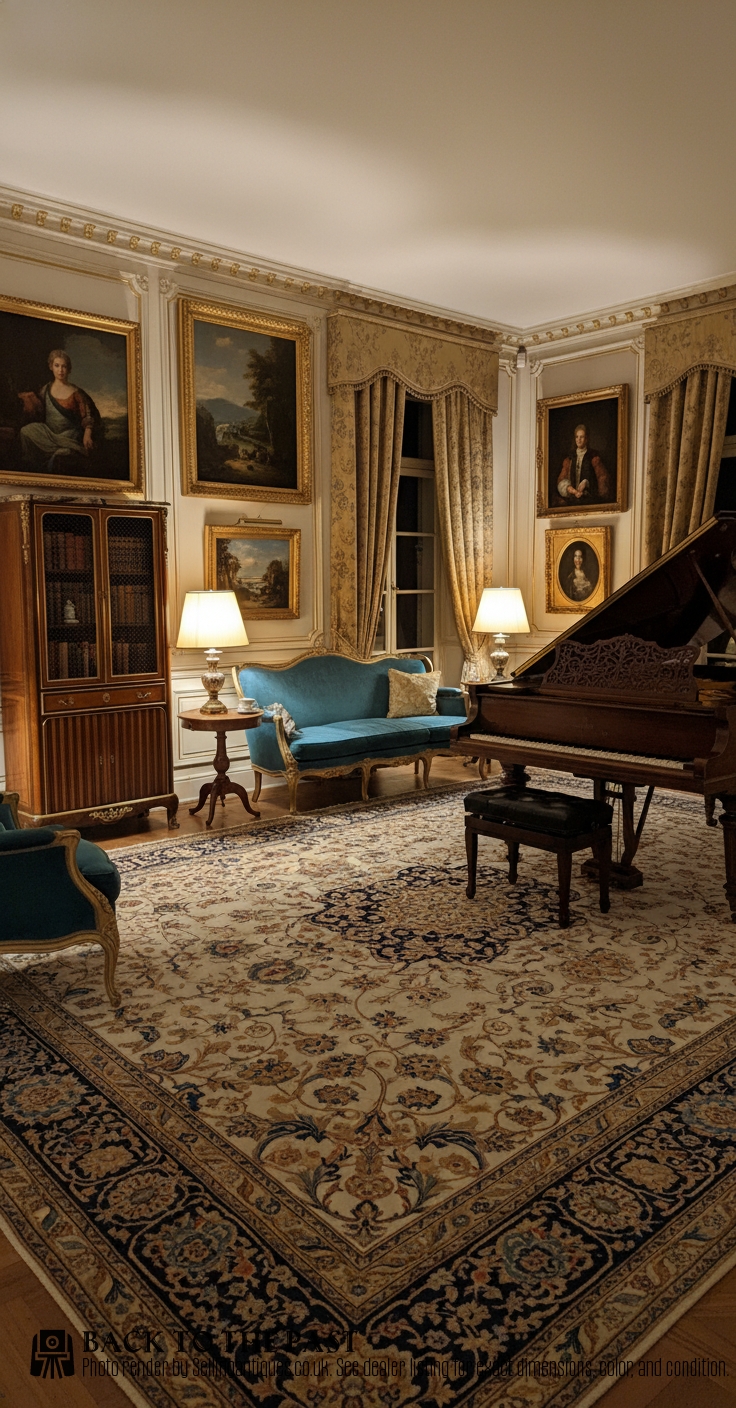
Materials and Construction
Cabinet makers built carcases from solid woods such as oak, walnut and mahogany, applying intricate marquetry or parquetry in kingwood, rosewood and satinwood to exterior surfaces. Slabs of grey, white or rouge marble were carefully shaped to fit the upper surface, resting directly upon the timber frame.
Gilt bronze and ormolu mounts, along with cast brass handles and gallery rails, embellish the corners and drawers of revival pieces. Vernis Martin finishes and hand-painted decorations occasionally adorn the exterior panels of vitrines and commodes.
French Marble Top Cabinet Retail Price Guide 2026
Typical asking prices for french marble top cabinet among the pieces listed under this phrase on Sellingantiques today, from the lower quarter to the upper quarter. They describe what is for sale here now, not the wider market.
Secret compartments tucked inside secretaire abattants reveal a quiet Victorian obsession with hiding love letters.
Distinguishing Quality
Excellence in these items rests upon the precision of the marquetry, the choice of figured veneers, and the crispness of the cast ormolu mounts. Finer examples display harmonious grain matching across drawer fronts and doors, where veneers wrap seamlessly around structural curves.
The weight, thickness and geological character of the marble slab significantly influence the stature of a piece. Original stone surfaces with subtle veining and secure edge profiling elevate the integrity of the cabinet above later replacements.
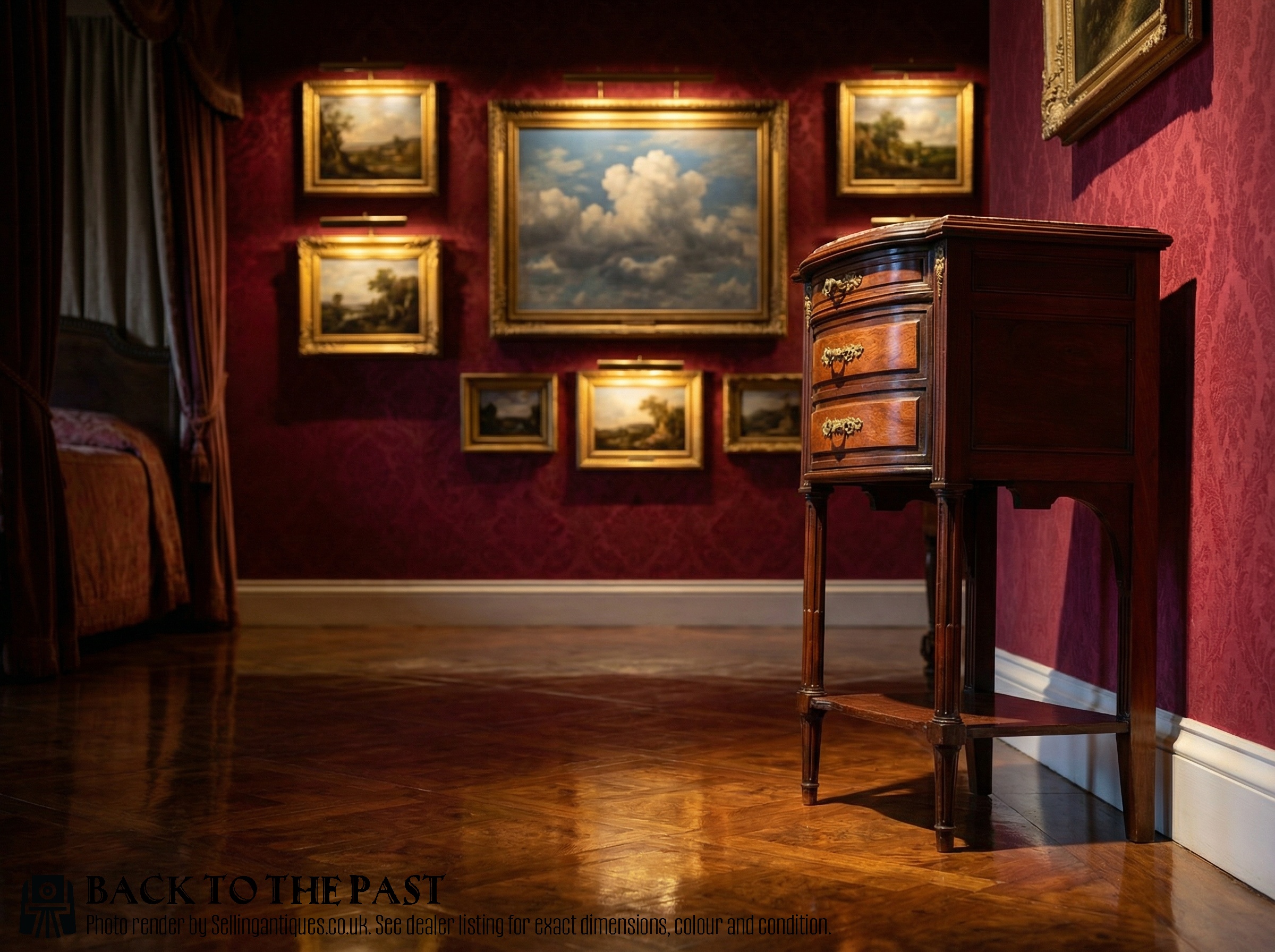
Jacques Bircklé·François Linke·Henry Dasson
The French Marble Top Cabinet Glossary
- Commode
- A low chest of drawers or cabinet designed for domestic storage. These pieces frequently feature prominent serpentine marble tops and elaborate gilt bronze mounts.
- Secretaire Abattant
- An upright cabinet featuring a drop-front writing surface that conceals internal pigeonholes and small drawers. They often combine fine mahogany or walnut veneers with marble upper slabs.
- Ormolu
- Gilded bronze used for decorative mounts and feet on case furniture. High-grade examples exhibit sharp chasing and deep fire-gilding.
- Marquetry
- The art of applying pieces of veneer to a structure to form decorative patterns. Craftsmen utilised exotic woods like kingwood and rosewood to create floral or geometric designs.
- Vitrine
- A glass-fronted display cabinet intended for porcelain and curiosities. These structures frequently incorporate raised marble surfaces and intricate brass galleries.
French Marble Top Cabinet: Frequently Asked Questions
How do I clean the marble top?
Wipe the stone surface using a soft cloth dampened with warm water and a mild, neutral soap. Avoid acidic cleaners, vinegar or lemon juice, which etch and dull the polished finish.
Dry the marble thoroughly after washing to prevent water spots. Applying a specialist stone wax periodically helps protect the surface from stains.
Were these cabinets originally made as pairs?
Many bedside cabinets and smaller lamp tables were constructed as balanced pairs to flank a bed. Single pieces often survive from larger bedroom suites or standalone drawing-room furniture.
Matching pairs command higher interest among collectors seeking symmetry in interior arrangements. Differences in marble grain or timber tone help determine if a pair was matched together later.
How do I identify a revival style?
Revival pieces emulate the sweeping curves and floral marquetry associated with earlier royal courts. Nineteenth-century craftsmen adopted these historic aesthetics while utilising contemporary machine-cut veneers and construction methods.
Examining the interior secondary woods and backboards clarifies the true period of manufacture. Stylistic markers like cabriole legs and scrollwork indicate Louis XV or Louis XVI inspiration rather than original eighteenth-century execution.
Can I use a bedside cabinet in a living room?
These compact pieces adapt readily to various domestic spaces beyond the bedroom. Their flat stone surfaces provide durable staging areas for lamps, books or decorative objects.
Enclosed cupboards and drawers offer practical concealment for small items in hallways or sitting rooms. The finished backs on finer examples allow them to stand away from walls.