

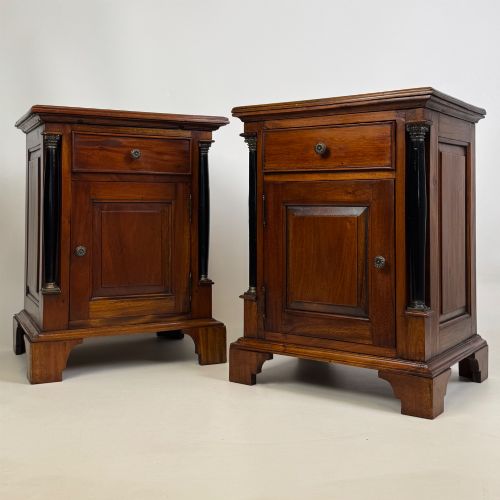
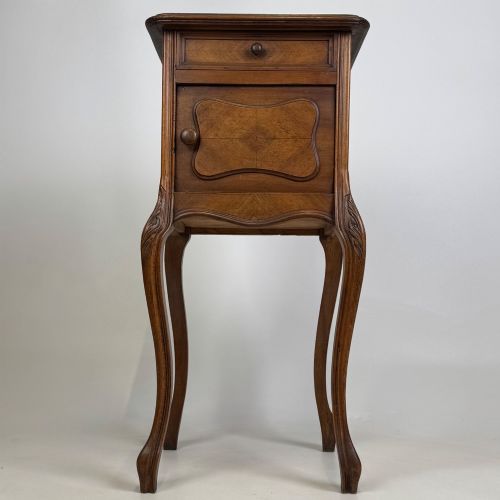
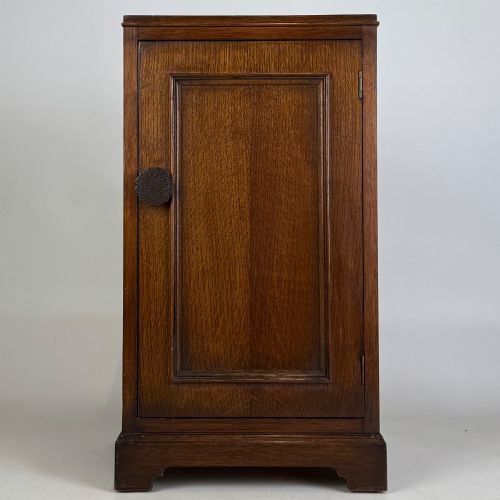
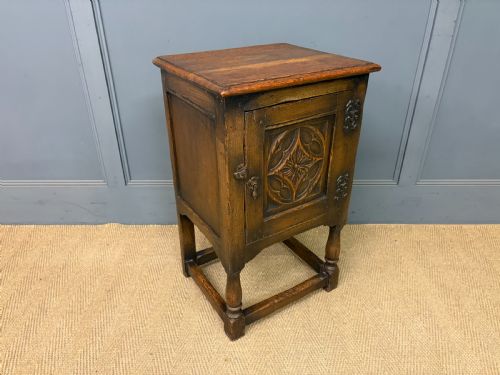
Vintage Pot Cupboard
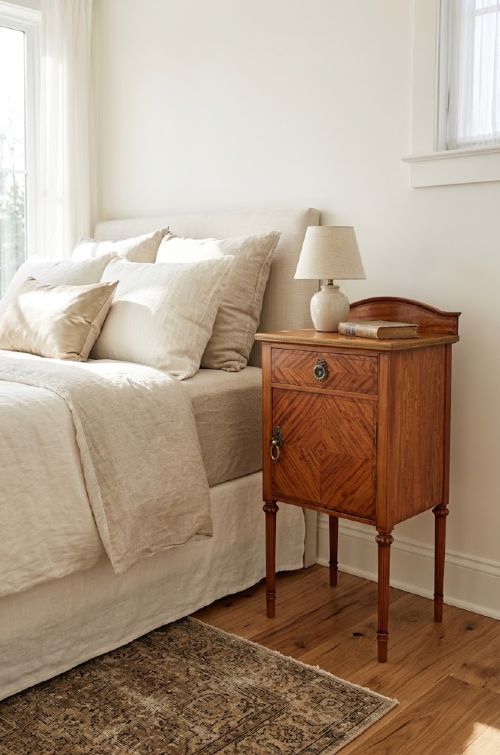
A vintage pot cupboard keeps necessities close at hand, combining practical bedside storage with the refined craftsmanship of earlier centuries.
Vintage Pot Cupboard
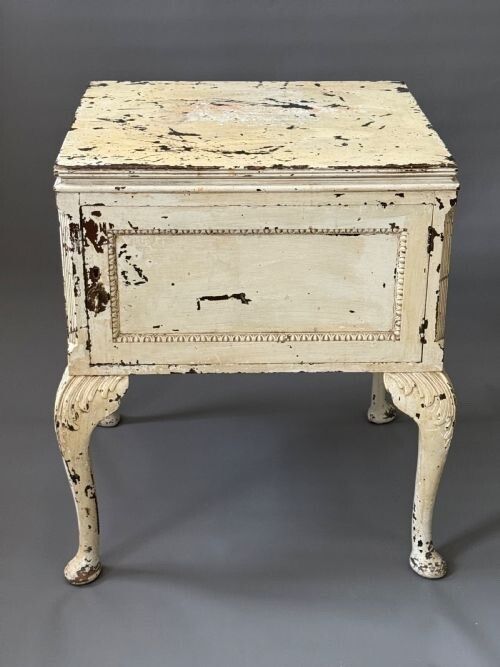
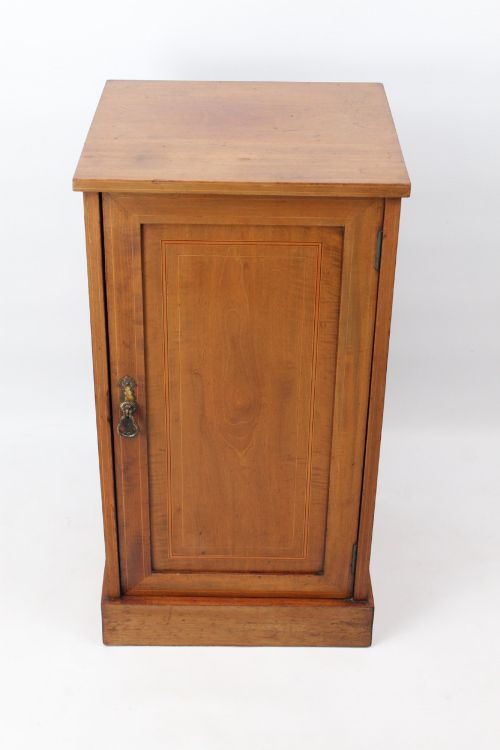
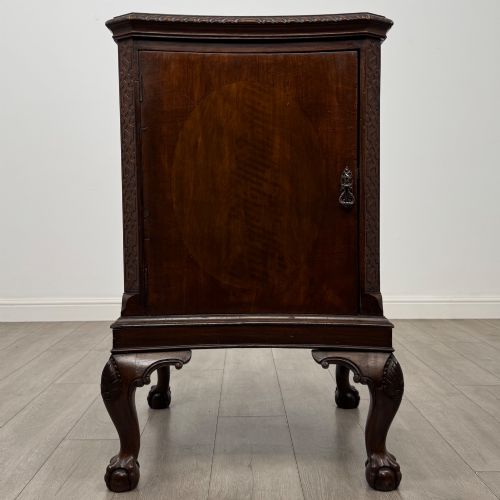
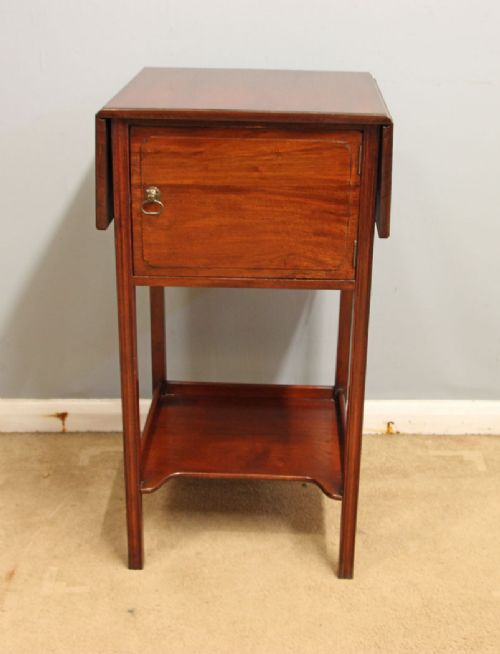
A vintage pot cupboard serves as a compact bedside cabinet, nightstand, or small pedestal cupboard designed to hold chamber pots or personal items. Buyers searching for a vintage pot cupboard encounter practical storage solutions originating from the nineteenth and twentieth centuries.
The pieces appear in forms such as bedside tables, side cabinets, and dressing tables. Edwardian and Victorian examples feature prominently alongside earlier Georgian designs and later Art Deco models.
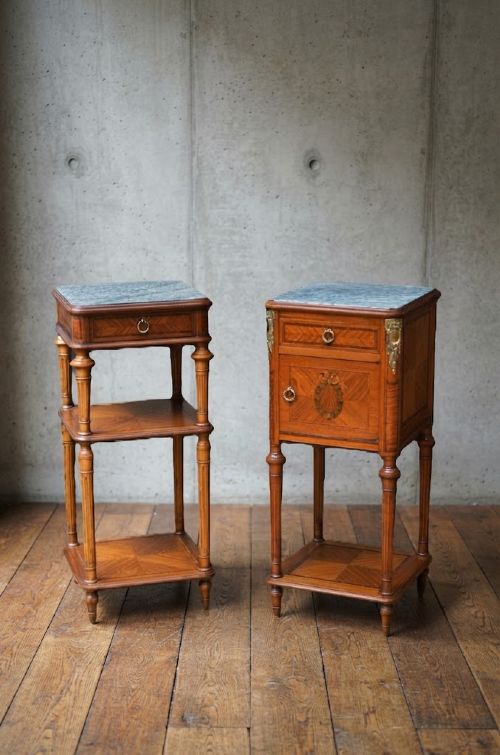
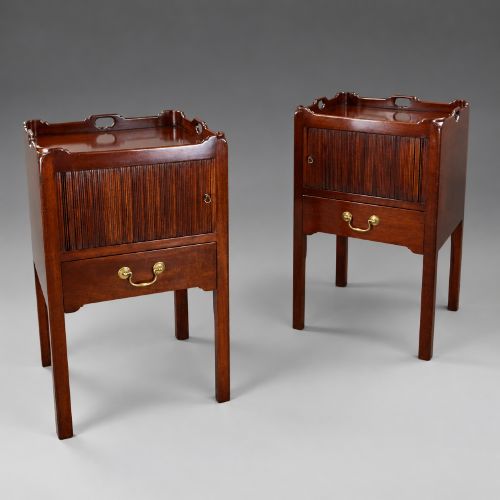
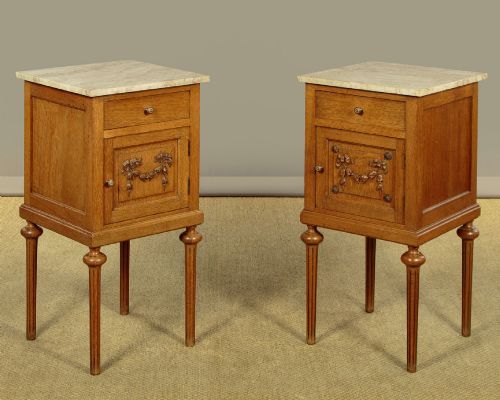
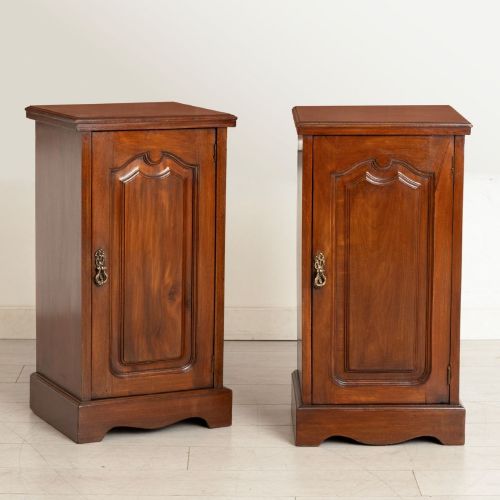
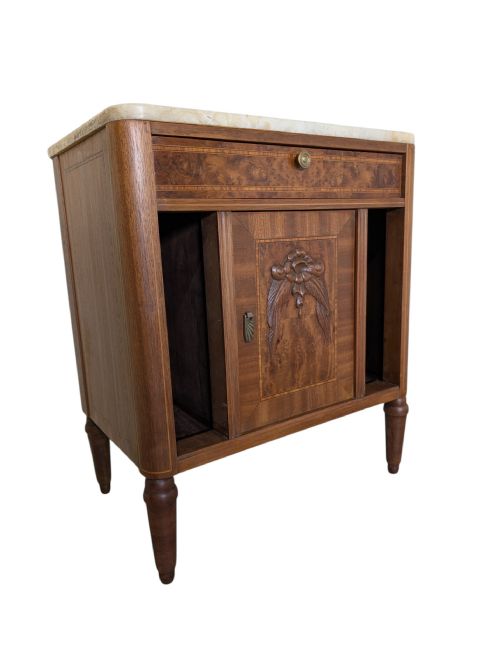
Mahogany, oak, and walnut form the backbone of the selection, often accompanied by marble tops or satinwood veneers. Single cupboards and matched pairs emerge across the inventory from various decades.
How they were made
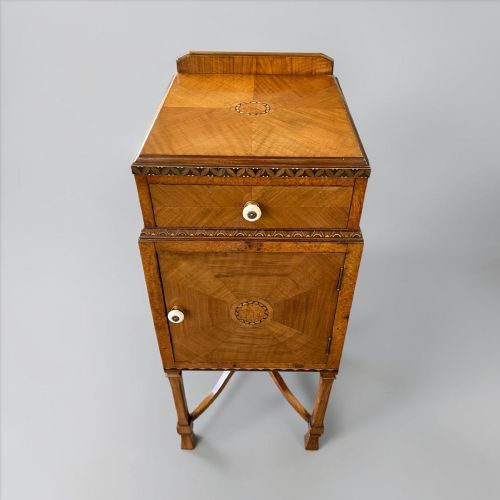
Cabinetmakers utilised robust timbers including mahogany, walnut, and oak to construct the frames and panelled doors of these cupboards. Burr walnut and satinwood veneers added decorative grain patterns to drawer fronts and door panels.
Marble slabs frequently formed durable, hygienic tops for bedroom cabinets, while brass handles and hinges provided functional metallic accents. Inlay work and carved details distinguished pieces influenced by Georgian, Victorian, and Arts and Crafts styles.
Pine and cherrywood also appeared in regional workshops and French provincial pieces, showing varied joinery techniques from dovetailing to simple panel construction.
Vintage Pot Cupboard Retail Price Guide 2026
Typical asking prices for vintage pot cupboard among the pieces listed under this phrase on Sellingantiques today, from the lower quarter to the upper quarter. They describe what is for sale here now, not the wider market.
One nineteenth-century maker channeled exotic travels by carving ordinary pine into convincing bundles of bamboo.
What varies in quality
The selection of timber grade dictates much of the visual character, with figured mahogany and burr walnut representing the more ambitious end of production. Plain oak and pine serve utilitarian roles with straightforward construction.
Refinement in carving, string inlay, and the quality of brass hardware separate standard workshop output from pieces bearing maker stamps or specific stylistic revivals. The inclusion of fitted marble tops or matching pairs elevates the desirability of a cabinet.
Proportion and structural integrity reflect the original maker's skill, from delicate tapered legs on Edwardian satinwood tables to sturdy plinths on nineteenth-century pine cupboards.
Morant And Co·Walter Carter Harrods·Harrods
The Vintage Pot Cupboard Glossary
- Pot cupboard
- A small bedside cabinet originally designed to enclose a chamber pot. These practical pieces evolved into standard nightstands.
- Satinwood
- A durable hardwood with a lustrous, golden sheen used for fine cabinetmaking and decorative veneers. It appears frequently on Edwardian pieces.
- Burr walnut
- Timber taken from a walnut tree growth, yielding swirling, highly decorative grain patterns. Cabinetmakers utilised it for high-status Art Deco and Victorian surfaces.
- Inlay
- A technique where pieces of contrasting wood or metal are inserted into depressions in the base material to form patterns. This adorns many Edwardian and Georgian cabinets.
- Faux bamboo
- Wood carved and painted to resemble natural bamboo stalks. This whimsical style gained popularity during the late nineteenth century.
Vintage Pot Cupboard: Frequently Asked Questions
What is a pot cupboard used for today?
Modern interiors utilise vintage pot cupboards as bedside tables, lamp tables, or small side cabinets in living rooms. Their compact proportions make them suitable for holding books, reading glasses, and small lamps.
The enclosed cupboard space conceals clutter while the surface provides convenient reach from a bed or armchair.
How do I identify an Edwardian pot cupboard?
Edwardian cabinets often feature light satinwood or mahogany timbers enhanced by delicate string inlay and tapered legs. They frequently date between nineteen hundred and nineteen ten.
Construction methods from this era show machine-assisted precision alongside traditional hand finishing, differing from the heavier proportions of earlier Victorian pieces.
Are marble tops original to these cabinets?
Many nineteenth and early twentieth-century bedside cabinets incorporated marble tops for hygienic purposes when housing chamber pots. These stone slabs were fitted directly into the wooden frame.
White and grey veined marble varieties appear commonly on walnut and satinwood cupboards from French and English workshops.
How do I match a single bedside cabinet?
Finding an exact match for a single antique cabinet presents a challenge due to variations in timber grain and handmade details. Buyers often pair cupboards of similar height, period, and wood tone rather than identical designs.
Matching pieces across different makers requires careful attention to proportions, handle styles, and leg shapes.