
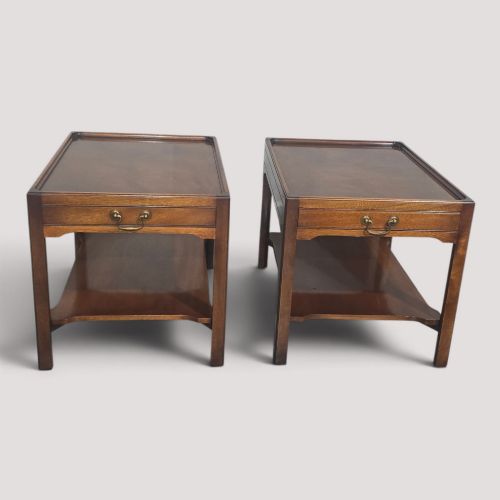

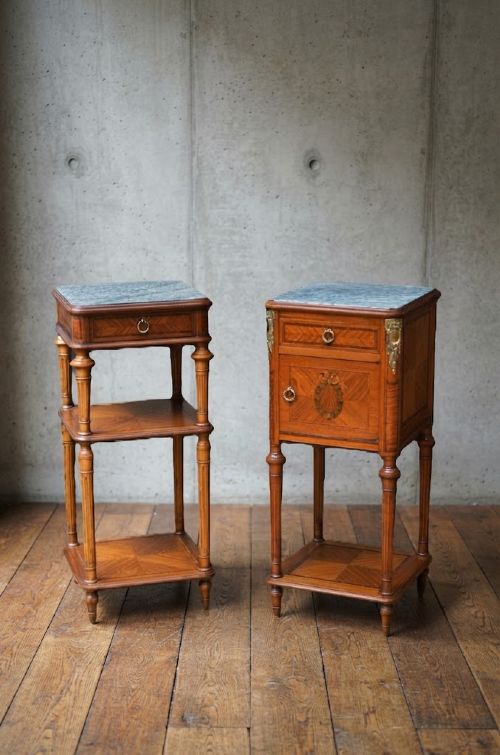
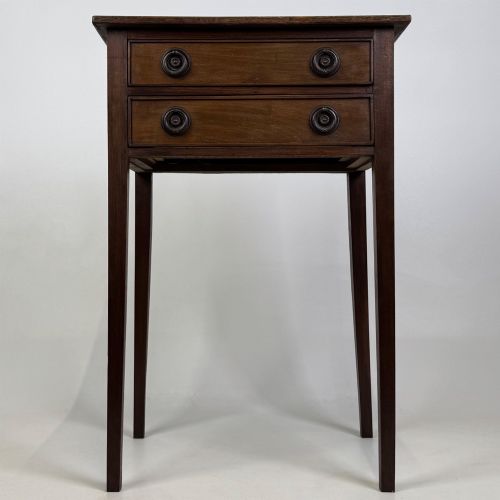
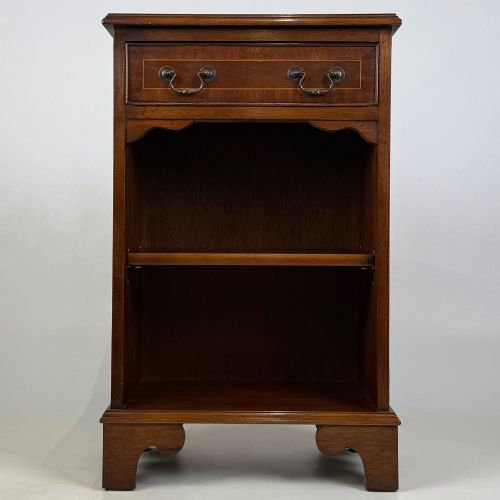
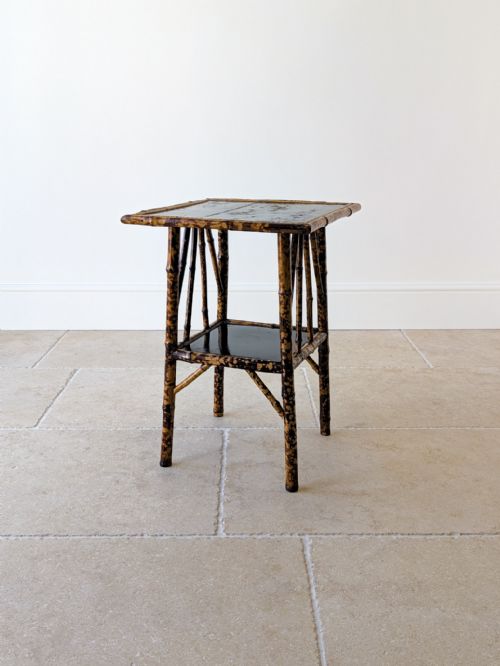
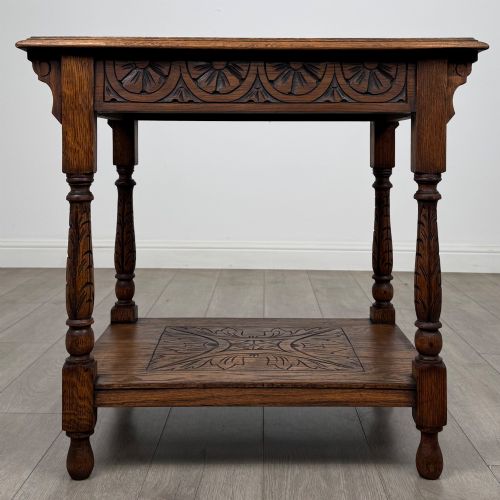
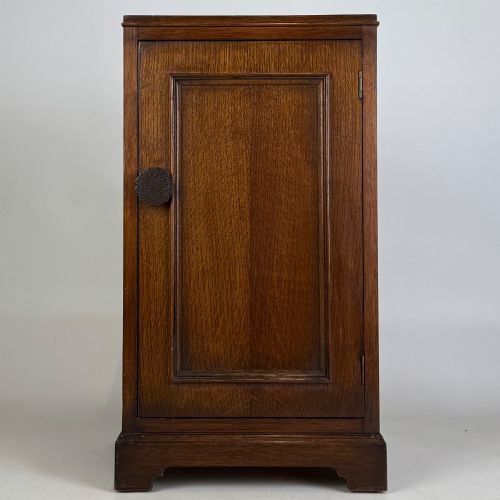
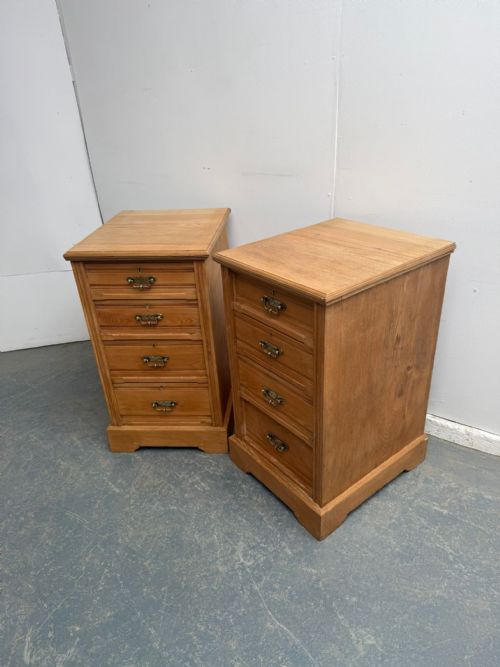
Edwardian Nightstand
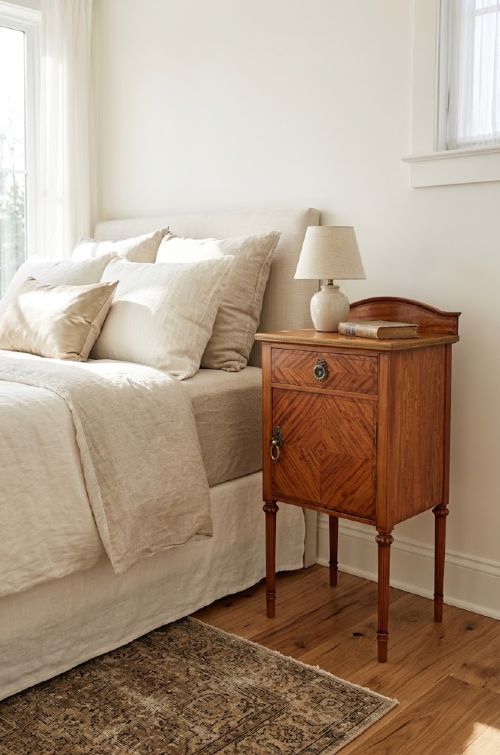
An Edwardian nightstand brings practical bedside storage and period character to a bedroom.
What an edwardian nightstand is
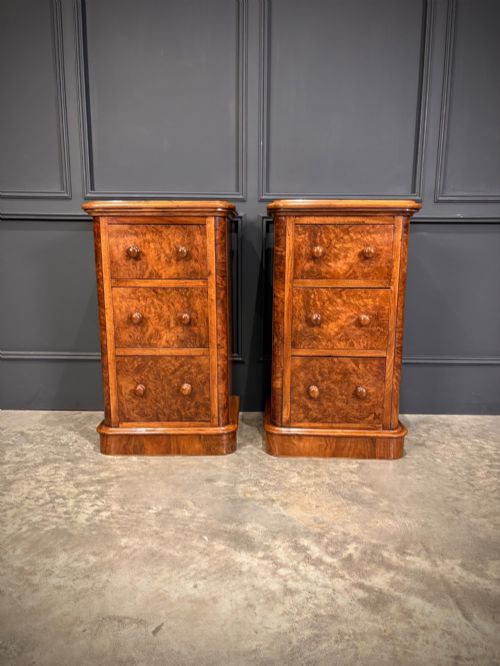
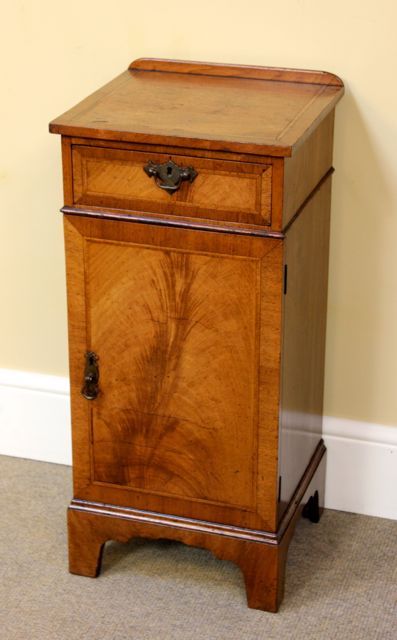
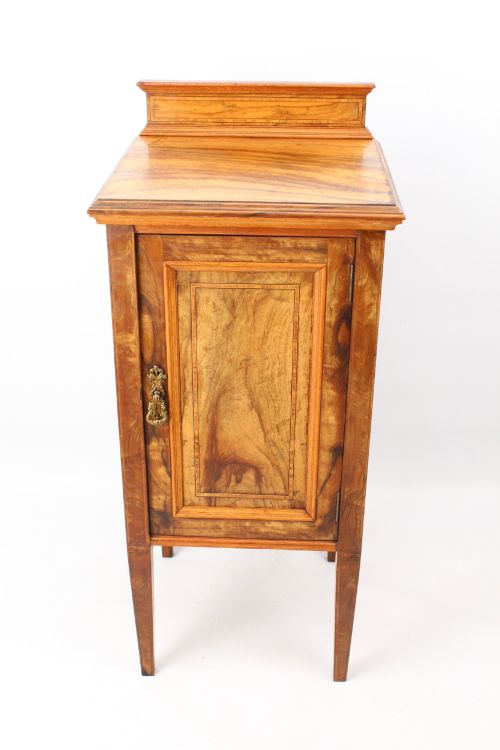
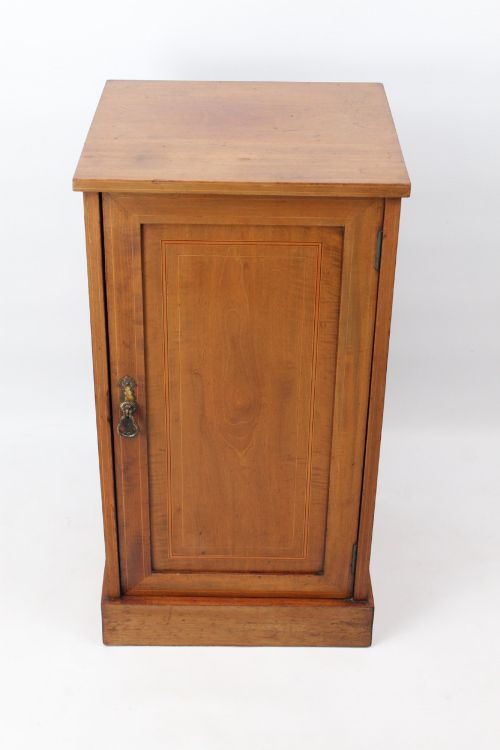
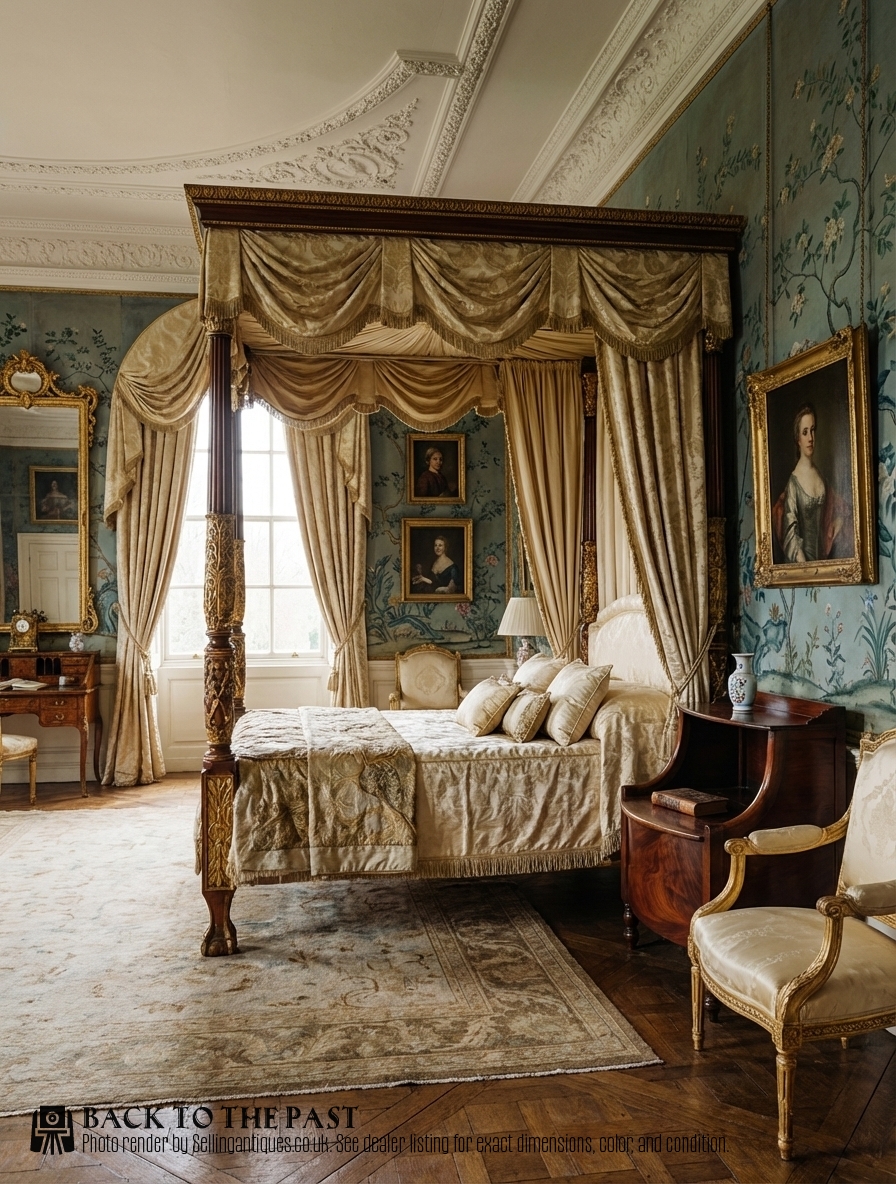
An edwardian nightstand encompasses compact bedside cabinets and bedside tables designed for the bedroom, often originating from the Edwardian period or drawing on earlier Regency and nineteenth-century forms. The most common format met here is the bedside cabinet, offering enclosed storage alongside a surface for nighttime essentials.
Makers adapted traditional bedroom furniture into versatile smaller scales suited to period interiors. Pieces range from straightforward Edwardian cabinets to Sheraton Revival designs and older Regency commodes repurposed for modern bedroom use.
How they were made
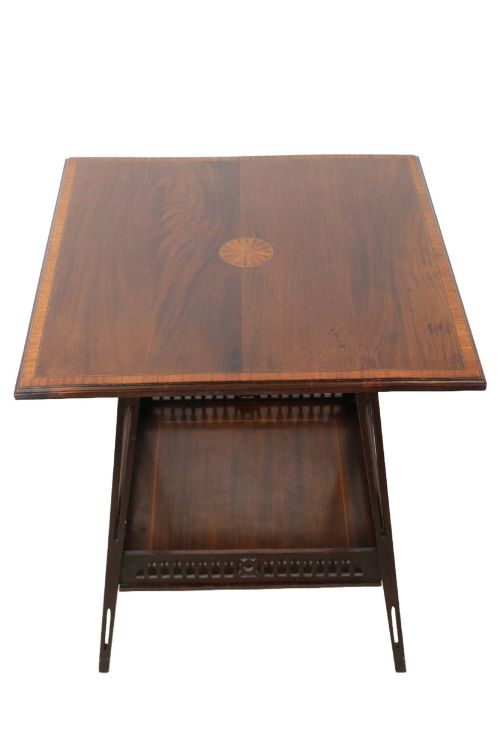
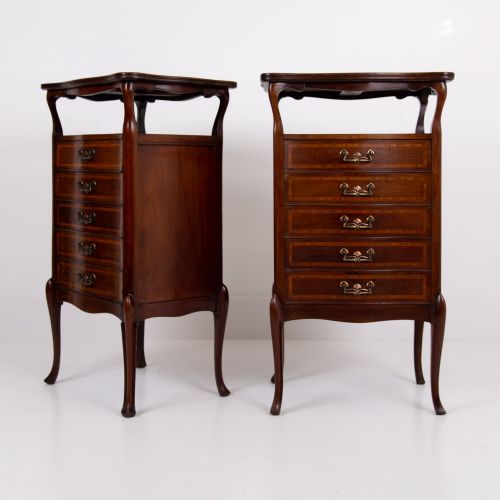
Cabinetmakers constructed these pieces primarily from solid timber and selected veneers, frequently utilising mahogany, flame mahogany veneer, satinwood, walnut, beech, and occasional brass fittings. Inlaid decoration and figured grain patterns added surface visual interest to the carcase construction.
The integration of brass handles, hinges, and campaign-style hardware provided durable functional details. Skilled joinery joined the structural elements to create sturdy bedside chests and commodes designed for daily use.
Retail Price Guide 2026
Typical UK retail prices for edwardian nightstand, calculated from the Sellingantiques database of over a million retail prices indexed since 2003. This retail price guide relies exclusively on Sellingantiques data; no external sources or auction records are used, so the figures do not describe the wider market.
Some nightstands double as campaign luggage cases or gentleman's valets, proving that early twentieth-century travellers took their bedside organisation very seriously.
What varies in quality
The distinction between standard examples and finer pieces rests in the selection of timbers and the precision of decorative inlays. Superior cabinets display carefully matched flame mahogany veneer or finely figured satinwood rather than plain secondary woods.
Construction methods and hardware quality further separate the range. Solid brass fittings, precise drawer dovetailing, and balanced proportions mark the work of accomplished workshops compared to simpler utilitarian alternatives.
Gill and Reigate
The Edwardian Nightstand Glossary
- Flame mahogany veneer
- A thin slice of mahogany timber with a distinctive flickering flame-like grain pattern. Cabinetmakers applied this to primary surfaces for decorative effect.
- Satinwood
- A pale, hard timber with a natural sheen often used in finer decorative furniture. It frequently forms the background for contrasting inlay work.
- Sheraton Revival
- A late nineteenth and early twentieth-century style reviving the graceful neoclassical designs of George Sheraton. Pieces in this style utilise delicate inlays and classical proportions.
Frequently Asked Questions
What is an edwardian nightstand?
An edwardian nightstand is a small bedside cabinet or table created during the early twentieth century or inspired by earlier Regency and nineteenth-century designs. These pieces provide a convenient surface and enclosed storage next to a bed.
They appear in various timbers including mahogany, satinwood, and walnut, often featuring fitted cupboards or drawers tailored for bedroom use.
How do I use an edwardian nightstand?
These compact cabinets serve effectively as bedside storage for books, lamps, and personal items. The enclosed cupboards keep bedroom surfaces tidy.
Their small footprint allows them to fit comfortably beside modern or traditional beds while introducing period woodwork into the room.
What materials were used?
The listings show construction in mahogany, flame mahogany veneer, satinwood, walnut, beech, and brass. Cabinetmakers selected these woods for both durability and attractive grain patterns.
Inlays and brass hardware frequently provided decorative contrast on the primary exterior surfaces.
How do I tell periods apart?
Distinguishing periods involves examining the timber choices, decorative motifs, and overall form. Edwardian pieces often display lighter satinwood inlays or Sheraton Revival influences, while nineteenth-century and Regency examples may show heavier carcase proportions or commode configurations.
Comparing construction details and hardware styles helps clarify the likely era of manufacture.