
Brown Wood Pot Cupboard
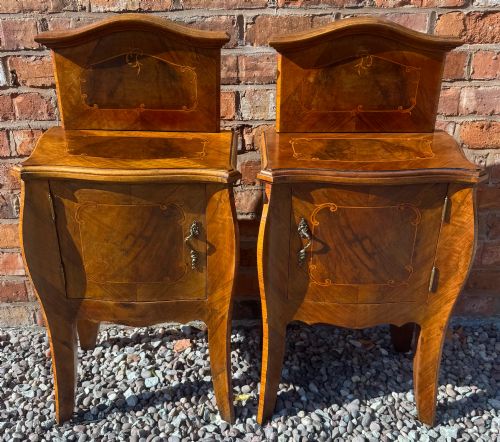
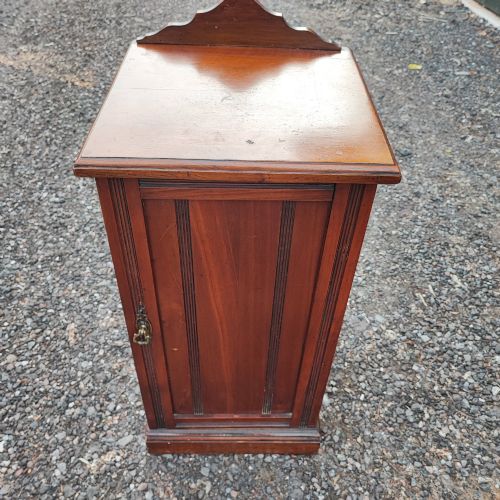
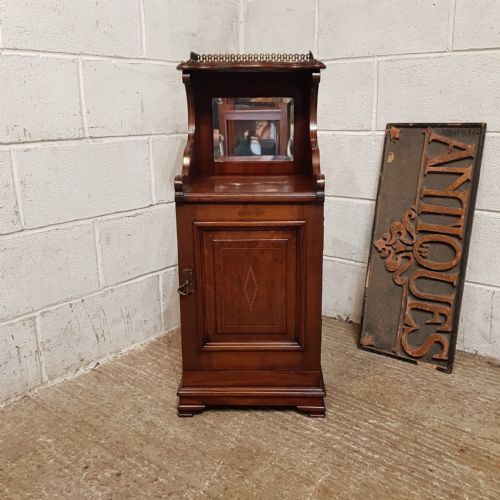
These brown wood pot cupboard pieces are compact bedside storage essentials that keep your nighttime necessities neatly concealed.

Identifying a brown wood pot cupboard
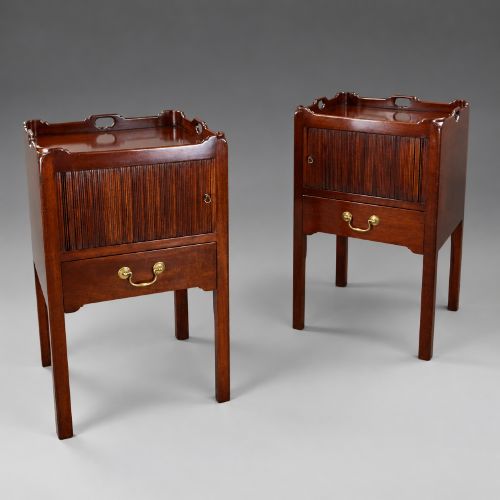
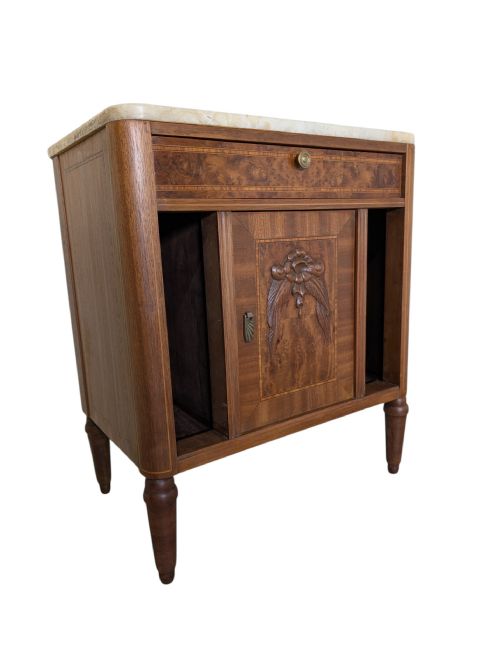
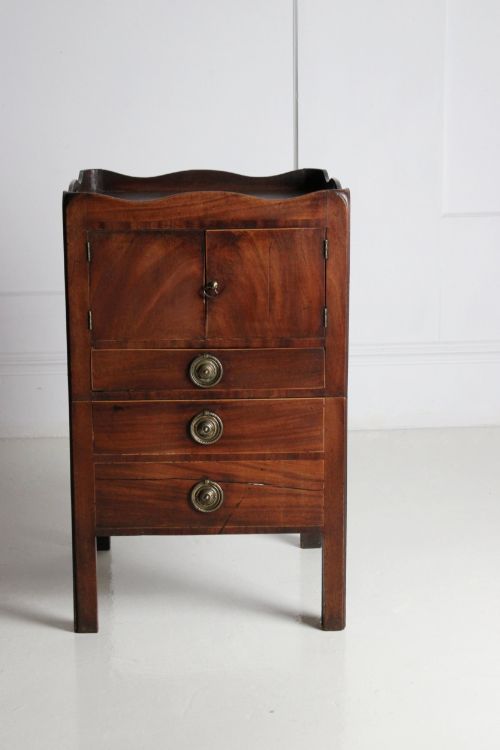
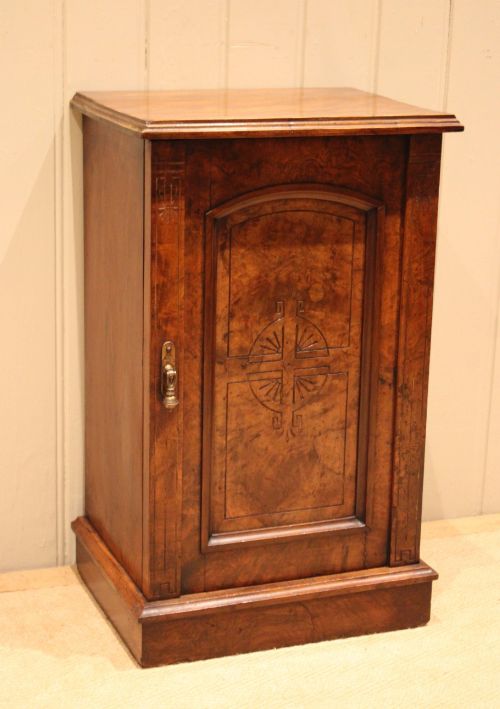
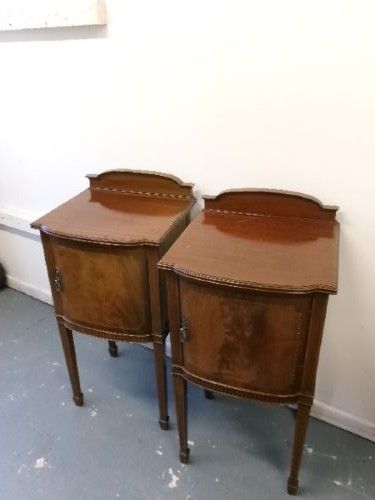
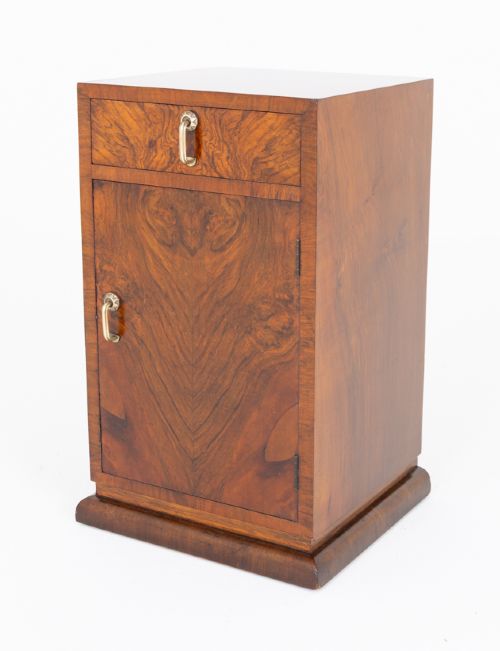
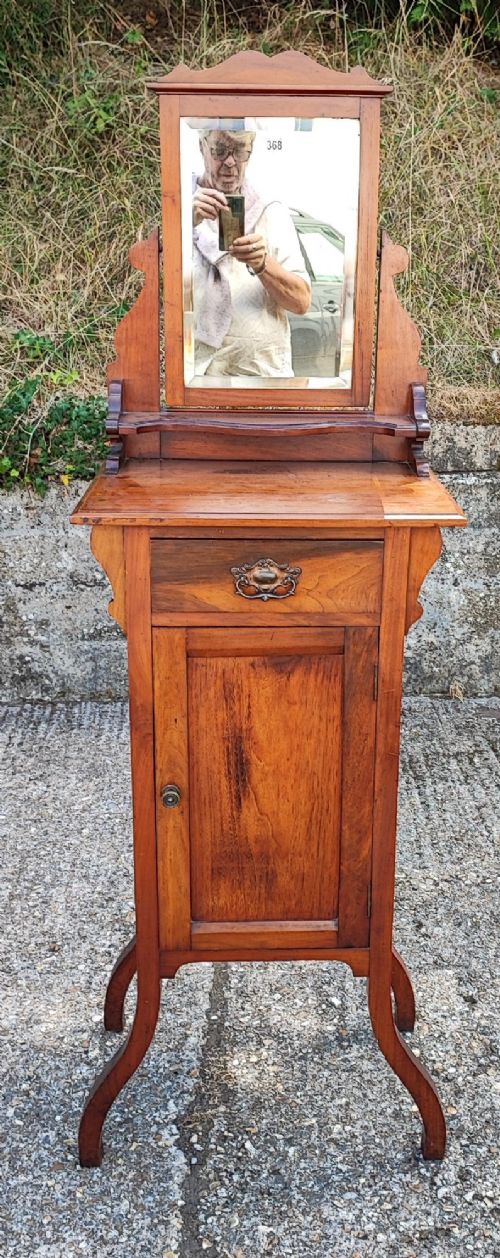
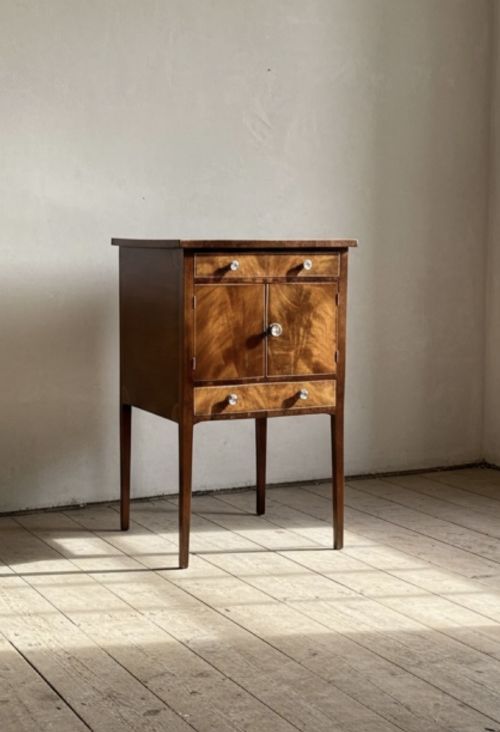
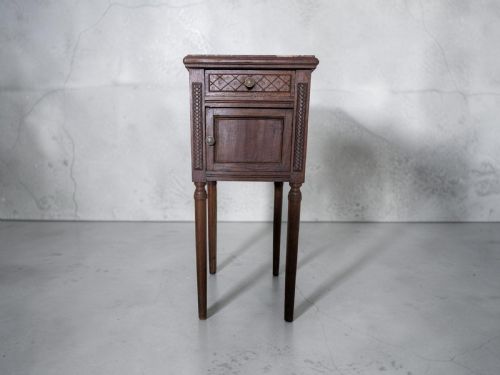
A brown wood pot cupboard serves as a compact bedside storage unit designed to house chamber pots or personal belongings discreetly within a bedroom setting. Buyers searching for a brown wood pot cupboard encounter various historical forms ranging from George III designs to Edwardian interpretations.
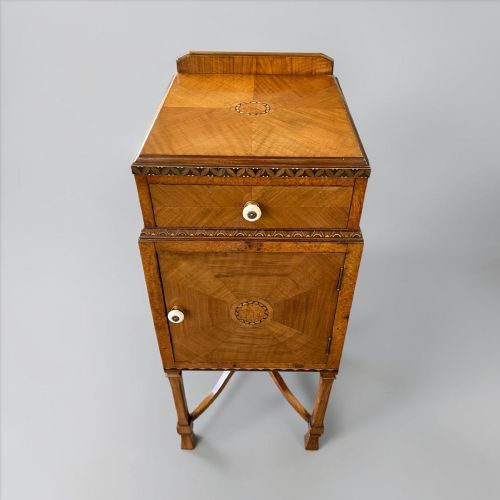
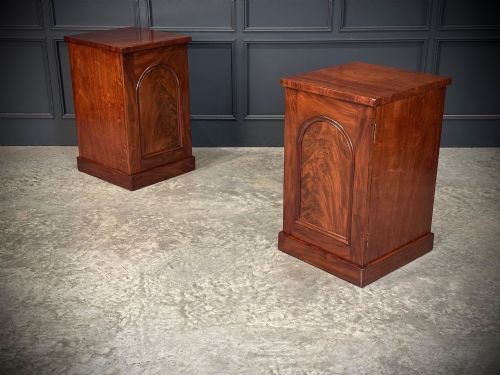
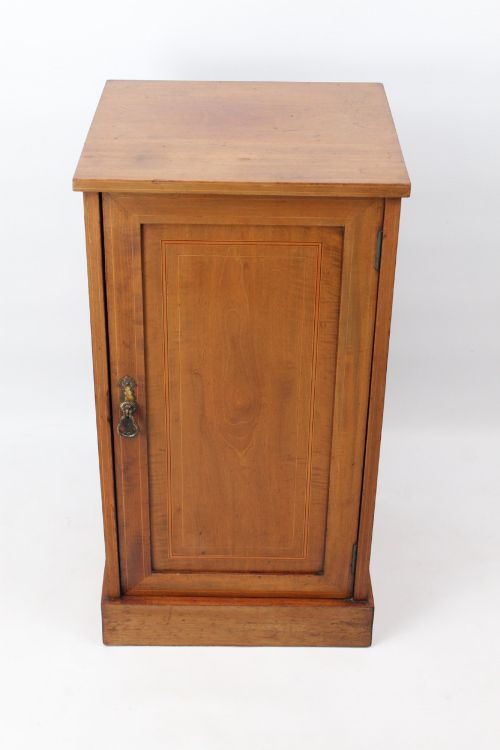
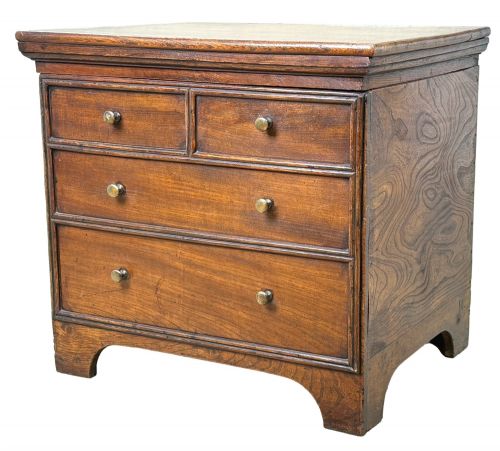
The pieces listed on this page appear as bedside tables and bedside cabinets, originating from periods such as the Georgian era, the nineteenth century, and the Edwardian epoch. Formats include drop flap variations, pedestal cupboards, and tray top constructions that sit beside a bed.
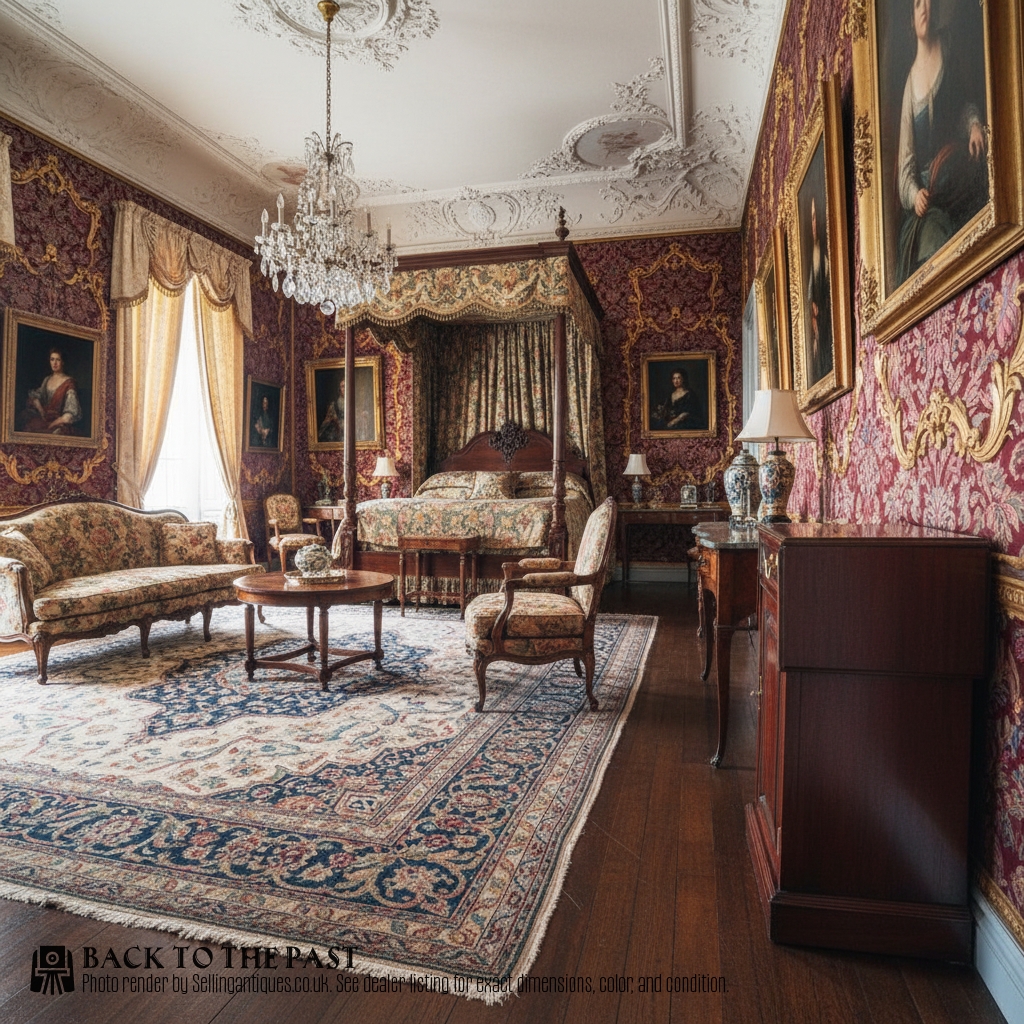
Materials and construction methods
Cabinetmakers constructed these cupboards using primary timbers such as mahogany, walnut, oak, and pine, frequently accentuating surfaces with boxwood inlay. Structural details incorporate brass hardware and metal fittings to secure doors and hinges.
Certain iterations feature contrasting stone surfaces, utilising marble tops to provide a durable and resilient upper surface for daily use. Carpenters shaped the timber into pedestal forms and cabinet bodies using traditional joinery techniques appropriate to their respective centuries.
Retail Price Guide 2026
Typical UK retail prices for brown wood pot cupboard, calculated from the Sellingantiques database of over a million retail prices indexed since 2003. This retail price guide relies exclusively on Sellingantiques data; no external sources or auction records are used, so the figures do not describe the wider market.
Listings span multiple eras including the Georgian period, nineteenth century, and Edwardian epoch.
Distinctions in quality
The hierarchy of quality rests upon the selection of timber, where figured grains such as flame mahogany or rich walnut elevate the visual presence of the cabinet. Finer examples display meticulous boxwood inlay and well-executed tray tops rather than plain, utilitarian surfaces.
Construction integrity distinguishes standard workshop output from superior cabinetmaking, visible in the seamless fit of doors and the harmonious integration of brass handles. The presence of original marble tops further separates standard wooden variants from more ambitious decorative pieces.

The Brown Wood Pot Cupboard Glossary
- Tray top
- A raised rim encircling the upper surface of a cabinet designed to prevent items from rolling off. This feature is common on Georgian bedside tables.
- Flame mahogany
- A wood veneer cut from the fork of the mahogany tree that produces a distinctive flickering flame pattern. Cabinetmakers utilised this to create decorative visual movement on drawer fronts and doors.
- Pedestal cupboard
- A freestanding vertical cabinet supported by a single column or enclosed base. These units maximise vertical storage space beside a bed.
- Drop flap
- A hinged panel that lowers to extend a surface or grant access to an interior compartment. This mechanism appears on select Edwardian bedside cabinets.
Frequently Asked Questions
What is a brown wood pot cupboard used for?
These cabinets originally housed chamber pots beneath a closed surface, keeping bedroom air fresh and private items hidden out of sight.
Today, modern owners repurpose them as compact bedside tables to store books, spectacles, and small personal belongings within arm's reach.
How do I date a wooden bedside cabinet?
Dating relies on examining timber choices, hardware types, and construction methods characteristic of periods like the Georgian era or Edwardian times. Details such as boxwood inlay or flame mahogany veneers often point towards specific stylistic decades.
Secondary woods inside drawers and the style of brass handles also offer concrete clues regarding when a particular cabinet left the workshop.
Are marble top bedside cabinets practical?
Marble surfaces provide a cool, highly resilient table top that easily resists spills, water rings, and heat from bedside cups or lamps. This material adds weight and stability to the cabinet while introducing a contrasting texture to the surrounding wood.
Maintenance simply requires wiping the stone surface with a damp cloth to preserve its polished appearance over the years.
Where should I place a pot cupboard?
These compact units fit naturally beside a bed where their narrow proportions accommodate tight spaces without overwhelming the room layout. They also function well as small accent tables in hallways or sitting rooms where surface space is limited.
Their enclosed storage makes them particularly useful for hiding clutter in smaller living areas.