

Vintage Mahogany Side Table
A vintage mahogany side table brings warmth and compact utility to a room, offering rich wood grain and enduring form.
Vintage Mahogany Side Table
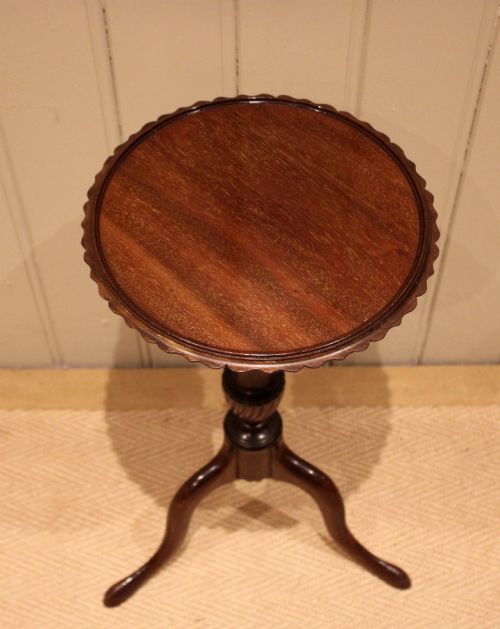
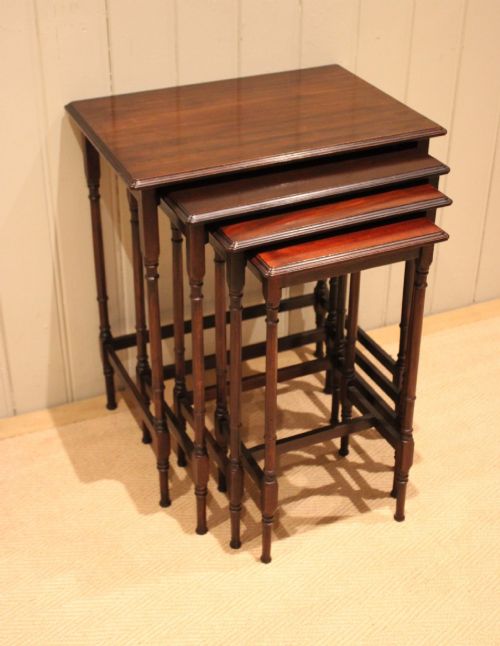
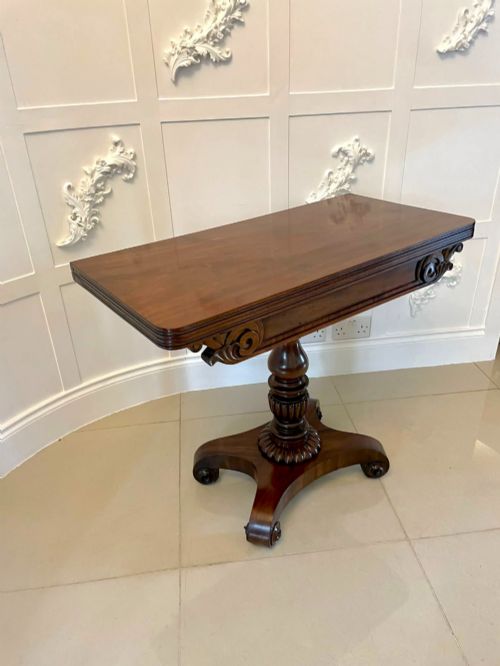
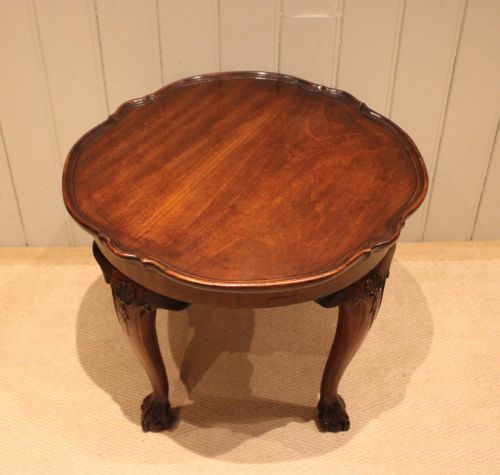
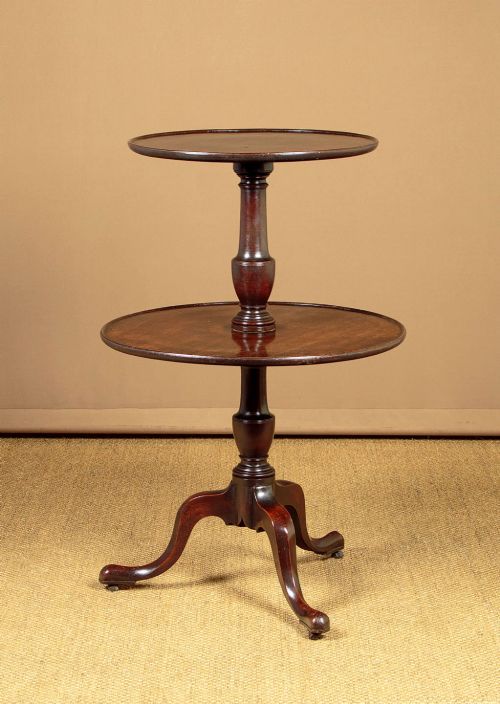
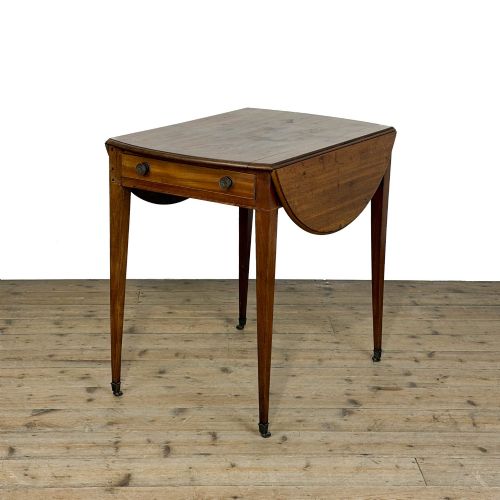
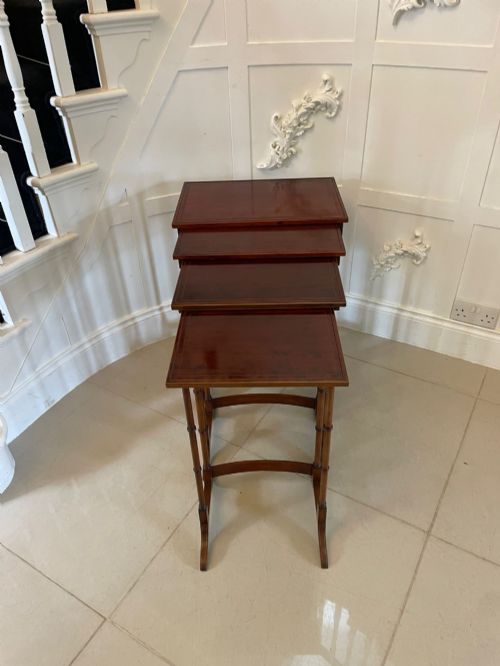
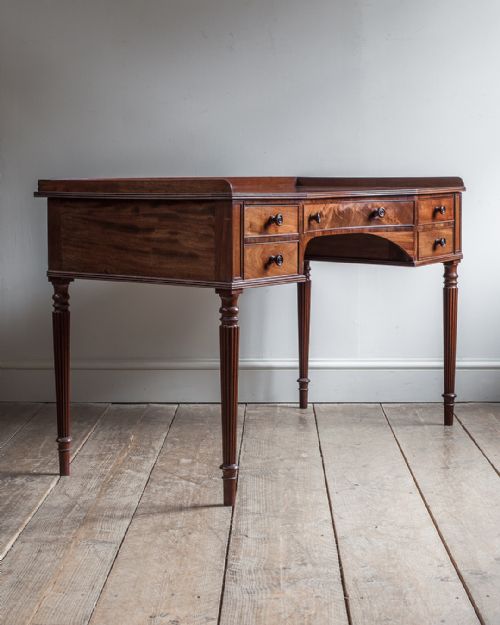
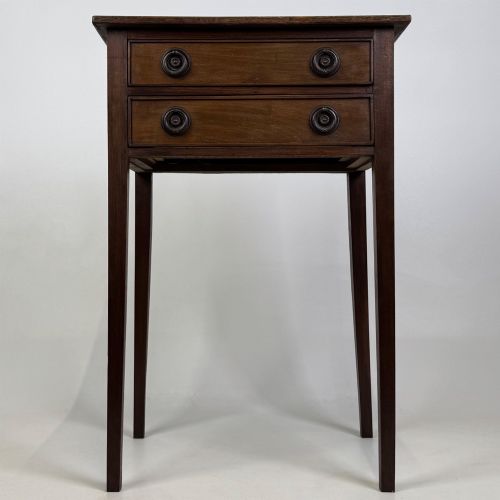
A vintage mahogany side table encompasses a diverse array of small furniture designed for versatile placement around the home, appearing frequently in forms such as occasional tables, wine tables, and nests of tables. These pieces emerge from periods spanning the Georgian era, the Victorian age, and the Edwardian epoch, right through to the early decades of the twentieth century.
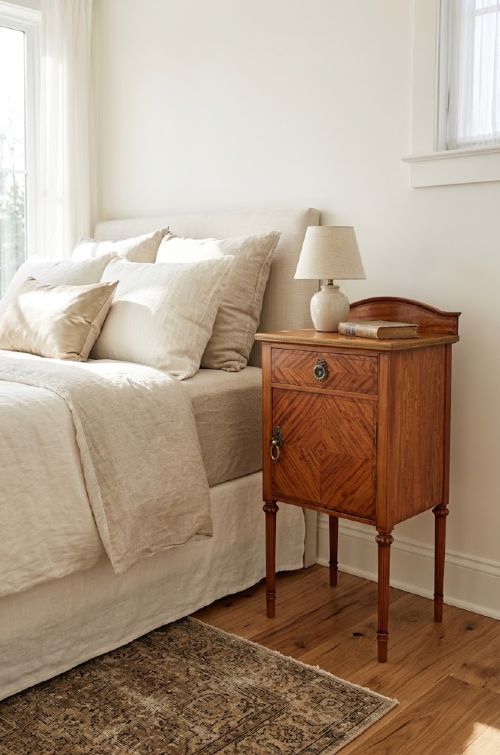
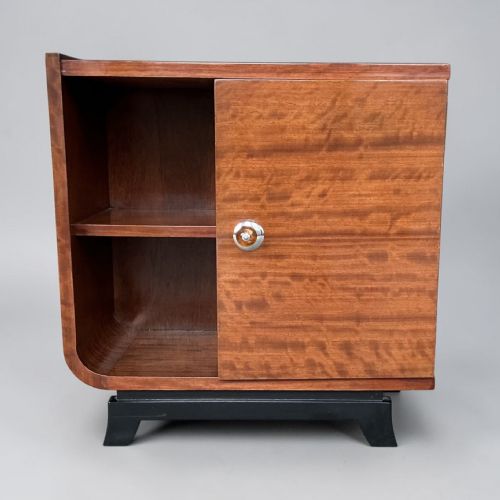
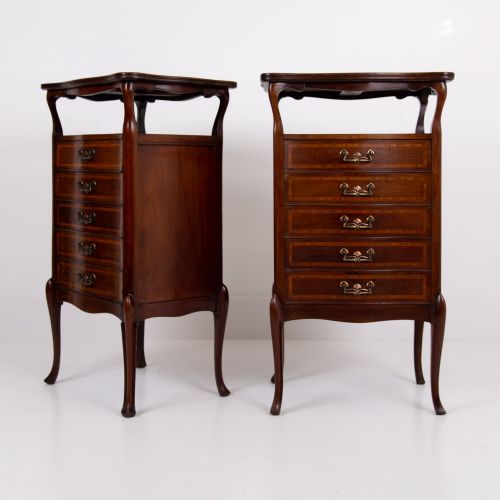
Buyers will most commonly encounter Edwardian and nineteenth-century examples on this page, reflecting the sustained popularity of mahogany for domestic use over generations. The selection ranges from simple tripod wine tables to multi-tiered nests and bedside cabinets, demonstrating how cabinetmakers adapted the form for changing household needs.
Origins vary between English workshops and continental makers, with French pieces also represented among the offerings. Each period imparts distinct stylistic traits, from the clean lines of the Georgian style to the lighter, inlaid aesthetic of the Edwardian years.
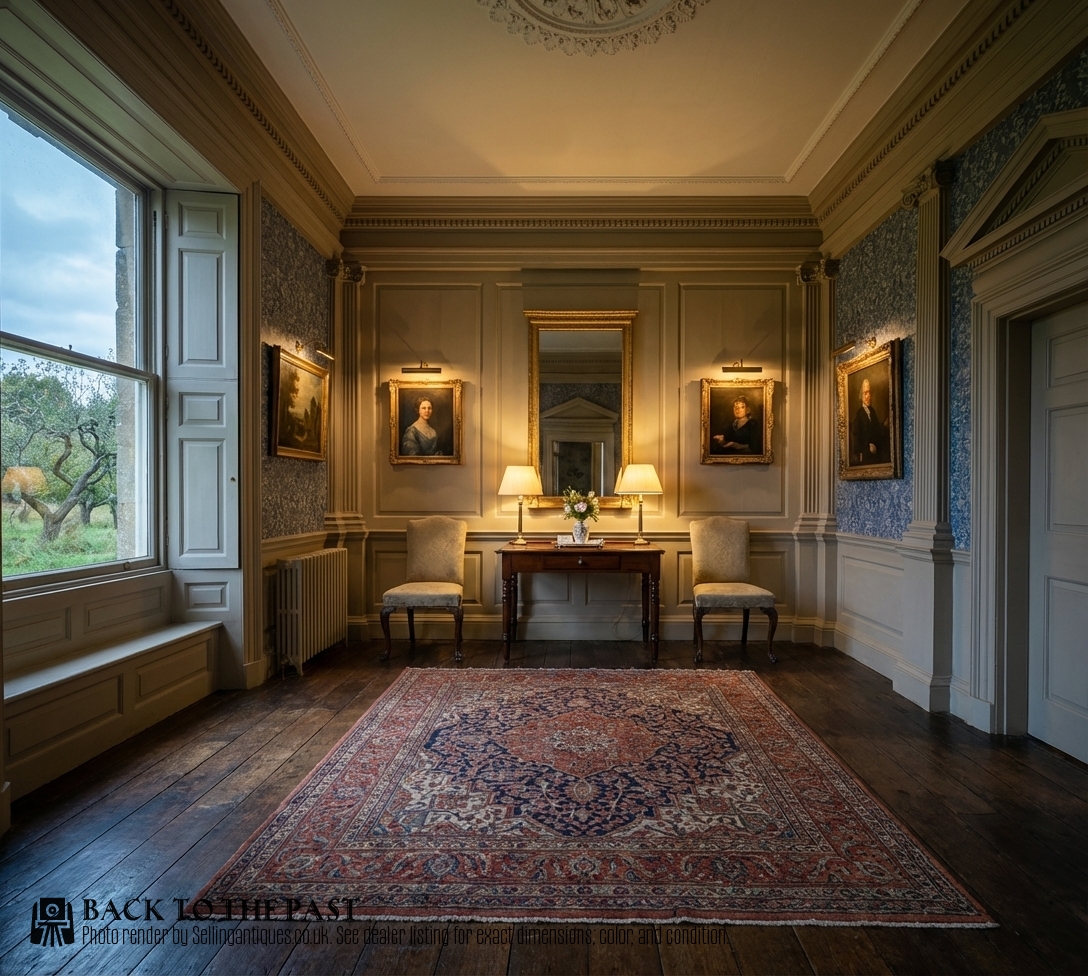
Materials and construction
Mahogany serves as the primary timber, valued for its rich colour and stable grain, often enhanced through figured veneers that highlight the natural patterns of the wood. Craftsmen frequently combined mahogany with contrasting secondary materials such as satinwood and boxwood for delicate stringing and inlay work.
Metal elements appear in functional and decorative capacities, with brass handles, hinges, and gilded mounts adding definition to drawers and cabinets. Structural integrity relied on traditional joinery methods, ensuring that small tables and stands could withstand daily use over centuries.
Vintage Mahogany Side Table Retail Price Guide 2026
Typical asking prices for vintage mahogany side table among the pieces listed under this phrase on Sellingantiques today, from the lower quarter to the upper quarter. They describe what is for sale here now, not the wider market.
Tables with five nesting surfaces exist for those who appreciate excessive hospitality.
Distinctions in craftsmanship
Quality in these pieces is dictated by the selection of the timber and the precision of the cabinetwork, particularly in figured mahogany veneers and intricate boxwood inlay. Superior examples display seamless joins, balanced proportions, and well-chosen grain alignments across table tops and drawer fronts.
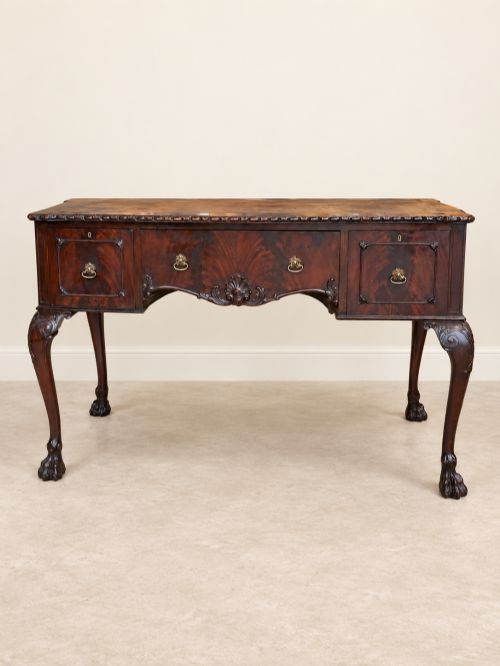
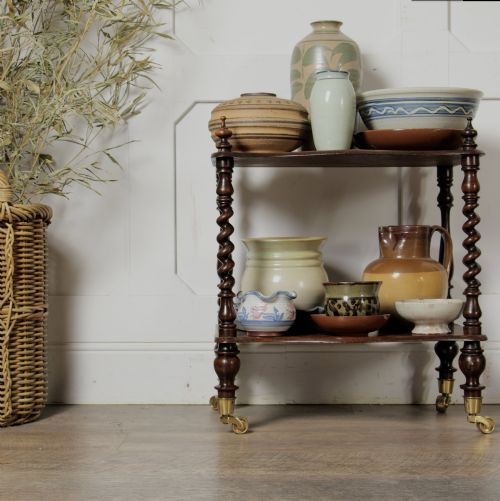
The sophistication of decorative details, from hand-turned barley twist supports to finely cast brass or ormolu mounts, separates standard production items from finer workshop commissions. The integrity of the original polish and the preservation of crisp carving further distinguish the finer pieces in the range.
François Linke
The Vintage Mahogany Side Table Glossary
- Mahogany
- A durable tropical hardwood known for its deep reddish-brown tone and resistance to warping. It became the dominant timber for quality furniture from the eighteenth century onwards.
- Satinwood
- A pale, lustrous timber utilised for contrasting cross-banding and inlay work on table tops and cabinet doors. Its bright yellow grain provides a striking visual counterbalance to dark mahogany.
- Nest of tables
- A set of graduated tables designed to fit neatly one beneath another when not in use. They gained particular favour during the Edwardian period for entertaining.
- Tripod table
- A small occasional table supported by a central pillar resting on three spreading feet. This form allows the table to stand firmly on uneven floors.
- Cross-banding
- A border of veneer laid around the edge of a table top with the grain running at right angles to the centre. This technique frames the primary timber and demonstrates skilled construction.
Vintage Mahogany Side Table: Frequently Asked Questions
What is a vintage mahogany side table used for?
These tables provide convenient surfaces for lamps, drinks, and books in living areas or bedrooms. Their compact dimensions make them adaptable for placement beside seating or against hallway walls.
Many variations include drawers or lower shelves that add practical storage for small household items without occupying substantial floor space.
How do I identify an Edwardian mahogany table?
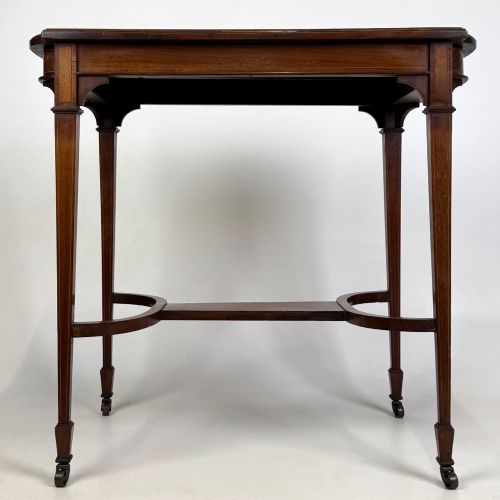
Edwardian examples often feature lighter proportions, satinwood inlay, and tapered legs influenced by Sheraton revival styles. They date from the period around nineteen hundred to nineteen hundred and ten.
Makers of this era favoured refined decorative elements such as boxwood stringing and satinwood cross-banding, distinguishing them from heavier Victorian designs.
How do I care for a mahogany side table?
Routine maintenance involves dusting with a soft, dry cloth and avoiding placement near direct heat sources or strong sunlight. These precautions protect the polished finish and prevent the wood from drying out.
Occasional application of appropriate wax polish helps to nourish the timber and maintain its natural lustre over time.