

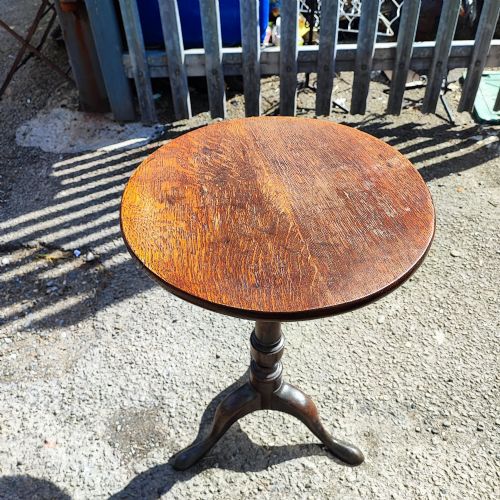
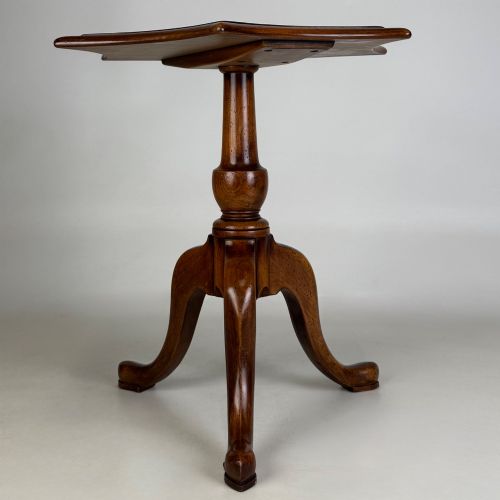
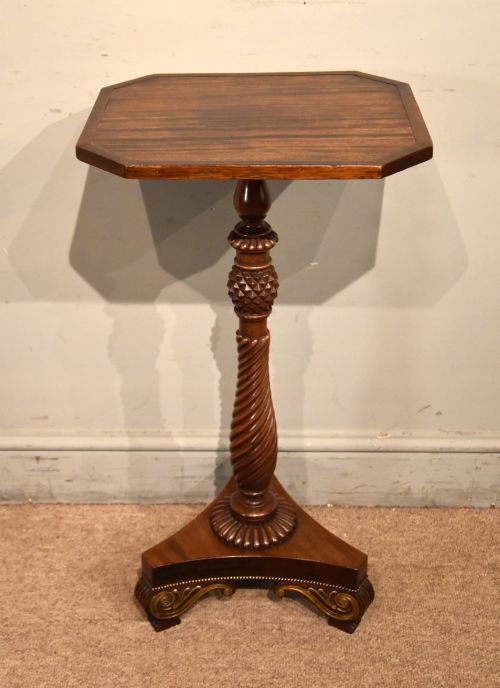
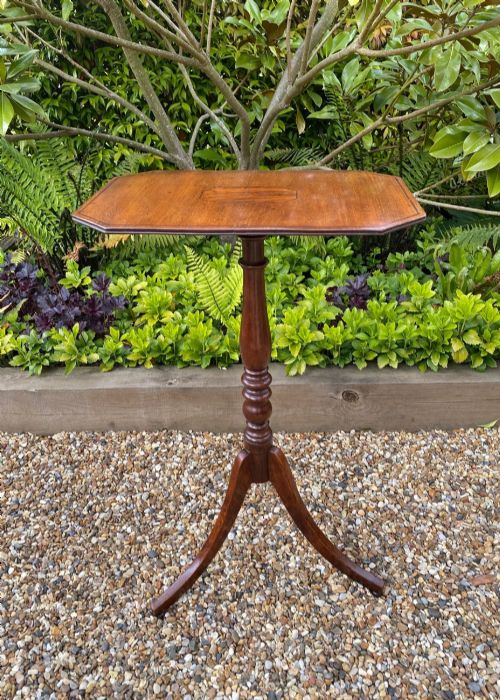
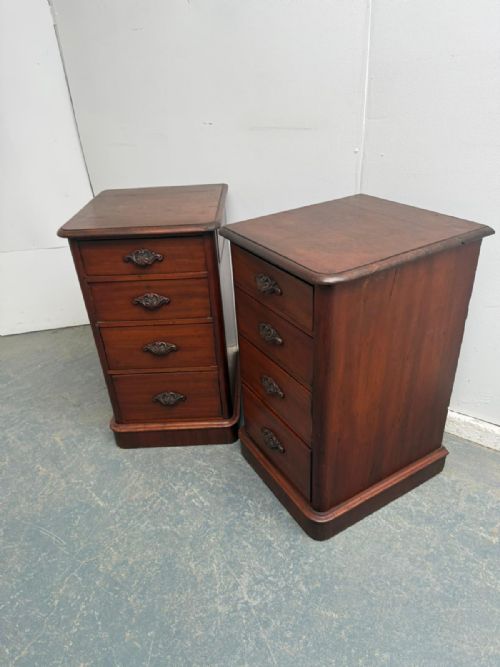
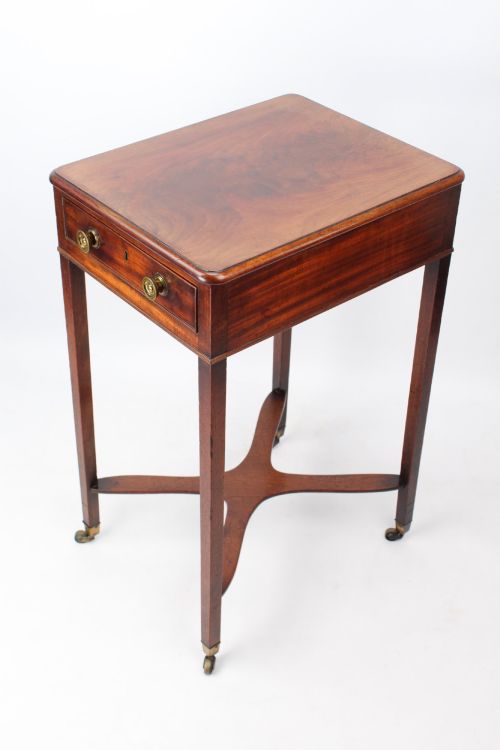
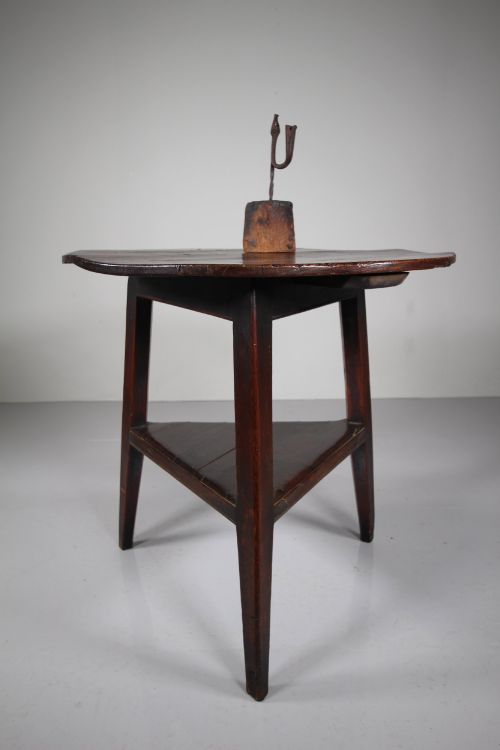
Georgian Lamp Table
When you search for a georgian lamp table, you are looking at small, purposeful stands designed to hold illumination beside a chair or bed.
Georgian Lamp Table
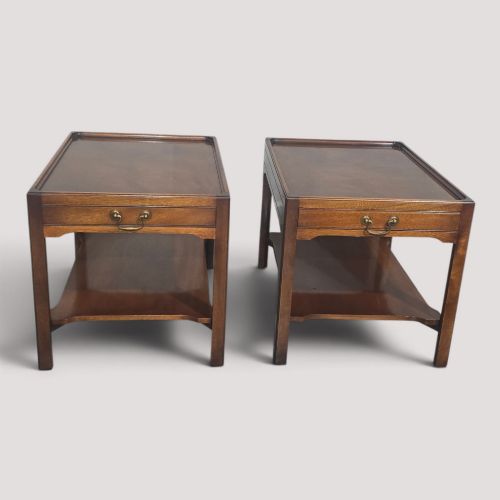
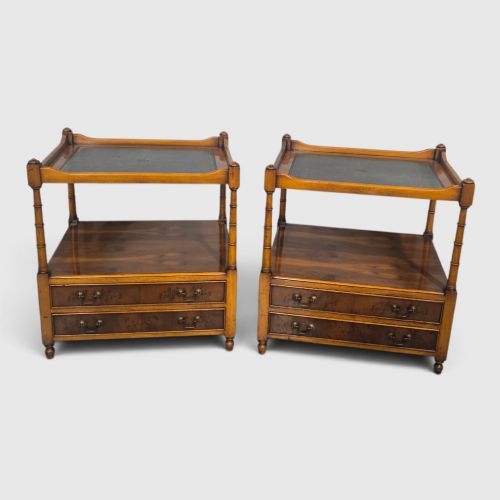
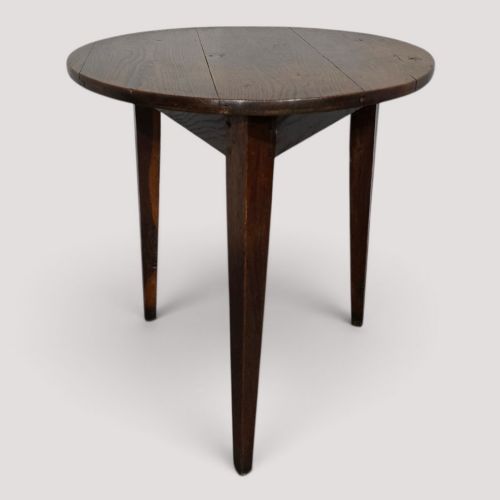
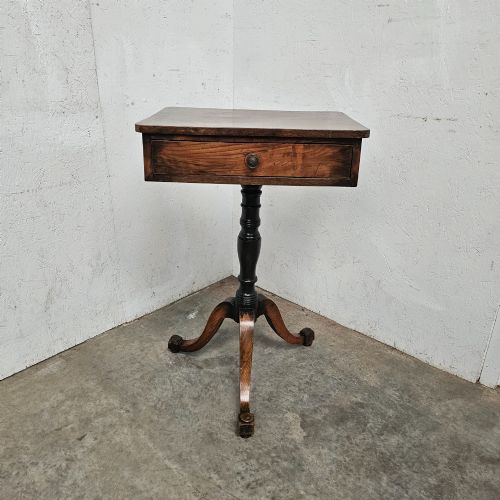
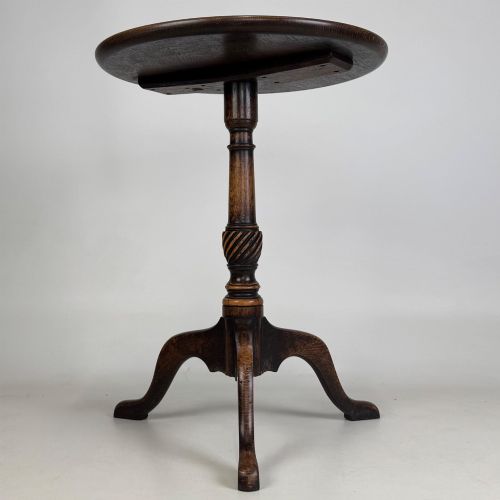
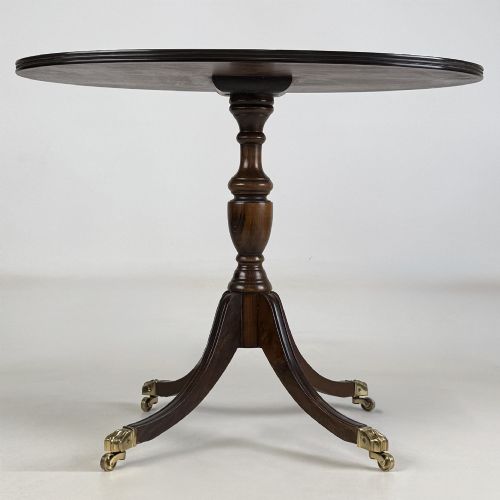
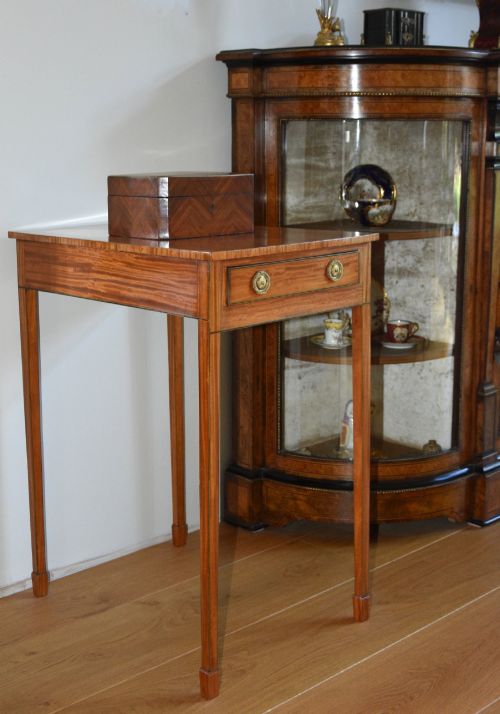
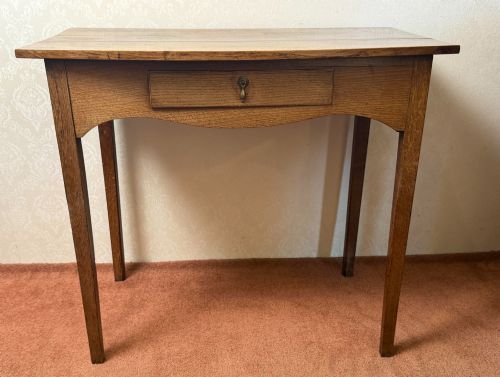
A georgian lamp table encompasses a variety of compact occasional surfaces, from tripod wine stands and spider leg tables to low bedside cabinets and tray top cupboards. The listings feature authentic 18th century examples alongside later 19th century interpretations and 20th century revivals.
Buyers will encounter single pedestal tables with tilt top actions, square side tables fitted with drawers, and occasional pieces inlaid with satinwood or marquetry. While genuine period items appear frequently, Georgian style reproductions from the Edwardian era and the 1920s and 1930s are equally common on this page.
The materials used across these forms range widely, with solid and flame grain mahogany dominating alongside oak, yew, walnut, fruitwood, and occasional painted finishes. Many of these pieces double as wine tables, candle stands, or bedside chests, reflecting their versatile origins in domestic spaces.
Materials and Construction
Cabinetmakers built these tables using dense hardwoods like mahogany and oak, often employing sturdy tripod bases with turned pillars for support. Tops were frequently fashioned from single boards of timber or veneered with burr oak and flame mahogany.
Joinery techniques included mortise and tenon joints for frames, dovetails for drawer construction, and intricate brass galleries or tambour fronts on specialised bedside pieces. Tilt top mechanisms relied on birdcage or snap actions allowing the surface to fold away when not in use.
Georgian Lamp Table Retail Price Guide 2026
Typical asking prices for georgian lamp table among the pieces listed under this phrase on Sellingantiques today, from the lower quarter to the upper quarter. They describe what is for sale here now, not the wider market.
Some tilt top tables spent their evenings tucked flat against parlour walls like stiff wooden sentinels waiting for the candles to be lit.
Evaluating Quality
The caliber of a georgian lamp table rests upon the choice of timber and the precision of its secondary details, such as hand cut dovetails and fine stringing. Superior examples display thoughtful proportions, stable pillar joints, and timber selections with rich, deep grain patterns.
Lesser pieces often show heavier proportions, standardised machine cutting in later revival models, or replacement elements on older tripod bases. The integration of brass hardware, whether drop handles or pierced galleries, distinguishes standard utilitarian stands from finer parlour furniture.
The Georgian Lamp Table Glossary
- Tripod table
- A small stand supported by a central pillar resting on three legs. These versatile forms were easily moved around a room for tea or lighting.
- Tilt top
- A hinged table surface that can be rotated and folded vertically to save space against a wall. This mechanism often utilises a small wooden catch or brass spring.
- Low boy
- A small side table with one or more rows of drawers, standing on relatively tall legs. They originated in the 18th century as dressing or serving tables.
- Pie crust rim
- A raised, decoratively carved edge shaped in alternating curves resembling pastry work. It prevents items from sliding off small occasional surfaces.
- Tray top
- A table surface featuring a shallow raised edge or gallery on all sides, designed to contain small objects. These are frequently found on bedside or lamp variants.
Georgian Lamp Table: Frequently Asked Questions
What is a georgian lamp table used for?
These pieces were originally designed to hold candlesticks, oil lamps, or small personal items beside seating areas and beds. Their compact size makes them adaptable for modern rooms as bedside stands or small accent tables.
They serve well beside sofas or reading chairs where a minimal surface footprint is required. Their historical variety ensures they fit easily into both traditional and contemporary interiors.
How do I tell an 18th century table from a later revival?
Original 18th century examples display hand cut joinery, timber shrinkage appropriate to age, and wear patterns consistent with centuries of use. Revival pieces from the Edwardian era or the 1920s often feature more uniform machine tooling and different secondary woods.
Examining the underside of the top and the interior of any drawers usually reveals the construction methods and tool marks characteristic of specific periods.
Are tilt top tables stable?
Tilt top tables rely on a central block and catch mechanism that secures the horizontal surface to the pillar. When the mechanism is well fitted, the top remains firm during normal daily use.
Over time, wear on the wooden catch can introduce slight movement, though this is a standard mechanical trait of antique tilt top furniture rather than a structural failure.
What woods were used for these tables?
Mahogany is the most frequent material seen in these listings, prized for its strength and rich dark colour. Oak was also widely utilised, particularly in earlier country pieces and sturdy tripod wine stands.
Finer examples incorporate decorative veneers such as satinwood, burr oak, and flame grain mahogany, often enhanced with contrasting string inlay.