

Edwardian Tilt Top Table
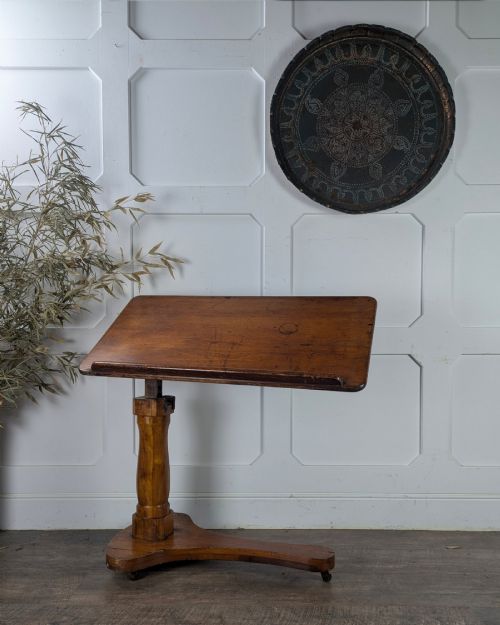
An edwardian tilt top table is a versatile surface designed to fold upright when not in use, combining practicality with refined domestic elegance.
Construction and Materials
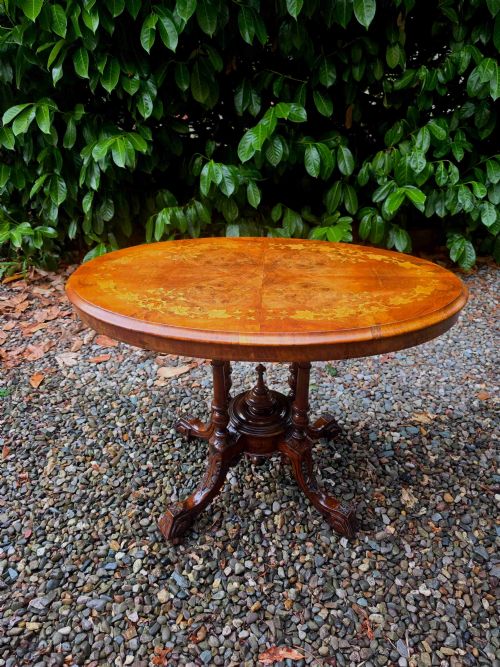
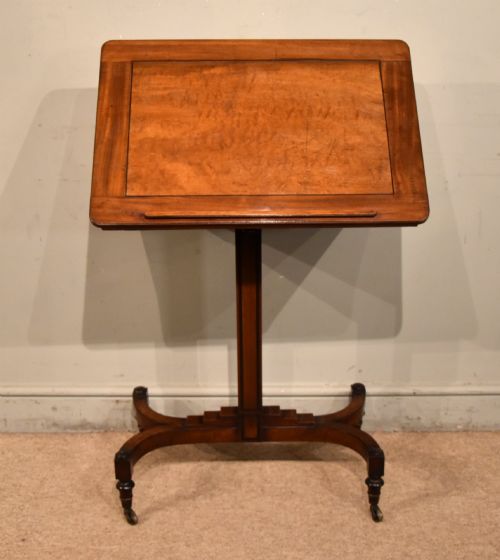
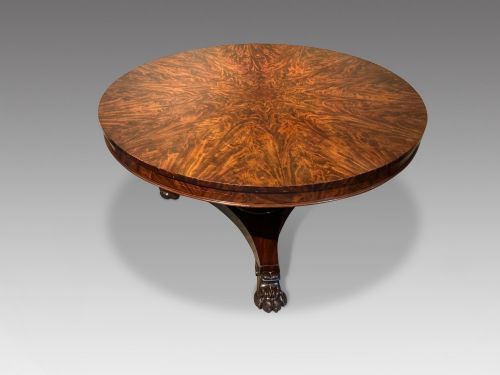
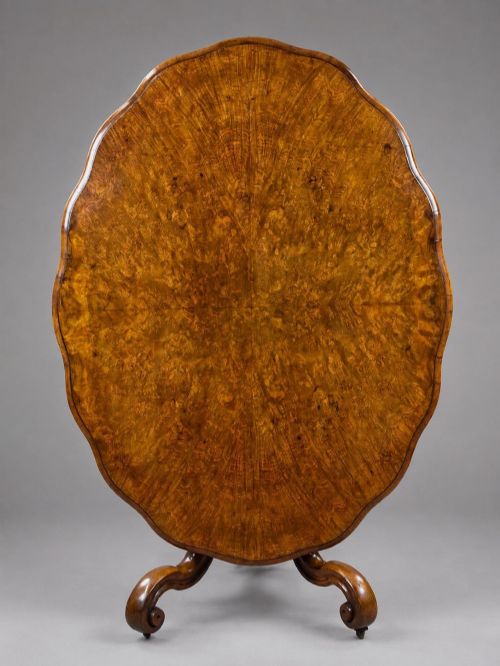
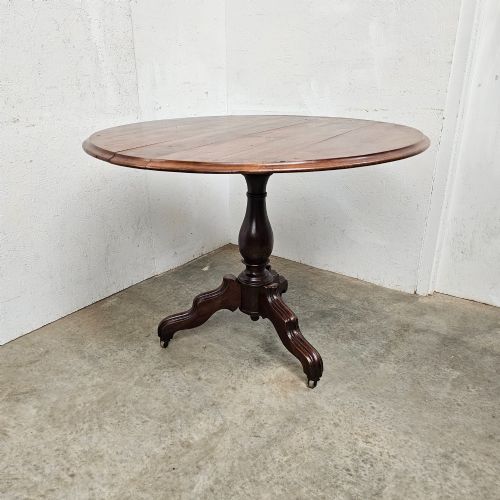
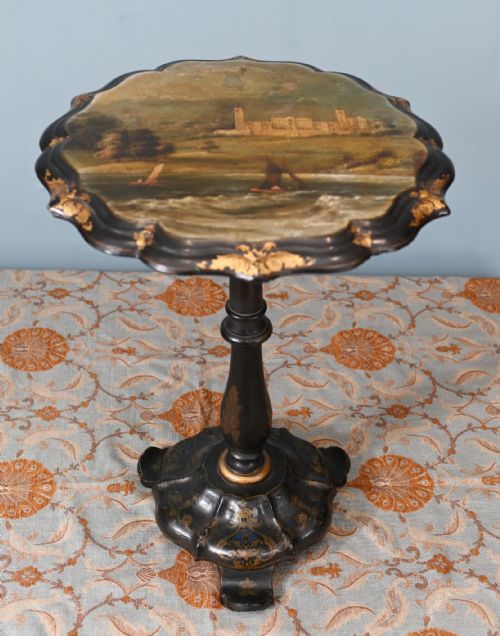
Cabinet makers relied primarily on mahogany, walnut, and burr walnut for the top surfaces, often selecting woods with rich grain patterns and adding contrasting boxwood inlay or crossbanded borders.
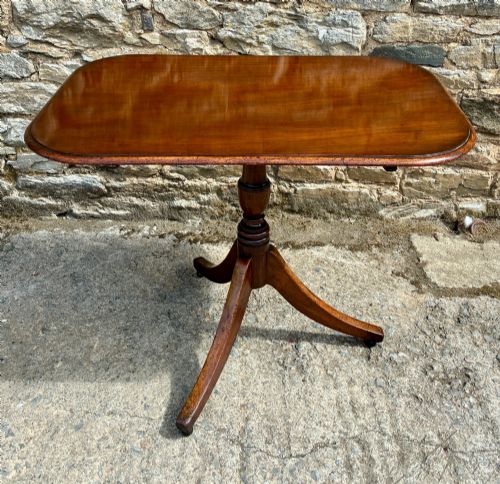
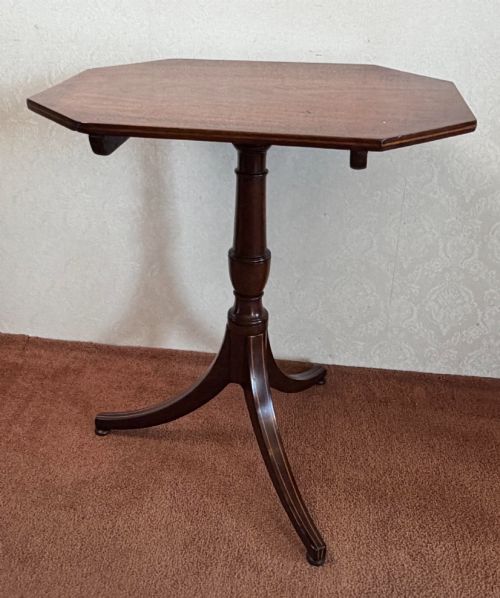
Structural elements like the central pedestal and tripod legs required seasoned hardwoods to support the weight of the tilting mechanism and the tabletop without warping.
Brass fittings, including hinges, catches, and lion-paw castors, provided both functional mobility and decorative contrast to the dark timber finishes.
Evaluating Quality
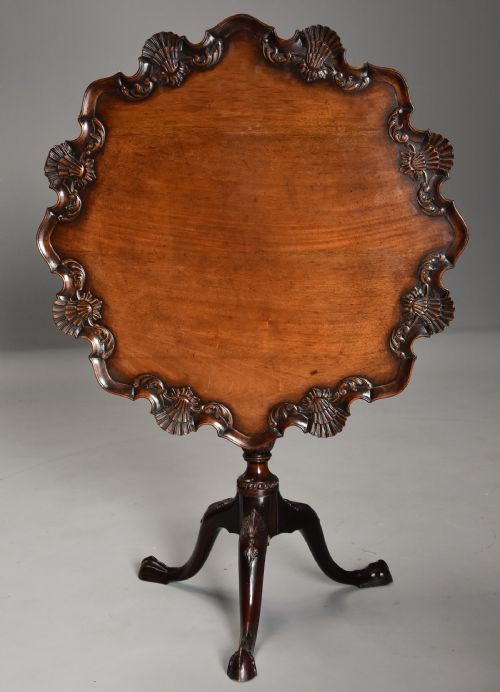
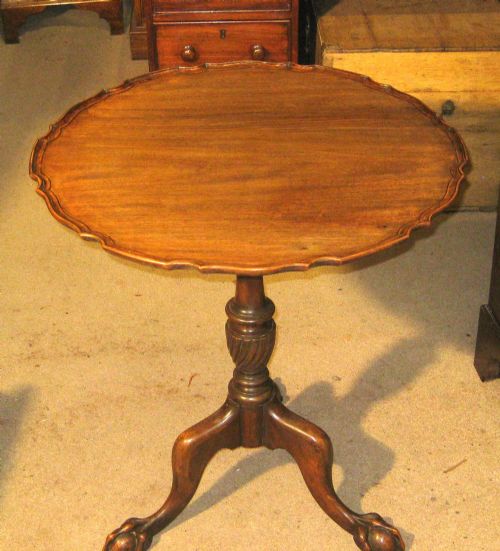
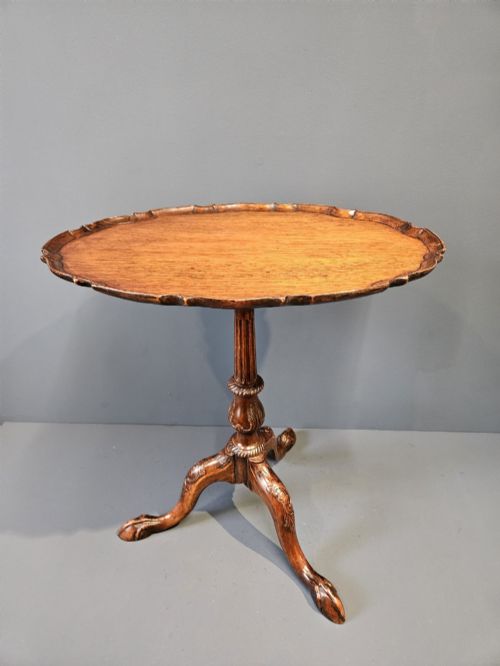
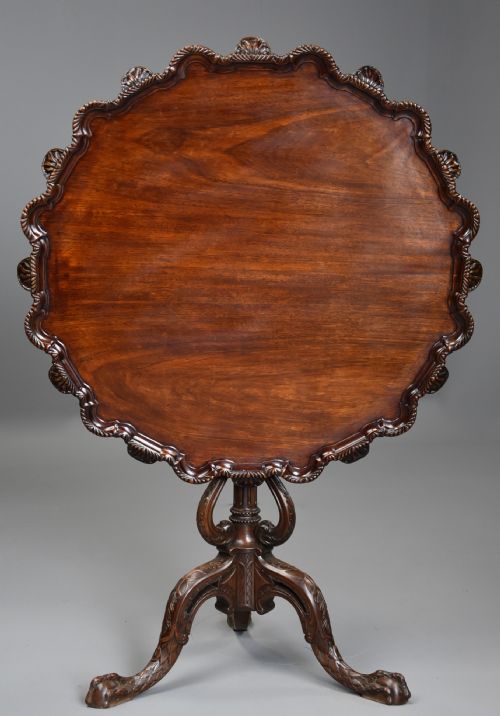
The distinction between standard examples and the finest pieces lies in the crispness of the carving, particularly along piecrust edges or tripod legs, and the selection of figured timber veneers.
A superior table demonstrates a secure, smooth tilting mechanism that locks firmly into position without wobble, alongside precise marquetry or inlay work that remains intact across the surface.
Edwardian Tilt Top Table Retail Price Guide 2026
Typical asking prices for edwardian tilt top table among the pieces listed under this phrase on Sellingantiques today, from the lower quarter to the upper quarter. They describe what is for sale here now, not the wider market.
Several pieces feature lion-paw brass castors, ensuring the table can stalk quietly across the parlour rug.
Edwards & Roberts
The Edwardian Tilt Top Table Glossary
- Tilt top
- A tabletop mounted on a hinge mechanism that allows the surface to rotate vertically for storage against a wall.
- Piecrust edge
- A raised, carved decorative border shaped in small undulating curves resembling pastry work on a pie.
- Tripod base
- A central pedestal support resting on three spreading legs, commonly terminating in feet or castors.
- Crossbanded
- A border technique where thin strips of veneer are laid around the perimeter of a tabletop with the grain running perpendicular to the centre.
- Marquetry
- Decorative patterns formed by fitting together contrasting pieces of wood veneer onto a solid surface.
Edwardian Tilt Top Table: Frequently Asked Questions
What is an edwardian tilt top table used for?
These pieces served primarily as occasional surfaces in drawing rooms and parlours, holding books, lamps, or tea service when lowered for use.
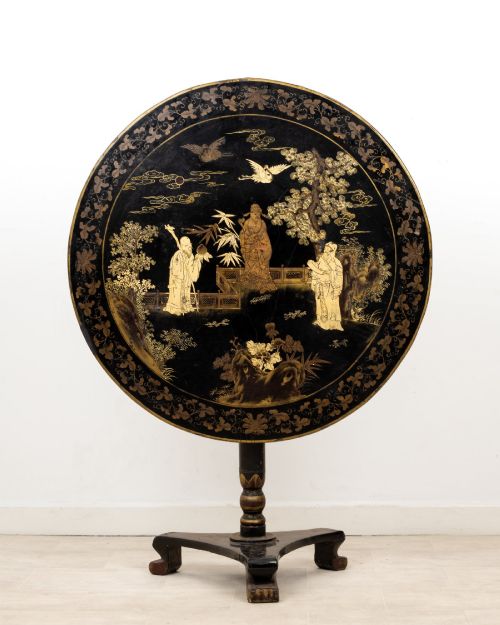
Because the top pivoted to a vertical position, households could easily push the furniture against a wall to clear floor space when the room was needed for other activities.
How do I operate the tilt mechanism?
Most examples rely on a brass catch or spring-loaded pin beneath the tabletop that releases the pivot lock when pressed.
Users should support the weight of the top with one hand while releasing the catch to ensure the mechanism rotates smoothly without straining the central hinge.
How do I tell Edwardian pieces from Victorian ones?
Edwardian tables generally display lighter proportions and often incorporate delicate satinwood or boxwood inlay reflecting Sheraton revivals.
Victorian counterparts tend to be heavier in construction, frequently utilising dark mahogany or heavily figured burr walnut with broader pedestal bases.
Will an edwardian tilt top table fit a small room?
The compact tripod footprint and folding surface make these tables well-suited to corners or narrow spaces where standard furniture would crowd the floor.
When stored vertically against a wall, they occupy minimal depth while retaining their decorative presence in the interior.