

Antique Book Table
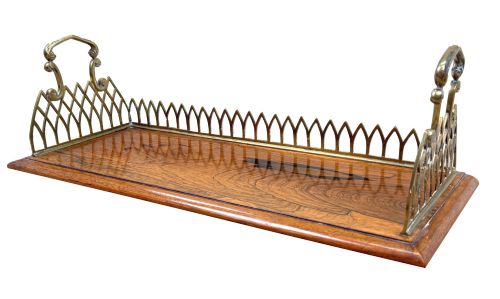
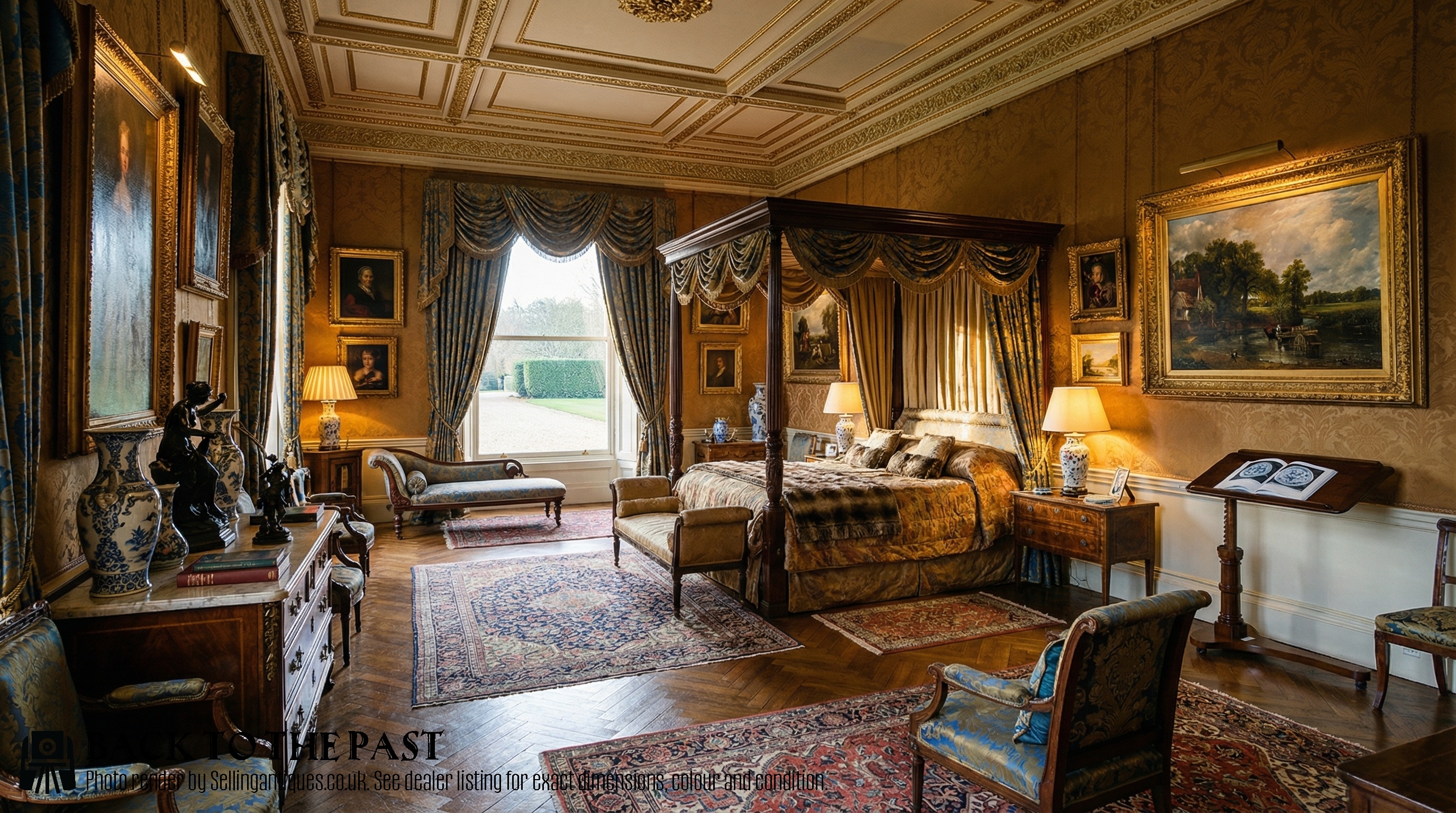
When you search for an antique book table, you are looking at practical furniture designed to keep volumes close at hand.
Antique Book Table
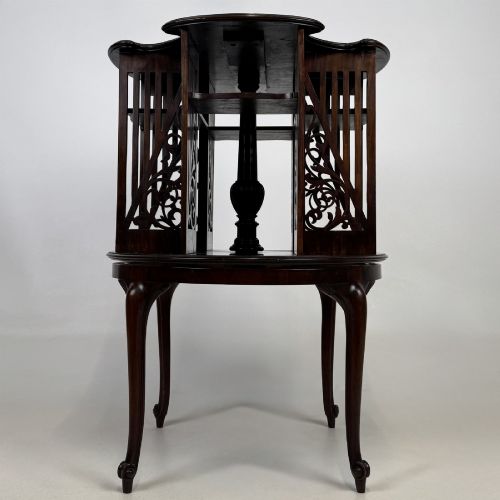
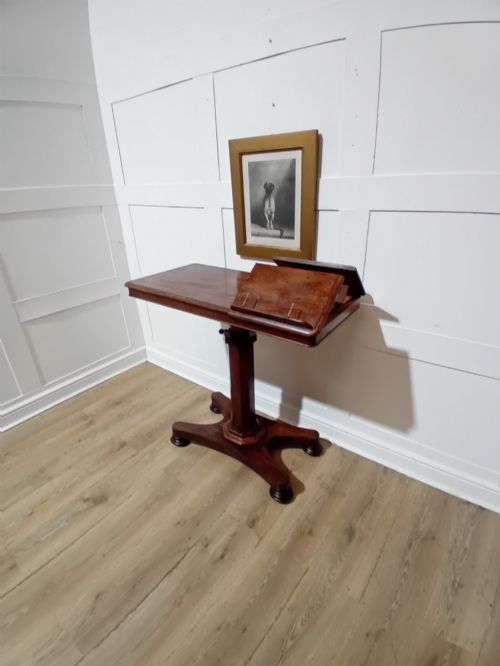
The selection also includes reading stands, lecterns, and occasional tables that double as book repositories. These pieces reflect the domestic habits of the nineteenth and early twentieth centuries, when portable and multi-purpose furniture served crowded libraries and drawing rooms.
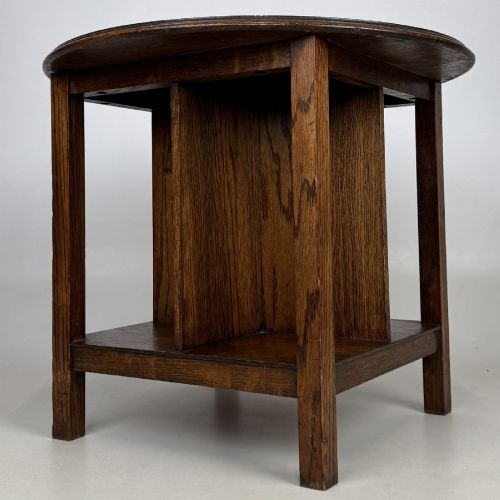
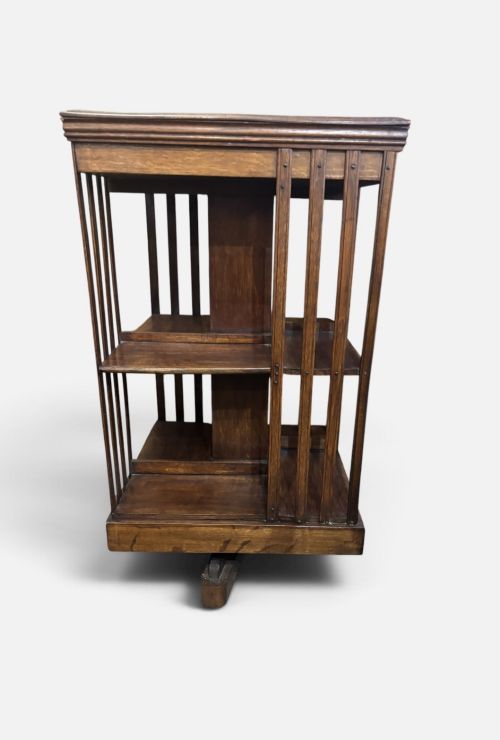
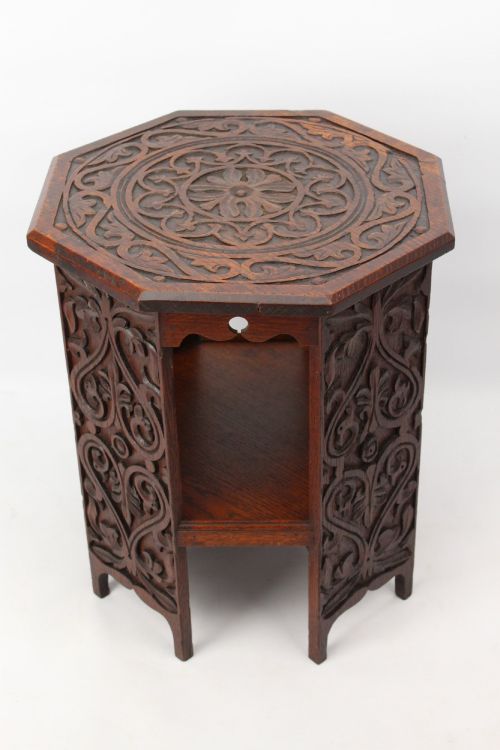
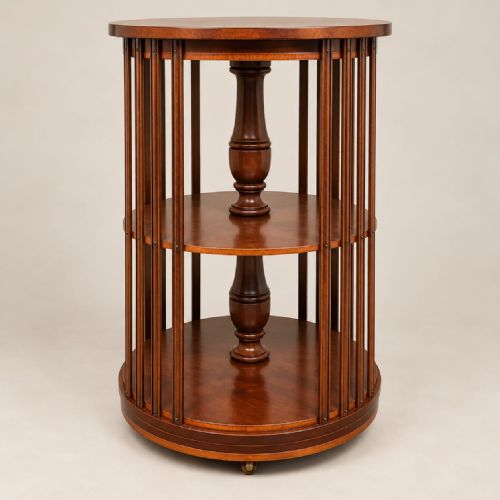
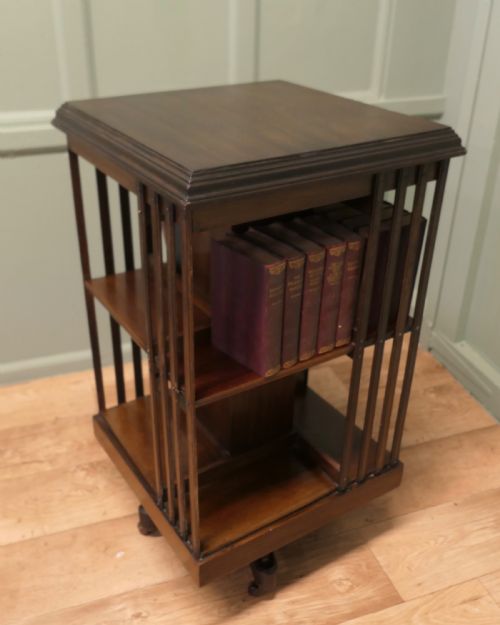
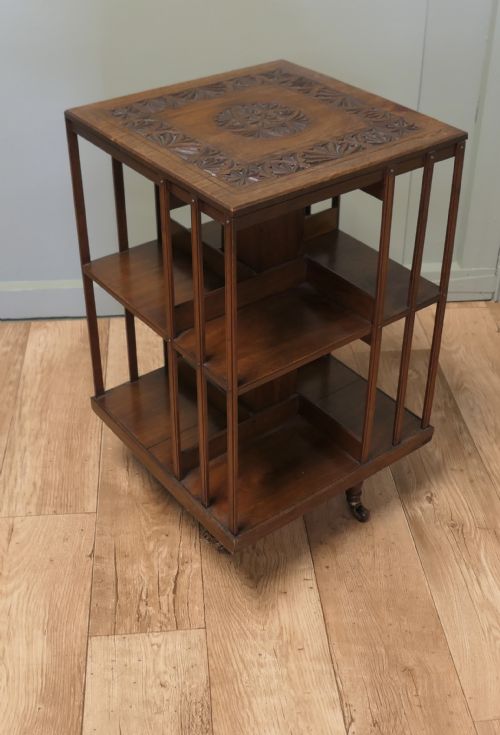
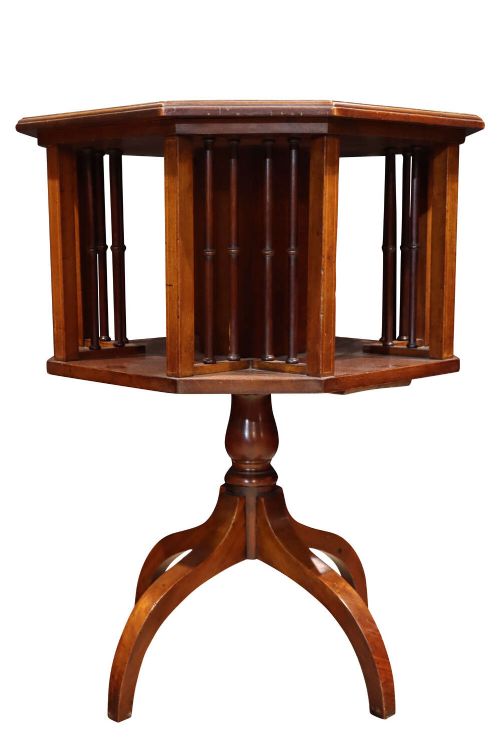
Makers utilised various formats, from compact tabletop revolving designs to low oak side tables and larger revolving cases. The pieces bridge the gap between heavy library shelving and accessible everyday furniture.
Materials and construction
Timbers such as mahogany, oak, and walnut form the structural core of these pieces, often selected for their durability and grain. Cabinetmakers combined these primary woods with brass fittings, leather inserts, and delicate satinwood or rosewood inlay.
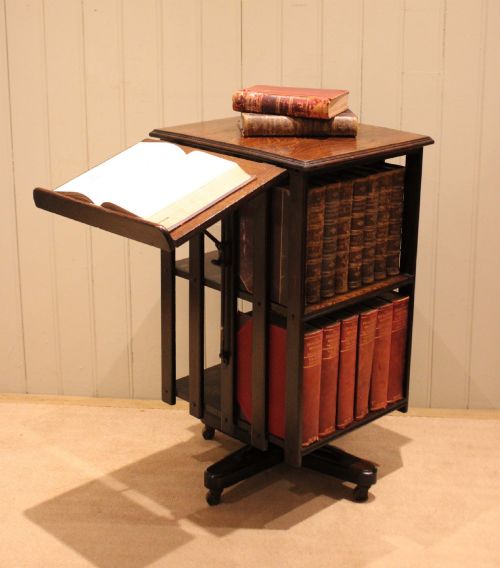
Construction techniques evolved to support movable elements like adjustable reading ledges and revolving platforms. Joinery was executed by hand, using solid timbers and occasional veneers to create stable frames that withstand daily use.
Antique Book Table Retail Price Guide 2026
Typical asking prices for book table among the pieces listed under this phrase on Sellingantiques today, from the lower quarter to the upper quarter. They describe what is for sale here now, not the wider market.
Some revolving bookcases turn so smoothly you can audition your entire library from a single armchair.
Assessing quality and execution
Quality rests in the precision of the joinery and the selection of timber figures, such as flame mahogany or burr walnut. Superior pieces exhibit crisp inlay work, smooth revolving mechanisms, and well-fitted adjustable components that operate without binding.
The weight of the timber and the stability of the base distinguish finer examples from standard utilitarian pieces. Attention to secondary details, including brass hardware and secondary wood choices, marks the distinction between workshop levels.
Heals·Leonard Wyburd·Williams Gibton
The Antique Book Table Glossary
- Revolving bookcase
- A freestanding or tabletop case mounted on a concealed pivot, allowing books to be accessed easily from any seated position.
- Sutherland table
- A type of drop-leaf table with narrow flaps supported by swinging gate legs, frequently adapted for reading and occasional use.
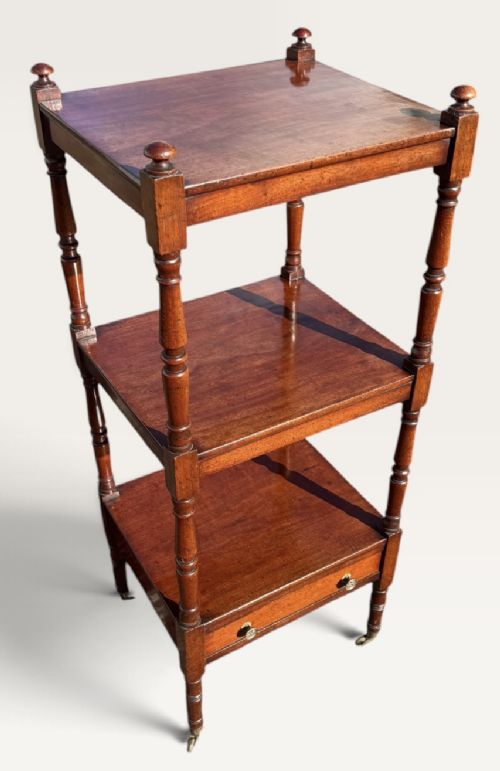
- Whatnot
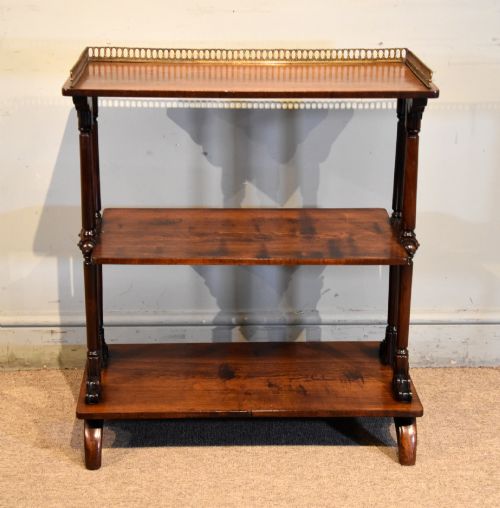
- An open set of multiple shelves used for displaying and storing books and ornaments, popular throughout the nineteenth century.
- Lectern
- A slanted stand designed to hold a book or sheet music at an ergonomic angle for reading or presentation.
Antique Book Table: Frequently Asked Questions
What is an antique book table used for?
These tables were designed to keep current reading material, reference volumes, or sheet music organised and within arm's reach of a chair or desk. They provided a compact solution for domestic spaces before the advent of extensive built-in shelving.
Over time, many of these pieces transitioned from strict library utility into general living room furniture, holding decorative objects alongside everyday books.
How do I identify an Edwardian book table?
Edwardian pieces often feature lighter woods like satinwood, delicate string inlay, and polished mahogany frames produced around the turn of the twentieth century. They tend to have refined proportions and a brighter finish compared to earlier Victorian furniture.
Revolving bookcases from this era frequently display crossbanding and simple bracket feet rather than heavy carved ornament.
Were these tables made for libraries or homes?
They were built primarily for domestic sitting rooms, studies, and drawing rooms where a full-sized bookcase was impractical. Their dual function as tables and book storage made them ideal for personal reading spaces.
Larger versions served institutional libraries, but most surviving examples were tailored for private household use.
How do revolving book tables work?
A revolving book table relies on an internal wooden or iron spider mechanism concealed beneath the shelves. This pivot allows the entire superstructure to turn smoothly on a fixed heavy base.
The engineering ensures that a loaded bookcase remains stable and balanced while spinning to present different titles to the reader.