

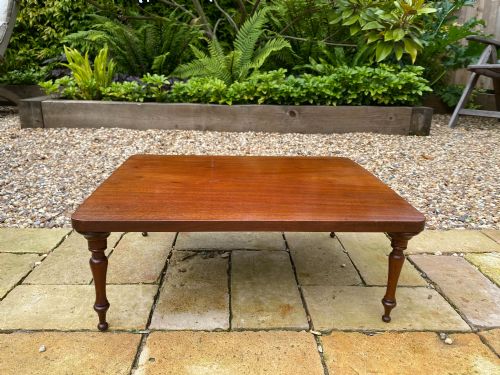


Victorian Bed Table
A victorian bed table brings ingenious nineteenth-century engineering directly to the bedroom, offering adjustable comfort and compact utility.
Victorian Bed Table
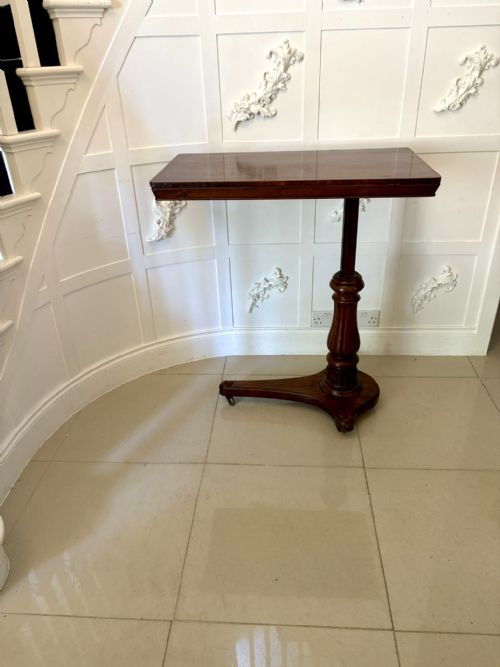
A victorian bed table encompasses adjustable reading stands, over-bed surfaces, and compact bedside cabinets designed for nineteenth-century domestic life.
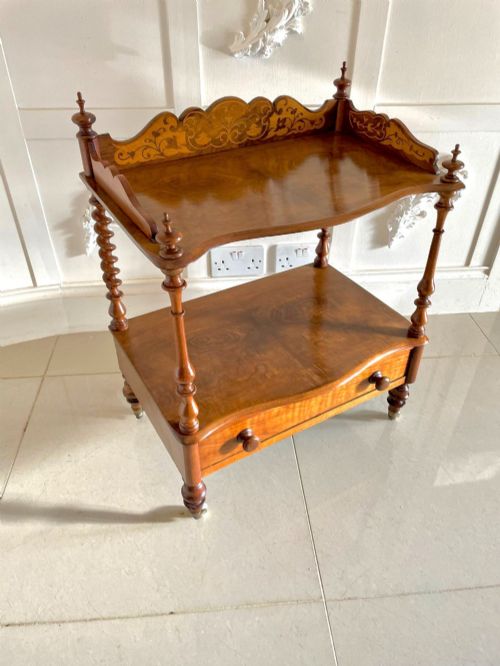
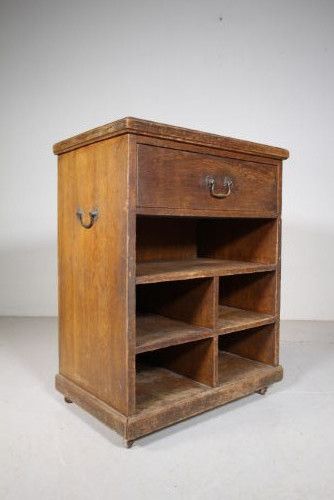
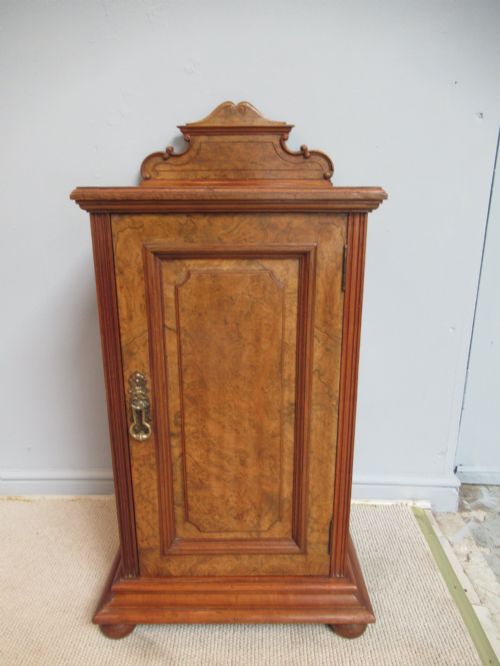
The versions most frequently encountered on this page are mahogany reading stands, walnut bedside cupboards, and pine storage boxes.
These items originate primarily from the nineteenth century, reflecting the periods commonly catalogued as Victorian, Edwardian, and late nineteenth century.
How they were made
Cabinet makers utilised dense hardwoods such as mahogany, walnut, burr walnut, and satinwood, frequently pairing them with secondary pine and oak.
Structural engineering incorporated cast iron mechanisms for height adjustment, alongside brass fittings, marble tops, and detailed wood inlays.
Victorian Bed Table Retail Price Guide 2026
Typical asking prices for victorian bed table among the pieces listed under this phrase on Sellingantiques today, from the lower quarter to the upper quarter. They describe what is for sale here now, not the wider market.
Several pieces double as mobility aids, meaning nineteenth-century invalids enjoyed breakfast in bed with better engineering than most modern hotel trays.
What varies in quality
Quality rests upon the selection of timber veneers, such as figured mahogany or burr walnut, and the precision of the joinery.
Mechanical complexity separates standard bedside storage from sophisticated adjustable reading tables equipped with original cast iron hardware and maker stamps.
Waring And Gillows·Carters Of London·Maple And Co·Holland And Sons·Hindley And Son
The Victorian Bed Table Glossary
- Campaign table
- A portable folding table designed for military officers on the move during the nineteenth century. These items typically feature brass corners and collapsible legs.
- Bedside cabinet
- A small enclosed cupboard or chest positioned beside a bed to hold night-time essentials. They often contain a single drawer above a panelled door.
- Burr walnut
- A prized wood harvested from the wart-like growths on walnut trees, yielding swirling, highly decorative grain patterns. Cabinet makers applied it as a veneer on luxury nineteenth-century furniture.
- Satinwood
- A luminous hardwood known for its golden yellow sheen and smooth texture. It served as a primary solid timber or decorative veneer for high-end bedroom furniture.
- Adjustable reading stand
- A specialised table with a tilting top and rising column mechanism. Users positioned these over beds or chairs to hold books and writing materials.
Victorian Bed Table: Frequently Asked Questions
What is a victorian bed table used for?
These tables served various domestic functions, primarily supporting reading, writing, and dining for individuals confined to bed.
Over-bed stands allowed books or meals to hover comfortably above the mattress, while bedside cabinets provided discreet storage for nighttime items.
How do I identify a genuine period piece?
Authentic nineteenth-century pieces display traditional construction methods, such as hand-cut dovetail joints in drawers and natural ageing on the timber.
Inspect the hardware for period-appropriate brass fittings and check for maker stamps left by workshops on locks or interior surfaces.
Can I use these tables in a modern bedroom?
These compact items integrate easily into contemporary spaces, serving as functional bedside stands, lamp tables, or occasional surfaces.
Adjustable reading stands also function well as compact laptop desks or book holders in a study or lounge.
What materials are typical for these tables?
Makers relied heavily on sturdy timbers like mahogany, walnut, and pine, frequently enhancing the visual appeal with burr walnut or satinwood veneers.
Functional elements often incorporate cast iron for adjustable frames, brass hinges, and occasional marble inserts on cabinet tops.