

Antique Adjustable Table
An antique adjustable table adapts its height or angle for reading, writing, and display, bringing mechanical ingenuity to period interiors.
Antique Adjustable Table
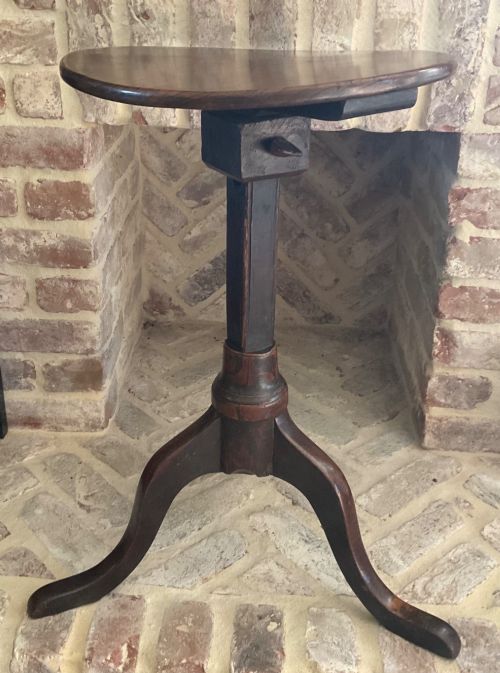
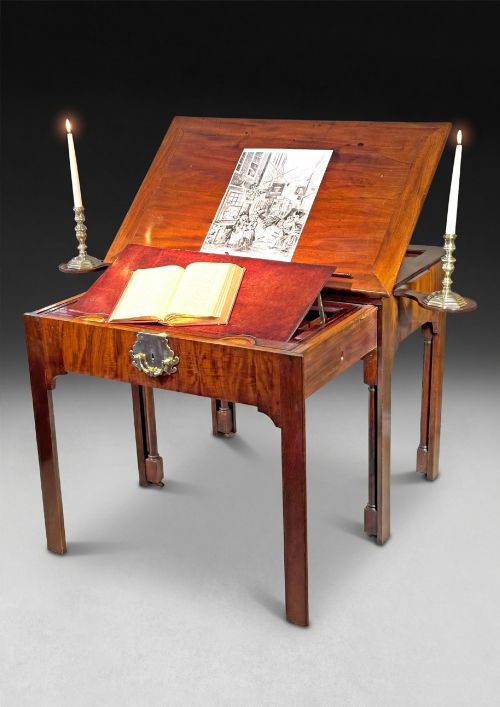
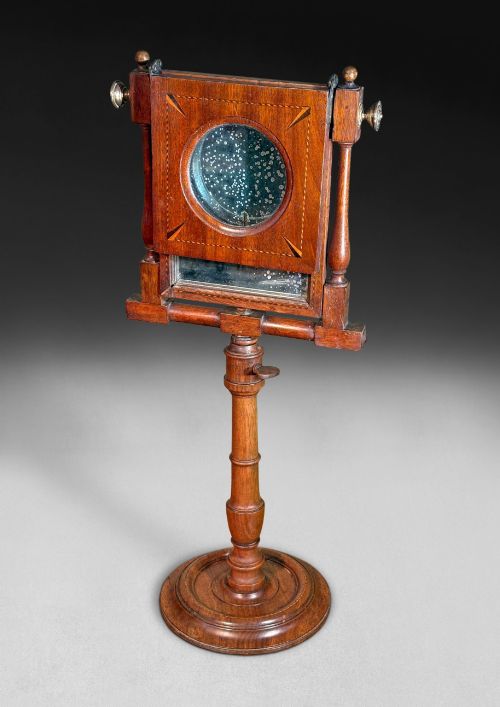
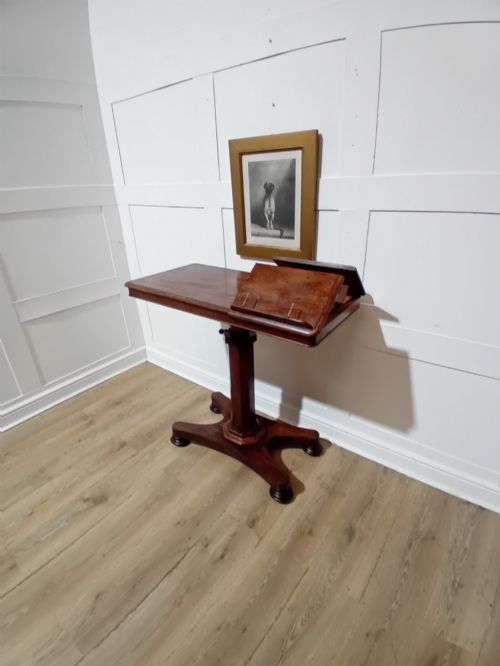
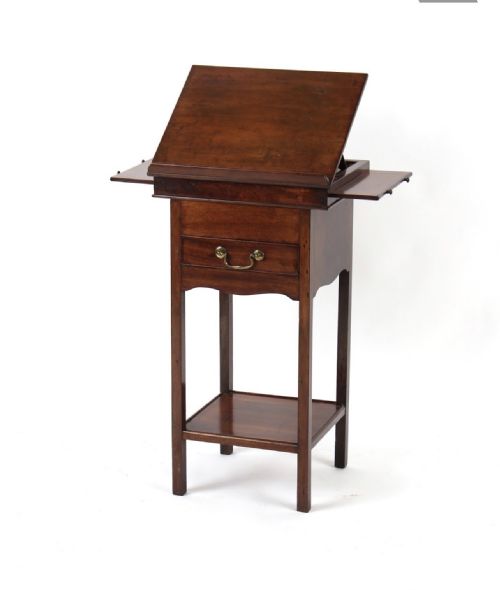
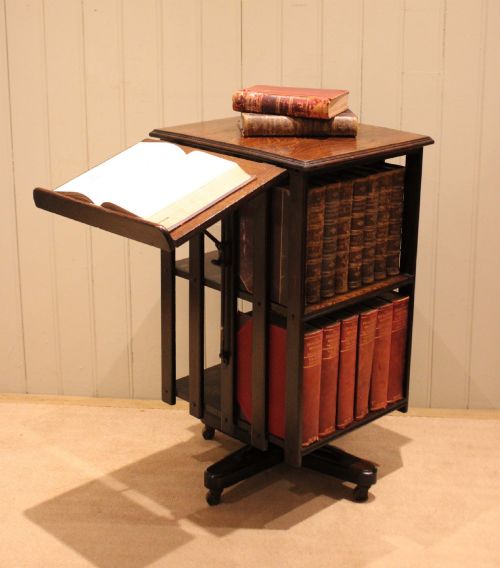
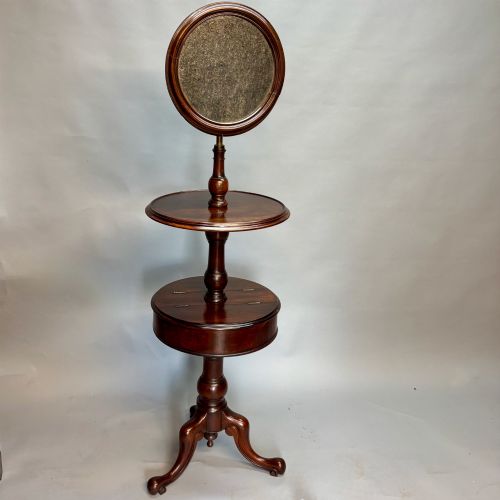
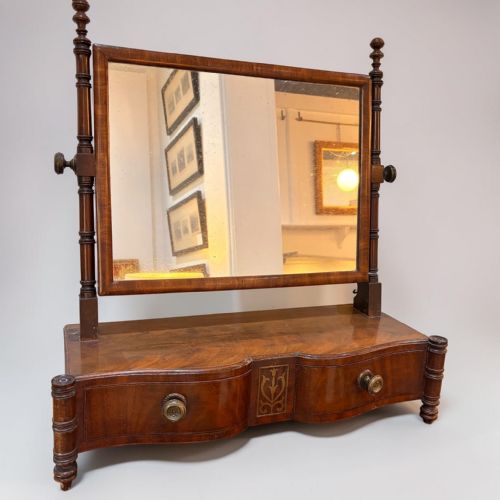
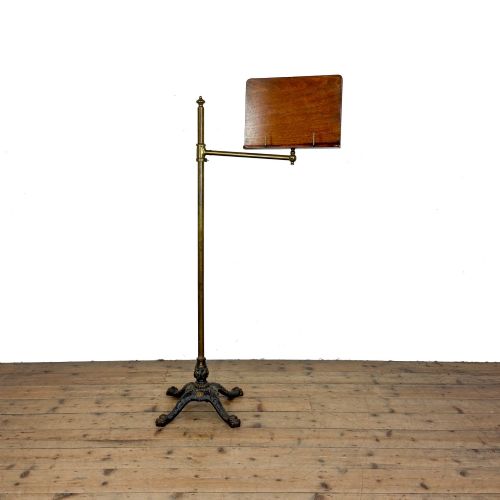
When you search for an antique adjustable table, you encounter diverse mechanical forms designed for specific domestic tasks rather than generic placement. The selection includes reading stands, music stands, and library tables engineered to alter height or incline.
Victorian and nineteenth-century examples dominate the offerings, alongside pieces from the Regency, Edwardian, and later periods up to the nineteen-thirties. Mahogany, rosewood, and walnut form the primary timber structures, frequently paired with brass mechanisms or leather inserts.
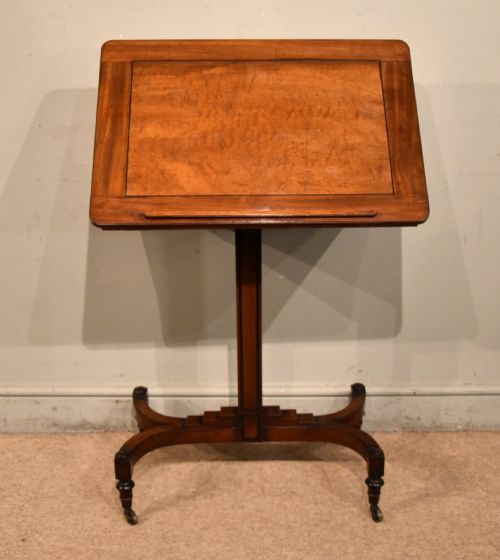
The objects serve practical domestic functions, from bedside reading to serving food or displaying items on a tabletop. Their utility lies in the sliding stems, ratchets, and screws that modify the top to suit the user.
Materials and Mechanics
Cabinetmakers utilised dense hardwoods like mahogany, walnut, and rosewood to construct the frames and tops, ensuring stability despite moving joints. Brass fittings, telescopic pillars, and cast-iron components provide the sliding and pivoting action required for adjustment.
Joinery techniques combined traditional framing with metal ratchets, screw threads, and counterweights. These hidden or exposed mechanical parts allow smooth vertical travel or tilting without compromising the structural integrity of the timber base.
Antique Adjustable Table Retail Price Guide 2026
Typical asking prices for adjustable table among the pieces listed under this phrase on Sellingantiques today, from the lower quarter to the upper quarter. They describe what is for sale here now, not the wider market.
Victorian readers clearly enjoyed studying their folios while perched on twisting piano stools.
Assessing Craftsmanship
Quality rests upon the precision of the mechanical adjustment and the smoothness of the timber's grain and polish. Finer pieces conceal their engineering neatly or display crisply cast brass components that operate without sticking.
The selection of timber veneers, secondary woods, and the crispness of turned pillars distinguish standard workshop production from superior cabinet work. A well-preserved finish and tight, original joints elevate an example above repaired or loose alternatives.
W.A.S. Benson·Wild and Wessel·Thomas Organ Co
The Antique Adjustable Table Glossary
- Telescopic
- A mechanism utilising concentric tubes sliding one inside another to alter height. This allows the reading surface to rise or lower smoothly.
- Ratchet
- A gear-like mechanism with a tooth-tipped wheel and pivoting catch that locks a reading desk at a chosen angle. It holds the book rest firmly in place.
- Buffet
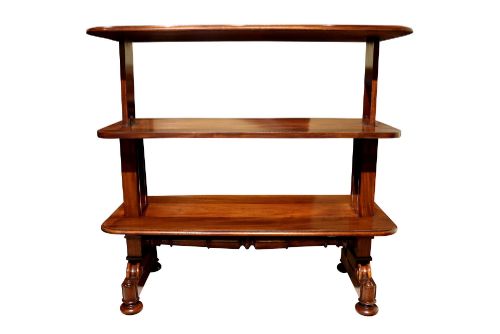
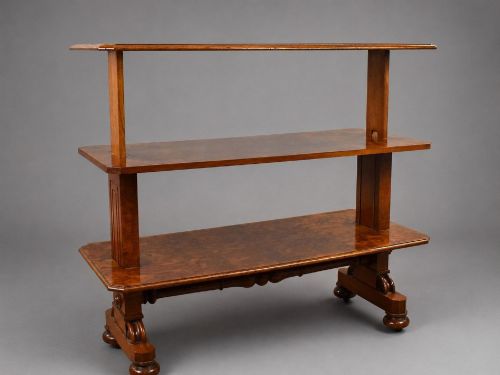
- A movable tiered serving table, occasionally fitted with adjustable shelves or rising tiers. It served dining rooms during the nineteenth century.
- Cast iron
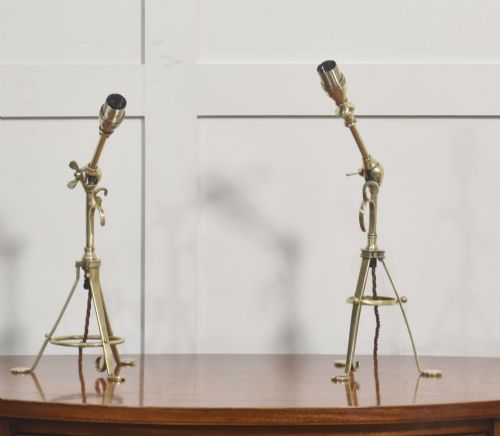
- A heavy, durable alloy cast in moulds, used for the weighted bases of heavy stands and lamps. It provides stability for extended arms.
Antique Adjustable Table: Frequently Asked Questions
How do you adjust the height?
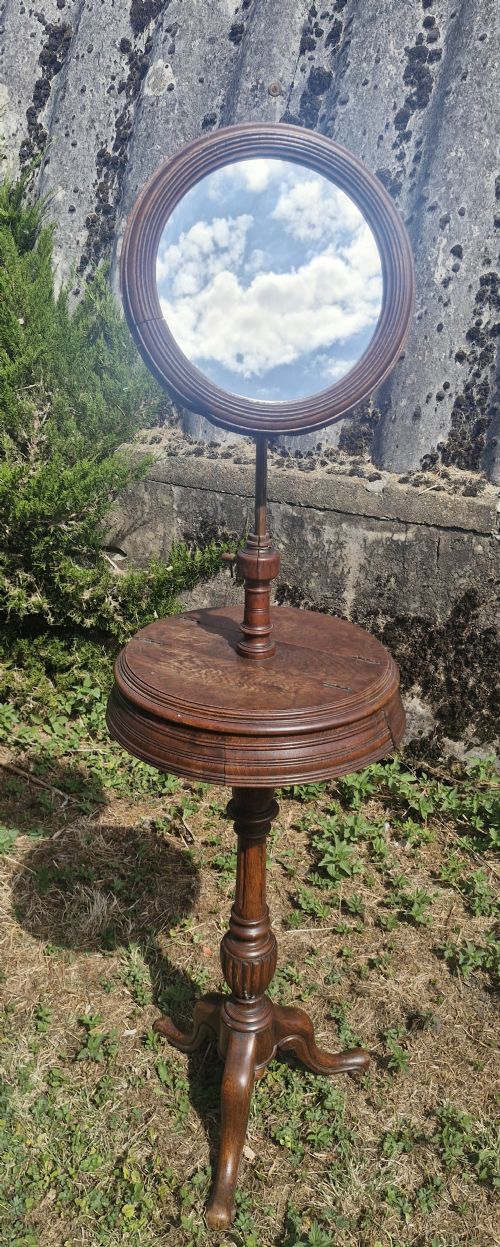
Most pieces rely on a central telescopic pillar secured by a thumbscrew or a spring-loaded catch. Turning or releasing this allows the upper shaft to slide freely to the desired level.
Heavier reading tables might utilise a rack-and-pinion system or internal counterweights operated by a side handle. This mechanism assists the movement of heavily laden timber surfaces.
Were these used in offices or homes?
They served primarily in domestic libraries, drawing rooms, and studies for reading folios, holding sheet music, or writing letters. Wealthy households employed them wherever tailored comfort was required.
Institutional settings like offices and architectural studios also utilised specialised drafting desks and swivel chairs. These commercial variants prioritized robust daily utility over decorative mahogany veneers.
How do I care for the mechanism?
Keep the sliding brass or iron stems clean and lightly lubricated with a suitable oil to prevent binding. Avoid forcing rusted or stuck screws without applying a proper penetrating fluid first.
Period timber surfaces benefit from regular waxing and protection from direct sunlight and extreme humidity. This maintains the polish without interfering with the moving joints.
How do I date an adjustable table?
Examine the timber species, turning styles, and fixing screws to determine the manufacturing era. Regency and William IV examples feature distinctive rosewood or mahogany grain and bold pillar supports, whereas Edwardian pieces often incorporate lighter inlaid decoration.
Patination on the brass components and the wear patterns on sliding parts offer further clues to age. Machine-threaded screws generally point to later nineteenth-century or twentieth-century production.