

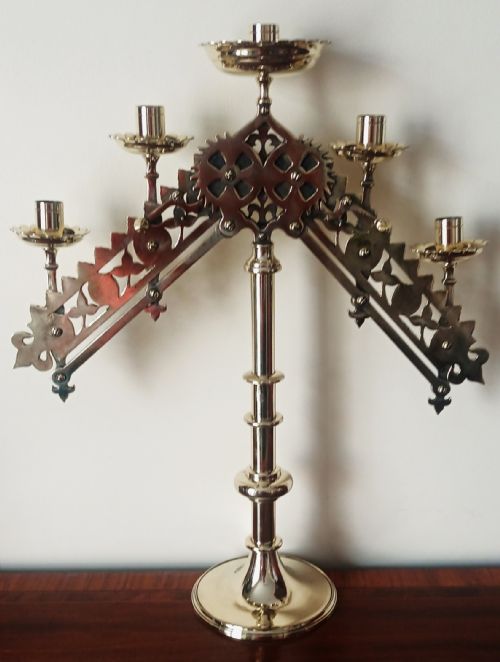
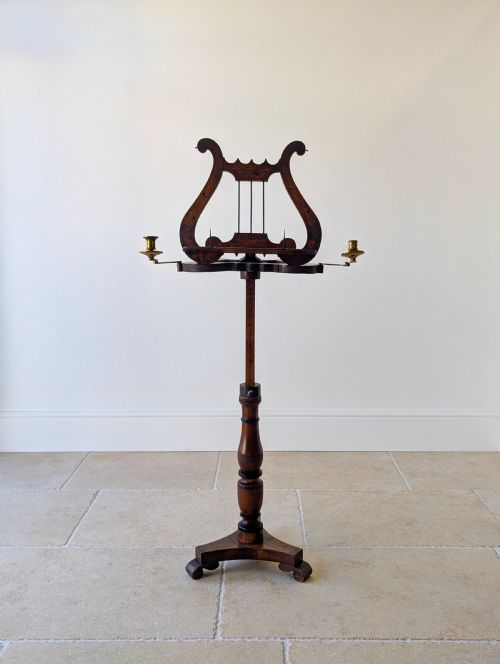


Adjustable Candle Stand
An adjustable candle stand brings mechanical ingenuity to domestic lighting, letting you raise or lower the flame for precise illumination.
Adjustable Candle Stand
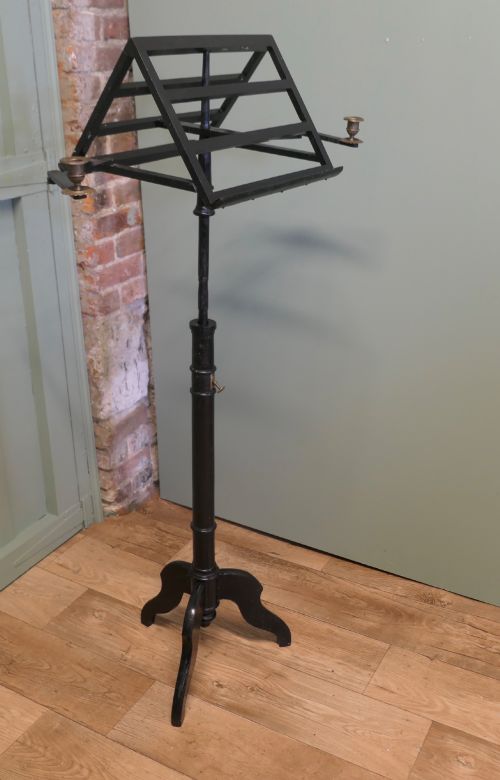
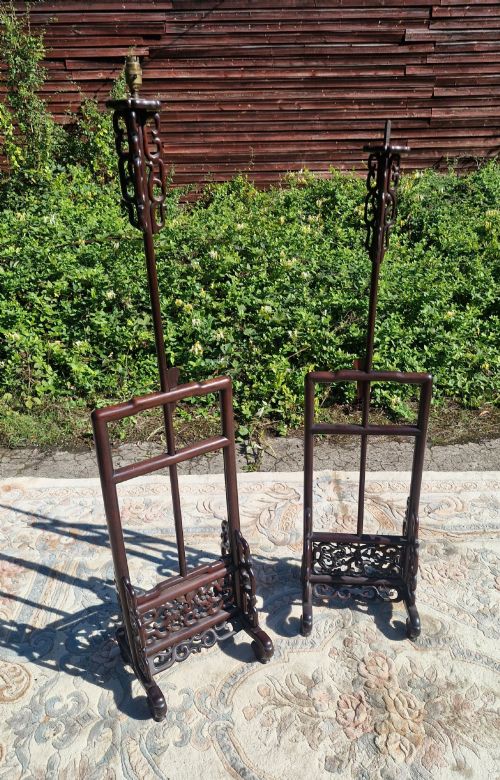
When you search for an adjustable candle stand, you encounter pieces designed to alter height through telescopic stems, screw mechanisms or sliding brackets. These items span the Georgian, Regency and Victorian eras, alongside Arts and Crafts and Traditional Chinese examples.
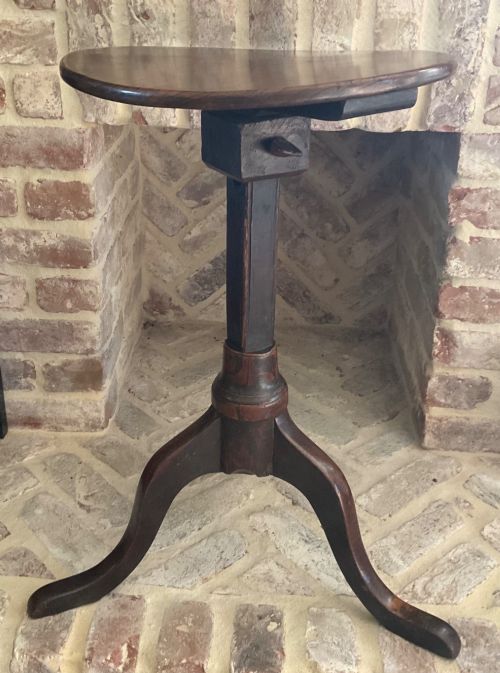
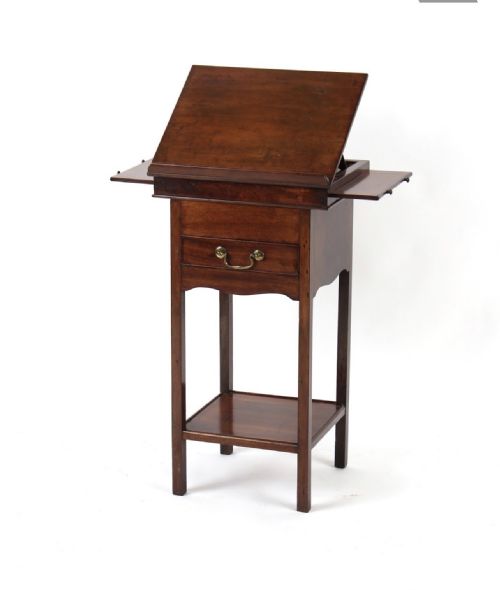
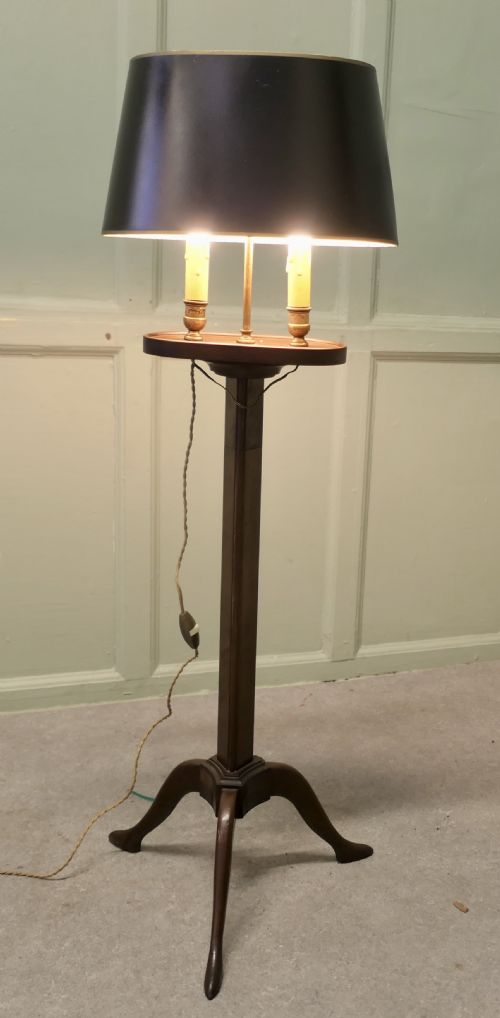
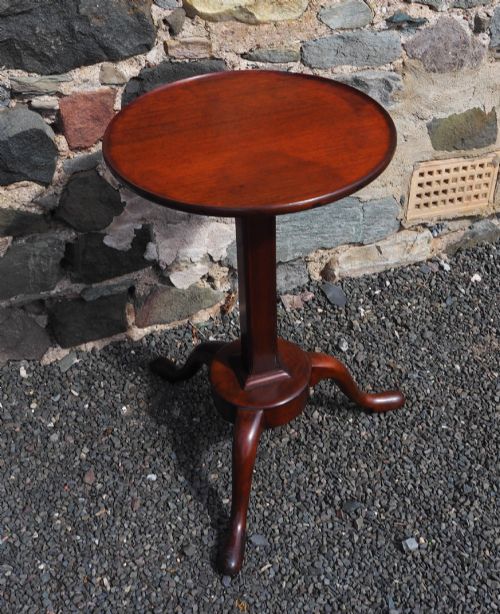
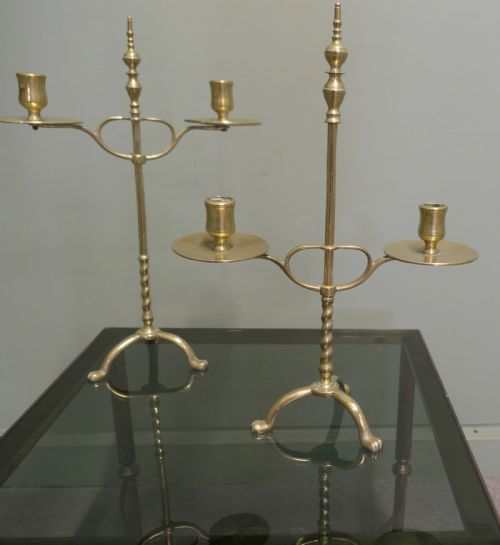
The most common form you meet on this page is the mahogany tabletop or floor-standing candle stand, often featuring turned shafts or tripod legs. Alongside these, brass and Sheffield plate telescopic candlesticks appear frequently, designed to project light downwards over desks or reading tables.
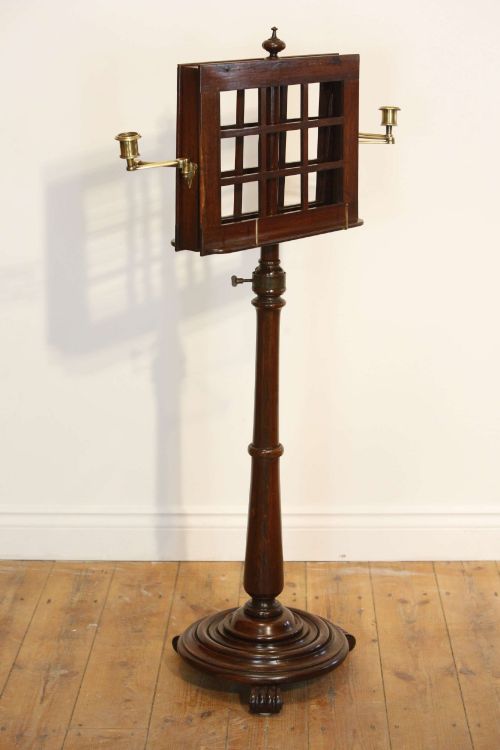
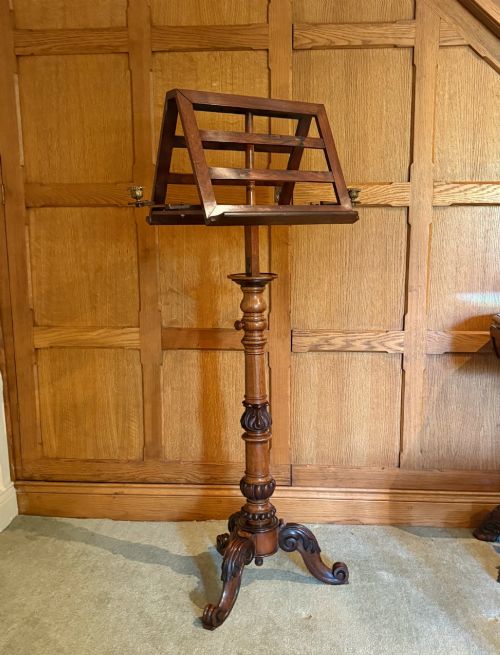
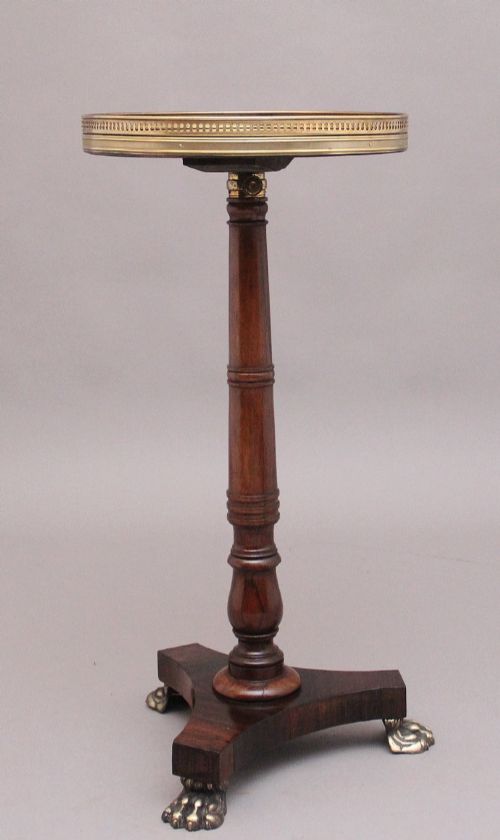
Other variations merge functions, such as music stands, shaving mirrors and display tables adapted to hold candles or lamps. Oak, walnut, rosewood and fruitwood represent the timber choices, while cast iron and copper appear in heavier utilitarian formats.
Materials and Construction
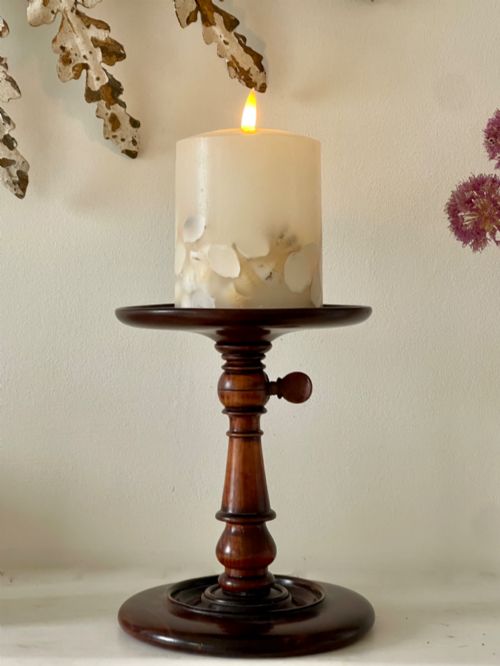
Cabinetmakers utilised dense timbers like mahogany, walnut and rosewood for wooden stands, turning solid shafts on lathes and fashioning cabriole or tripod bases. Treen examples highlight the skill of working fruitwood and hardwood into slender, functional stems.
Metal versions rely on brass, copper, cast iron and Sheffield plate, employing sliding tubes or threaded keys to secure the height adjustment. Plating techniques fused thin sheets of silver onto copper cores, creating durable candlesticks with a lustrous finish.
Adjustable Candle Stand Retail Price Guide 2026
Typical asking prices for adjustable candle stand among the pieces listed under this phrase on Sellingantiques today, from the lower quarter to the upper quarter. They describe what is for sale here now, not the wider market.
Materials recorded across the inventory include brass, mahogany, cast iron, walnut, silver, copper, hardwood, and Sheffield plate.
Evaluating Craftsmanship
Quality rests in the precision of the mechanical action and the rigidity of the telescopic mechanism when extended. Superior examples operate smoothly without slack in the sliding collars or stripped threads in the adjustment screws.
The choice of timber and the crispness of the turned mouldings distinguish finer pieces from utilitarian workshops. Heavier gauge brass and thick silver plating on Sheffield pieces indicate higher grade production designed for affluent interiors.
GILLOWS·AFC
The Adjustable Candle Stand Glossary
- Telescopic
- A mechanism of concentric tubes sliding one inside another to allow height adjustment. This engineering principle defines the classic adjustable candlestick.
- Sheffield Plate
- A material created by fusing a thin sheet of silver to a thicker copper base under heat and pressure. It predates electroplating and shows a characteristic warm lustre.
- Rat De Cave
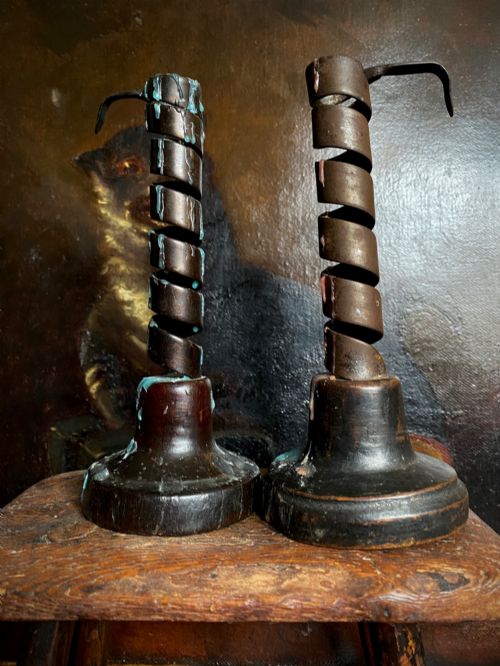
- A French term for a low portable candle holder, often featuring a spiral spike or sliding mechanism. It was designed to sit in cellars or on tables.
- Articulated
- Joined with hinges or pivots that allow movement in multiple directions. This permits the repositioning of arms and shades.
Adjustable Candle Stand: Frequently Asked Questions
How do adjustable candle stands work?
These pieces utilise internal springs, thumbscrews, sliding collars or telescopic brass tubes to lock the stem at different heights. This mechanical adjustment allowed users to direct light precisely where needed for reading or working.
Heavier wooden stands often relied on wooden wedges or threaded wooden screws, while metal variants employed brass keys to secure the upper shaft inside the lower pillar.
What periods do these stands come from?
The pieces span from the early 18th century through the Georgian, Regency and Victorian eras, into the Arts and Crafts movement and the 1920s. Georgian and Victorian examples dominate the available selection.
Earlier pieces favour turned mahogany and oak, while the 19th century introduced articulated brass arms and Sheffield plate telescopic designs.
Where were these stands used in a home?
They stood beside reading chairs, on top of writing desks, or next to pianofortes where adjustable light was essential. Tall floor versions illuminated dark corners or served as music and display stands.
Tabletop variants offered portable illumination that could be moved between rooms as daylight faded.
How should I care for wooden and metal stands?
Wooden stands require occasional waxing with a suitable polish to nourish the grain of mahogany, walnut or rosewood. Avoid placing them near direct heat sources that could dry out the timber.
Metal components in brass or Sheffield plate benefit from gentle dusting, avoiding harsh commercial dips that strip historic patination from the surface.