
Antique Side Table Mahogany
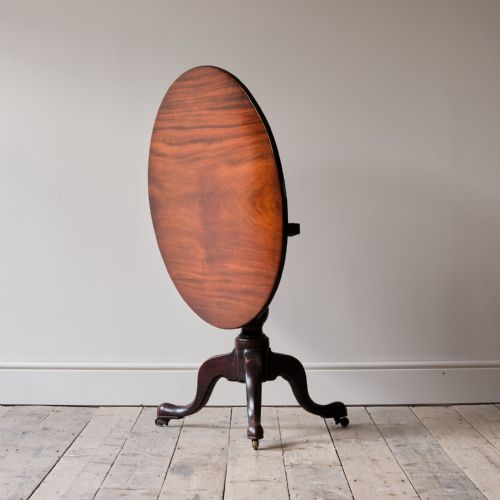
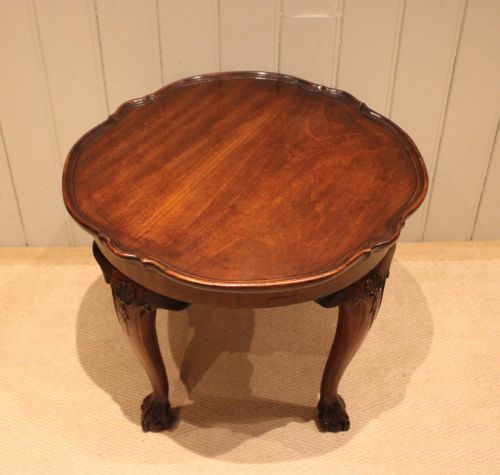
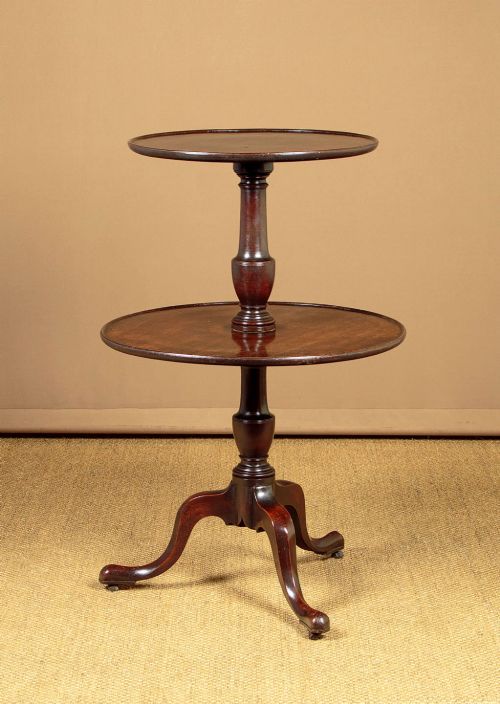
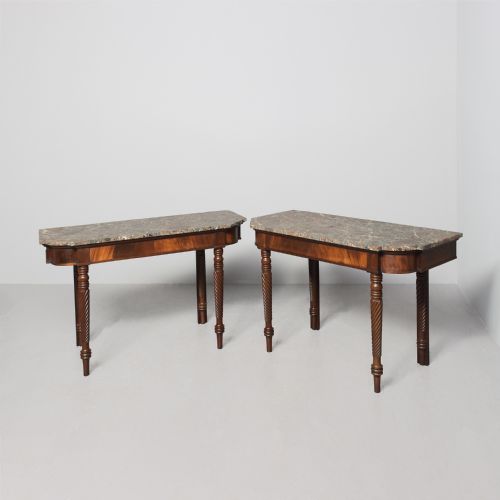
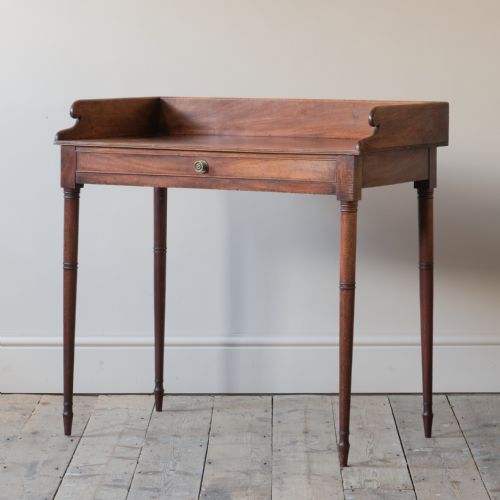
These antique side table mahogany pieces offer practical surfaces and rich timber character, spanning Georgian, Regency and Victorian eras.
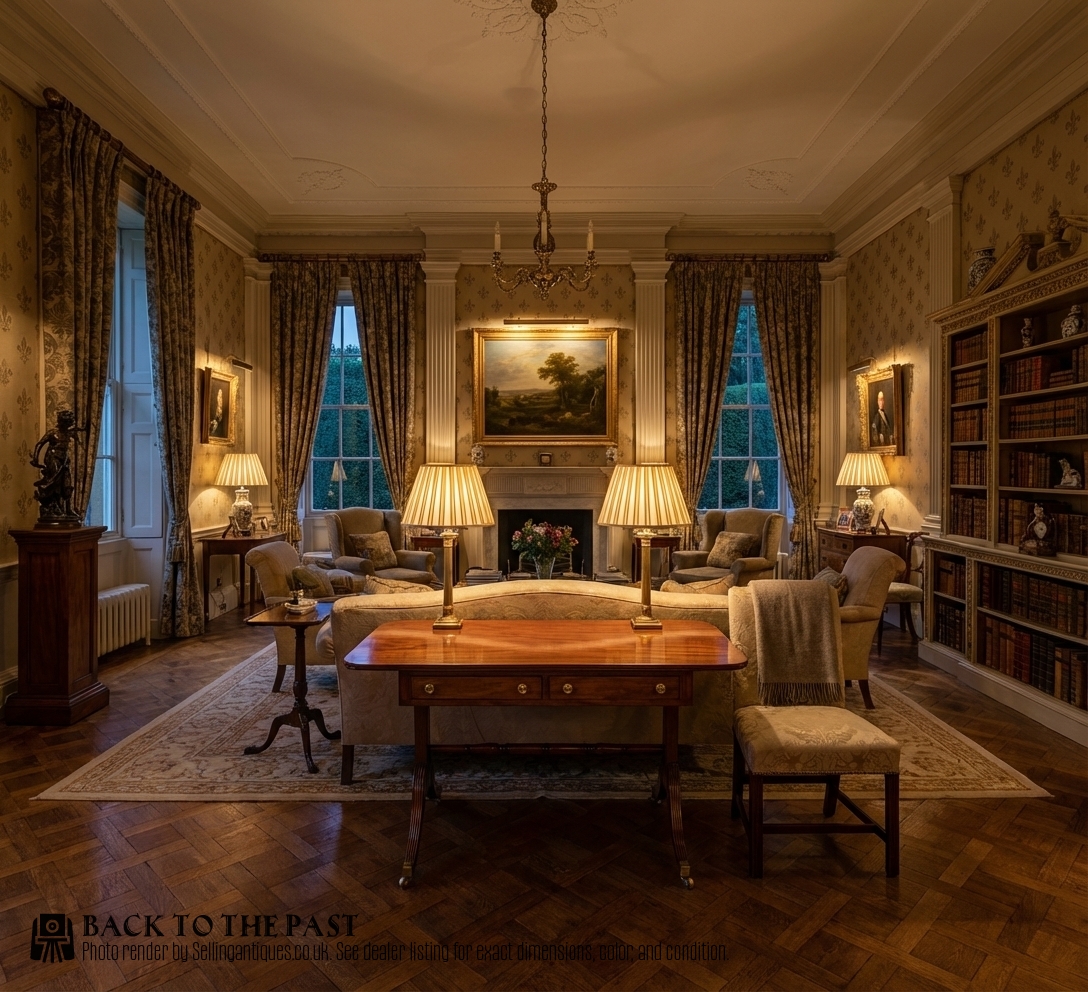
What an antique mahogany side table is
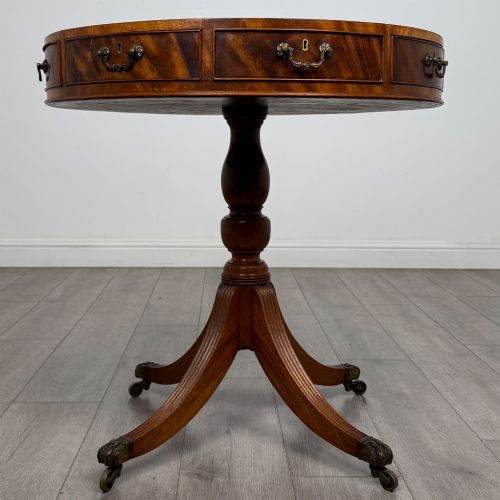
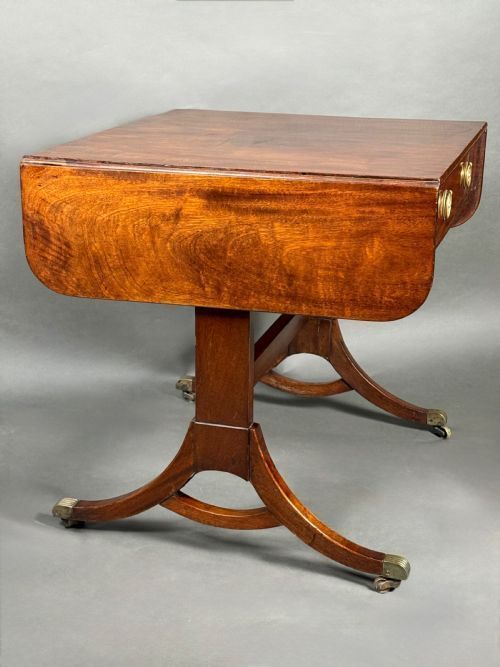
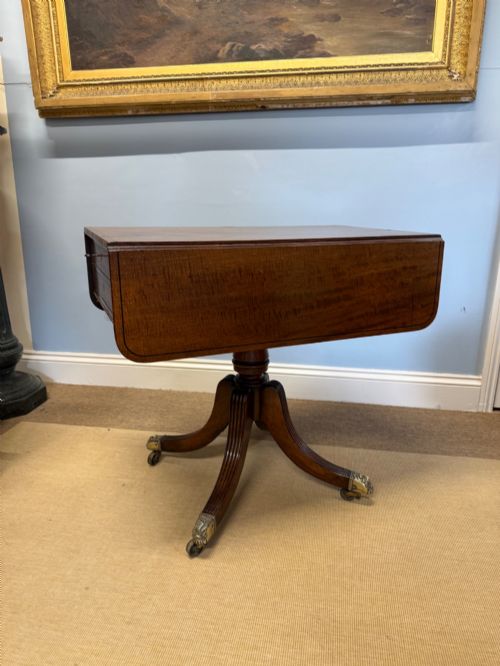
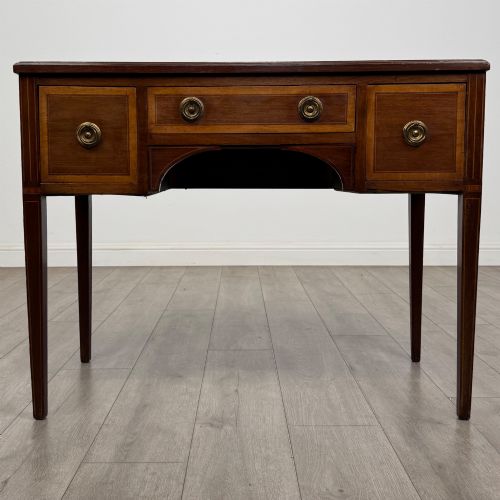
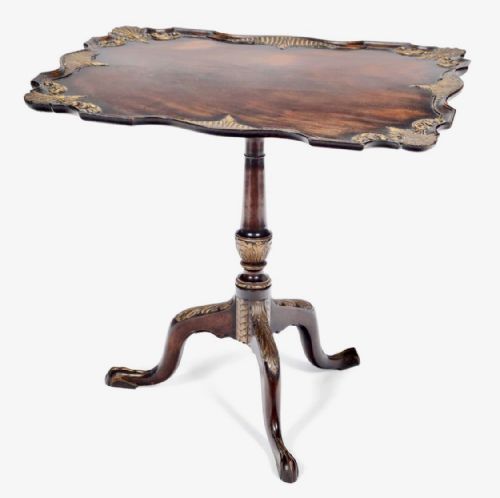
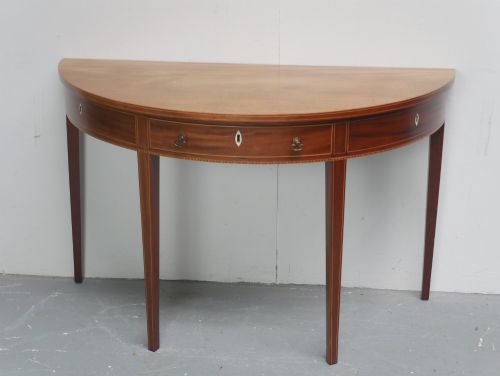
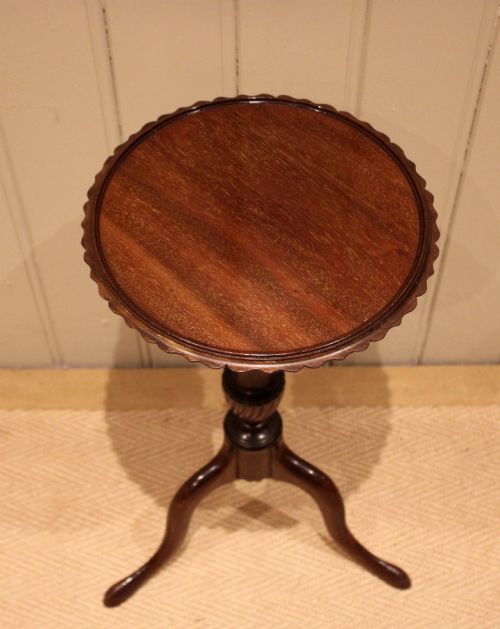
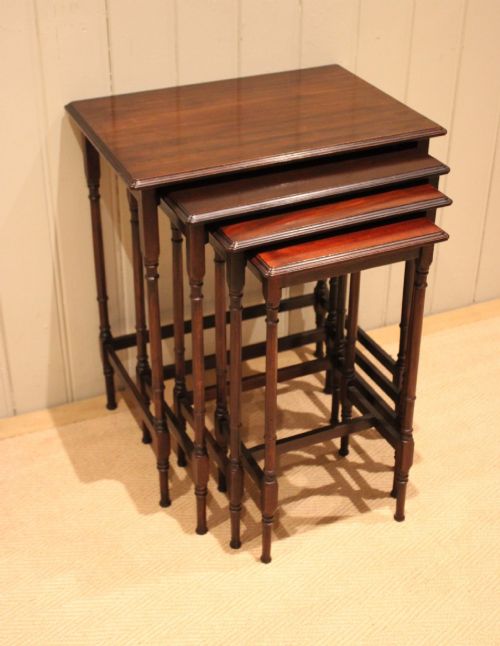
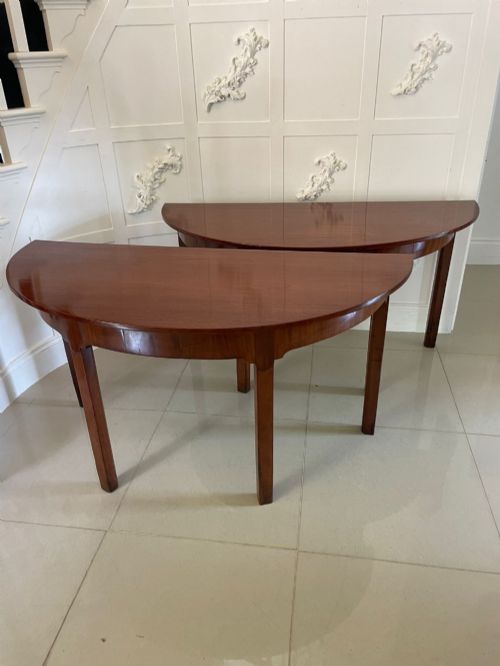
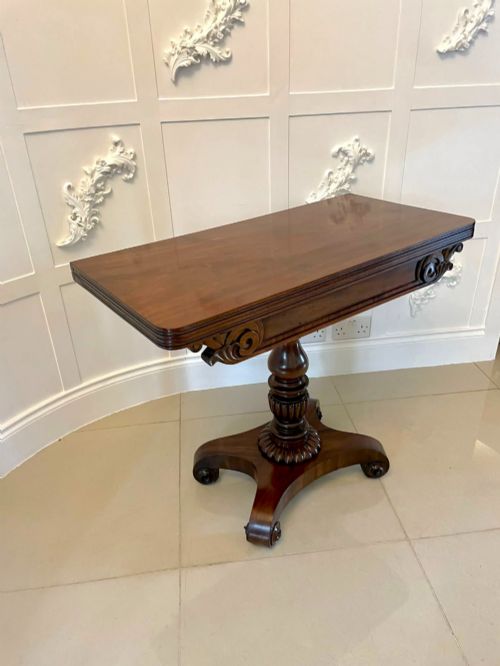
An antique side table mahogany search uncovers a diverse group of domestic furnishings designed for utility and display across several centuries. The selection encompasses Pembroke tables, console tables, card tables, library tables, and simple occasional pieces built to serve various rooms of the house.
The most common examples you will encounter date from the Georgian, Regency, and Victorian periods, alongside later Edwardian interpretations. These range from plain lowboy forms to more complex pieces featuring drop leaves, multiple tiers, or fitted drawers for storage.
Makers adapted these tables for specific household duties, creating forms that functioned equally well in hallways, libraries, and drawing rooms. The survival of such varied designs demonstrates how central mahogany became to British interior planning.
How they were made
Cabinet makers relied primarily on solid mahogany and mahogany veneers, frequently incorporating secondary timbers for internal framing and drawer linings. Many pieces integrate brass hardware, such as castors, handles, and swing hinges, alongside contrasting stringing or crossbanding in satinwood.
Surface treatments often included inset panels of tan leather on library and writing variations, providing a durable working surface. Joinery techniques varied from hand-cut dovetails on drawer construction to turned and reeded legs secured by traditional framing methods.
Retail Price Guide 2026
Typical UK retail prices for side table mahogany, calculated from the Sellingantiques database of over a million retail prices indexed since 2003. This retail price guide relies exclusively on Sellingantiques data; no external sources or auction records are used, so the figures do not describe the wider market.
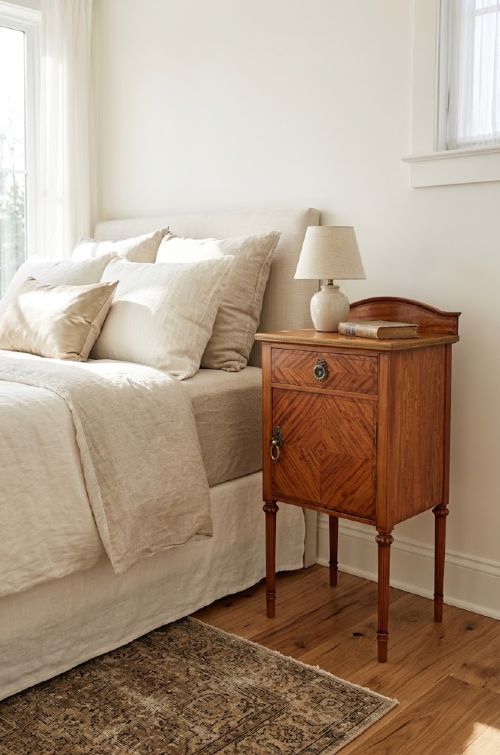
Some bedside tables doubled as discrete pot cupboards, proving that Georgian cabinet makers valued polite concealment as much as fine timber.
What varies in quality
Quality in these tables rests heavily on the selection of the timber, where rich figuring and deep natural grain distinguish superior examples from plain utility pieces. The finesse of carved details, such as serpentine shaping and reeded legs, separates standard workshop output from finer cabinet work.
Structural integrity and the retention of original brass fittings or leather inserts influence the overall character and historical cohesion of each piece. Tables that maintain their original patination without excessive restoration display a more desirable surface maturity.
E G Hudson·Gillows
The Antique Side Table Mahogany Glossary
- Pembroke table
- A small occasional table featuring two hinged drop leaves on opposing sides. It often includes one or more small drawers.
- Lowboy
- A small Georgian dressing table or side table equipped with one or more rows of drawers beneath a flat top. They typically stand on slender cabriole or straight legs.
- Satinwood
- A bright, yellowish timber native to India and Ceylon, frequently used for contrasting stringing and inlay on mahogany furniture. It creates sharp visual borders against darker woods.
- Serpentine
- A curved line that undulates outward and inward, commonly seen on the front edges of tabletops and drawer rails. This shaping required skilled hand sawing and planing.
Frequently Asked Questions
What rooms suit an antique mahogany side table?
These tables adapt easily to various domestic spaces, functioning as lamp tables in living rooms, bedside stands in bedrooms, or display surfaces in hallways.
Their restrained proportions allow them to fit into narrow corridors or beside seating without dominating the room layout.
How do I care for mahogany surfaces?
Regular dusting with a soft, dry cloth preserves the finish, while occasional applications of quality beeswax nourish the timber without building up heavy chemical residues.
Keep these tables away from direct heat sources and strong sunlight to prevent the mahogany from drying out or fading unevenly.
Can I use one as a writing desk?
Certain variations, particularly those catalogued as console or library tables, provide adequate surface area and height for casual correspondence or laptop use.
Models featuring integrated drawers offer convenient storage for stationery and small household items while maintaining a neat profile.
How do I distinguish Georgian from Victorian pieces?
Georgian tables often display lighter proportions, finer timber selection, and restrained classical detailing such as bracket feet or straight reeded legs.
Victorian examples tend to be heavier in construction, utilising denser mahogany stock and occasionally incorporating bolder turning or more ornate carving.