
Antique Folding Dining Table
An antique folding dining table offers practical versatility through drop-leaf and gateleg mechanisms spanning multiple centuries of English and European craftsmanship.
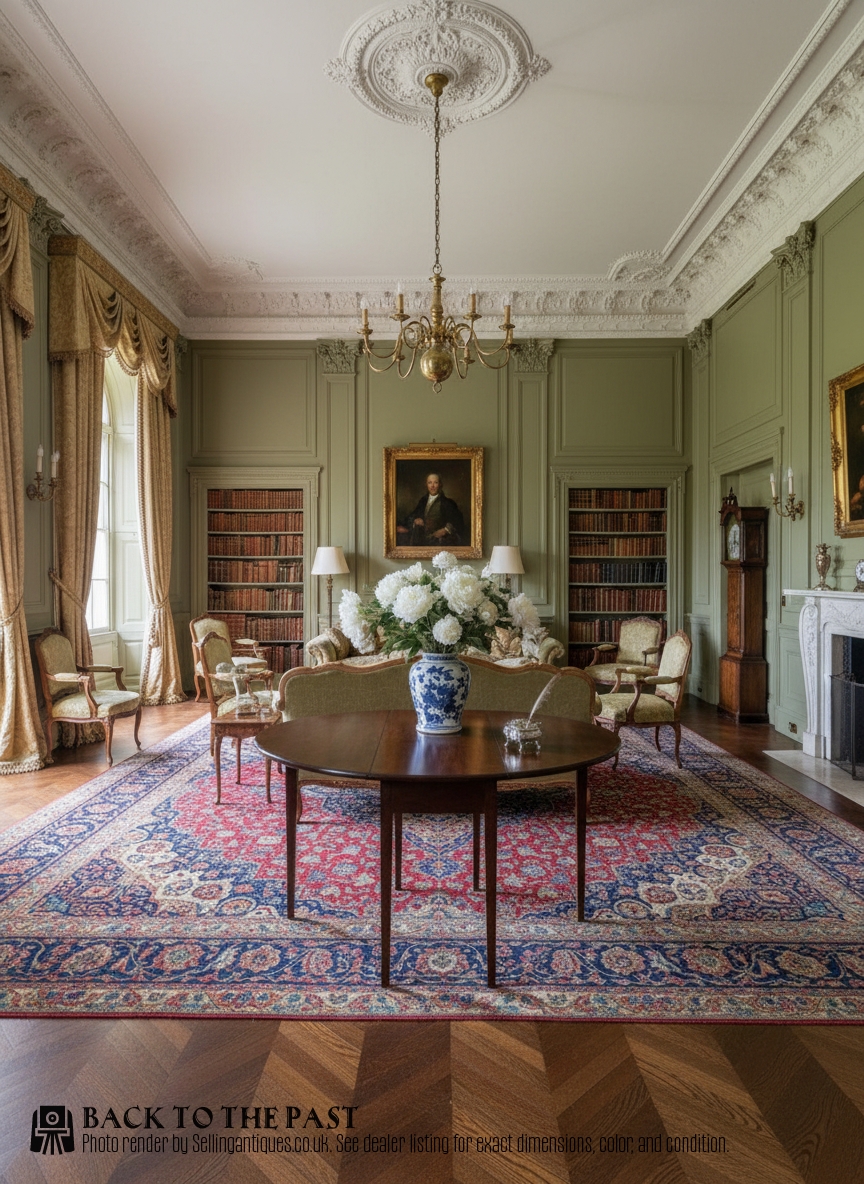
Antique Folding Dining Table
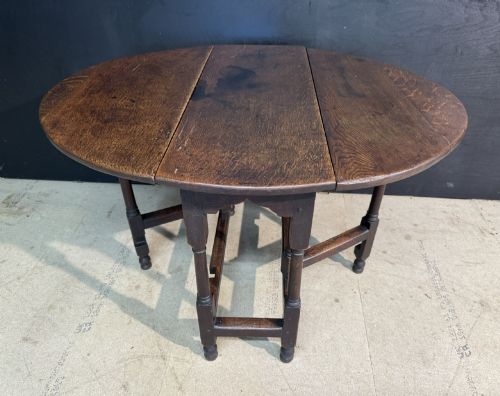
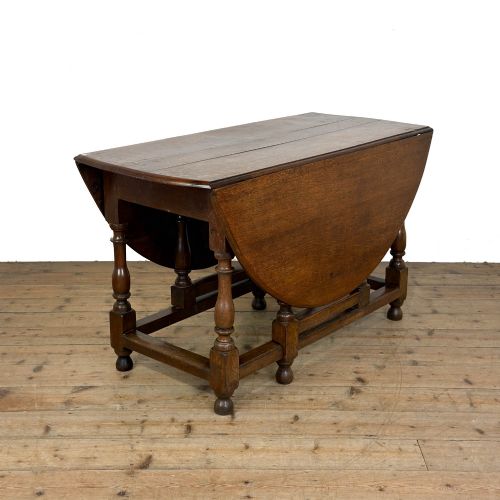
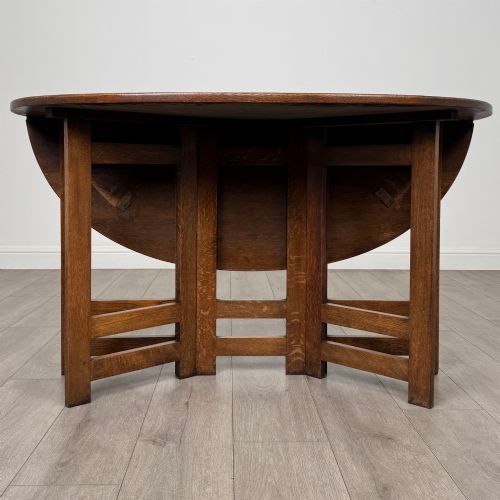
An antique folding dining table is fundamentally designed to expand for meals and contract when floor space is required. When you search for this phrase, you encounter forms that adapt through hinged leaves, swinging gatelegs, and drop actions.
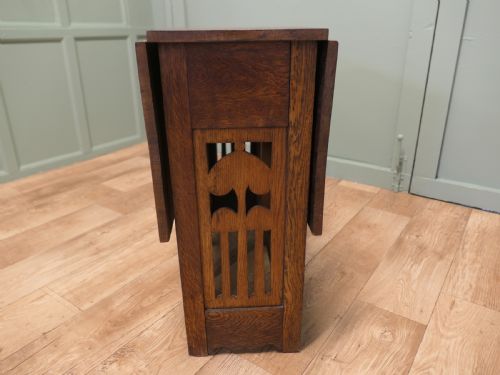
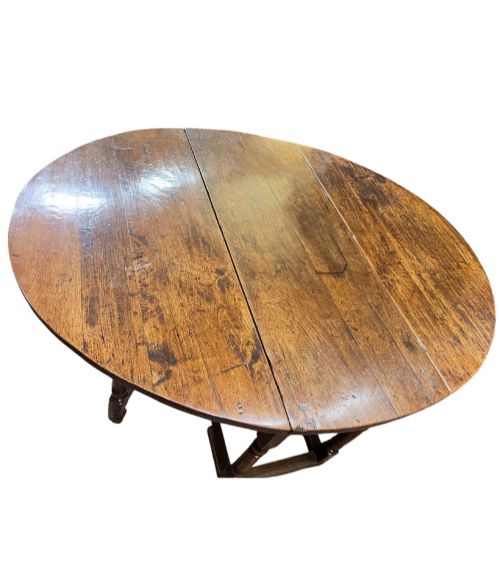
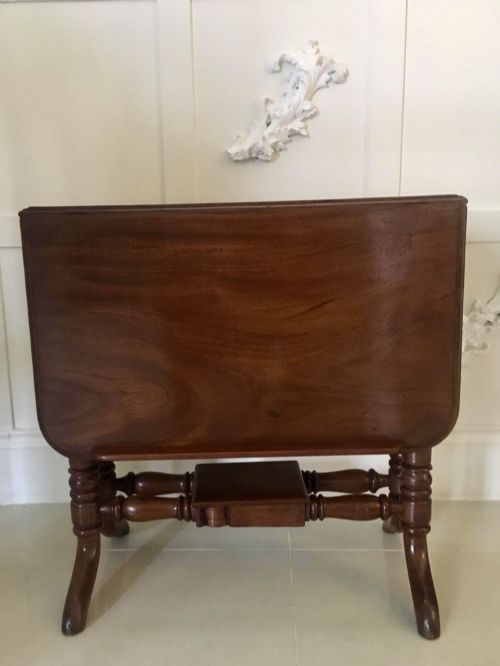
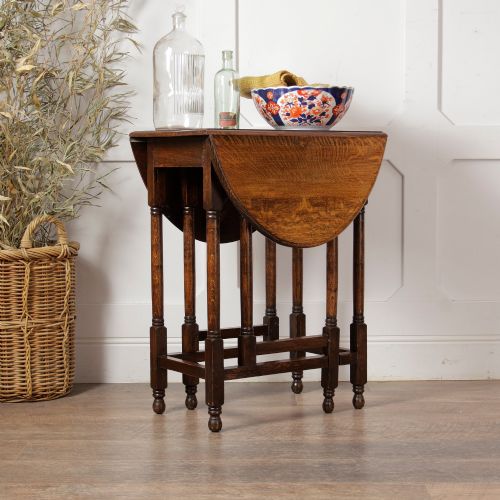
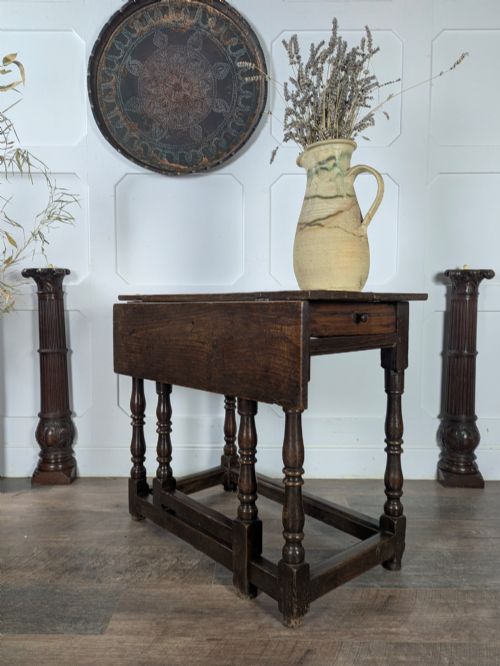
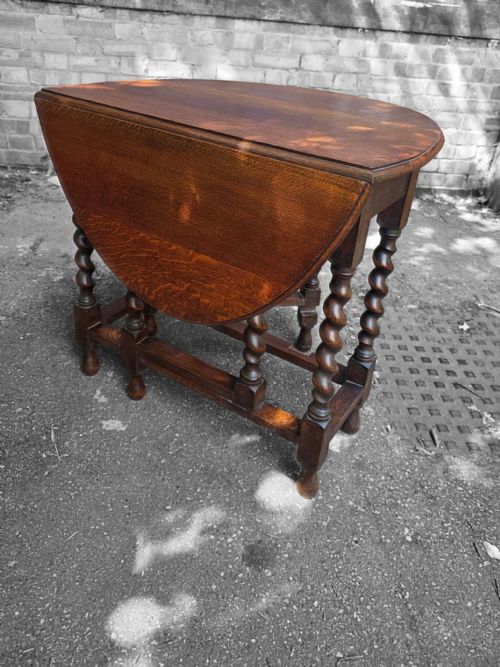
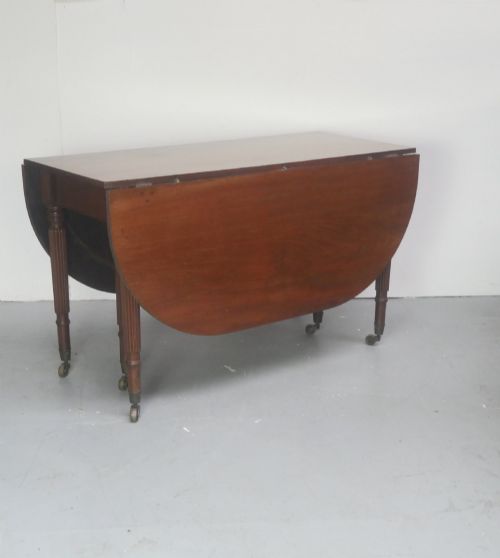
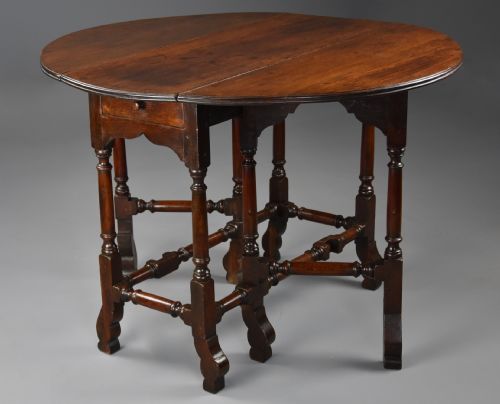
The pieces on this page span from the seventeenth century through to the Edwardian period, encompassing oak gateleg tables, mahogany drop-leaf centretables, and French vendange tables. Oak and mahogany predominate, often styled in regional English country or formal Georgian fashions.
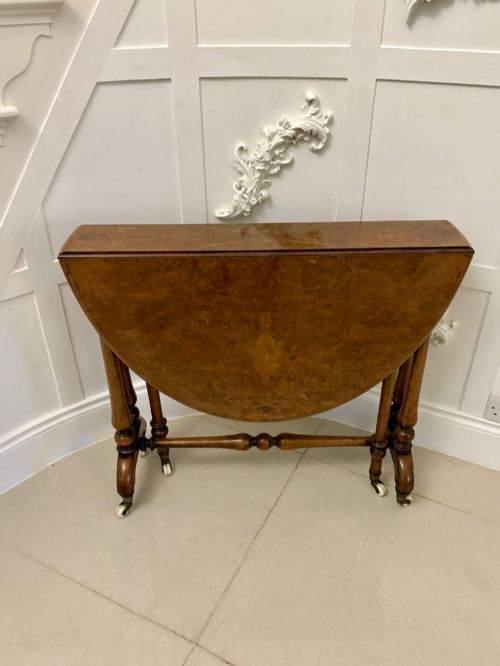
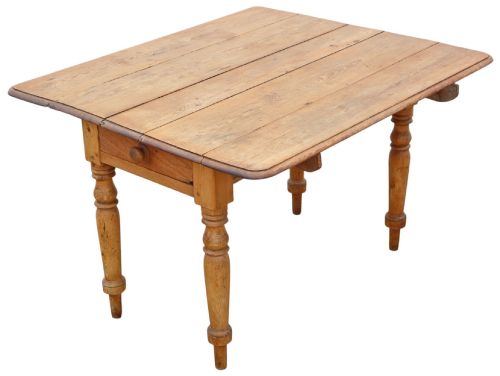
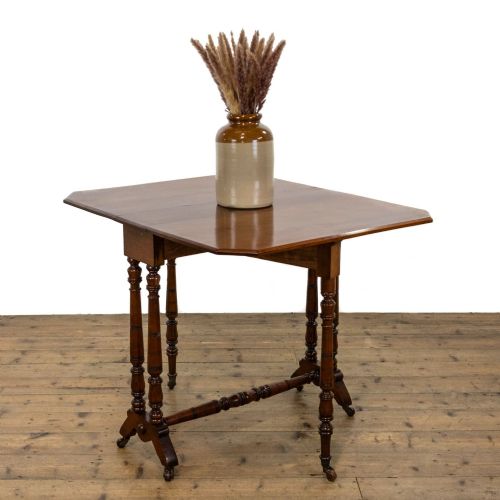
You are most likely to meet seventeenth- and eighteenth-century oak gateleg tables alongside nineteenth-century walnut Sutherland tables and pine kitchen variants. Each form reflects the domestic dining habits and spatial economy of its original period.
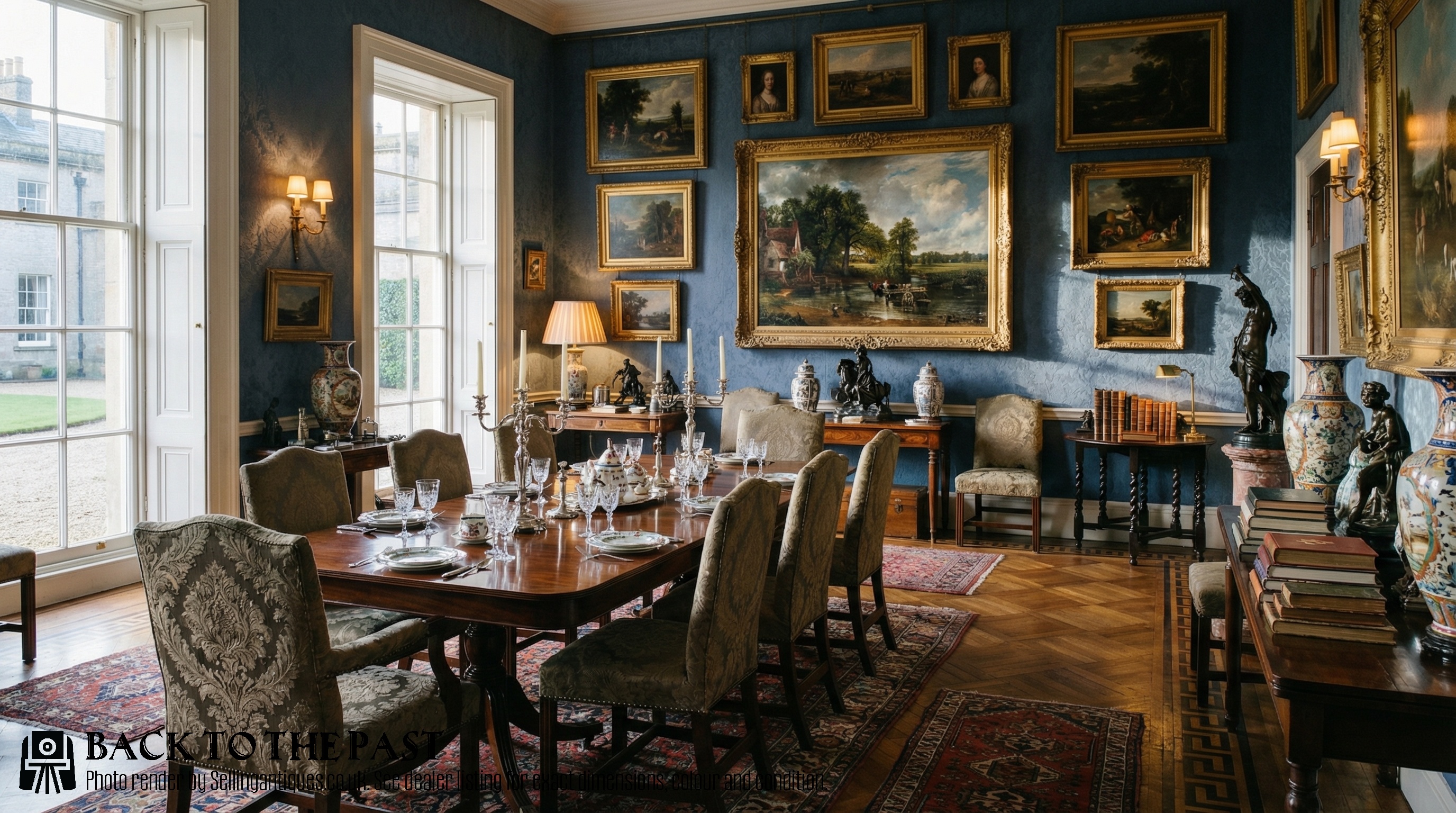
How they were made
Makers constructed these tables primarily in solid timbers such as oak, mahogany, walnut, and pine, occasionally incorporating fruitwood, yew, and cherry. Timber selection was dictated by regional availability and the desired formality of the dining piece.
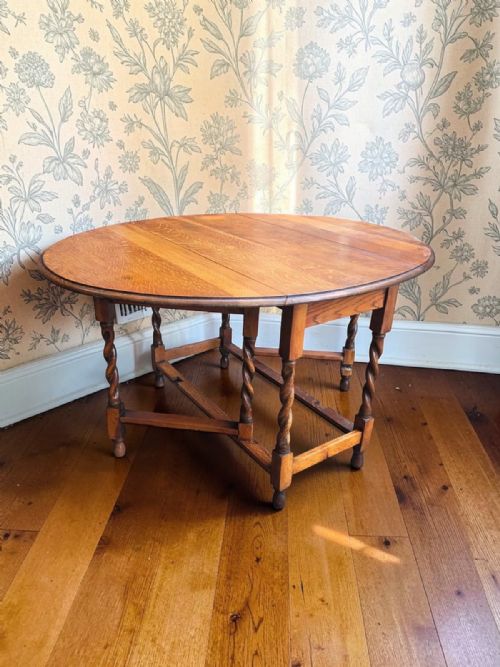
Structural integrity relied upon traditional joinery, including turned baluster legs, barley twist supports, and hinged wooden or brass gateleg mechanisms that supported the drop leaves under heavy loads.
Antique Folding Dining Table Retail Price Guide 2026
Typical asking prices for folding dining table among the pieces listed under this phrase on Sellingantiques today, from the lower quarter to the upper quarter. They describe what is for sale here now, not the wider market.
What varies in quality
The grade of an antique folding dining table depends heavily on the selection of timber, such as figured burr walnut or dense red walnut, and the depth of the natural patina accumulated over centuries of use. Superior examples display thoughtful proportions, such as small proportions in early gateleg formats, rather than clumsy additions.
Joinery execution dictates longevity in these pieces, separating robustly pegged seventeenth-century frames from later vernacular builds. The precision of the turning on baluster or spider legs and the integrity of the pivoting gate action mark the difference between workshop mastery and standard utility.
The Antique Folding Dining Table Glossary
- Gateleg table
- A table with hinged leaves supported by legs that swing outward like a gate. This design provides sturdy support for the drop leaves when extended.
- Drop leaf table
- A table featuring a fixed central section and hinged flaps on either side that lower when not in use. It allows the footprint of the furniture to be reduced significantly.
- Sutherland table
- A narrow-format drop-leaf table with exceptionally slender leaves and folding legs, popular during the Victorian era. It was designed to occupy minimal space against a wall.
- Vendange table
- A French folding table traditionally utilised during the grape harvest. These feature circular tops and folding bases for seasonal storage.
- Patina
- The surface sheen and colour acquired by wood through age, handling, and waxing. A rich patina indicates long-term care and original finish integrity.
Antique Folding Dining Table: Frequently Asked Questions
How do gateleg tables support weight?
Gateleg tables utilise hinged legs that swing outward from the central frame to hold the drop leaves aloft. This mechanical action transfers downward pressure directly to the floor.
When closed, the legs fold back flush against the base to allow compact storage against a wall.
What is a Sutherland table used for?
A Sutherland table served as a versatile tea or occasional table in nineteenth-century parlours. Its exceptionally narrow central top and wide leaves meant it occupied minimal floor space when folded.
Owners could raise one or both leaves quickly when visitors arrived for refreshments.
How can I date an oak gateleg table?
Dating relies on examining the turning style of the legs, such as early baluster forms versus later barley twists, and the construction marks on the underside. Seventeenth-century examples often feature pegged frame construction and hand-sawn timber.
Later nineteenth- and twentieth-century revivals utilise more uniform machining and standardised hardware.
Are French vendange tables suitable for dining?
French vendange tables provide circular timber tops supported by folding bases originally built for agricultural use. Their folding design makes them practical for smaller dining spaces or occasional outdoor use.
Buyers appreciate their rustic cherry and oak construction alongside their distinctive folding frames.
What woods were used for antique folding tables?
Cabinet makers utilised domestic and imported timbers including oak, mahogany, walnut, pine, and fruitwood. Early pieces from the seventeenth and eighteenth centuries are predominantly solid oak or walnut.
Later Georgian and Victorian examples frequently employ mahogany and burr walnut veneers over secondary woods.