


Queen Anne Gateleg Table
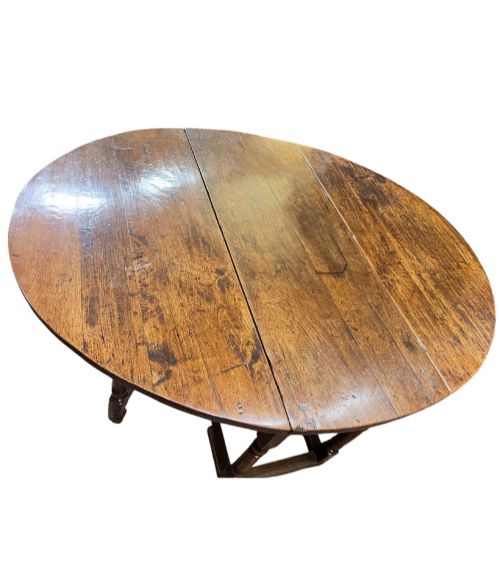
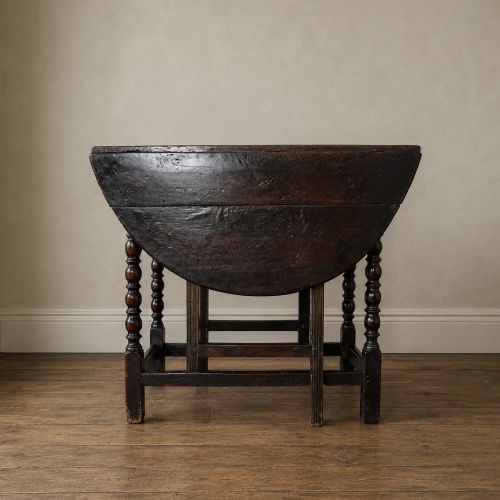
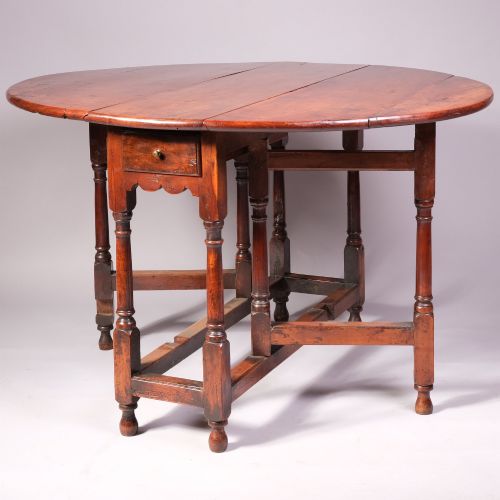
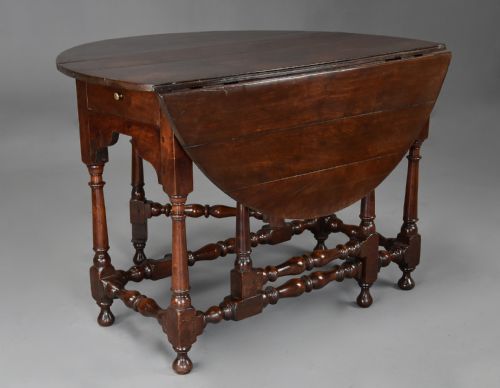
These queen anne gateleg table examples combine drop leaves and swinging legs to provide adaptable dining space with period character.
Queen Anne Gateleg Table
A queen anne gateleg table provides a practical folding surface supported by swinging legs that pivot from the frame to hold the drop leaves. You see these forms mostly in oak and walnut, spanning the eighteenth century and the georgian era.
The pieces on this page include six-leg and double gateleg formats designed for country dining rooms or smaller cottage settings. Walnut and oak examples appear frequently, alongside occasional pieces in mahogany, yew wood, and elm.
Oval formats dominate the selection, offering flexible seating arrangements that accommodate multiple diners when fully extended. These tables bridge domestic utility and period craftsmanship, suiting both traditional and contemporary interiors.
Materials and construction methods
Cabinet makers utilised native timbers such as oak, elm, and walnut, often selecting dense boards for the oval top leaves and sturdy framing for the undercarriage. Brass hinges and iron fixings occasionally secure the folding mechanisms and joints.
Turned legs dominate the structural support, featuring bobbin, barley-twist, or straightforward columnar turnings joined by stretchers for stability. The swinging gate legs require precise hinge placement to bear the weight of the drop leaves without sagging.
Queen Anne Gateleg Table Retail Price Guide 2026
Typical asking prices for queen anne gateleg table among the pieces listed under this phrase on Sellingantiques today, from the lower quarter to the upper quarter. They describe what is for sale here now, not the wider market.
Listings feature woods spanning oak, walnut, mahogany, yew wood, elm, and iron, documenting centuries of domestic furniture production.
Assessing quality and finish
Quality rests in the choice of timber figure, such as the rich grain visible in red walnut or figured oak, combined with a deep natural patina developed over centuries of use. Superior examples display crisp turning on the legs and tight joinery at the pivot points.
Proportion and scale dictate the desirability of each piece, with smaller side tables differing significantly from large eight-seater dining formats. The integrity of the original hinges and the smoothness of the drop-leaf action mark the distinction between everyday utility and finer cabinet work.
The Queen Anne Gateleg Table Glossary
- Gateleg table
- A table with hinged leaves supported by one or more legs that swing outward like a gate. This design allows the surface area to expand or contract according to space requirements.
- Drop leaf
- A hinged section of a table top that folds down when not in use. It rests horizontally when raised and supported by the swinging gate legs.
- Barley-twist
- A spiral turning resembling a twisted rope, commonly found on the legs and stretchers of seventeenth and eighteenth-century furniture. This decorative detail adds vertical rhythm to the undercarriage.
- Patina
- The surface sheen and mellow colour acquired by wood through age, handling, and wax polishing. A good patina indicates genuine historic surfaces rather than modern refinishing.
- Stretcher
- A horizontal wooden brace connecting the legs of a table to provide structural rigidity. These components often feature shaped profiles matching the turning of the legs.
Queen Anne Gateleg Table: Frequently Asked Questions
How many people do these tables seat?
Larger double gateleg formats comfortably accommodate up to eight diners when both leaves are fully raised and supported by the swinging legs.
Smaller side tables and compact walnut versions suit tighter spaces, functioning effectively as occasional or breakfast tables.
How do I tell oak from walnut versions?
Oak pieces display a prominent open grain with visible medullary rays, often showing a warm brown tone developed over centuries. Walnut versions present a smoother, darker surface with richer figuring and occasional red undertones.
Both timbers were standard for the period, with walnut frequently reserved for more decorative or refined domestic environments.
Are these tables suitable for daily use?
The robust construction of sturdy timber frames and functional gate mechanisms makes these tables practical for everyday dining. Regular waxing helps protect the historical surface from moisture and daily wear.
Careful handling of the drop leaves ensures the hinges and pivot joints remain stable during routine operation.
How do I distinguish regional country pieces?
Country pieces often utilise local timbers like elm or straightforward oak, prioritising utilitarian strength and simple turnings over elaborate decoration. Welsh and regional English examples show subtle variations in leg profile and stretcher placement.
Urban workshops leaned towards refined walnut and mahogany with more sophisticated turning details and cabinetry.