
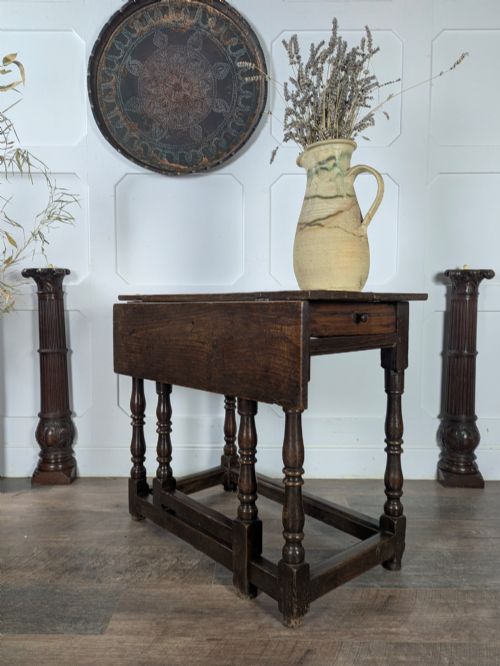
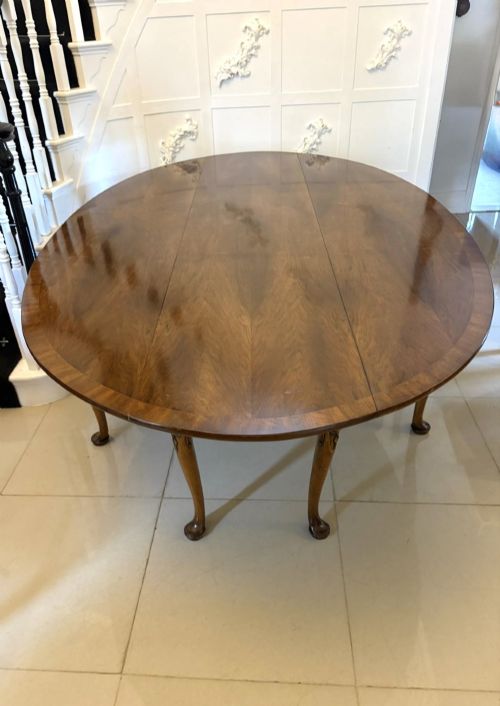
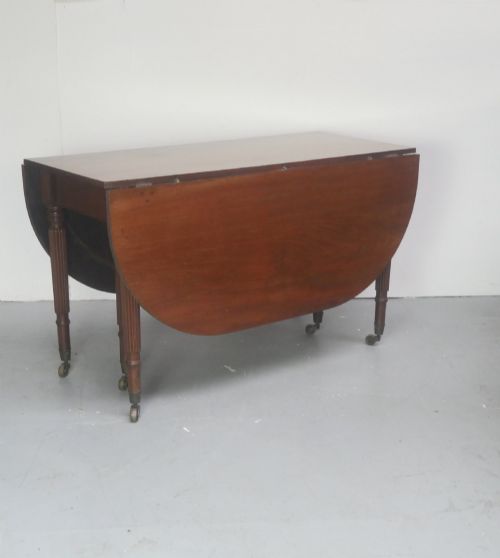
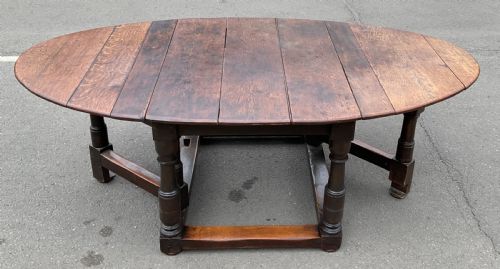
Georgian Drop Leaf Dining Table
A georgian drop leaf dining table offers versatile dining space with folding leaves and gateleg frames, prized for domestic flexibility and period character.
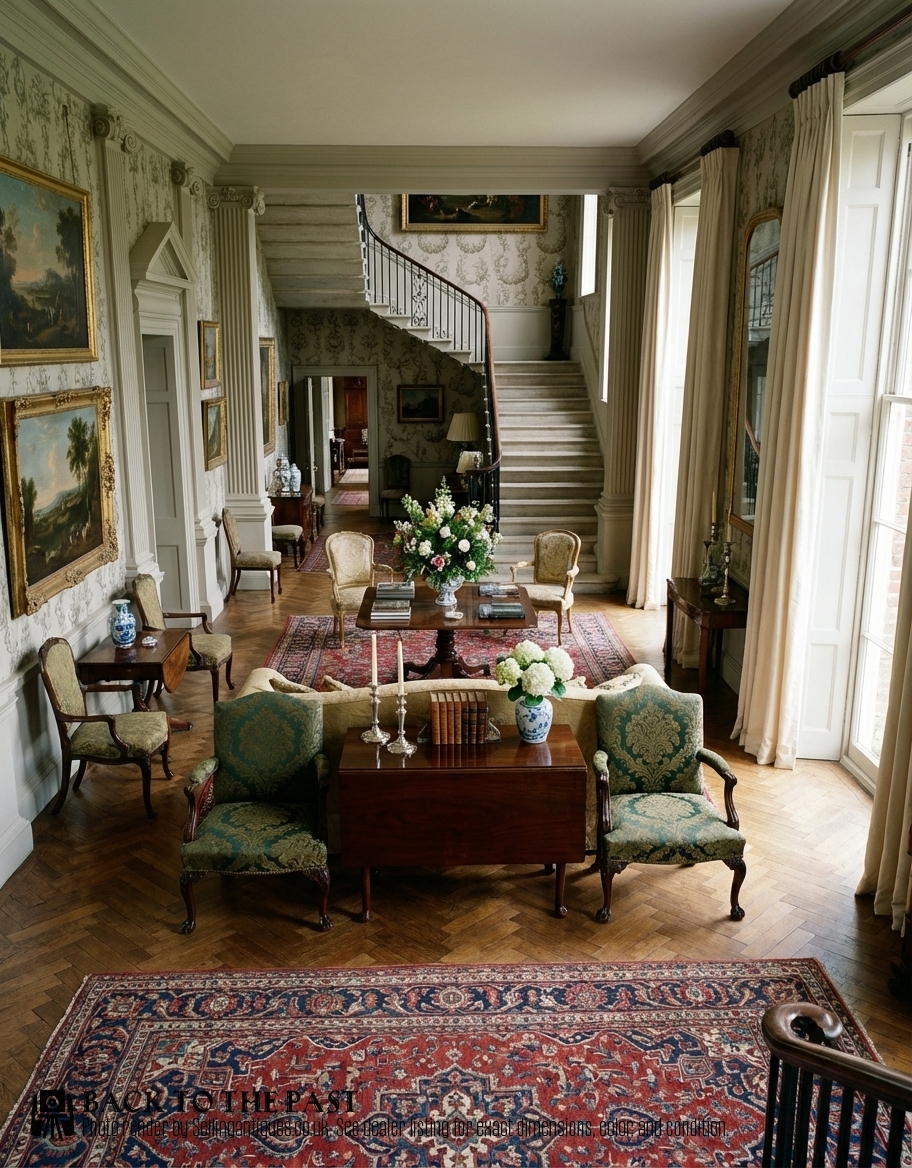
Forms and periods
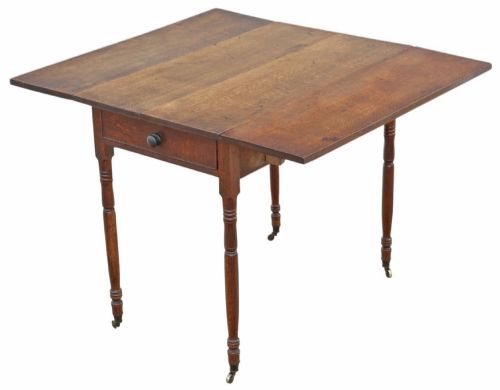
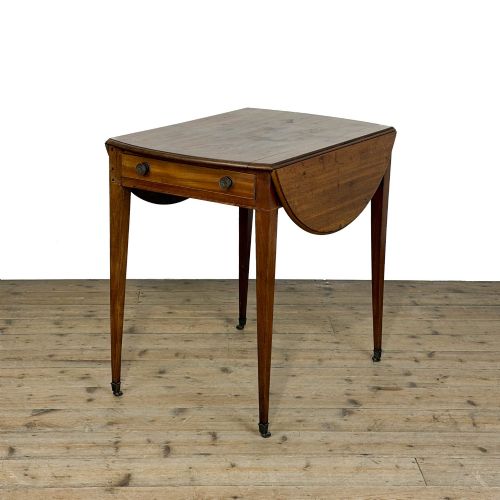
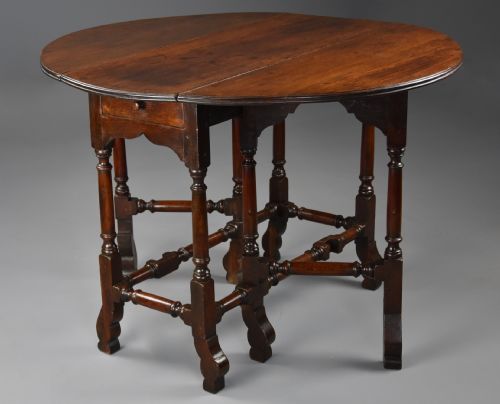
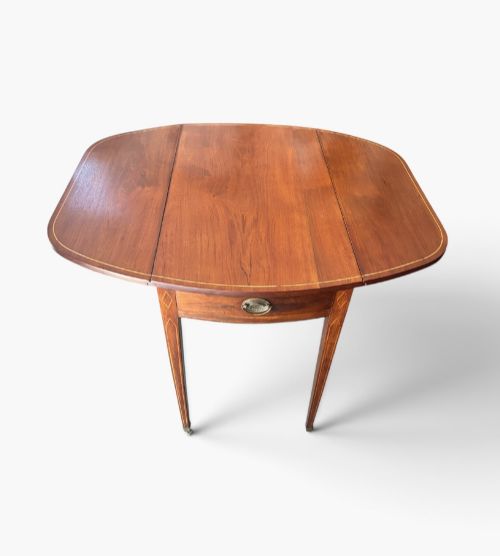
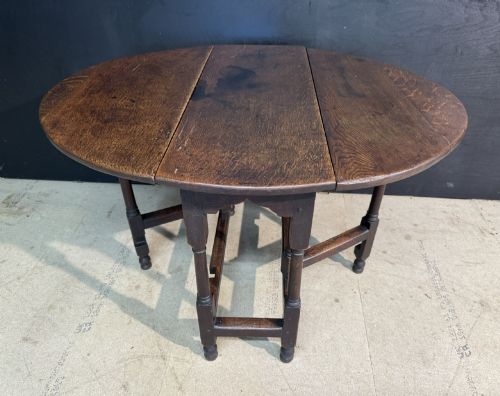
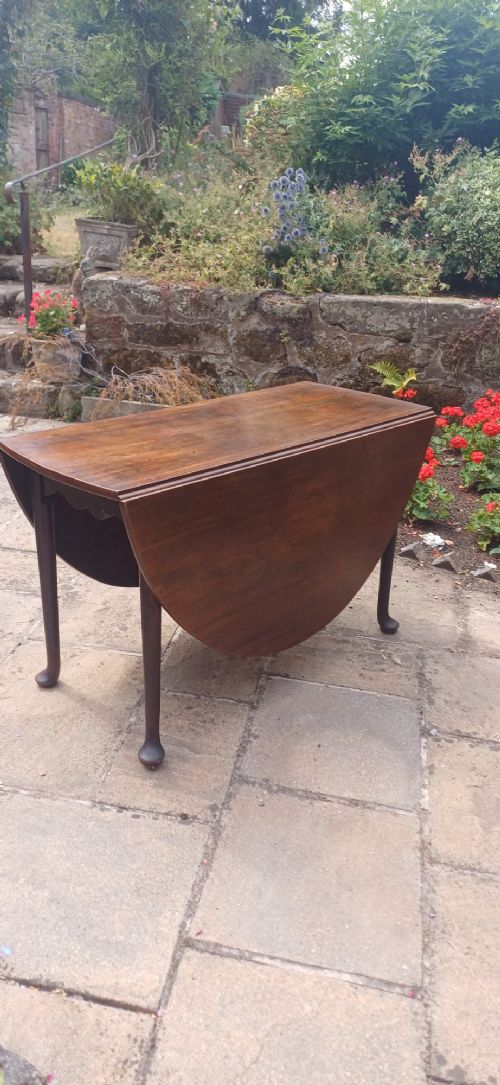
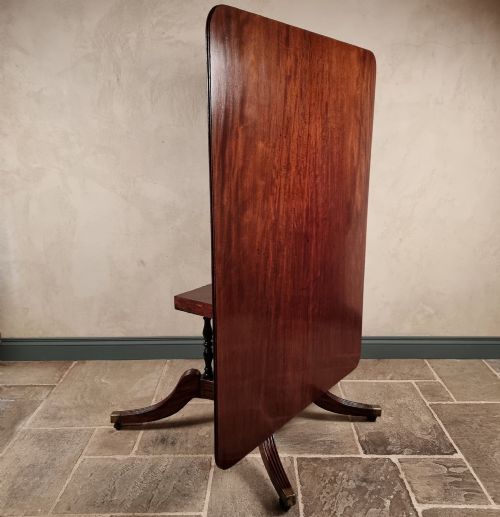
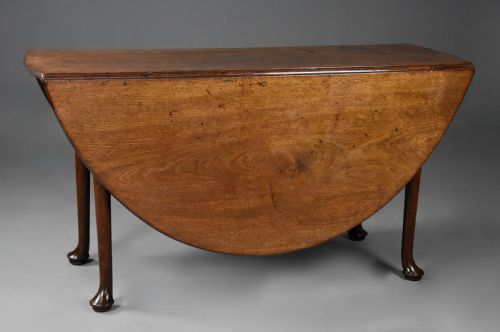
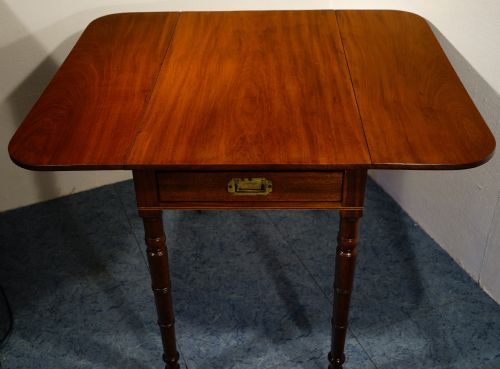
A georgian drop leaf dining table is a functional antique dining surface designed with hinged flaps that drop down when not in use. These tables date primarily from the eighteenth century, spanning periods including the reigns of George I, George II, and the broader Georgian era.
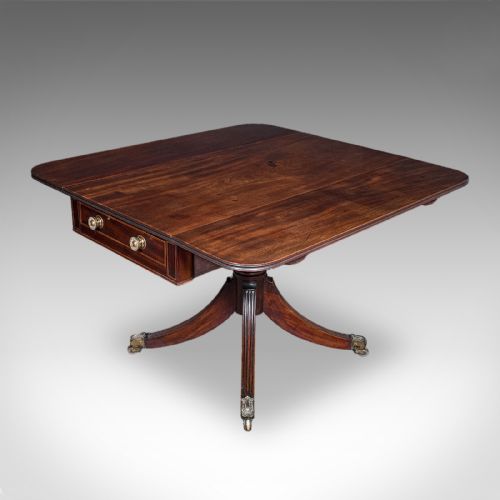
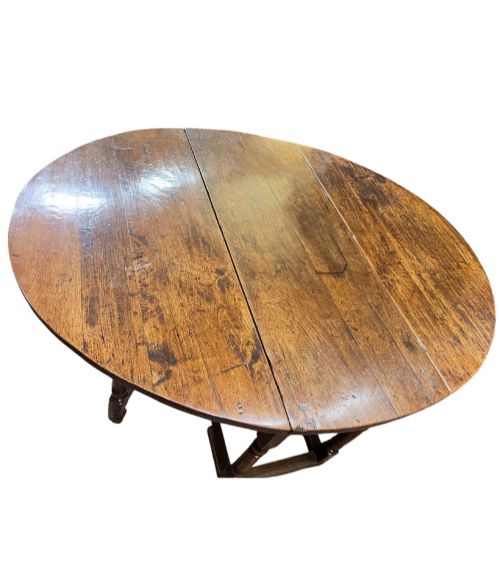
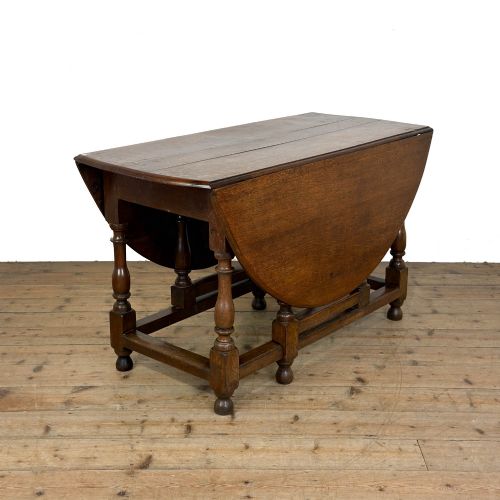
The pieces appearing on this page present primarily as oval or round tables supported by gateleg structures or pad feet. Oak and mahogany serve as the predominant timbers, reflecting domestic production from both country workshops and urban cabinet makers.
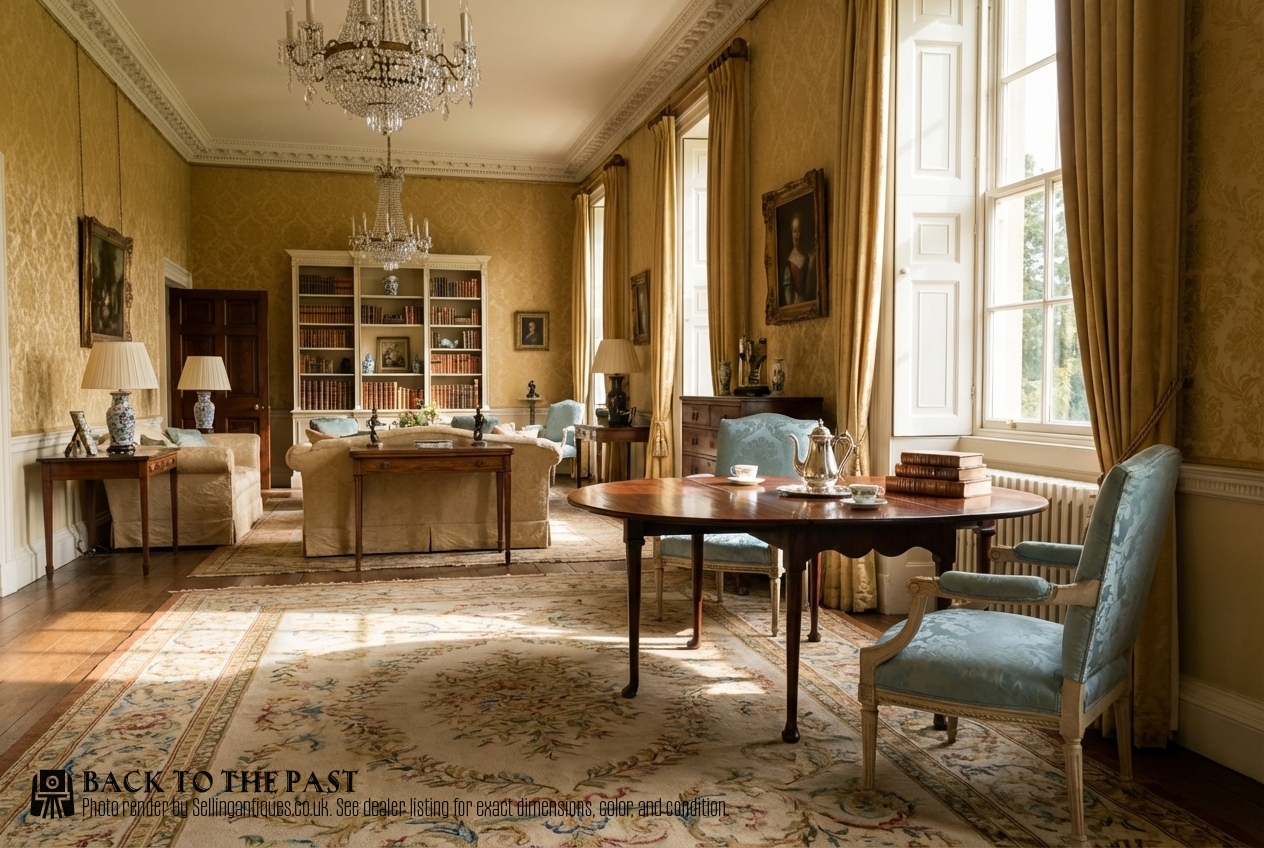
Quality and proportion
The distinction between standard examples and superior pieces rests in the choice of timber and the preservation of original elements like hinges and pad feet. Cuban mahogany and dense seventeenth- and eighteenth-century oak indicate high-grade material selection by the maker.
Proportion and scale also separate the items, as larger double gateleg formats require robust framing to support extended leaves. A warm patina accumulated through centuries of domestic use marks the most desirable surviving surfaces.
Retail Price Guide 2026
Typical UK retail prices for georgian drop leaf dining table, calculated from the Sellingantiques database of over a million retail prices indexed since 2003. This retail price guide relies exclusively on Sellingantiques data; no external sources or auction records are used, so the figures do not describe the wider market.
Original metal hinges ensure that centuries later, the leaves still drop smoothly without waking the household cat.
The Georgian Drop Leaf Dining Table Glossary
- Gateleg table
- A table with hinged legs that swing out to support drop leaves. This mechanism allows the surface area to expand or contract according to domestic needs.
- Pad foot
- A simple rounded foot resting flat on the floor, frequently seen on eighteenth-century cabriole legs. It provides a stable base without heavy ornamentation.
- Drop leaf
- A hinged flap attached to a fixed table top. Dropping the leaves reduces the overall footprint of the furniture.
- Cuban mahogany
- A dense, dark timber imported from the Caribbean during the eighteenth century. Cabinet makers favoured it for its rich grain and superior strength.
- Patina
- The surface sheen and colour developed by wood over long periods of handling and age. A warm patina indicates minimal aggressive restoration.
Frequently Asked Questions
How do you seat people around a gateleg table?
The swing-out gatelegs provide structural support for the drop leaves while leaving adequate leg room for diners seated along the sides.
Larger double gateleg formats accommodate multiple guests comfortably once fully extended.
What is the difference between oak and mahogany versions?
Oak examples generally date earlier in the eighteenth century and display a robust country aesthetic with visible grain patterns.
Mahogany tables tend to appear later, offering a smoother surface and darker tones favoured in formal interiors.
How do pad feet differ from other foot styles?
Pad feet sit flat and neat upon the floor without the carved detailing found on ball and claw or bracket feet.
This restrained form provides steady balance for the pivoting legs of a drop leaf table.
Can these tables fit into modern dining spaces?
The folding leaf mechanism allows the table to fold down into a narrow profile when floor space is limited.
Raising the leaves transforms the piece back into a full dining surface for meals.