
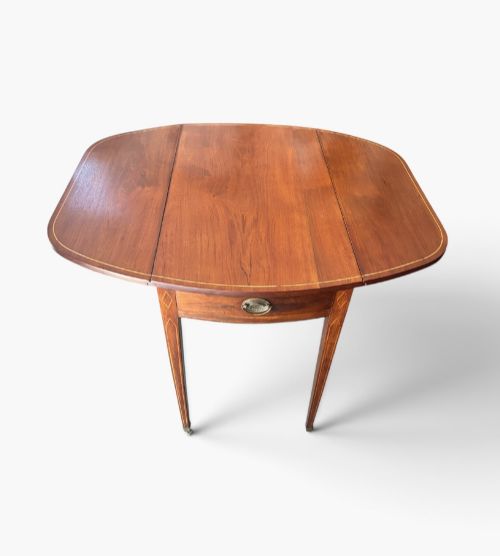
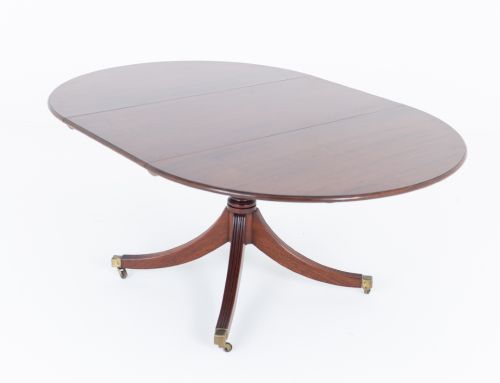
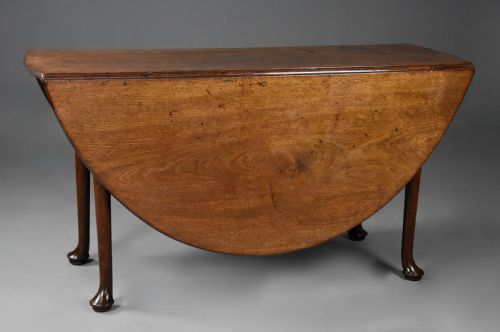
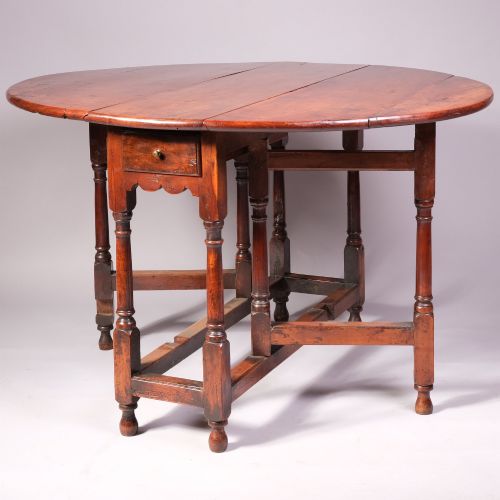


Georgian Oval Dining Table
When choosing a georgian oval dining table, you select a versatile antique surface designed to expand for gatherings and fold away when space demands.
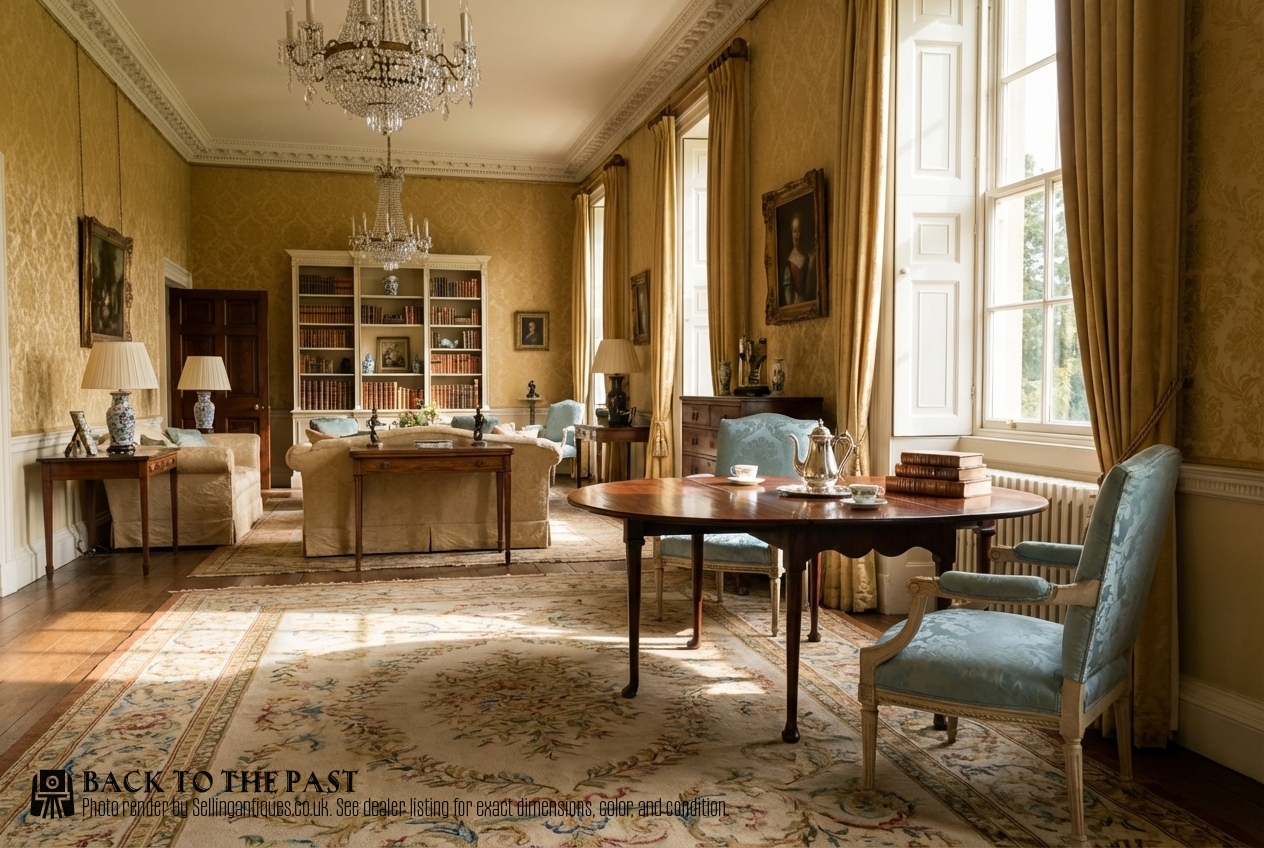
Georgian Oval Dining Table
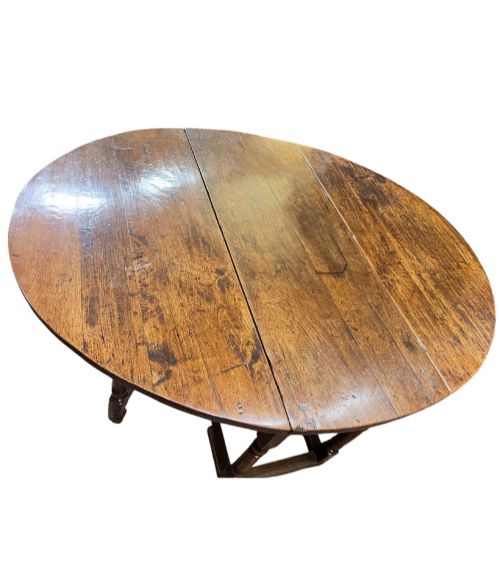
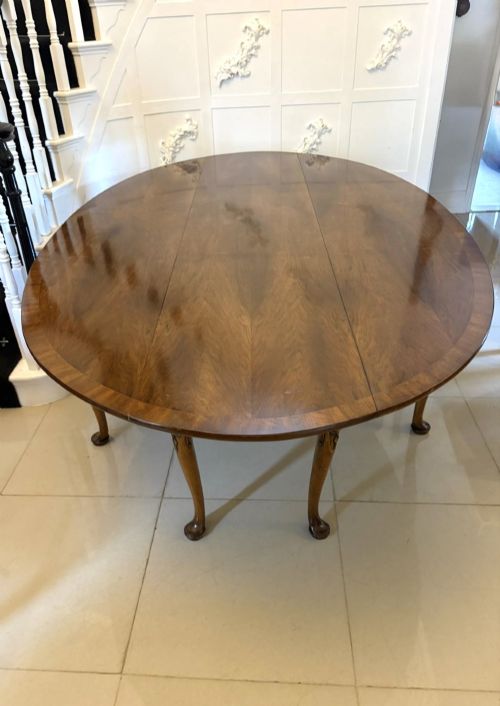
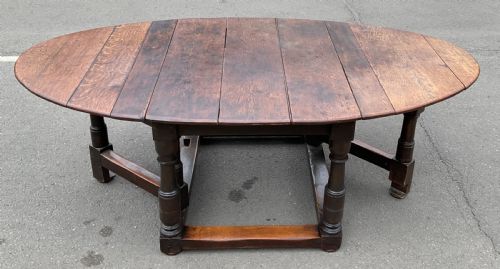
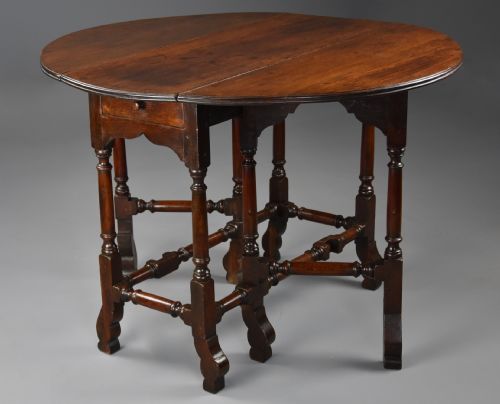
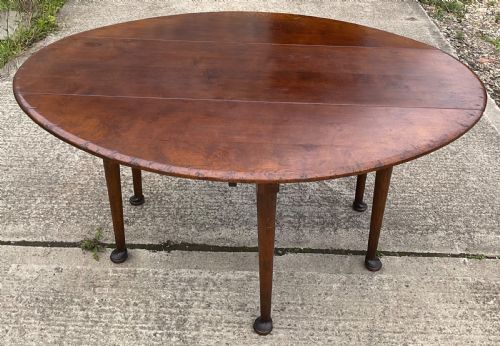
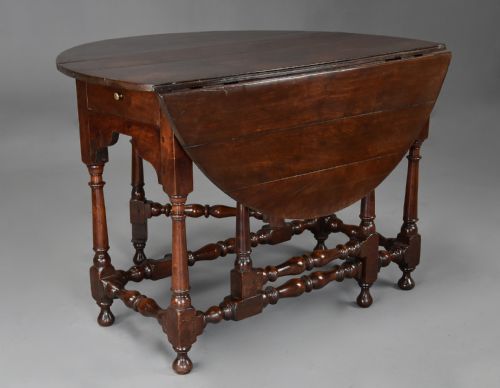
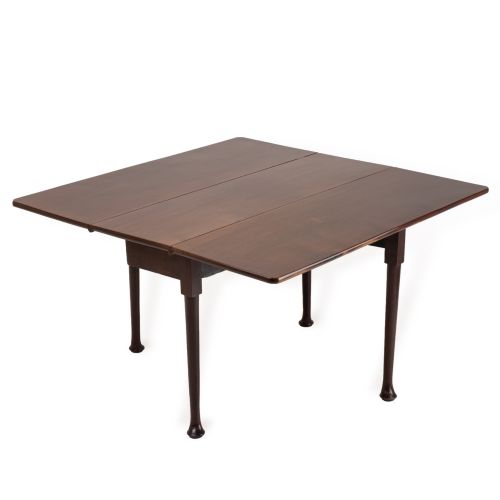
A georgian oval dining table typically appears as a drop-leaf or gateleg design, supported by folding legs that swing out to hold the heavy leaves in place. These tables span the eighteenth century and the Regency period, drawing on earlier Queen Anne influences alongside George II and George III craftsmanship.
Buyers encounter substantial mahogany and walnut examples built for large dining rooms, alongside sturdy oak country pieces and smaller Pembroke or breakfast tables. Many examples utilise drop leaves or tilt-top mechanisms to alter their footprint depending on the daily requirements of the room.
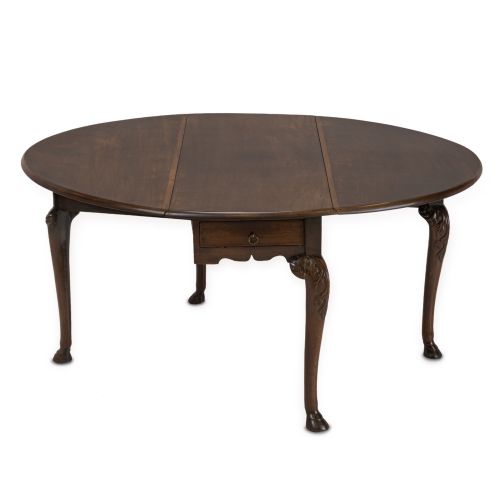
The materials reflect the domestic timber trade and local forestry of the periods, featuring Cuban mahogany, red walnut, yew wood, and native oak. Craftspeople shaped these woods into oval tops supported by cabriole legs with hoof or pad feet, pillar pedestals, or straightforward gateleg frames.
Materials and Construction
Cabinetmakers constructed these tables using solid hardwoods such as mahogany, oak, and walnut, frequently applying fine veneers over secondary woods. Timber selection dictated the weight and grain pattern, with figured walnut and dense Cuban mahogany favored for formal dining surfaces.
Joinery methods relied on sturdy gateleg actions with wooden hinges or pivoting frames, and tilt-top tables employed clever brass catches and pivoting block mechanisms. Secondary details included boxwood and satinwood inlay, crossbanded borders, and hand-carved cabriole legs terminating in pad or hoof feet.
Georgian Oval Dining Table Retail Price Guide 2026
Typical asking prices for georgian oval dining table among the pieces listed under this phrase on Sellingantiques today, from the lower quarter to the upper quarter. They describe what is for sale here now, not the wider market.
Listings feature oak, walnut, and mahogany across the Georgian and Regency periods, utilising drop-leaf, Pembroke, and pillar table forms.
Judging the Standard
Quality rests in the choice of timber and the integrity of the original framing, where dense grain patterns and well-figured mahogany or walnut elevate a piece. Superior examples retain their original gateleg action, hinges, and patination without excessive structural intervention or replaced leaves.
Proportion and scale distinguish finer workshops from provincial joinery, evidenced by balanced drop-leaf overhangs and crisp carving on cabriole legs or pedestal pillars. A rich, faded patina developed through centuries of use separates untouched surfaces from over-restored timber.
The Georgian Oval Dining Table Glossary
- Gateleg table
- A table with hinged flaps or leaves supported by legs that swing outward on gates to provide extra support. This clever folding mechanism allows large dining surfaces to collapse into narrow consoles when not in use.
- Drop-leaf
- A table featuring a fixed central section and movable side flaps hinged to drop down. These leaves rest on swinging brackets or legs.
- Cabriole leg
- A furniture leg that curves outward at the knee and tapers inward toward the ankle, ending in a foot. This style draws inspiration from ancient forms and dominates mid-eighteenth-century seating and table supports.
- Pad foot
- A simple, rounded foot shape common on cabriole legs during the early eighteenth century. It sits flat on the floor without complicated carving.
- Tilt-top
- A tabletop mounted on a pivot mechanism that allows the surface to tilt vertically when not in use. This feature saves floor space in smaller rooms.
- Patina
- The deep surface sheen and coloration developed by wood over long periods of handling and waxing. Collectors value an untouched patina for its historical honesty.
Georgian Oval Dining Table: Frequently Asked Questions
How do I seat six people comfortably?
Select a table with drop leaves extended fully, ensuring the swinging gatelegs lock securely underneath to bear the weight.
Position chairs where the structural frame allows adequate legroom between the supporting pillars or lowered legs.
Can I use a breakfast table for daily meals?
Breakfast tables feature sturdy central pillars or tilt-top mechanisms built for regular daily use in domestic spaces.
Protect the polished timber surface with appropriate mats to prevent heat marks and moisture damage from dishware.
How do I distinguish walnut from mahogany?
Walnut displays a warmer, softer brown grain with darker figuring that often dates from the early eighteenth century.
Mahogany exhibits a denser, reddish-brown grain structure that became popular during the middle and late Georgian eras.
Are gateleg tables stable when fully open?
The stability depends on the tight alignment of the swinging gate frame and the original wooden hinges.
Properly adjusted pivot joints prevent the drop leaves from sagging under weight during dining use.