

Antique Oval Table
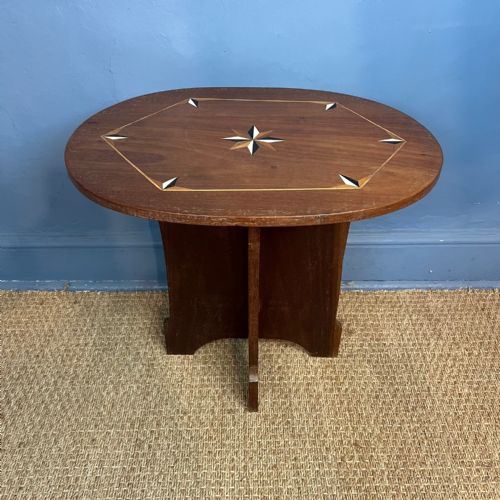
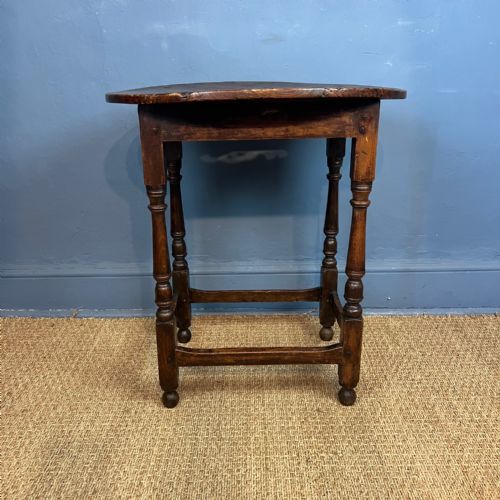
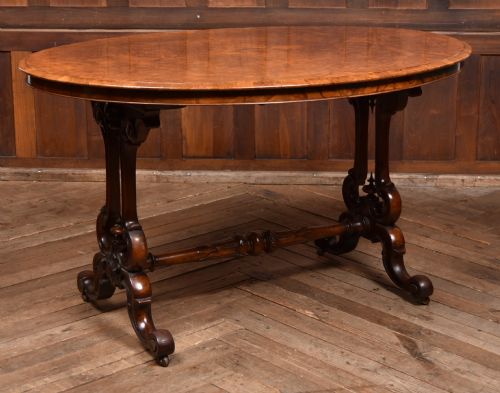
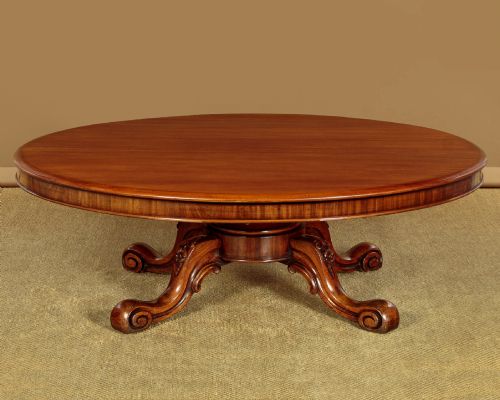
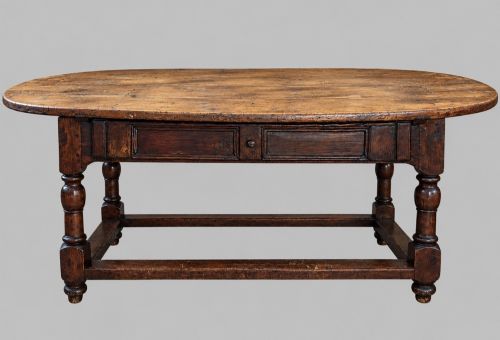
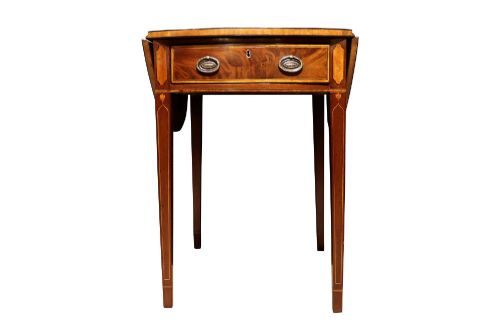
When you search for an antique oval table, you step into a world of solid timber, turned pedestals, and centuries of domestic craftsmanship.
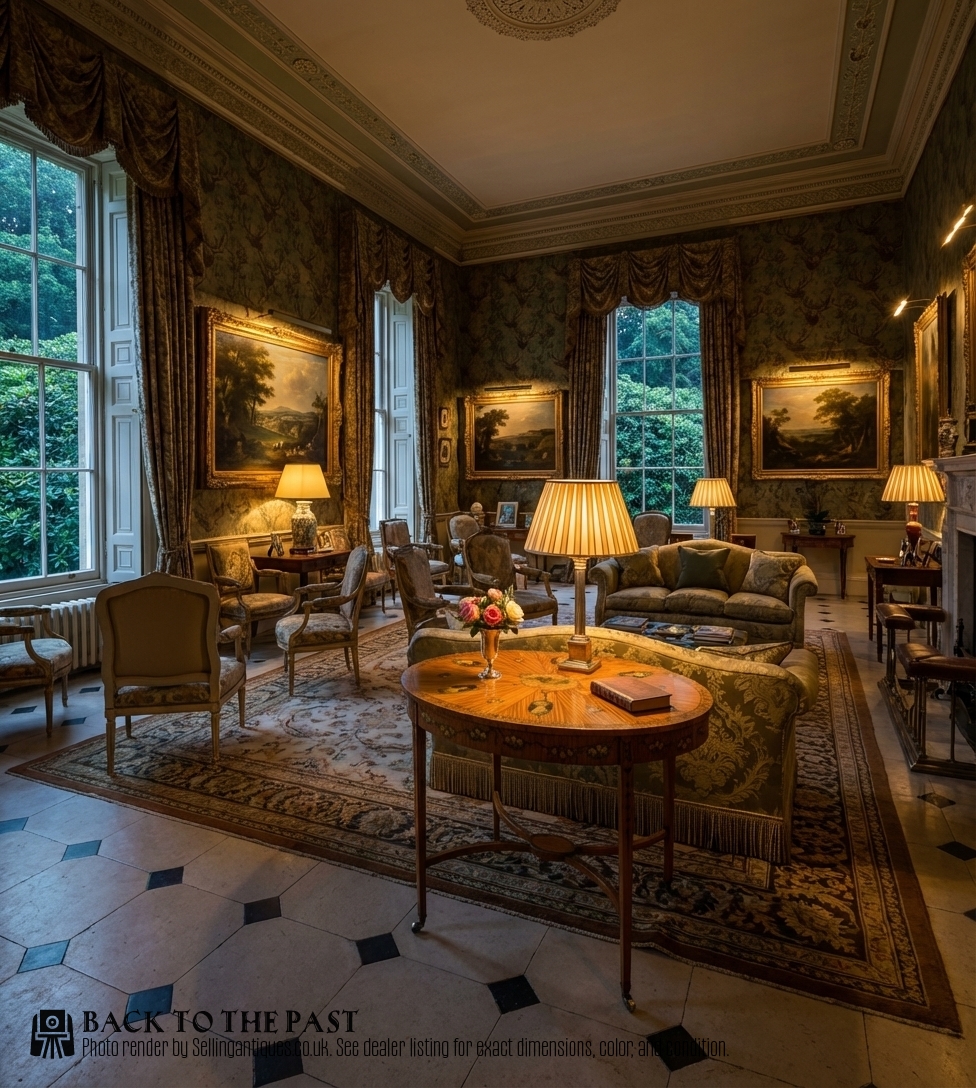
Antique Oval Table
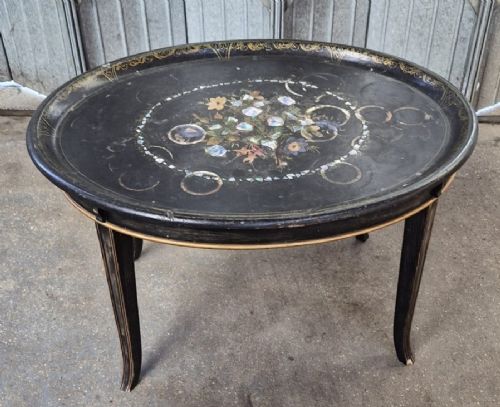
Beyond formal dining rooms, the search yields centre tables, breakfast tables with tilt-tops, and low coffee or side tables suited for modern living spaces. These diverse formats share a curved silhouette that softens room layouts while providing practical surface area for daily use.
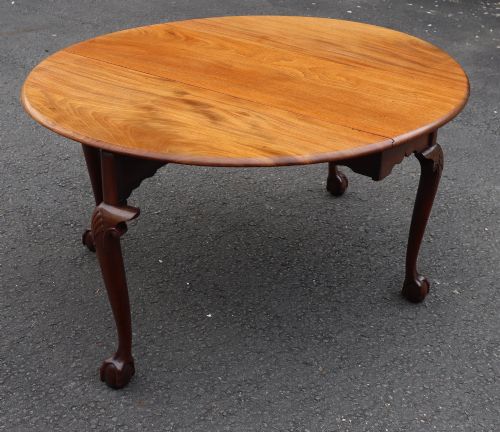
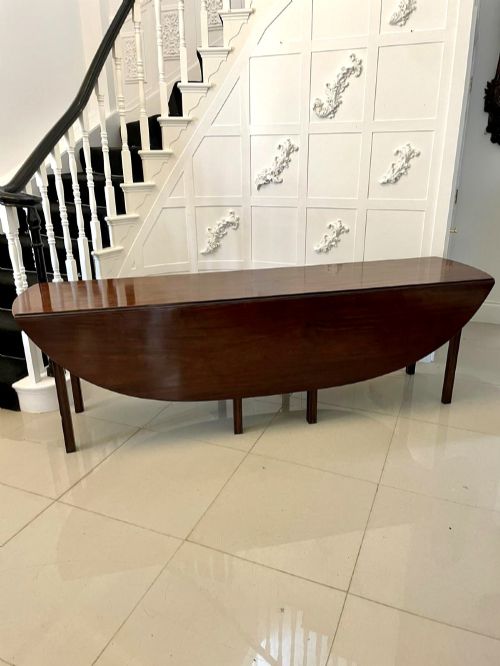
Originating across the eighteenth, nineteenth, and early twentieth centuries, these tables reflect shifting domestic habits through mechanisms like wind-out extending frames and folding stands. Buyers encounter everything from Georgian wine coolers and sewing tables to robust oak refectory and boardroom tables.
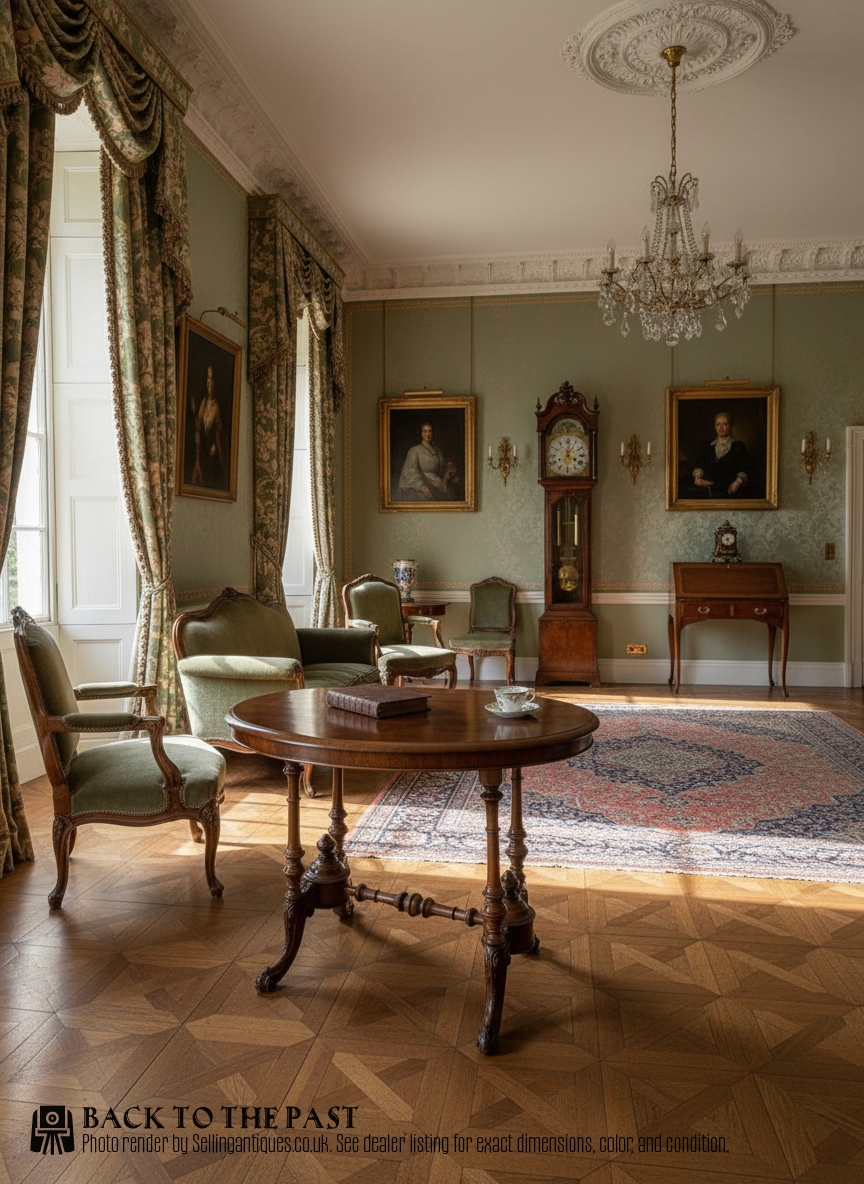
How they were made
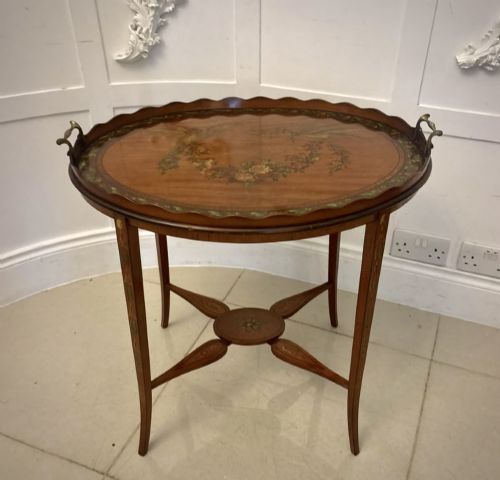
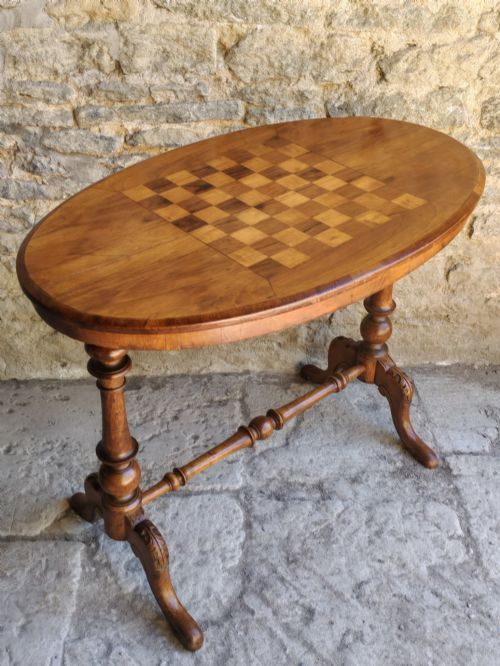
Cabinet makers relied heavily on dense timbers such as mahogany, walnut, and oak, often selecting burr walnut veneers or satinwood inlay to create decorative focal points on tabletops. Brass castors, hinges, and bindings frequently supplemented the woodwork, particularly on movable dining pieces and campaign furniture.
Construction techniques balanced structural strength with aesthetic refinement, utilising turned solid pedestals, tripod bases, and gateleg frames to support cantilevered or extendable tops. Joinery methods such as mortise and tenon joints ensured that large dining surfaces remained stable under heavy daily use.
Antique Oval Table Retail Price Guide 2026
Typical asking prices for oval table among the pieces listed under this phrase on Sellingantiques today, from the lower quarter to the upper quarter. They describe what is for sale here now, not the wider market.
Listings feature mahogany, walnut, burr walnut, oak, and satinwood across dining, occasional, and coffee table forms from the Georgian to Edwardian eras.
What varies in quality
The distinction between ordinary and exceptional pieces rests primarily on the choice of timber and the depth of natural figuring in the grain, particularly with burr walnut and mahogany surfaces. Superior examples display meticulous hand-carving on pedestal bases and precise inlay work that remains flush with the surrounding wood.
Engineering mechanisms also define higher grades of furniture, such as smooth-running wind-out systems in extending dining tables and balanced tilt-top mechanisms that lock securely into place without wobble. Original hardware, including stamped brass castors and fitted interior compartments, elevates the standing of a piece considerably.
Sir Godfrey Kneller·François Linke·Gillows
The Antique Oval Table Glossary
- Tilt-top
- A table mechanism allowing the top to pivot to a vertical position when not in use. This clever design saved valuable floor space in smaller historic chambers.
- Loo table
- A large Victorian centre or breakfast table designed for evening card games and social gatherings. These pieces typically feature a solid pillar and carved cabriole legs.
- Wind-out
- An extending dining mechanism operated by a removable metal crank handle. It separates the leaves evenly to insert additional centre sections.
- Butler tray
- A removable wooden tray with hinged sides, resting on a folding X-frame stand. Originally utilised for serving drinks or meals, it remains highly portable.
- Figured walnut
- Timber harvested from specific sections of the walnut tree displaying intricate, swirling grain patterns. Cabinet makers prized this wood for high-status table surfaces.
Antique Oval Table: Frequently Asked Questions
How do I care for an antique wood surface?
Maintain timber by applying natural beeswax sparingly and buffing it gently with a soft cloth to nourish the grain without building up heavy residue. Keep the furniture away from direct heat sources and strong sunlight to prevent the wood from drying out and cracking.
Avoid using modern silicone sprays or household multi-surface cleaners, as these can strip historic polishes and damage delicate veneers. Promptly wipe away any liquid spills with a dry cloth to protect the antique finish.
Can I use an antique dining table daily?
These robust tables were built for generations of family meals and handle normal daily use comfortably when treated with basic consideration. Using heat mats and protective table pads prevents accidental moisture rings and scorching on polished wooden surfaces.
When extending wind-out tables, operate the mechanism steadily and ensure the leaves align properly before placing weight on the joints. Regular domestic use helps keep the historic timber conditioned rather than causing undue harm.
How do I identify a tilt-top table?
Examine the underside of the tabletop for a wooden or brass catch mechanism that releases the pivoting top from the central pedestal column. When unlatched, the surface swings from horizontal to vertical so the table can stand flat against a wall.
This functional space-saving design is most commonly found on nineteenth-century breakfast, loo, and wine tables. The locking block beneath should fit snugly to prevent excessive wobble when the table is in the lowered position.