

Large Table
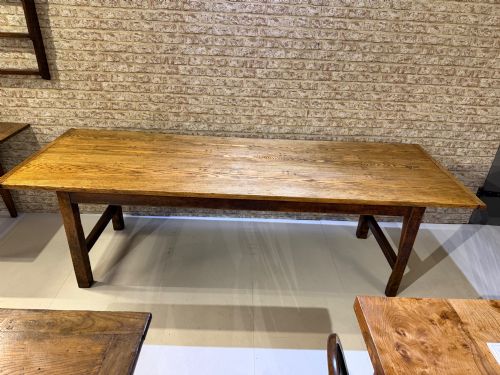
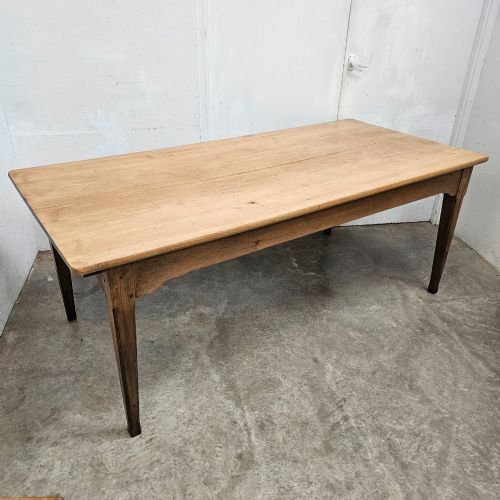
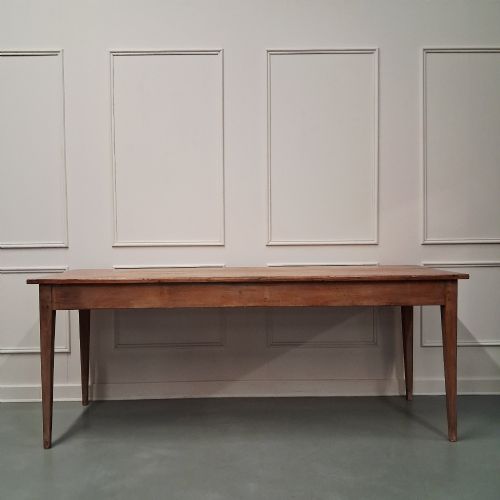
A large antique table serves as the primary gathering point in a room, offering generous proportions and substantial character built to endure.
Large Table
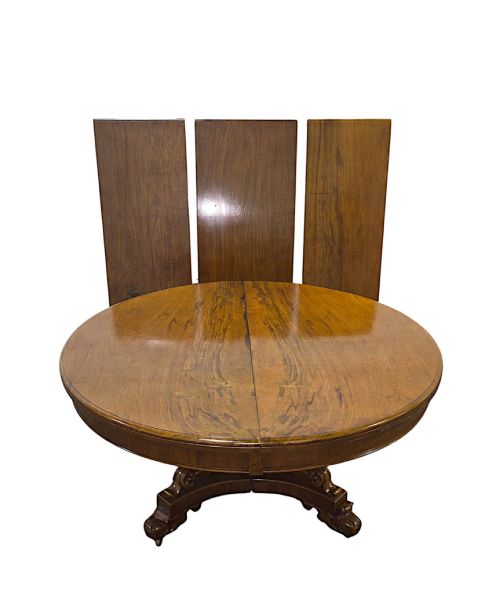
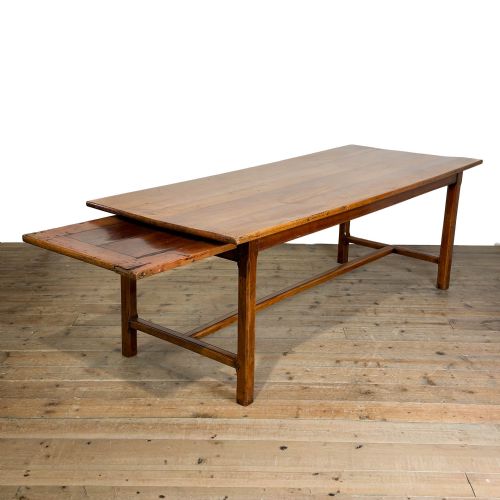
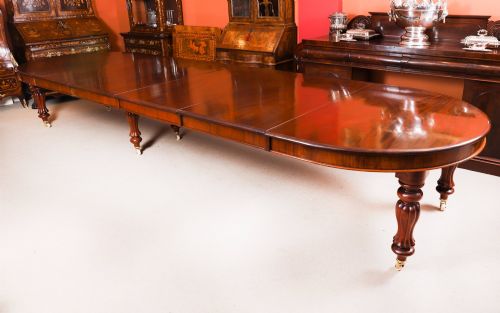
When searching for a large antique table, buyers encounter formats ranging from extending dining tables with multiple leaves to sturdy oak refectory tables and pine farmhouse pieces.
The selections span periods from the eighteenth century through the Victorian era and Edwardian years, reflecting English, French provincial, and regional workshop origins.
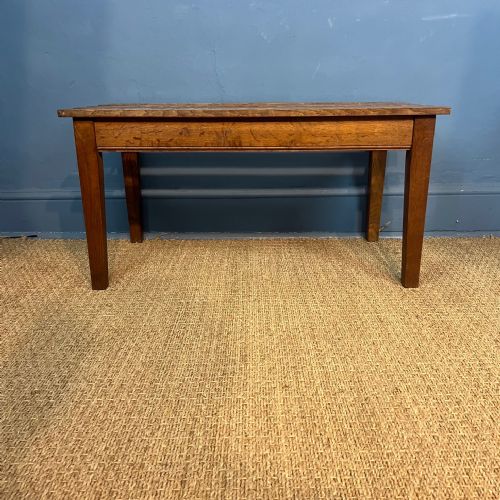
Dining tables dominate the offerings alongside console tables, library desks, and centre tables designed for everyday domestic utility.
Materials and Construction
Cabinetmakers relied heavily on dense hardwoods such as figured mahogany, English oak, and walnut, often pairing them with secondary timbers like beech or pine for internal frames.
Extending mechanisms utilised solid timber pillars, pedestals, and removable leaves supported by winding screws to accommodate varying seating capacities.
Large Table Retail Price Guide 2026
Typical asking prices for large table among the pieces listed under this phrase on Sellingantiques today, from the lower quarter to the upper quarter. They describe what is for sale here now, not the wider market.
Table forms span dining tables, refectory tables, console tables, partners desks, and library tables.
Defining Characteristics
Superior examples distinguish themselves through the selection of figured timber veneers, stable single-plank tops, and original integrated components like leaves and winding mechanisms.
Master craftsmanship appears in the precise joining of pedestals, the retention of patination on surfaces, and the structural integrity required to support multi-seater configurations.
Gillows·Widenham of London
The Large Table Glossary
- Refectory table
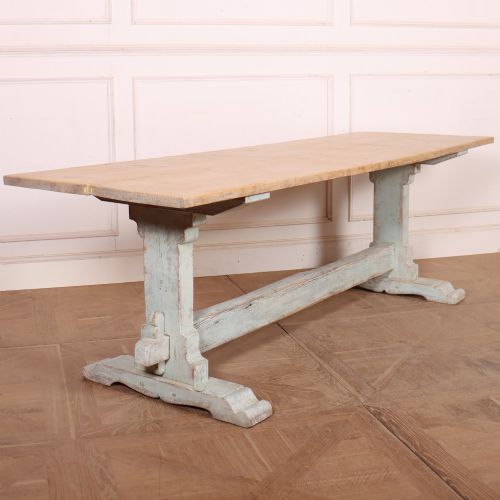
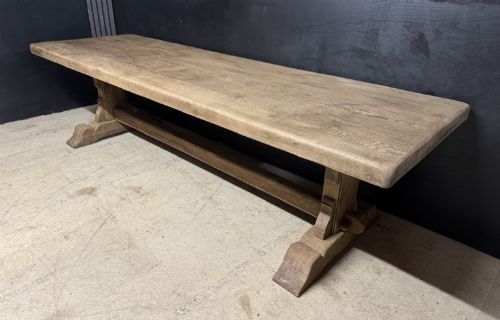
- A long, narrow dining table traditionally used in communal halls, featuring heavy legs connected by stretchers.
- Pedestal table
- A table supported by one or more central columns rather than corner legs, allowing greater legroom.
- Extending table
- A dining table designed with internal runner tracks to accept additional loose leaves for expansion.
- Demi-lune console
- A half-moon shaped side table often designed to stand flat against a wall or combine with matching pieces.
- Partners desk
- A large double-sided writing table fitted with drawers and cupboards on both faces for simultaneous use.
Large Table: Frequently Asked Questions
How many people will a large dining table seat?
Capacities depend directly on the length and the presence of extension leaves. Many large formats accommodate eight to twelve diners comfortably, while substantial multi-pillar examples seat twenty or more.
Buyers should measure both the room dimensions and chair clearance to ensure comfortable circulation around an expanded table.
How do I care for an antique wood surface?
Regular dusting with a dry cloth helps preserve the wax finish and natural patination built up over centuries. Avoid placing timber directly near heat sources or moisture to prevent warping.
Applying a traditional beeswax polish occasionally maintains the lustre without building up heavy chemical residues.
Are extension leaves original to the table?
Checking timber grain alignment and colour continuity between the main top and the leaves indicates whether they belong together. Original leaves match the primary wood selection and wear characteristics.
Matching colour tones and joint construction confirm the integrity of the extending mechanism.
What is the difference between an oak and mahogany table?
Oak pieces generally date from earlier periods like the seventeenth and eighteenth centuries, offering a heavy, rustic grain structure. Mahogany became prominent later, providing a smoother, reddish-brown surface suited to formal dining.
Both timbers offer exceptional longevity when properly maintained through daily household use.