

Antique Leaf Table
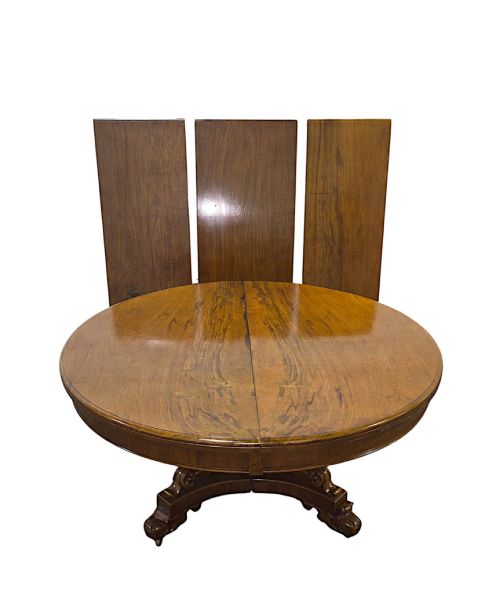
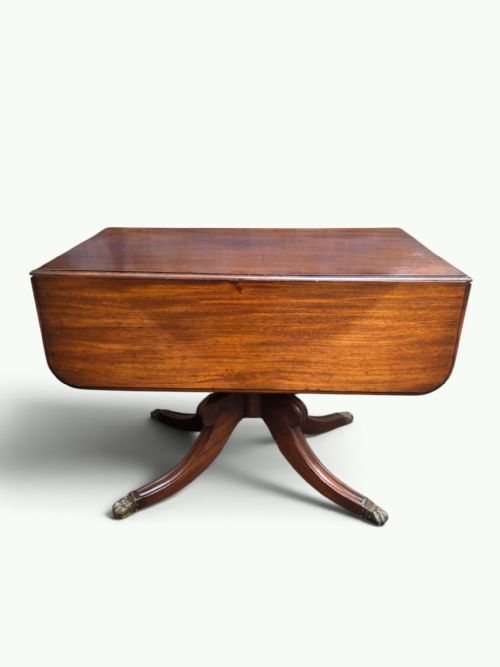
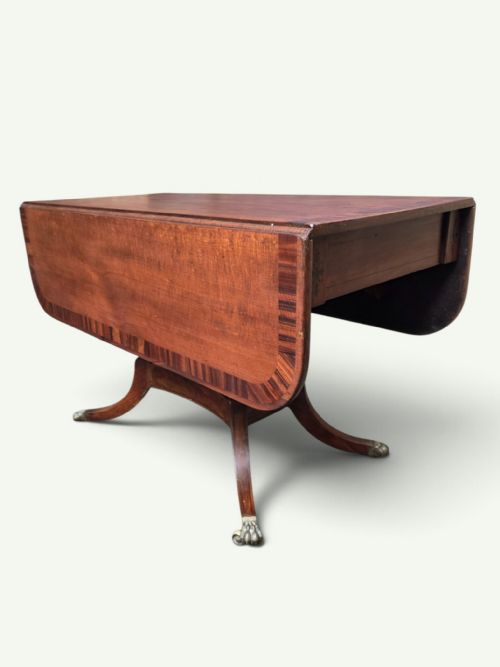
An antique leaf table provides the practical adaptability of folding, dropping or pulling sections to expand a surface when guests arrive.

Antique Leaf Table
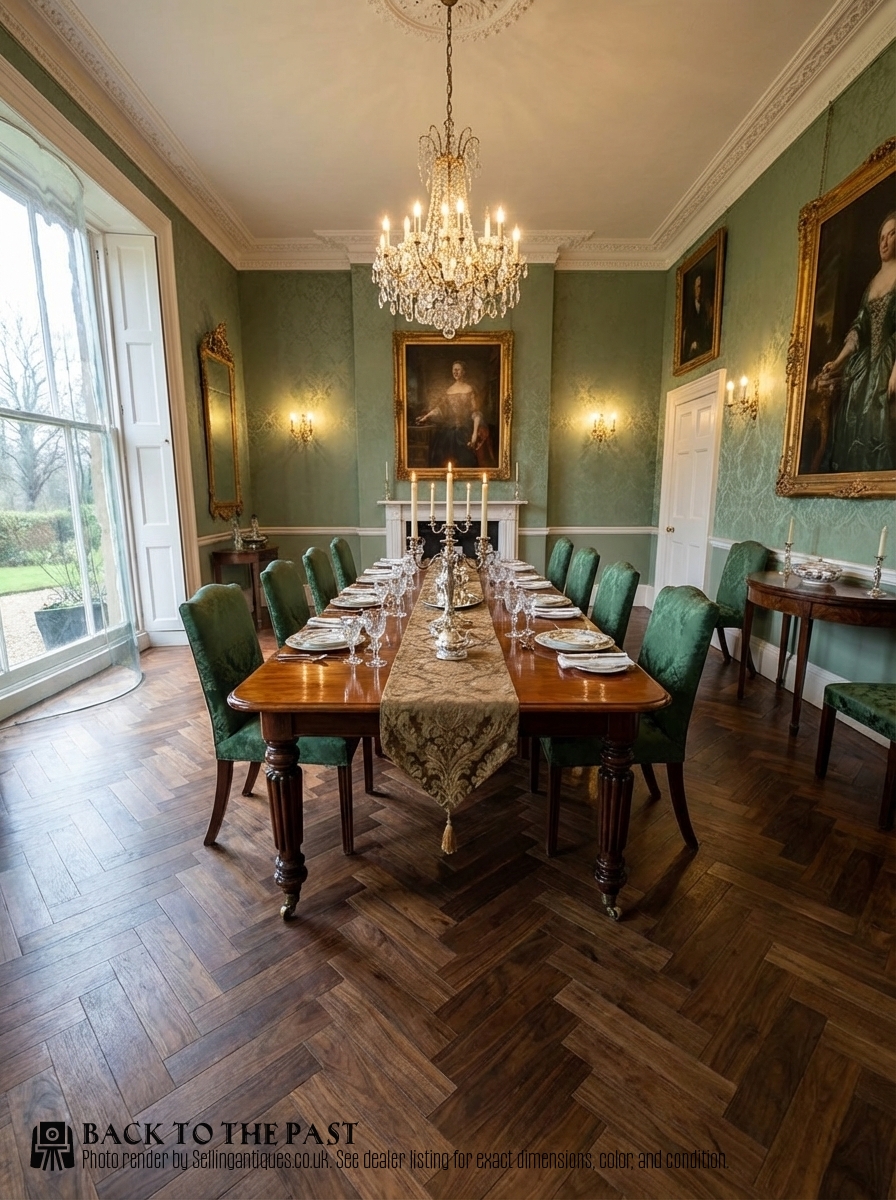
When searching for an antique leaf table, a buyer encounters domestic furniture designed to change size through hinged flaps, pull-out panels or inserted leaves.
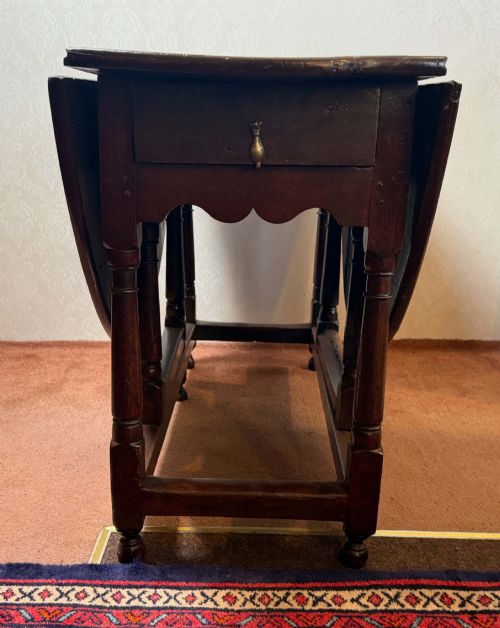
The options range from small oak gateleg and Pembroke tables intended for compact rooms to substantial mahogany dining tables capable of seating large gatherings.
Examples span the seventeenth, eighteenth, nineteenth and early twentieth centuries, encompassing Georgian, Regency and Victorian eras alongside Arts and Crafts and Edwardian iterations.
How they were made
Cabinet makers utilised dense hardwoods such as mahogany, oak and walnut, frequently selecting figured veneers like flame mahogany, burr walnut and satinwood for visual depth.
Structural joints relied on traditional woodworking methods, while extending mechanisms incorporated sturdy runners, gatelegs, brass hinges and winding systems to support the movable sections securely.
Antique Leaf Table Retail Price Guide 2026
Typical asking prices for leaf table among the pieces listed under this phrase on Sellingantiques today, from the lower quarter to the upper quarter. They describe what is for sale here now, not the wider market.
Some nineteenth century tables include secret compartments hidden within sewing and work table attachments.
What varies in quality
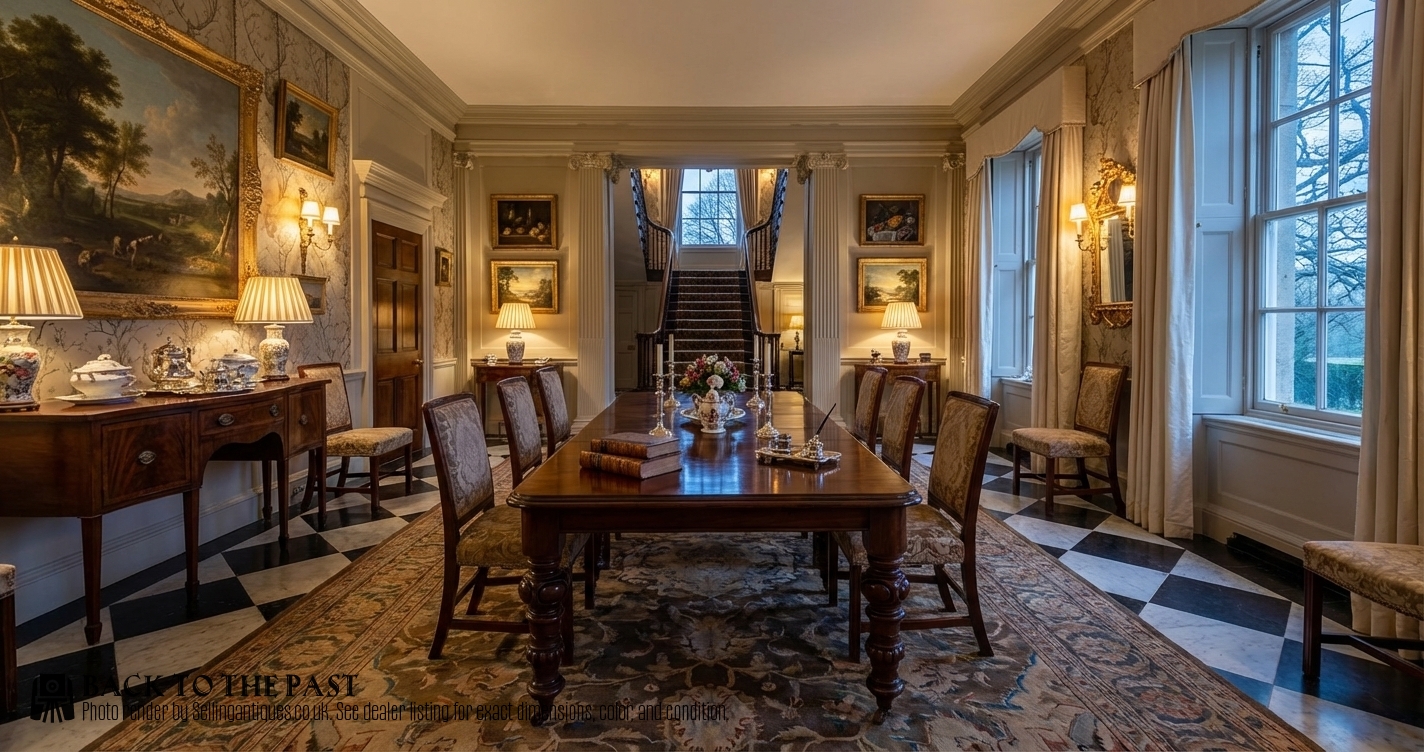
The standard of timber selection and the precision of the joinery dictate the overall excellence of the piece, particularly where moving leaves meet fixed frames.
Superior examples exhibit harmonious grain matching across extended surfaces, robust structural integrity in the folding mechanisms, and refined secondary details such as boxwood stringing or hand-carving.
The Antique Leaf Table Glossary
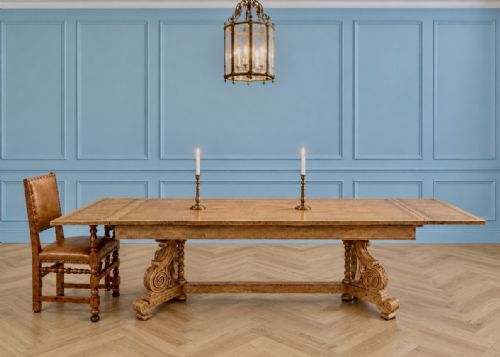
- Draw leaf table
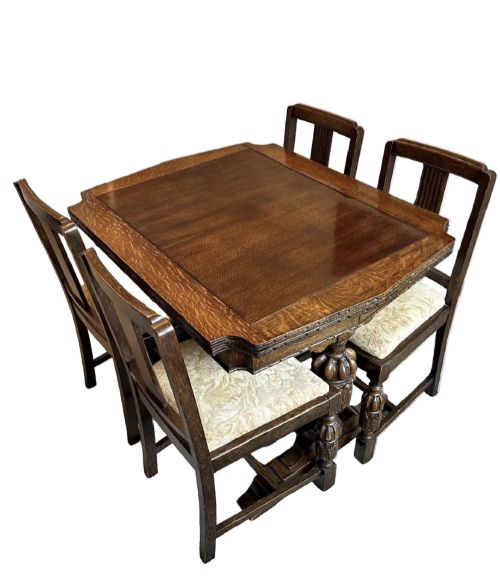
- A dining table with two concealed leaves beneath the main top that pull out from each end to extend the surface.
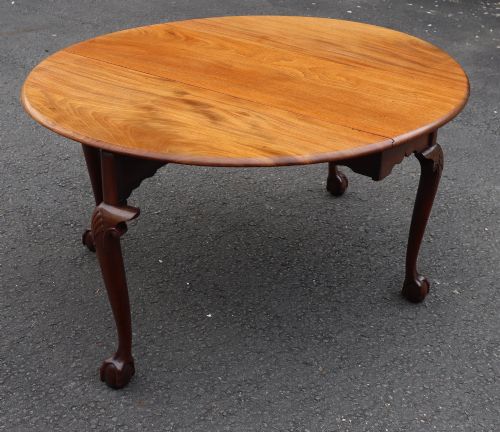
- Drop leaf table
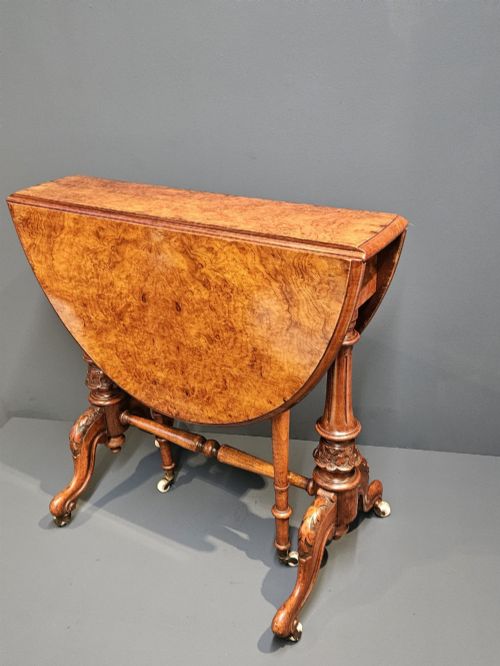
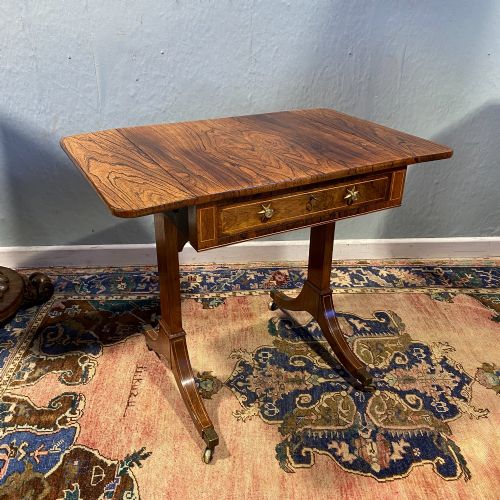
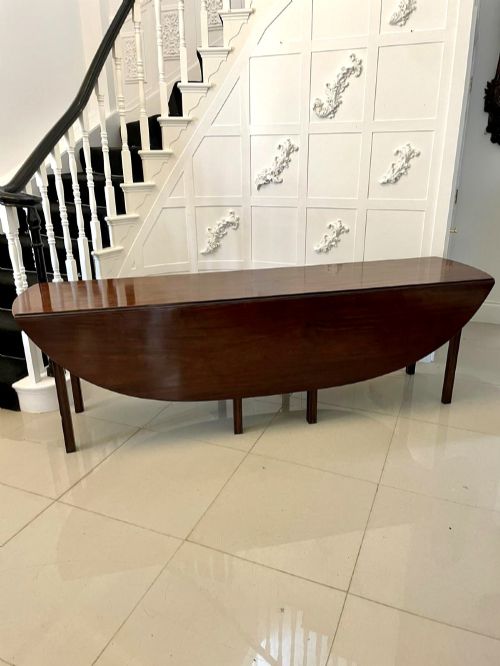
- A table featuring a fixed central section and hinged flaps on either side that drop down when not supported by swing legs or brackets.
- Gateleg table
- A drop leaf table where the hinged supporting legs swing outward like a gate to hold up the lowered leaves.
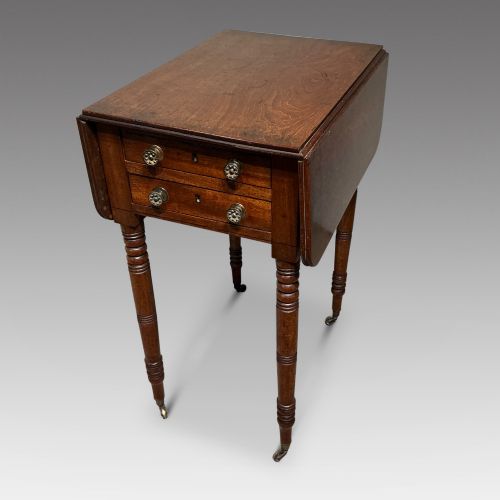
- Pembroke table
- A small occasional or breakfast table with pivoting drop leaves on two opposing sides, typically fitted with a single drawer.
- Sutherland table
- A particularly slender variety of drop leaf table with narrow leaves and a low-slung undercarriage, designed to fold completely flat for storage.
Antique Leaf Table: Frequently Asked Questions
How do draw leaf tables work?
These tables utilise a concealed system where extra leaves slide out from underneath the main top surface.
When pulled outward, the main top sections lift slightly to let the secondary leaves drop into place for a seamless extension.
Where were Pembroke tables placed?
Pembroke tables typically served as versatile occasional surfaces in Georgian and Victorian sitting rooms or breakfast parlours.
Their folding flaps allowed them to sit compactly against a wall until needed for writing or serving tea.
How do I care for antique wood surfaces?
Maintain polished hardwood by applying natural beeswax periodically and avoiding direct sunlight or excessive moisture.
Keep table leaves clean and operated regularly to prevent wooden runners from sticking due to humidity changes.
How can I tell the period of a table?
Examine the secondary timbers, fixing screws, and hand-cut joinery methods visible beneath the frame and drawers.
Stylistic markers such as cabriole legs, barley twist turnings, or mahogany veneers often indicate specific eras like the Georgian or Victorian periods.