

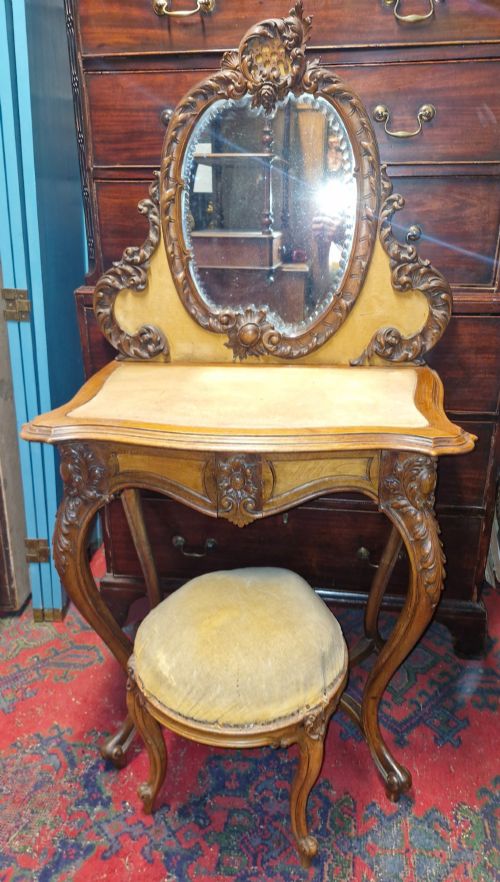
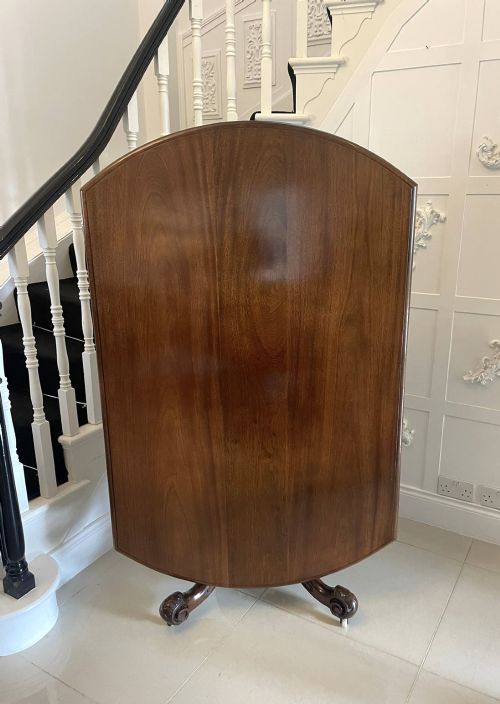
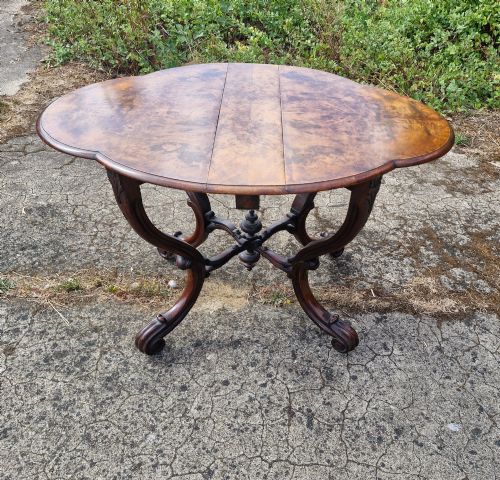
Victorian Oval Table
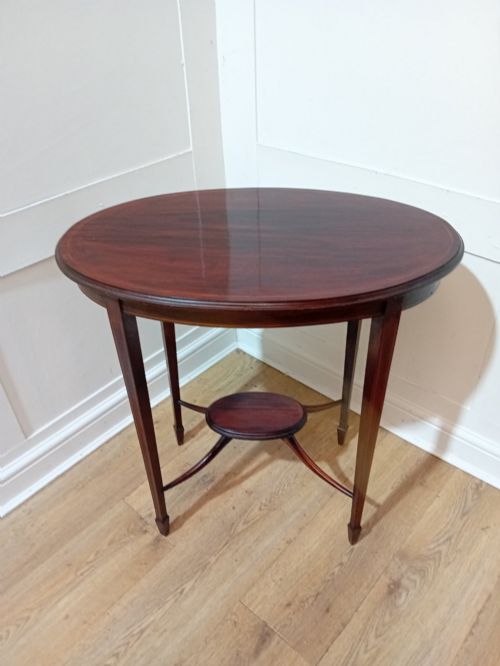
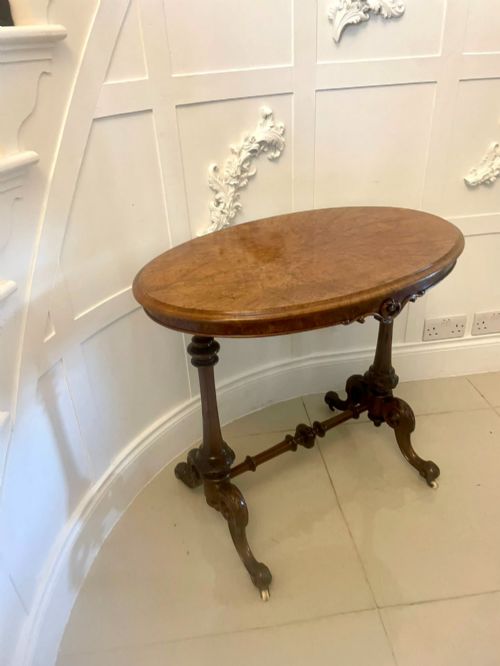
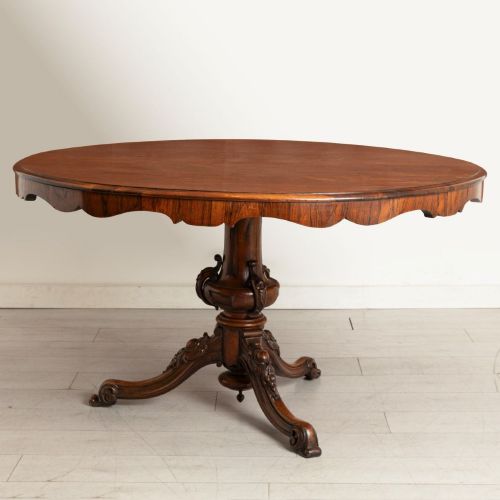
A victorian oval table brings warmth to a room through rich timber grains and curved mahogany or burr walnut silhouettes.
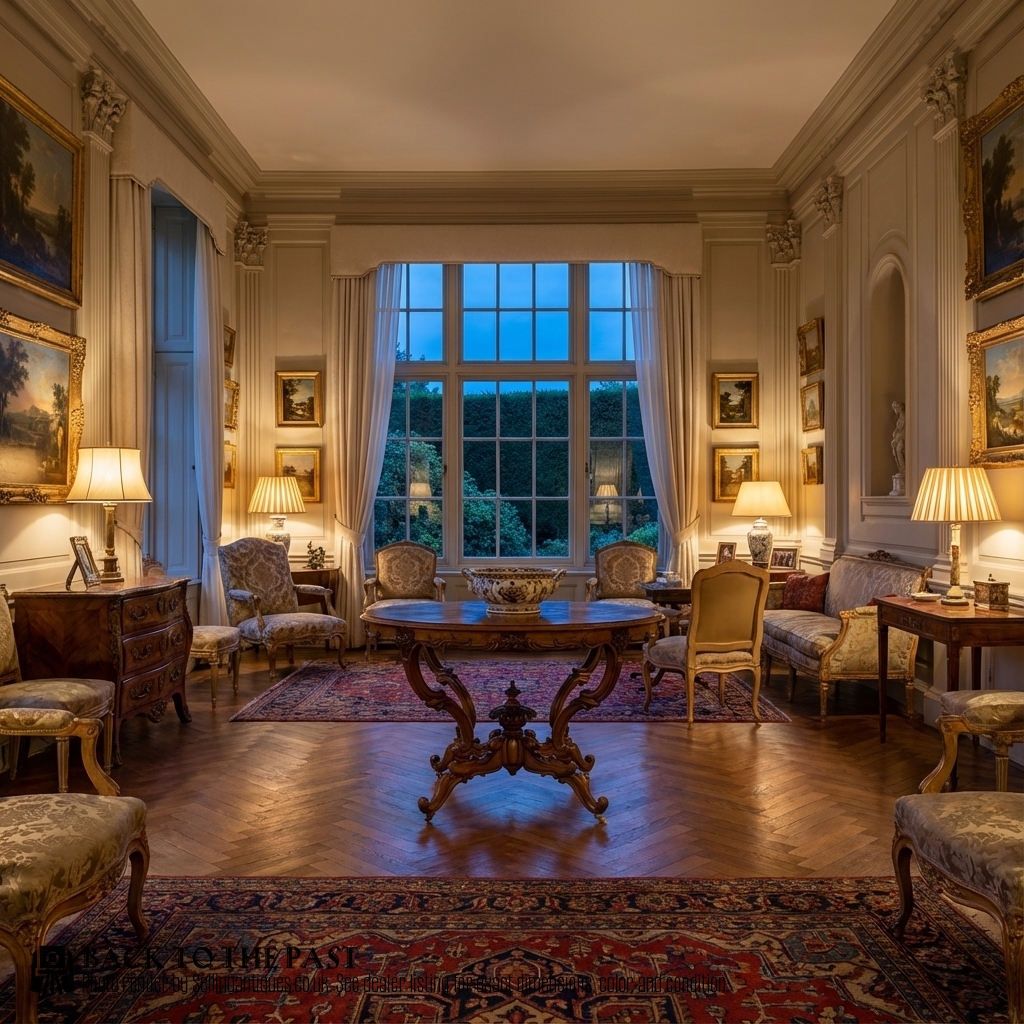
What They Are
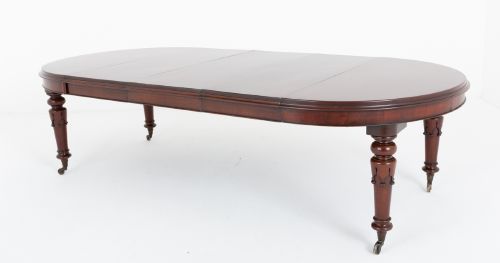
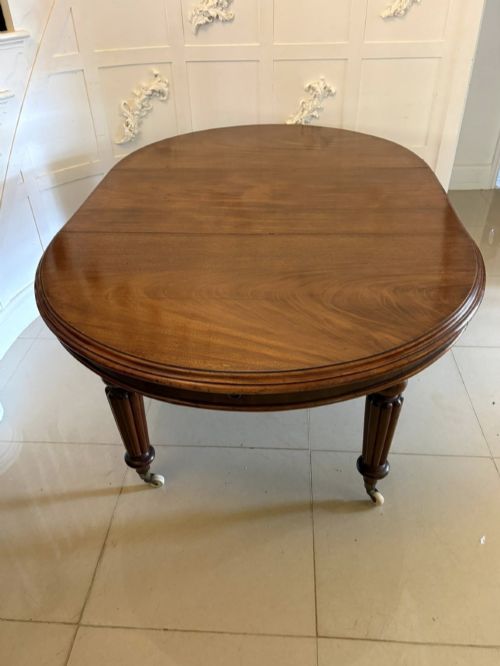
When searching for a victorian oval table, buyers encounter a diverse selection ranging from intimate coffee and occasional tables to large extending dining tables. The pieces on this page span several decades of the nineteenth century, reflecting the evolving domestic needs of homes during the period.
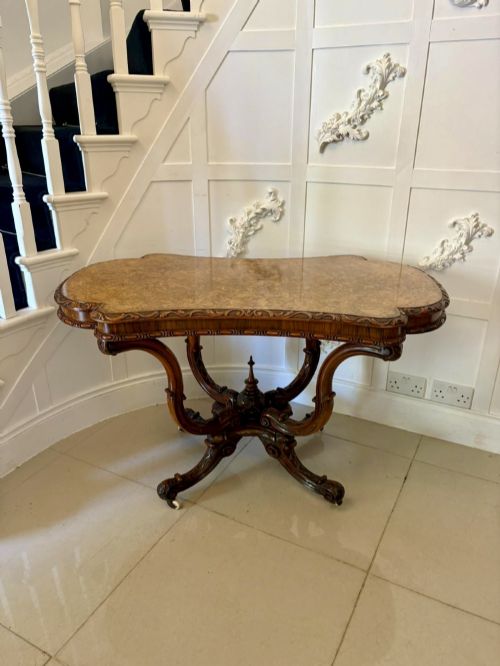
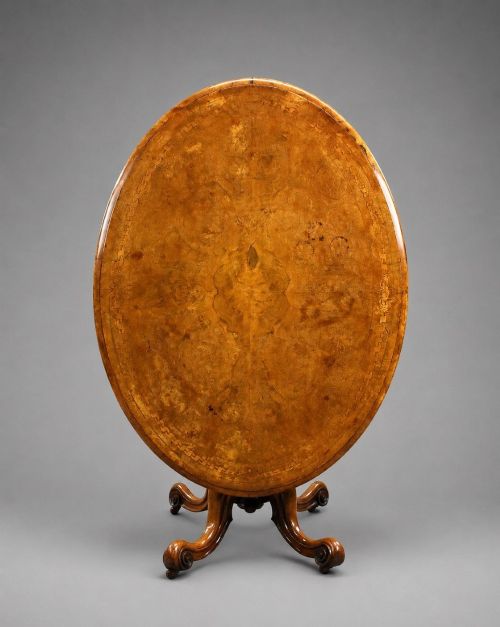
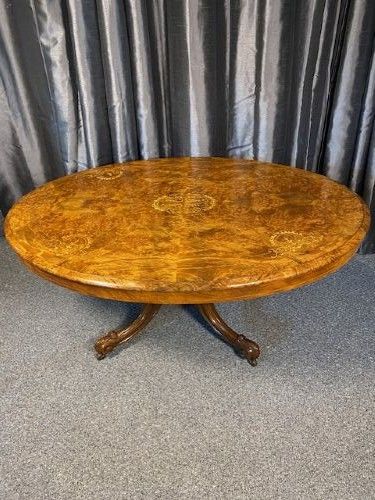
Burr walnut and mahogany dominate the selection, appearing across breakfast tables, centre tables, and wind-out dining furniture. These tables serve practical functions in modern spaces just as they did in Victorian interiors, offering generous surface areas with softened edges.
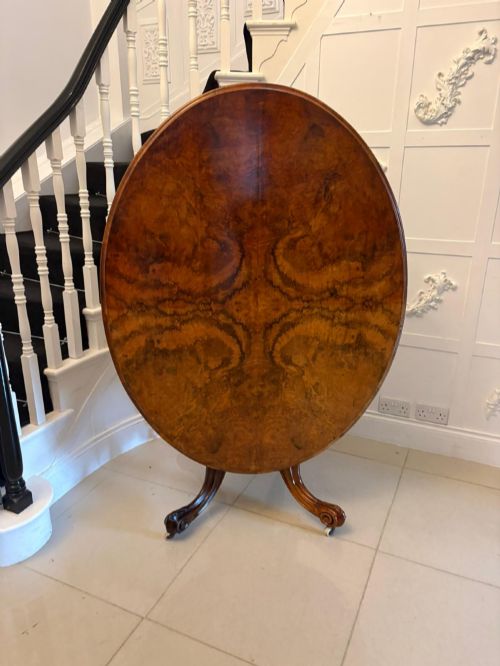
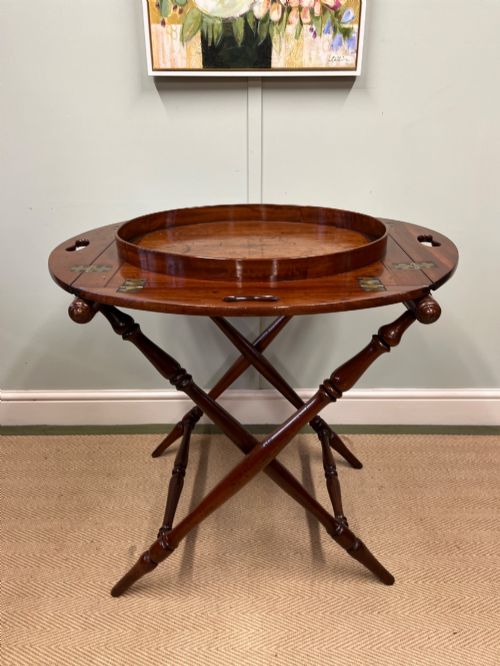
The inventory includes specialised forms such as tilt-top breakfast tables, folding campaign tables, and lamp tables. Each Victorian oval table displays the distinct proportions and functional design characteristic of nineteenth-century cabinet making.
How They Were Made
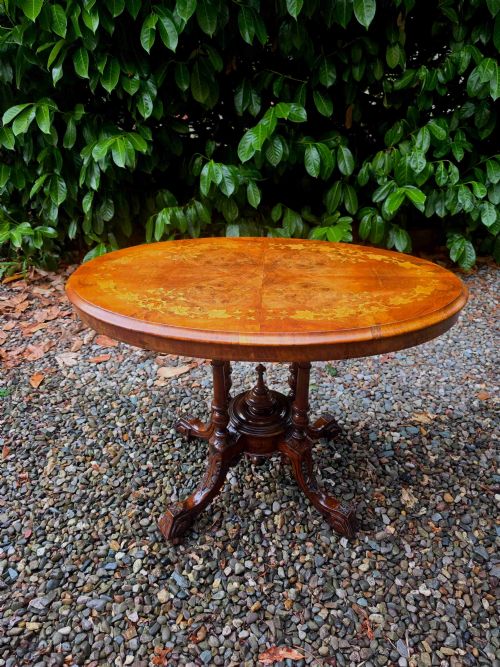
Cabinet makers utilised solid woods and fine veneers, pairing mahogany and walnut with fruitwood inlay, marquetry, and brass elements. Tops frequently feature figured or burr walnut veneers applied over sturdy timber foundations to highlight the natural grain.
Construction techniques include hand-carved wooden bases, pedestals, and legs fitted with castors for mobility. Dining versions incorporate mechanical wind-out systems to accommodate multiple leaves, while breakfast tables often utilise tilt mechanisms.
Retail Price Guide 2026
Typical UK retail prices for victorian oval table, calculated from the Sellingantiques database of over a million retail prices indexed since 2003. This retail price guide relies exclusively on Sellingantiques data; no external sources or auction records are used, so the figures do not describe the wider market.
Campaign tables designed for military officers bring portable elegance to nineteenth-century domestic spaces.
What Varies in Quality
The distinction between standard examples and the finest pieces lies in the choice of timber figurations and the precision of the inlay work. Highly figured burr walnut and intricate marquetry demand superior craftsmanship from the maker.
Structural execution also defines quality, seen in the stability of carved pedestal bases, the smooth operation of tilt-top mechanisms, and the seamless fit of extending dining leaves.
The Victorian Oval Table Glossary
- Burr Walnut
- A beautifully figured wood grain taken from the wart-like growths on walnut trees. It creates intricate, swirling patterns across table tops.
- Tilt Top
- A table mechanism allowing the surface to pivot and lock vertically. This saves space when the furniture is not in use.
- Wind Out
- An extending dining table mechanism operated by a handle. It separates the table halves to insert additional leaves.
- Centre Table
- A freestanding table designed to be viewed from all sides. These pieces typically occupy the middle of a Victorian room rather than sitting against a wall.
Frequently Asked Questions
How do I clean a burr walnut table?
Dust regularly with a soft, dry cloth to protect the delicate veneer surfaces from scratches and moisture damage.
Aplying a quality beeswax occasionally helps preserve the natural sheen of the timber without building up heavy residues.
Are these tables suitable for daily dining?
Extending dining tables and larger pedestal tables offer robust construction designed for regular seating.
Using heat mats and coasters protects the antique polished finishes from everyday wear and spills.
What is a tilt-top table used for?
The tilting mechanism originally allowed breakfast tables to be stored upright against a wall when not in service.
Today, the feature remains a practical space-saving attribute alongside its decorative appeal.