

Victorian Extendable Table
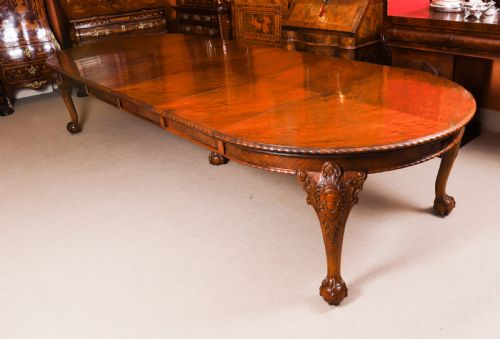
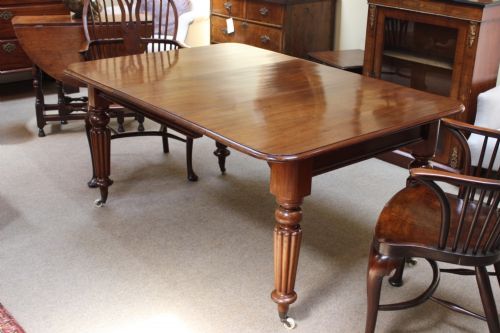
A victorian extendable table offers a solid mahogany surface that expands to seat large gatherings easily.

The Form
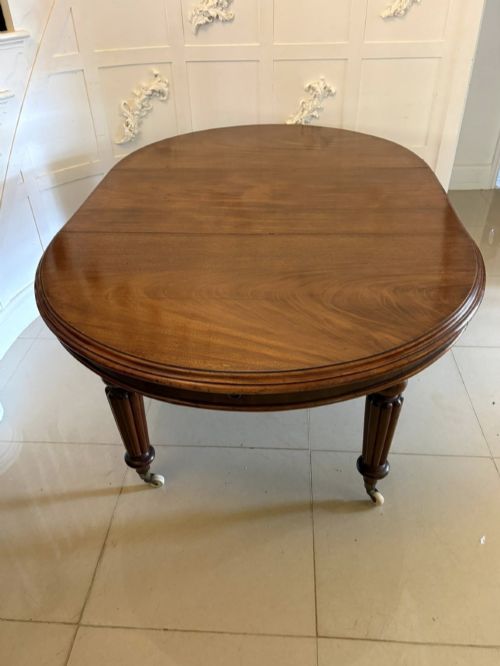
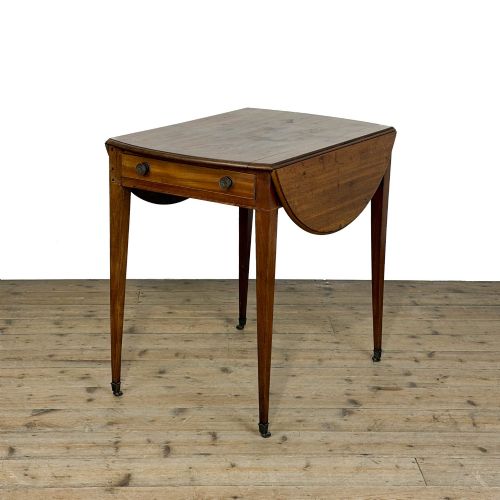
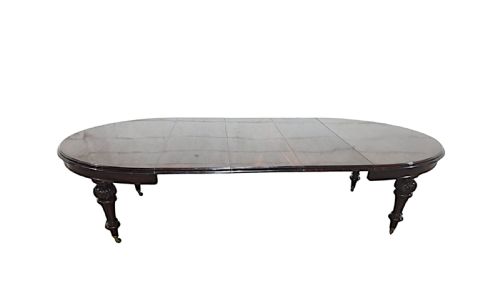
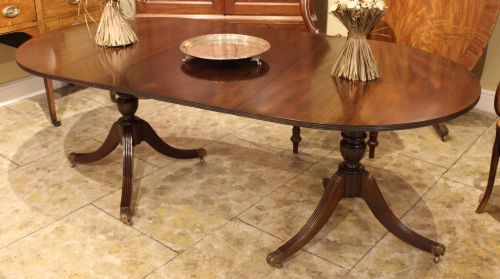
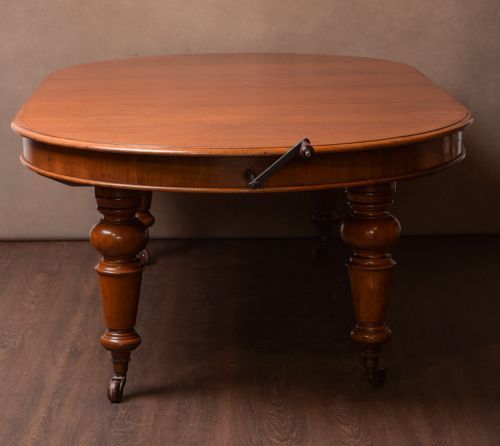
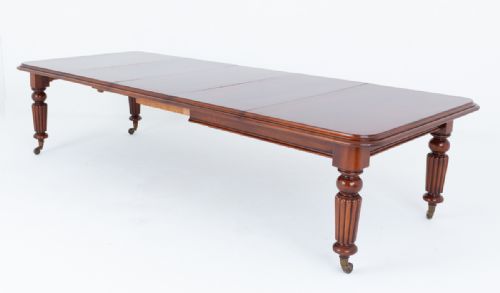
A victorian extendable table is a dining table designed to accommodate variable numbers of guests through mechanisms like draw leaves or extra leaves. The examples seen on this page span from the middle of the nineteenth century through to the final decades.
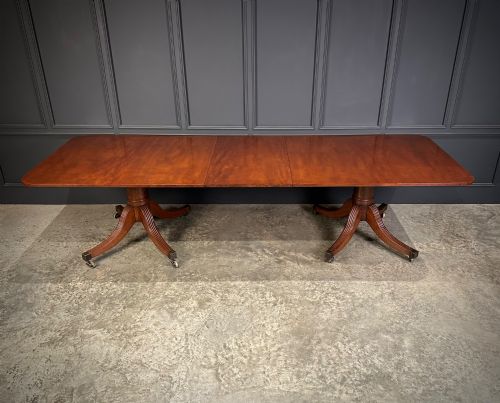
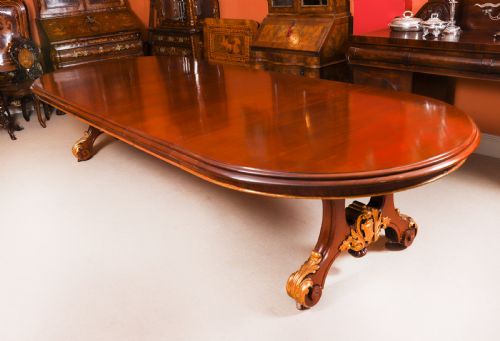
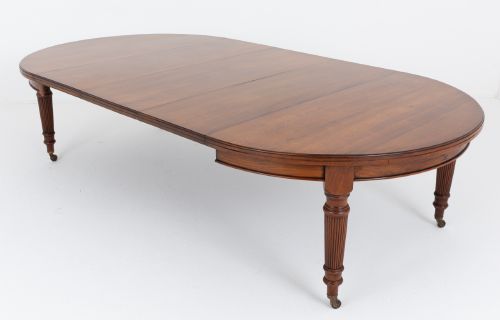
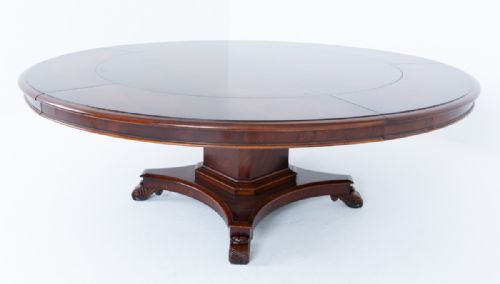
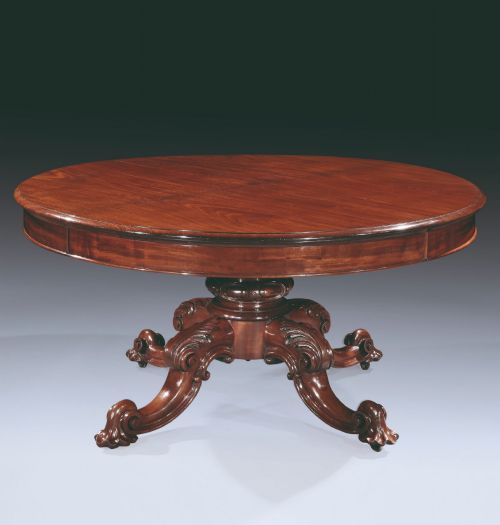
Most pieces appearing here are constructed from mahogany, appearing in forms ranging from round tables seating eight to grand twin pedestal designs and large formats seating up to twenty people. Irish and English origins feature prominently across the inventory.
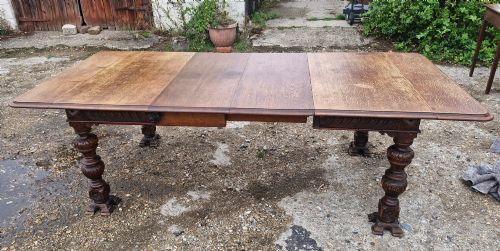
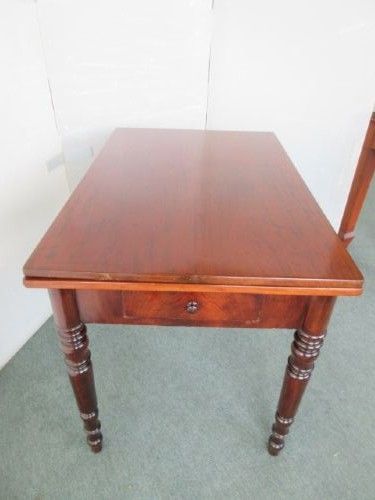
Buyers will encounter formats such as the oval three leaf dining table alongside simpler draw leaf variations. These tables serve daily dining functions while adapting readily to larger dinner parties.
Materials and Construction
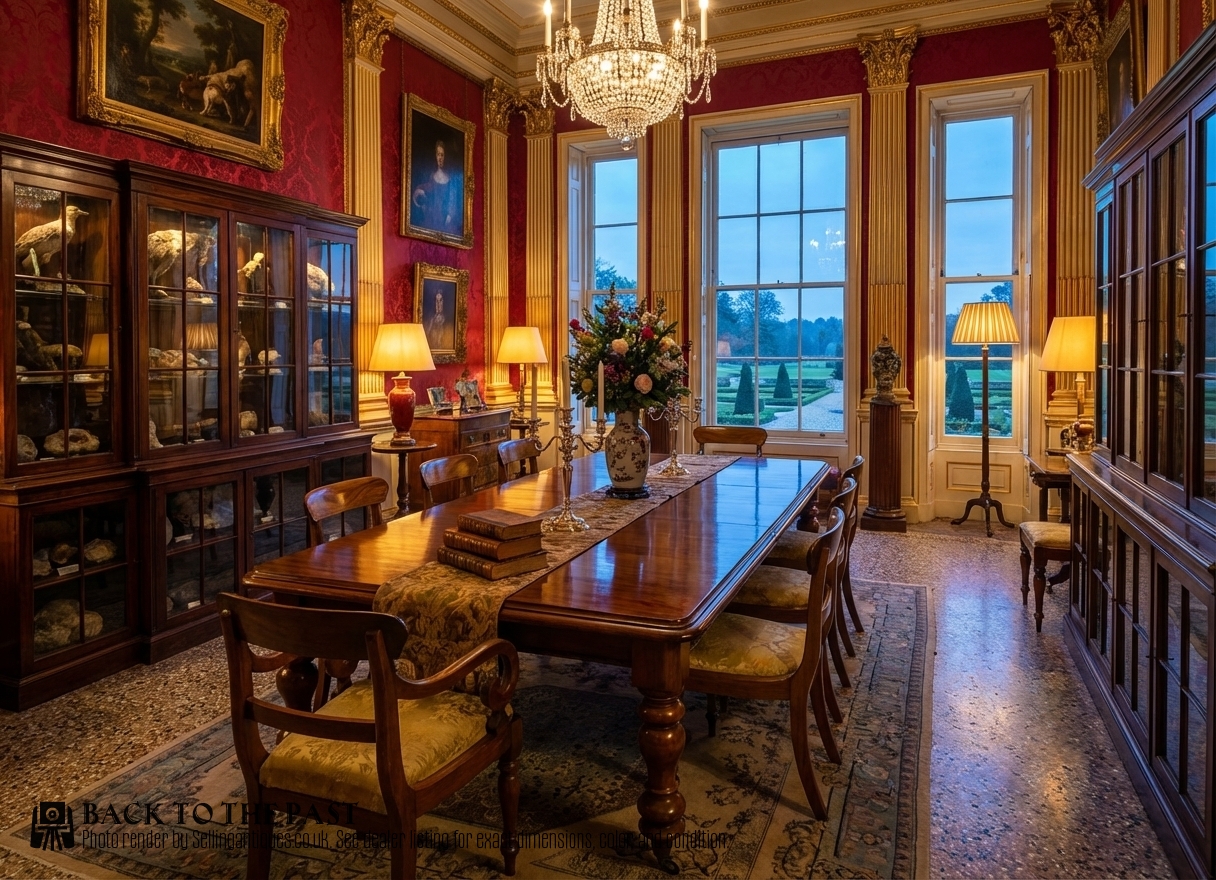
Makers built a victorian extendable table primarily using mahogany, selected for its rich grain and durability under regular use. Brass components and steel mechanisms facilitate the extension action, while gold leaf appears on specific decorative details.
Pine also appears in more utilitarian farmhouse kitchen tables with extendable tops. Joinery methods of the nineteenth century ensure that the leaves align smoothly with the main surface when the table is fully opened.
Retail Price Guide 2026
Typical UK retail prices for victorian extendable table, calculated from the Sellingantiques database of over a million retail prices indexed since 2003. This retail price guide relies exclusively on Sellingantiques data; no external sources or auction records are used, so the figures do not describe the wider market.
Mahogany, brass, gold leaf, and steel are the primary materials recorded across these nineteenth century dining tables.
Assessing Quality
Quality in a victorian extendable table is defined by the depth of the mahogany grain and the precision of the extension mechanism. Superior pieces display figured timber and robust pedestals that support substantial lengths without sagging.
Maker attribution elevates certain pieces, particularly those bearing the marks of known Glasgow workshops like Wylie & Lochead. The integration of additional leaves and the smoothness of the draw leaf action mark the distinction between standard and exceptional examples.
Wylie & Lochead
The Victorian Extendable Table Glossary
- Draw leaf table
- A table with two leaves tucked beneath the main top that pull out to extend the surface. This mechanism provides quick expansion without requiring separate loose leaves to be stored elsewhere.
- Pedestal table
- A table supported by one or more central columns rather than four corner legs. Twin pedestal versions offer stability and greater legroom for seated guests.
- Mahogany
- A durable hardwood with a reddish brown hue commonly utilised for fine nineteenth century dining furniture. Its stable nature made it ideal for tables subject to frequent extension.
- Leaf
- A removable or sliding section inserted into a dining table to increase its overall length. Multiple leaves allow the table size to be adjusted incrementally.
Frequently Asked Questions
How do these extendable tables work?
These tables operate using internal mechanisms, draw leaves, or removable inserted sections. Users pull the ends apart to drop in extra leaves or slide out hidden panels.
This design allows the surface area to expand or contract depending on the number of diners present.
What materials are used?
Mahogany is the primary wood seen across these nineteenth century dining tables. Brass and steel provide structural support for the extending mechanisms.
Pine is also utilised in utilitarian farmhouse kitchen variations.
How many people can they seat?
Capacities vary from compact round tables seating eight up to grand formats accommodating sixteen to twenty guests. Additional leaves determine the maximum seating length.
Mid-range options typically seat ten to twelve people comfortably.
Are these tables sturdy when extended?
Pedestal designs and robust timber construction provide solid support across the full length of the table. Twin pedestals help distribute weight evenly when the surface is fully opened.
Properly aligned leaves maintain a flat and stable dining area.