
Dark Wood Extending Table
A dark wood extending table brings centuries of dining craft into your room, offering adaptable scale through pedestal and leaf mechanisms.
Dark Wood Extending Table
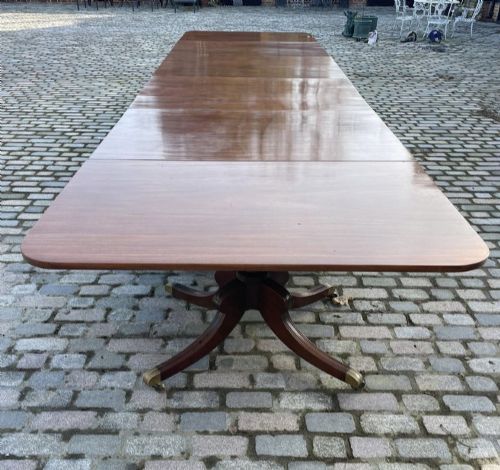
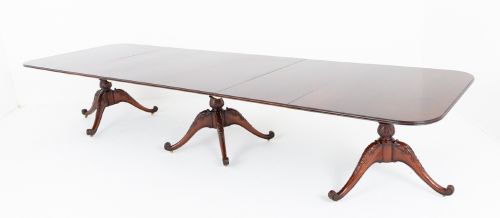
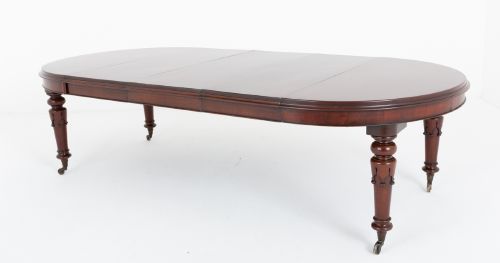
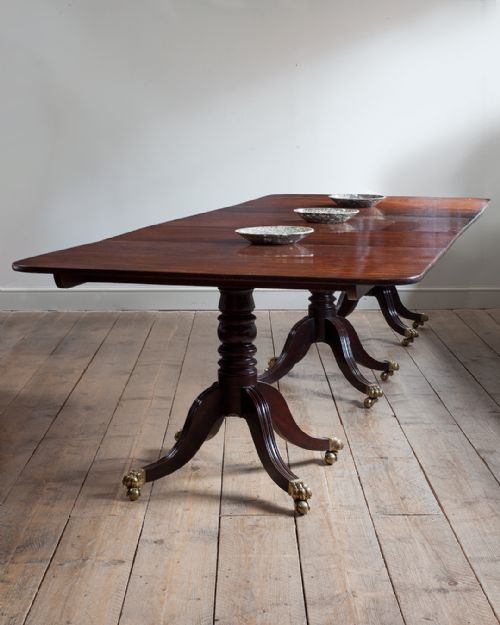
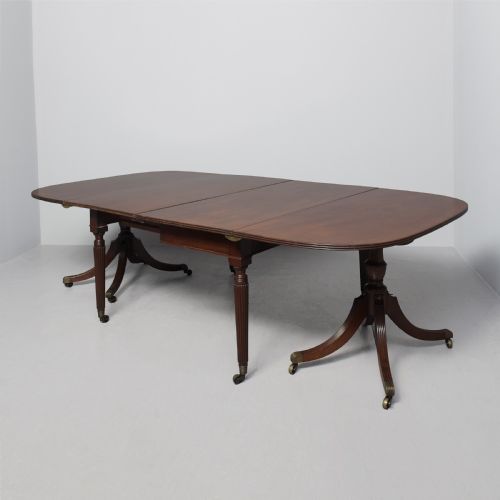
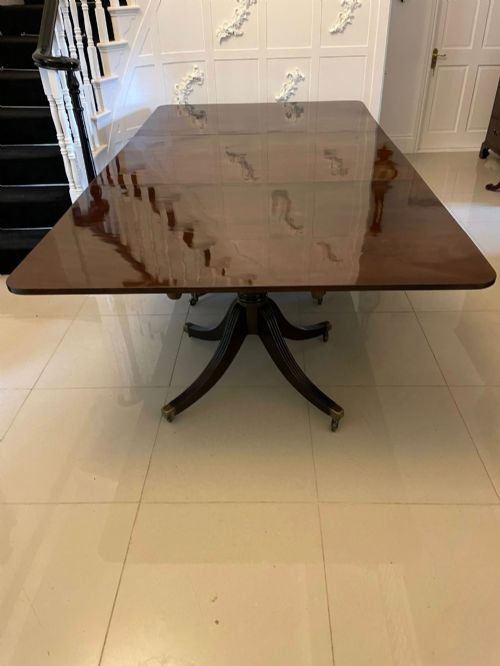
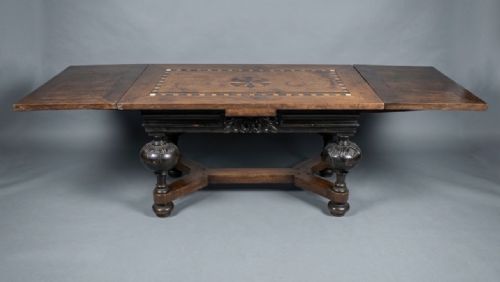
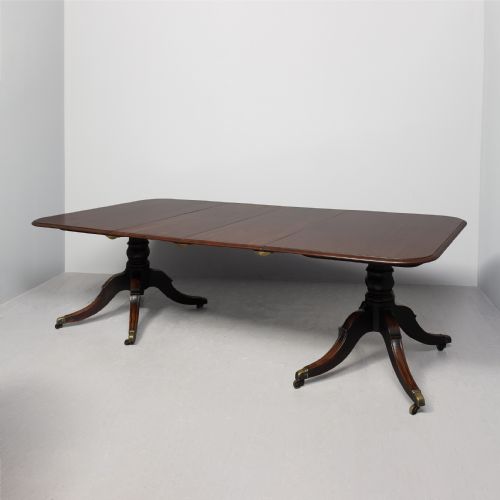
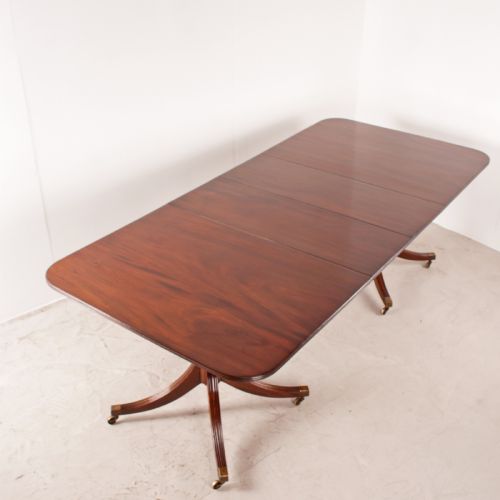
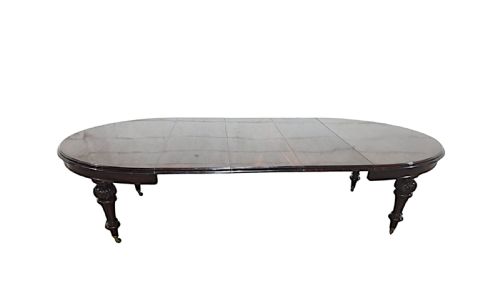
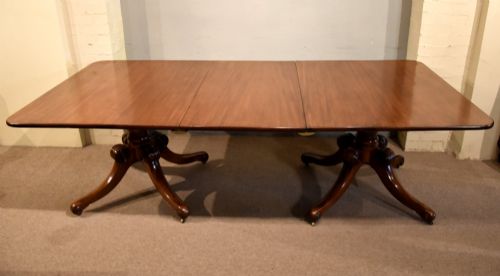
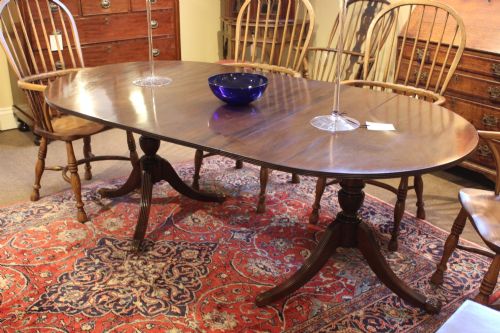
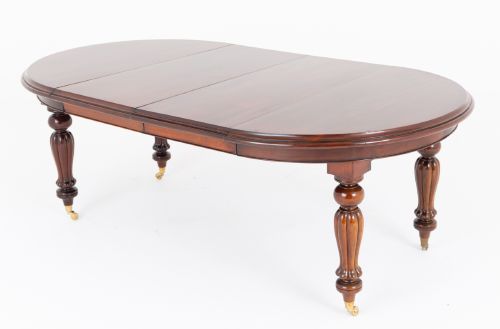
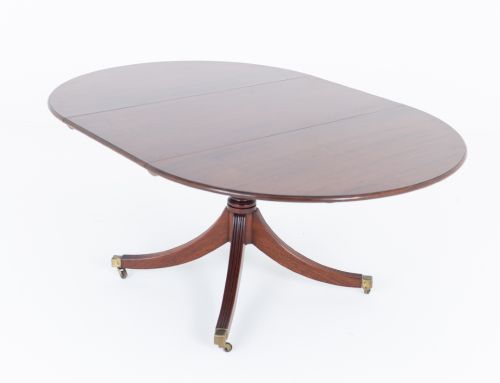
A dark wood extending table combines substantial timber construction with mechanical leaves or draw mechanisms to expand surface area for dining and writing. When you search for this phrase, you encounter forms ranging from Georgian and Regency multi-pedestal dining tables to Victorian draw leaf tables and William IV circular designs.
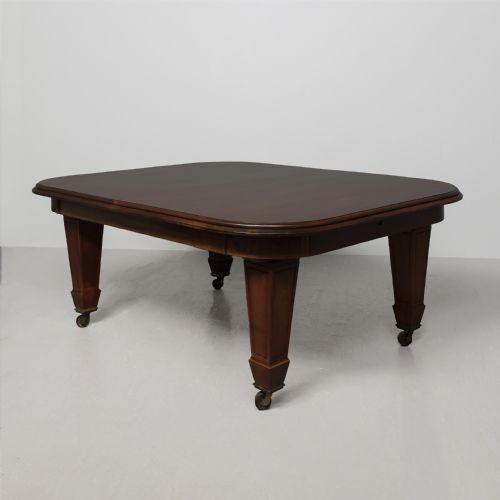
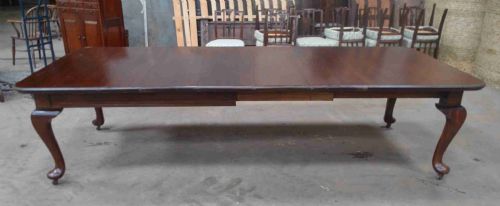
The pieces listed on this page predominantly utilise mahogany, alongside oak and rosewood, reflecting centuries of cabinet-making traditions from the Georgian, Victorian, and Edwardian periods. Pedestal formats with removable leaves and drop-leaf variations dominate the selection, providing flexible seating arrangements for gatherings of various sizes.
How they were made
Cabinet makers utilised dense timbers such as figured mahogany, oak, and rosewood, often embellished with brass fittings, ceramic castors, or delicate wood and satinwood inlay. The structural integrity relies on robust pedestal bases, multi-pillar supports, or draw leaf runners that allow smooth daily operation.
Joinery techniques span traditional hand-cut joints for the framework, combined with clever mechanical sliding tracks or drop-leaf hinges designed to support multiple extra leaves without sagging under weight.
The listings span the Georgian, Regency, William IV, Victorian, and Edwardian periods, constructed primarily in mahogany with occasional oak and rosewood.
What varies in quality
The distinction between standard examples and exceptional pieces rests in the choice of timber figure, such as highly figured flame mahogany, and the precision of the extension mechanism. Superior items show careful matching of grain across added leaves and robust, stable pedestal columns that bear weight evenly.
Subtleties in carving detail, the inclusion of original brass or ceramic castors, and attribution to notable workshops elevate certain tables. The fluidity of the extension action and the tightness of the joinery when fully expanded mark the difference in execution.
Gillows of Lancaster·William and Gibton Dublin
The Dark Wood Extending Table Glossary
- Pedestal table
- A table supported by one or more central columns rather than four corner legs. This design allows greater legroom around the perimeter.
- Draw leaf table
- A table with auxiliary leaves stored beneath the main top that pull out from each end. They slide easily on internal runners.
- D-end table
- A dining table whose end sections form a semi-circle resembling the letter D. When separated, these serve as side console tables.
- Figured mahogany
- Timber cut to reveal distinctive grain patterns such as flame or fiddleback. It was prized by Georgian and Victorian cabinet makers for formal dining furniture.
Dark Wood Extending Table: Frequently Asked Questions
How do extending leaves work?
Most antique extending tables operate using central winding mechanisms or drop-in leaves supported by telescopic runners. Pillars separate to allow the insertion of additional timber panels.
Securing latches beneath the surface keep the leaves aligned and steady during use.
How do I identify the period?
Period identification relies on timber selection, leg styles, and structural hardware. Regency pieces often display brass reeding and pillar bases, while Victorian tables tend to feature heavy carved mahogany.
Drawer construction and the type of castors also offer clues to the decade of manufacture.
Can I seat many guests?
Many large pedestal tables accommodate extended gatherings by accepting multiple original leaves. Grand formats can seat upwards of ten to twenty people depending on the length.
Checking the dimensions and pillar placement ensures chairs fit comfortably around the base.
How do I care for mahogany?
Maintain timber surfaces by avoiding direct sunlight and excessive moisture fluctuation. Regular dusting with a soft cloth preserves the polished finish.
Applying appropriate wax occasionally nourishes the wood grain without building up heavy residue.