
Mahogany Table with Castors
Mahogany table with castors brings together rich timber and mobile convenience, offering timeless utility across dining rooms and studies.
Identifying these tables
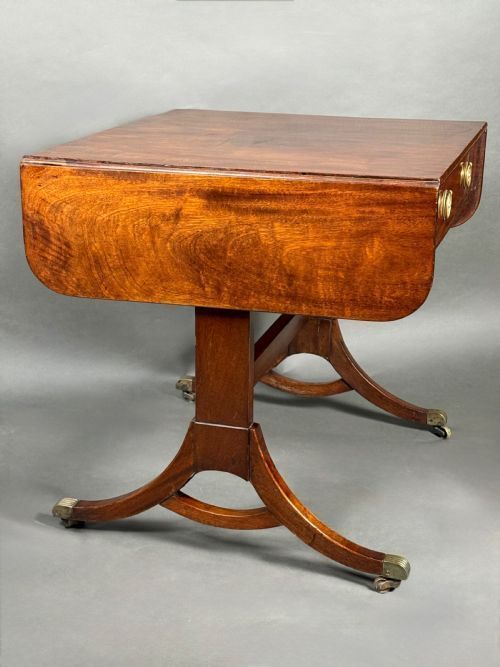
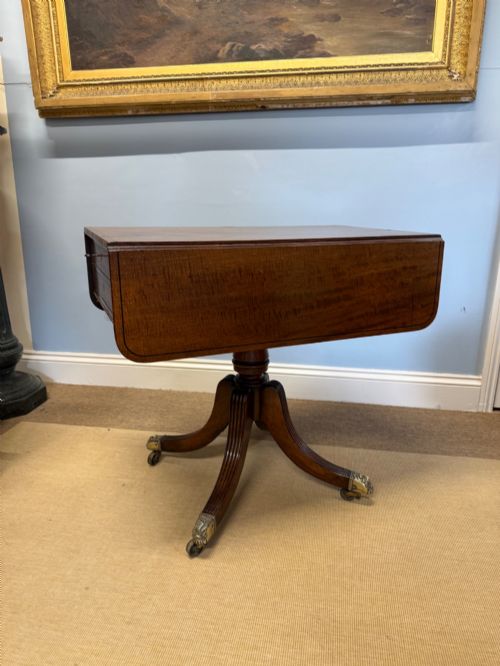
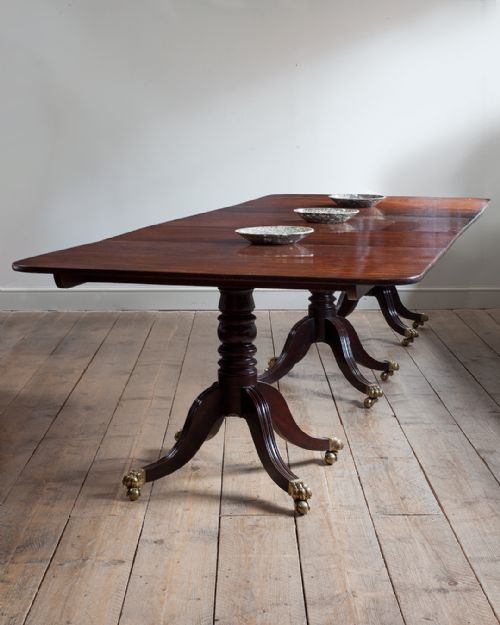
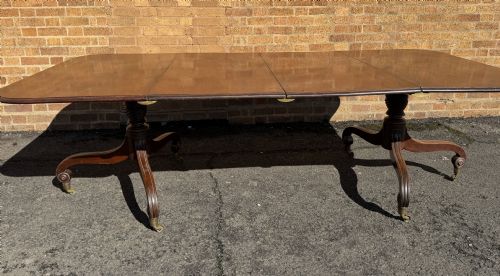
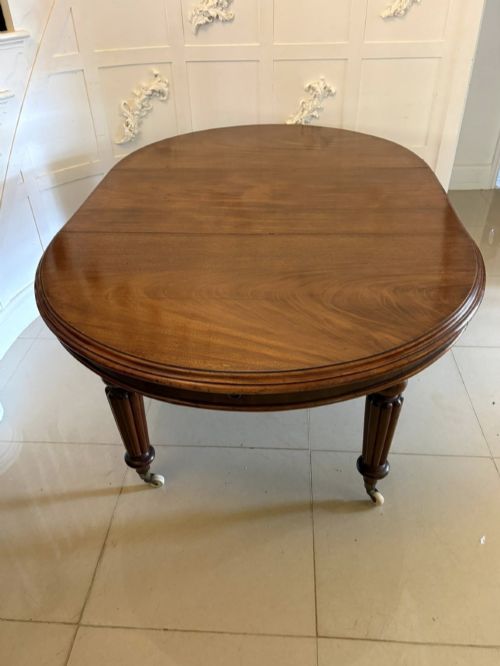
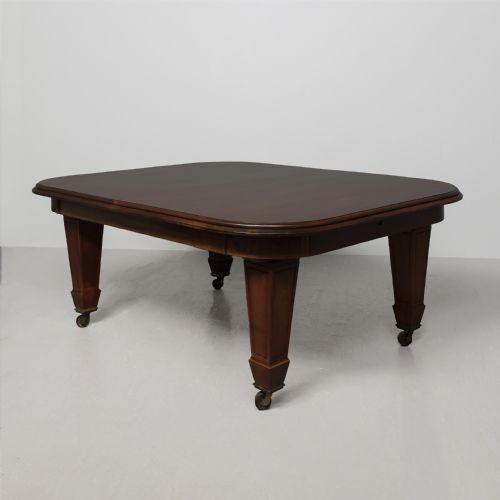
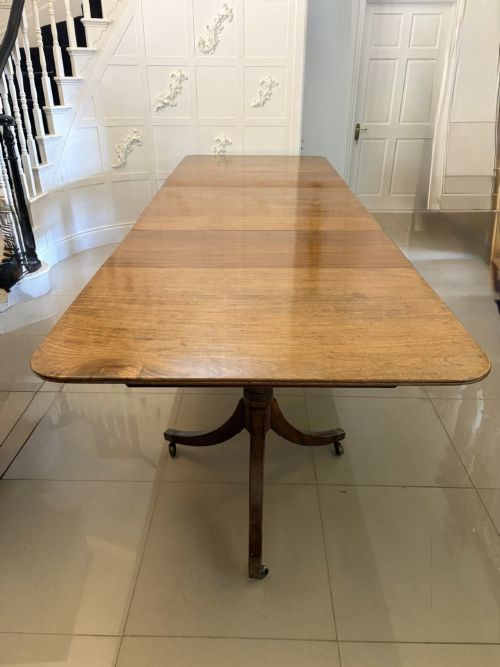
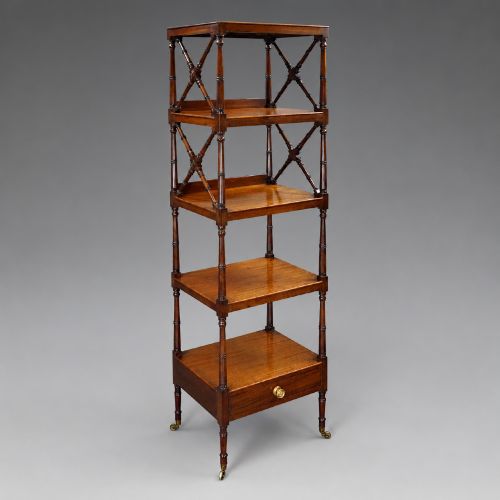
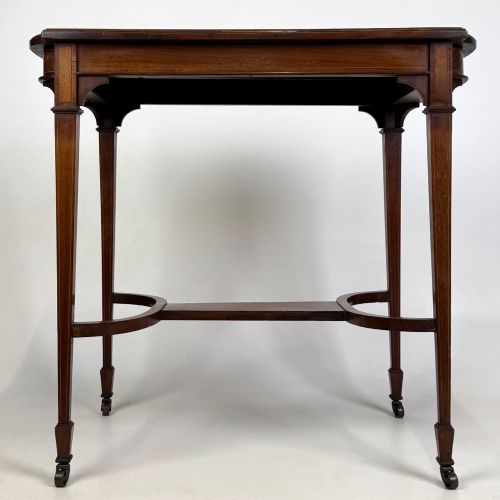
A mahogany table with castors combines warm timber with functional mobility, appearing frequently across the Regency, Victorian, and Edwardian periods. These pieces serve diverse domestic purposes, ranging from large dining arrangements to compact side tables.
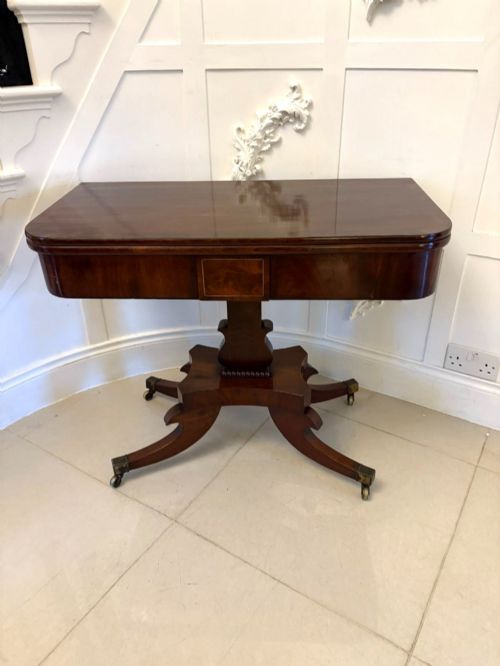
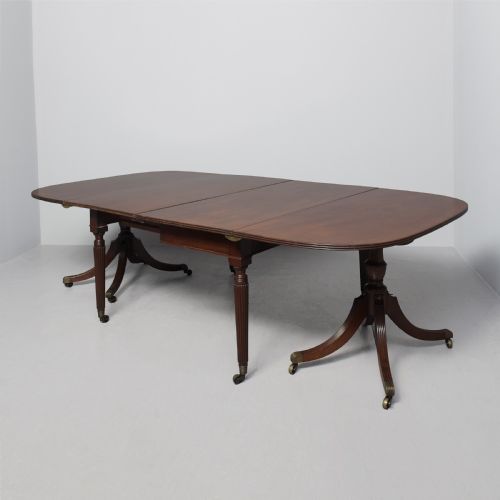
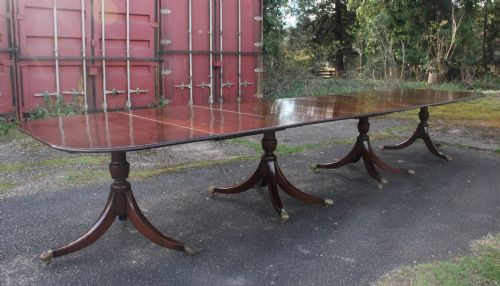
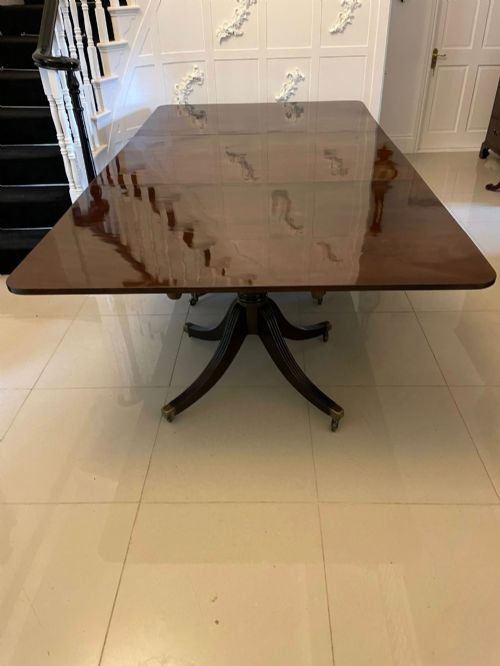
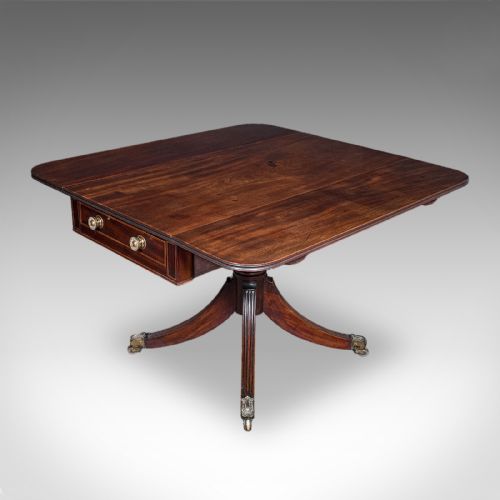
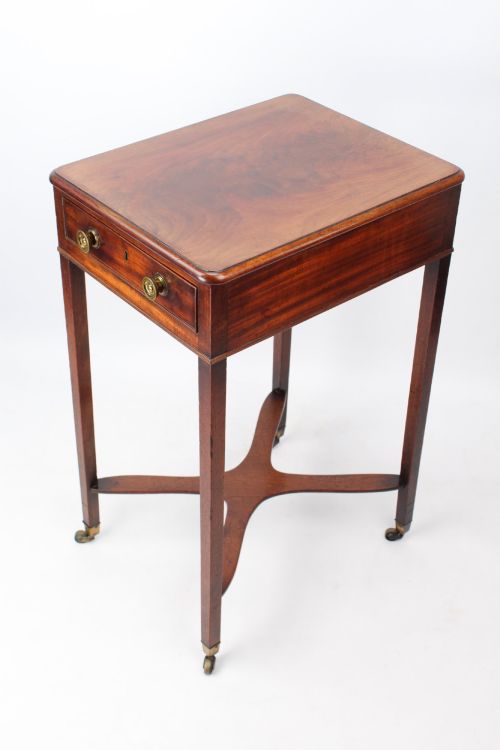
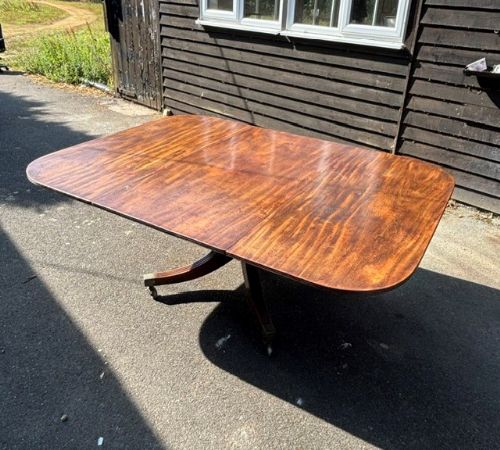
The evidence shows various forms including extending dining tables, sofa tables, pembroke tables, and tilt top tables. Side tables and games tables also feature regularly on this page.
Originating predominantly from the Georgian through to the Edwardian eras, these pieces highlight the enduring popularity of mahogany as a primary furniture timber. The inclusion of castors ensures ease of movement, a practical feature valued by historic households and modern collectors alike.
Materials and construction
Makers utilised solid and veneered mahogany, occasionally incorporating boxwood inlay for decorative contrast on surfaces and legs. Structural elements rely on traditional cabinet-making techniques suited to each specific table form.
Metal components play a key role in mobility, with brass castors fitted to legs, sometimes featuring brass paw designs or wooden cups. These fittings allow heavy dining tables and smaller occasional pieces to move smoothly across floor surfaces.
Retail Price Guide 2026
Typical UK retail prices for mahogany table with castors, calculated from the Sellingantiques database of over a million retail prices indexed since 2003. This retail price guide relies exclusively on Sellingantiques data; no external sources or auction records are used, so the figures do not describe the wider market.
Materials documented across the listings include solid and veneered mahogany, brass hardware, and boxwood inlay.
Assessing quality
Distinction in quality often rests upon the refinement of the timber selection, such as crossbanding and well-figured mahogany grain. Finer examples display meticulous attention to detail in inlay work, leg profiling, and the originality of brass hardware.
Proportion and scale separate standard workshop output from superior pieces, particularly in extending dining tables and smaller sofa tables. The integration of original castors and mechanical elements like drop flaps or revolving drums further enhances the standing of a piece.
GILLOWS of Lancaster
The Mahogany Table with Castors Glossary
- Castor
- A small wheel fitted to the foot of a piece of furniture to allow easy rolling. These are frequently fashioned from brass in this selection.
- Pembroke table
- A small occasional table with hinged drop leaves on two opposing sides. They often include a single drawer.
- Sofa table
- A rectangular occasional table designed to sit in front of a sofa, typically featuring two small drawers and end supports. They date notably to the Regency period.
- Tilt top table
- A round table with a mechanism that allows the top to pivot into a vertical position when not in use. This saves floor space in smaller rooms.
- Crossbanding
- A strip of veneer applied to the border of a tabletop with the grain running perpendicular to the centre. It creates a defined decorative frame.
Frequently Asked Questions
What periods do these tables cover?
The listings span several centuries, starting from the late 18th century through the Regency and Victorian eras up to the Edwardian period. Each era brings distinct stylistic touches to the mahogany frames and castor designs.
Buyers will encounter Georgian proportions alongside later Victorian extending mechanisms and Edwardian inlaid details.
How were pembroke tables used?
Pembroke tables served flexible roles in historic homes as breakfast tables, writing desks, or occasional side pieces. The drop leaves allowed them to expand quickly when extra surface area was needed.
In daily life, they fitted neatly against walls until required for use.
Are the brass castors usually original?
Many pieces retain their original brass or brass-capped castors, which adds considerable interest for collectors. Surviving hardware indicates that the table has kept its authentic configuration over generations.
Replacements do occur on older items, making hardware examination a standard part of evaluation.
How do extending dining tables function?
Extending dining tables utilise internal mechanisms and loose leaves to expand the central surface area for larger gatherings. Twin pedestal and d-end designs provide sturdy support when fully opened.
This engineering allowed dining rooms to adapt easily between everyday family meals and formal hosting.