
Georgian Small Table
A georgian small table offers compact utility, built in mahogany, oak, walnut, and yew with periods spanning the eighteenth to early twentieth centuries.
Georgian Small Table
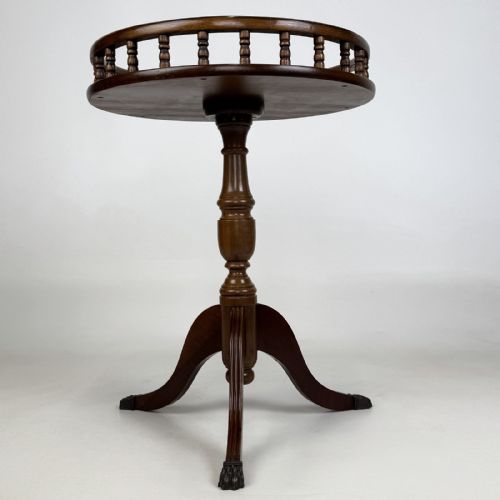
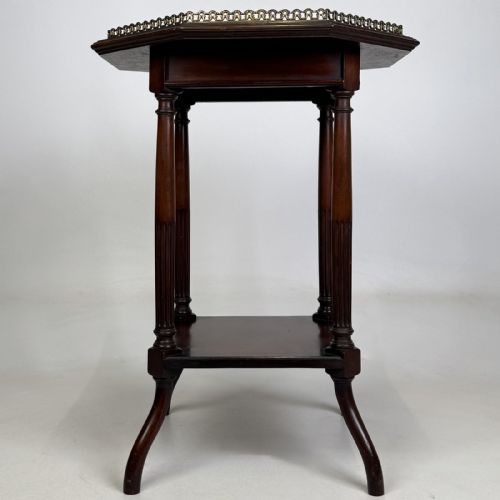
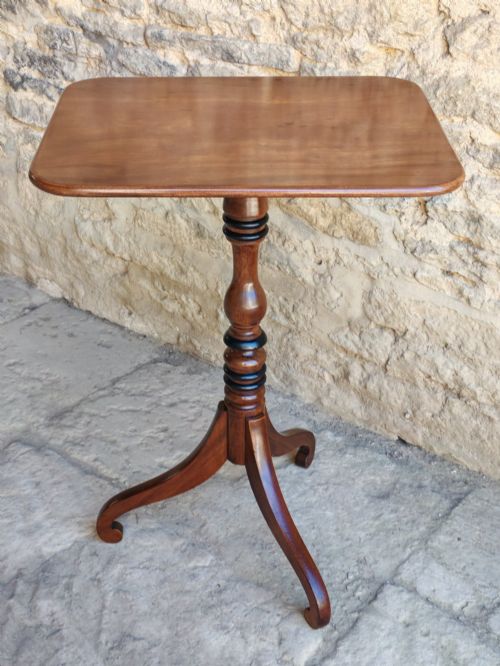
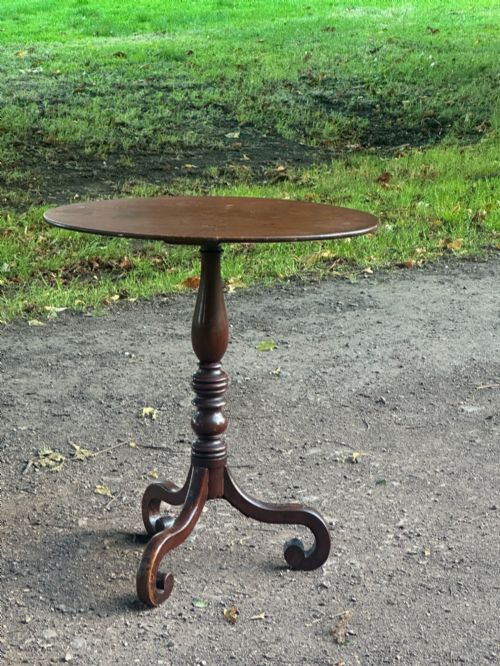
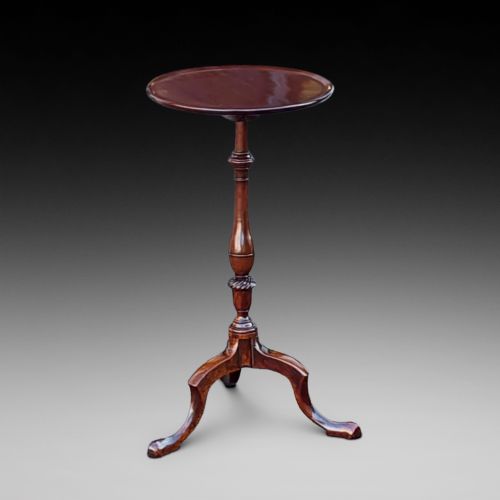
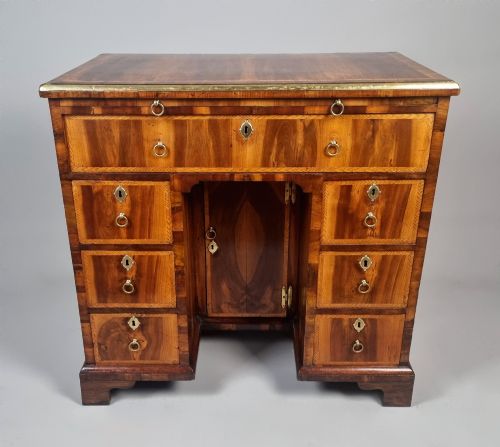
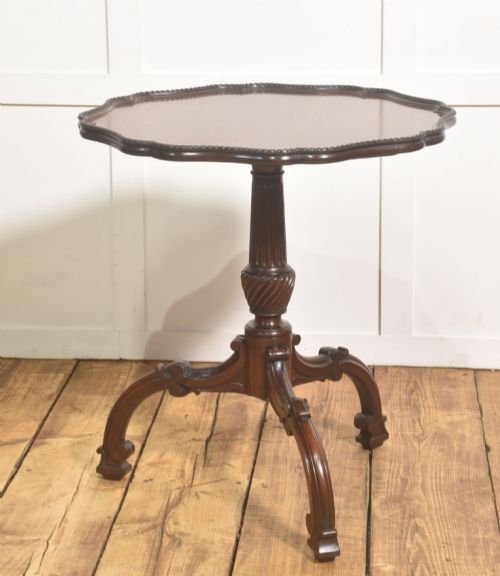
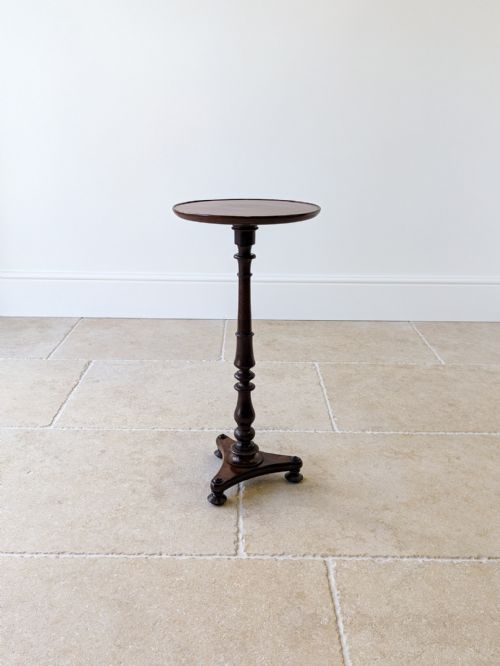
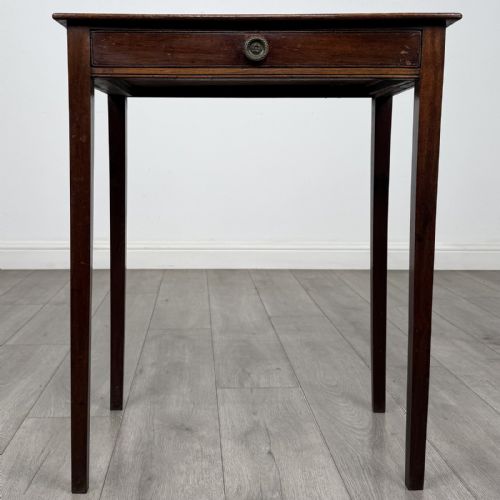
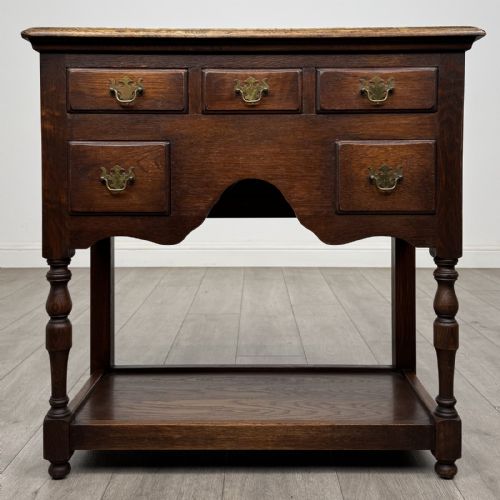
A georgian small table encompasses a diverse group of compact furniture designed for domestic use, predominantly appearing as wine tables, side tables, and occasional tables. These pieces emerge from periods including the eighteenth century, the nineteenth century, and the Edwardian era, showing styles such as George III, Regency, and Georgian design.
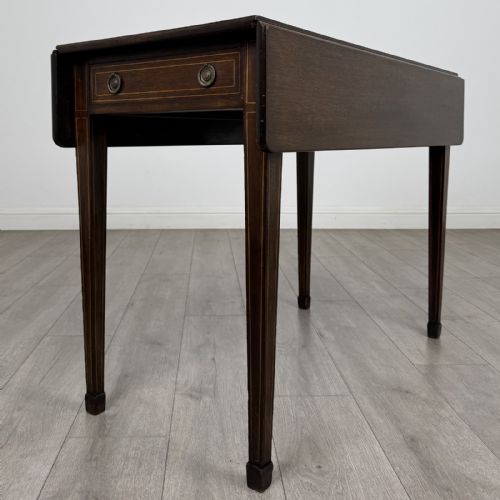
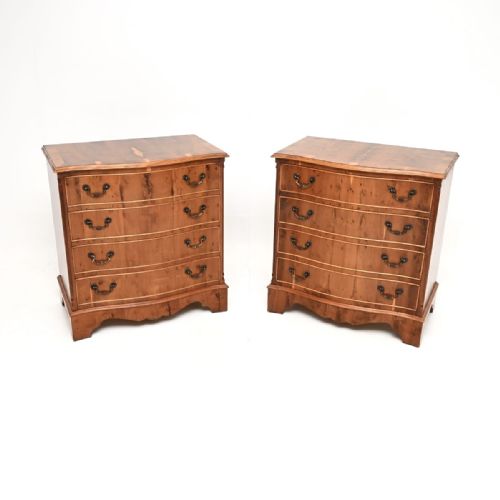
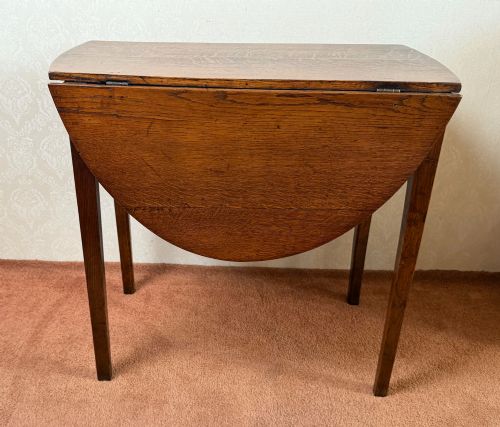
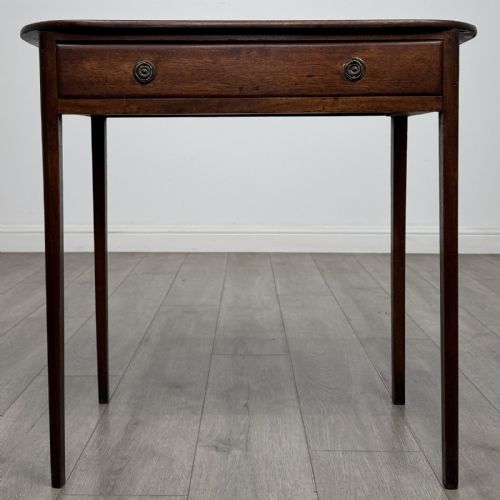
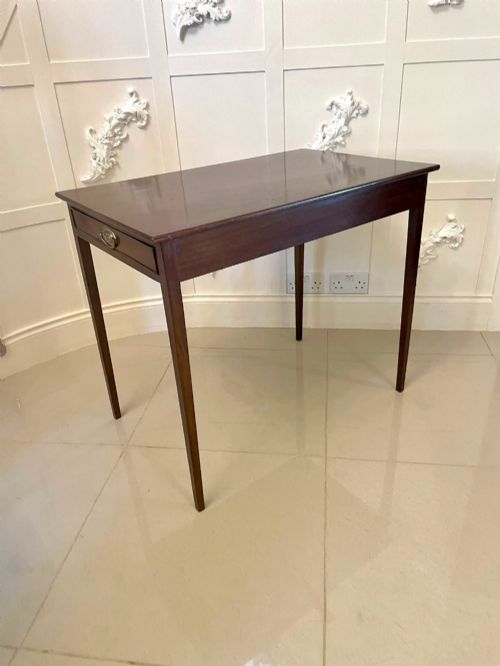
Buyers frequently encounter variations like tripod tables, drop leaf pembroke tables, and bedside cabinets in timbers such as mahogany, oak, and yew. The selection ranges from authentic period pieces dating to around eighteen hundred to later revivals produced into the nineteen-thirties.
The utility of these items remains as relevant today as it was centuries ago, serving as bedside stands, lamp tables, or incidental surfaces in narrow spaces. Each form reflects the domestic requirements of its original period while adapting easily to contemporary rooms.
Materials and construction methods
Cabinet makers utilised dense hardwoods including mahogany, walnut, oak, and yew, often selecting timber with finely figured grain for prominent surfaces. Secondary woods such as elm and boxwood appear in structural elements or decorative stringing, while brass fittings provide functional hardware for drawers and tilt mechanisms.
Joinery methods rely on traditional techniques appropriate to the period, from dovetailed drawer construction to pegged framing in earlier oak examples. Turning, carving, and inlay define the decorative vocabulary, visible in tripod pedestals, spade feet, and tilt top mechanisms.
Listings feature timbers such as mahogany, oak, walnut, yew, satinwood, boxwood, elm, and brass across various nineteenth-century and earlier periods.
Assessing quality in compact tables
Quality rests primarily in the selection of the timber and the crispness of the secondary details, such as the turning of a pillar or the hand-cut dovetails within a drawer. Pieces displaying finely figured mahogany or well-matched yew wood distinguish themselves from plainer examples.
Proportion and structural integrity separate standard items from superior specimens, particularly where tilt top actions or tripod legs remain rigid and true without excessive play. The subtlety of carved enrichment, such as restrained moulding or spade feet, indicates the original maker's skill.
Druce and Co
The Georgian Small Table Glossary
- Tripod table
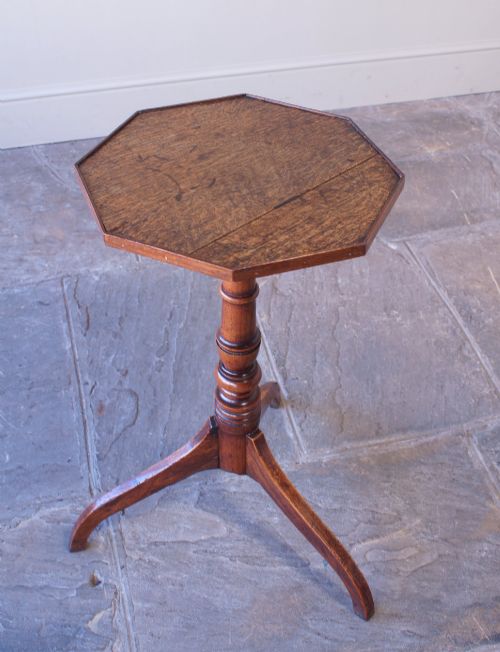
- A small circular table supported on a central pillar with three spreading legs. This form gained popularity during the eighteenth century for serving tea or holding candles.
- Pembroke table
- A drop leaf table with hinged flaps on either side and typically a single drawer. It was designed to be easily moved and opened as needed.
- Tilt top table
- A table featuring a mechanism that allows the top to pivot to a vertical position when not in use. This clever design saved valuable floor space in smaller rooms.
- Wine table
- A compact occasional table intended for holding glasses or decanters. They often feature small circular tops on pedestals.
- Spade foot
- A rectangular foot that tapers slightly towards the base, resembling the blade of a spade. This detail is frequently seen on furniture from the late eighteenth century onwards.
Georgian Small Table: Frequently Asked Questions
What is a georgian small table used for?
These compact tables originally served specific domestic tasks such as holding wine glasses, supporting bedside candles, or providing a stable surface for writing and needlework.
Today, they function brilliantly as lamp tables, bedside stands, or incidental surfaces in sitting rooms and hallways where floor space is limited.
How do I date a georgian small table?
Dating relies on observing a combination of timber choice, construction methods, and stylistic details. Earlier pieces from the mid-eighteenth century often employ oak or walnut with hand-cut joinery.
Later nineteenth-century examples and twentieth-century revivals often utilise dense mahogany with machine-finished elements, reflecting the manufacturing standards of their respective eras.
Are these tables sturdy enough for daily use?
Most of these pieces were built by skilled cabinet makers using durable hardwoods like oak, mahogany, and yew. Their survival through the centuries demonstrates their inherent structural strength.
While tripod designs require sensible placement to avoid tipping, standard four-legged side tables and pembroke tables handle everyday domestic items with ease.
What is the difference between original and revival pieces?
Original period pieces date from the reigns of the Georges or the Regency era, bearing the natural patina and wear accumulated over two centuries. They possess construction quirks unique to historic hand tools.
Revival pieces, produced during the Victorian, Edwardian, or later periods, emulate these classic styles using period-appropriate timbers but generally show cleaner, more uniform manufacturing techniques.