
Drop Leaf Accent Table
A drop leaf accent table offers practical folding surface space through hinged flaps, combining period character with flexible placement.
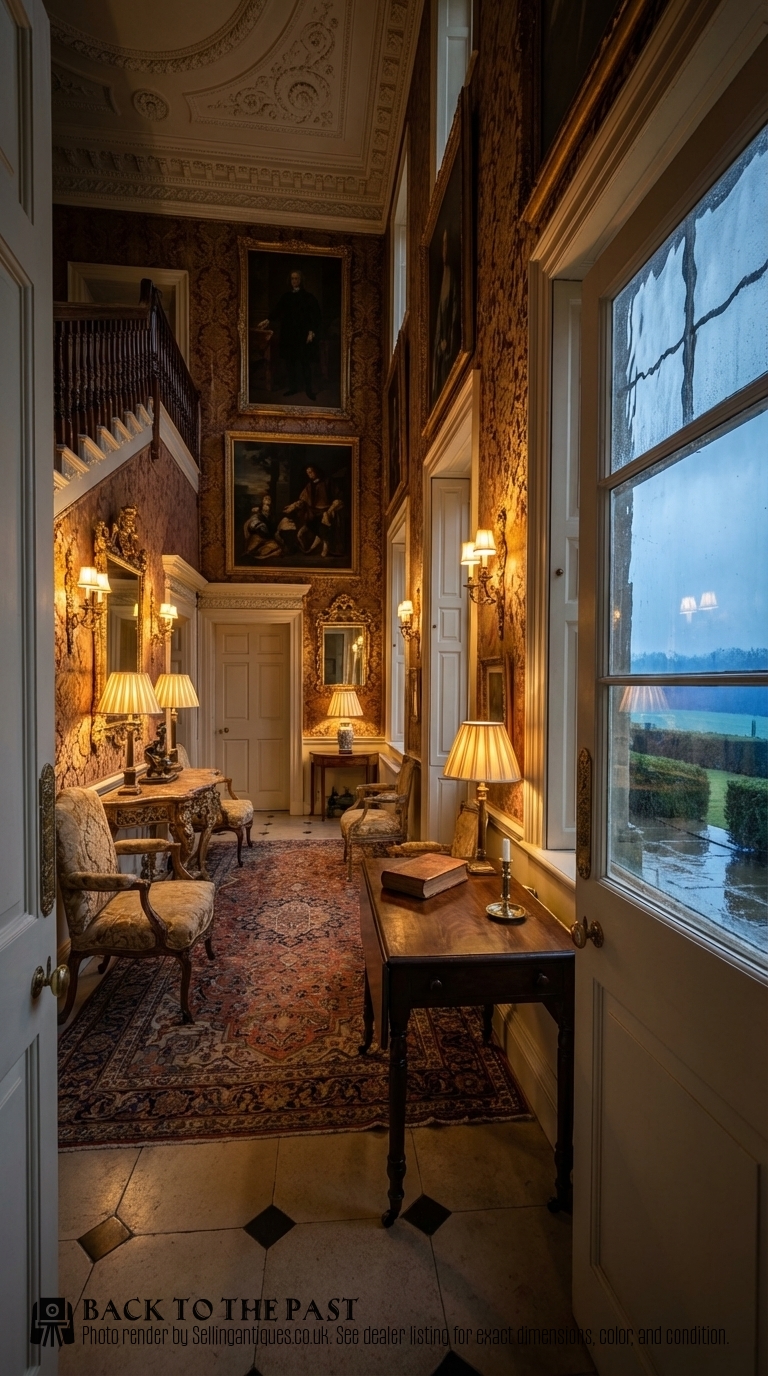
Drop Leaf Accent Table
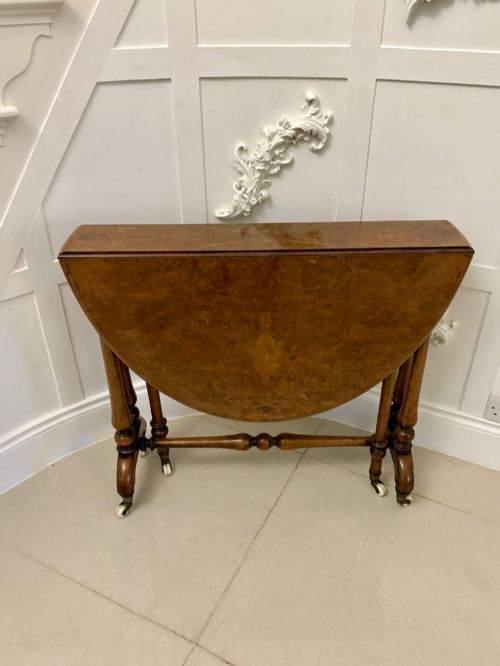
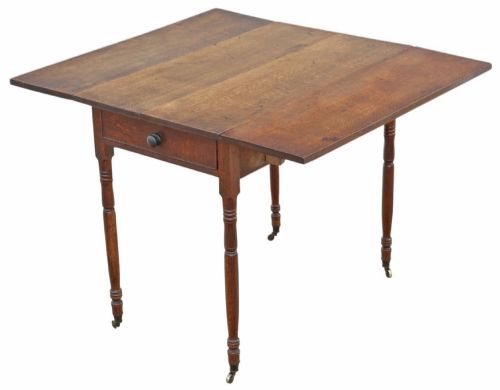
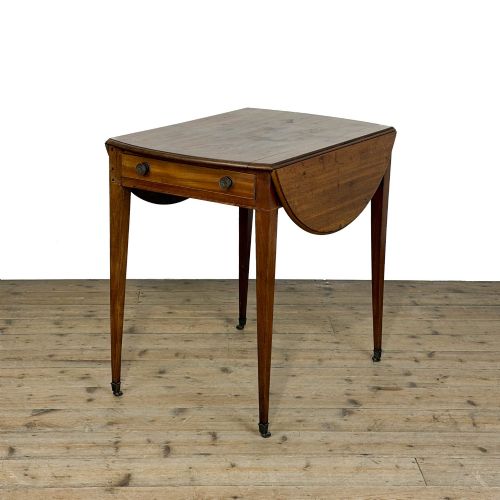
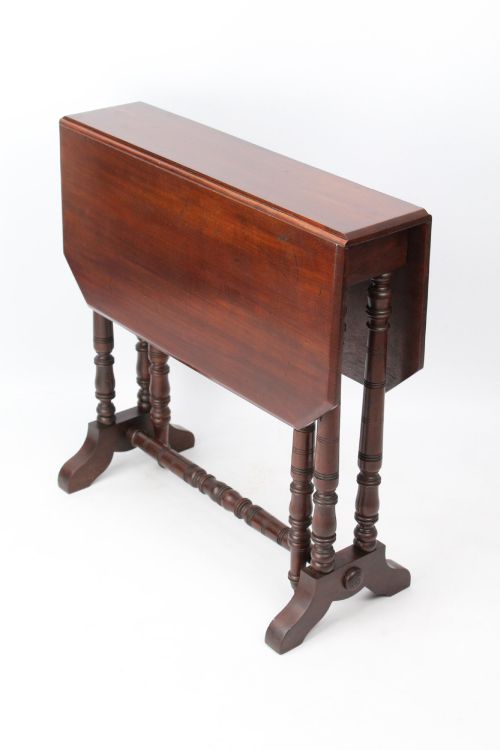
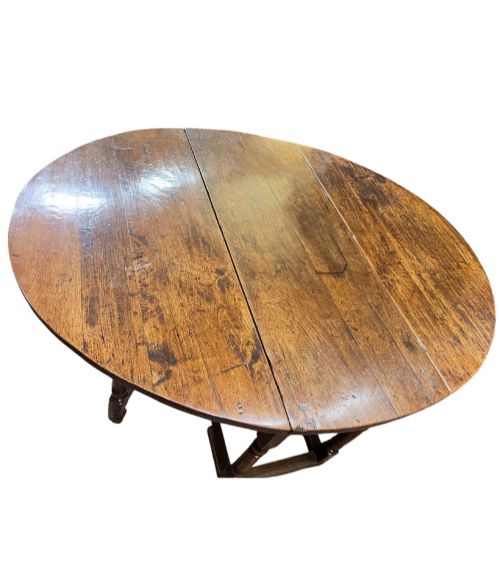
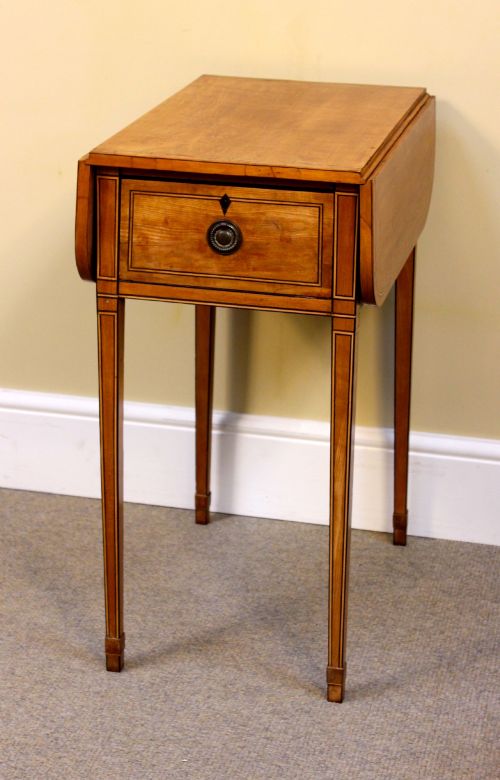
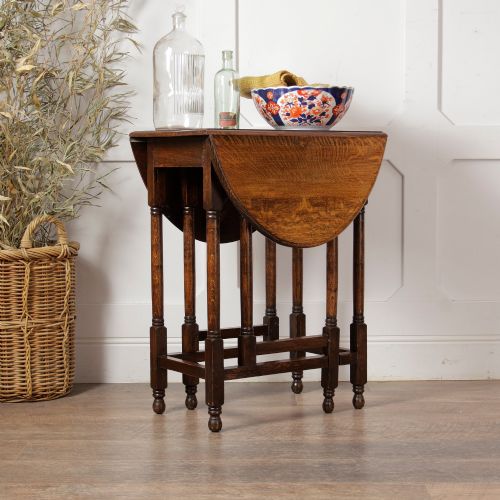
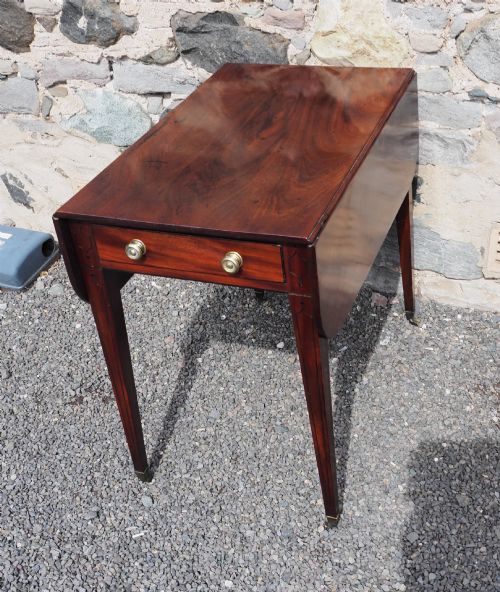
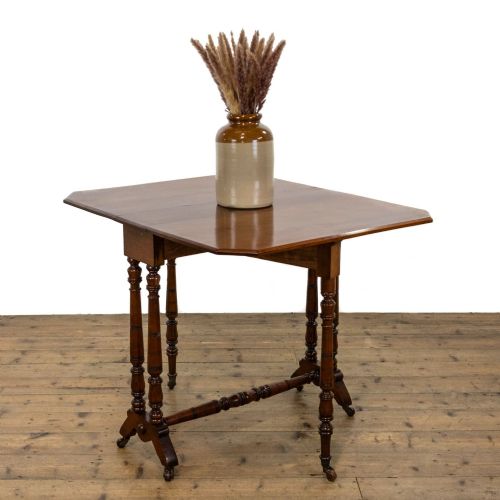
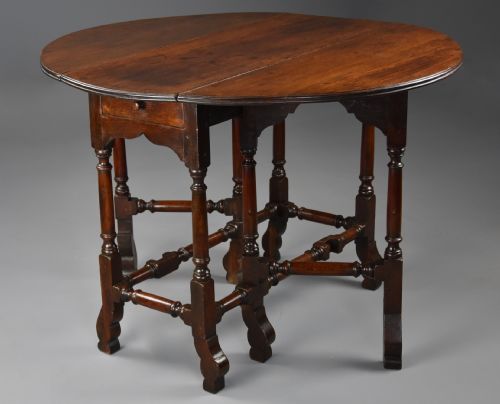
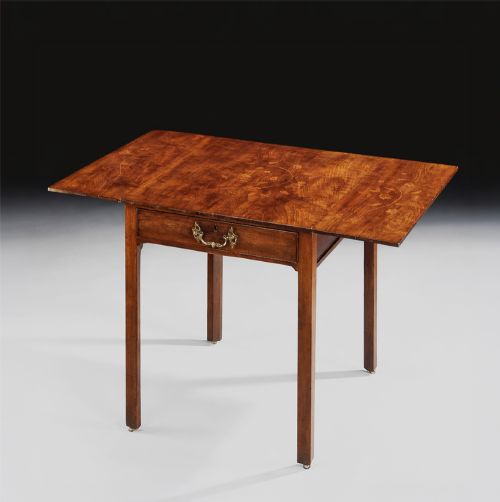
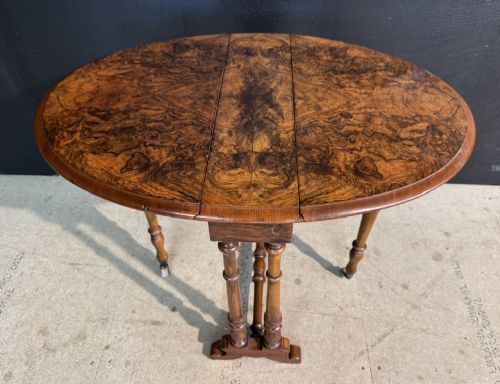
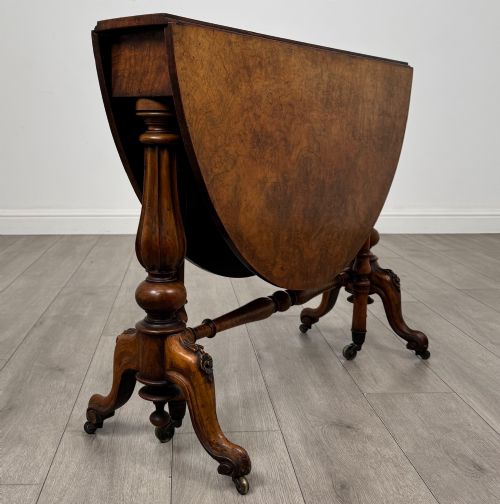
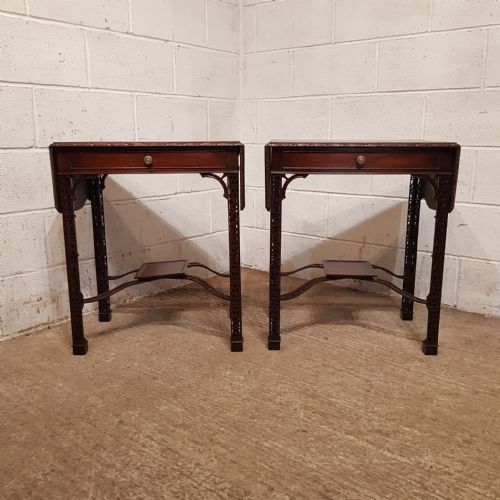
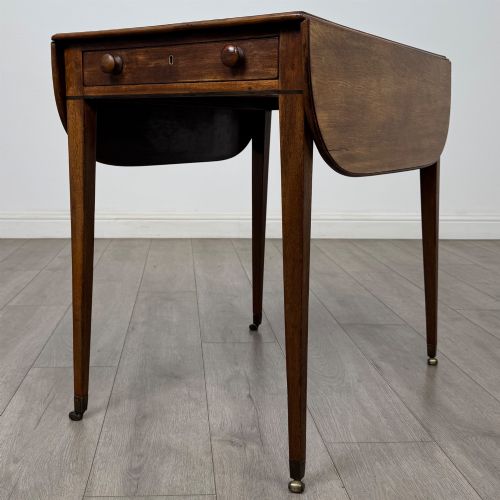
A drop leaf accent table spans multiple centuries of British and continental cabinet making, appearing in various forms across our inventory. Buyers searching this phrase encounter Pembroke tables, gateleg designs, and Sutherland tables made for occasional use in principal rooms. These pieces utilise hinged flaps to expand their surface area when needed and fold down compactly against walls or beside seating.
The selection ranges from seventeenth century oak gateleg examples to eighteenth century mahogany Pembroke tables and nineteenth century Victorian burr walnut pieces. Lesser seen variations include satinwood Regency drop flap tables, Edwardian occasional forms, and vintage oak or painted designs from the early twentieth century. Each version provides a functional surface with distinctive folding mechanisms characteristic of its period.
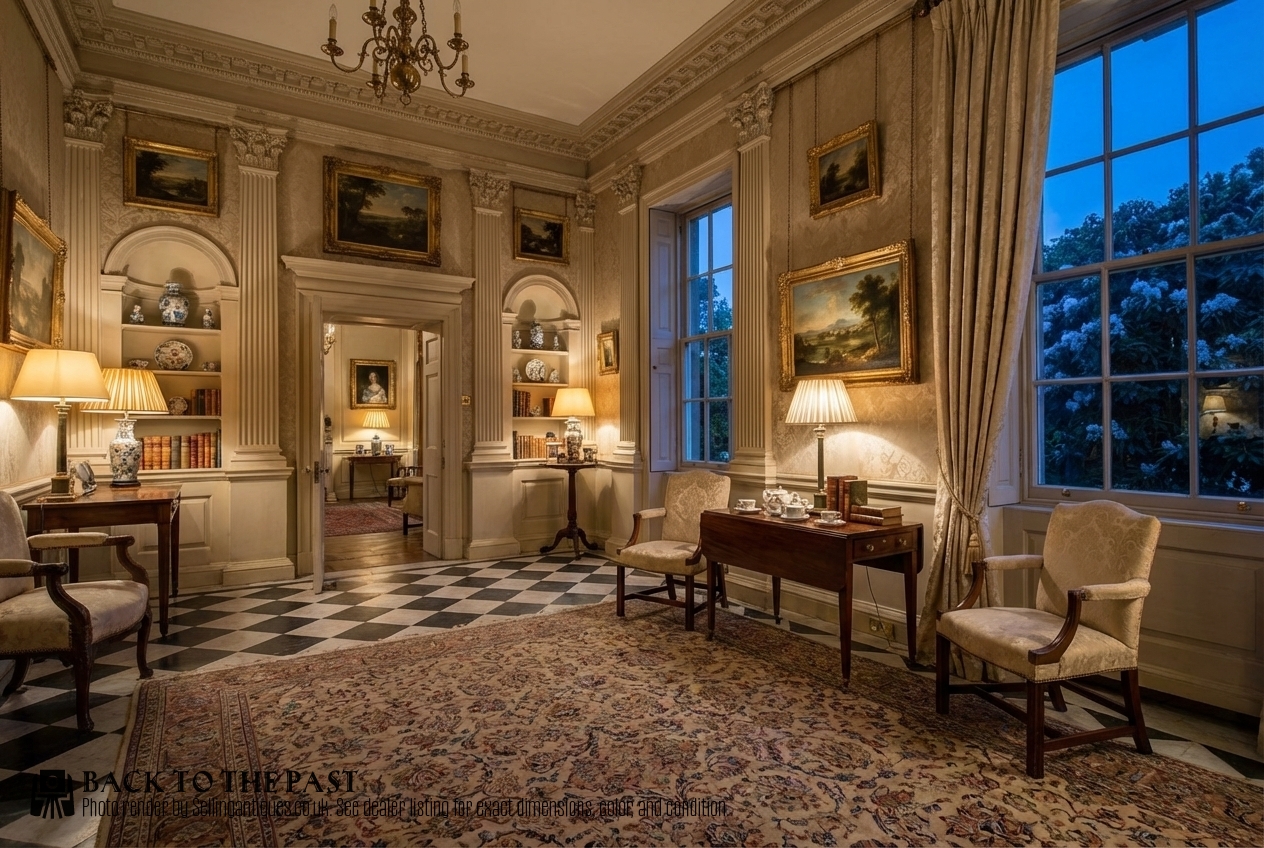
Materials and construction
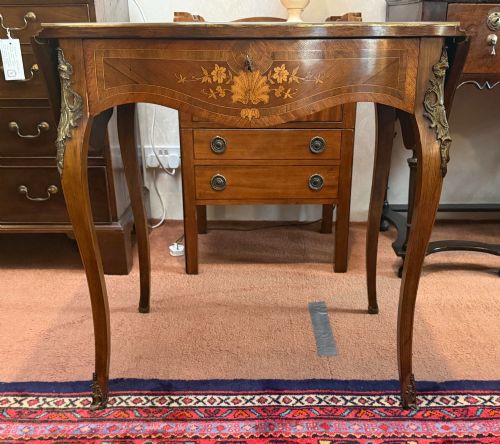
Cabinet makers constructed these tables primarily using hardwoods such as mahogany, oak, and walnut, frequently enhancing surfaces with satinwood, kingswood, or partridge wood cross banding and decorative wood inlay. Brass fittings appear on drawer hardware and castors, while timber hinges and gatelegs support the folding leaves. Selected pieces incorporate ceramic components or specialised painted finishes depending on their origin and style.
Joinery techniques evolved from robust seventeenth century frame and panel construction to lighter eighteenth and nineteenth century framing designed to support hinged leaves securely. Timber selection prioritised figured grains like burr walnut or fiddleback sycamore on prominent surfaces, paired with sturdy secondary woods for internal framing and drawer construction.
Drop Leaf Accent Table Retail Price Guide 2026
Typical asking prices for drop leaf accent table among the pieces listed under this phrase on Sellingantiques today, from the lower quarter to the upper quarter. They describe what is for sale here now, not the wider market.
Listings feature pieces spanning the seventeenth, eighteenth, nineteenth, and early twentieth centuries, constructed in oak, mahogany, walnut, and satinwood.
Evaluating quality and execution
Quality in a drop leaf accent table is evident in the selection of timber veneers, the precision of cross banding, and the integration of the folding mechanism. Superior examples display carefully matched grain patterns across the leaves and top, alongside subtle details such as fine stringing, marquetry, or delicate spider legs that remain structurally rigid.
Construction standards differ significantly between standard workshop production and fine cabinet work featuring complex internal framing or unusual proportions. The fluidity of the drop leaf action, stability when extended, and the condition of original brass castors or hinges separate ordinary functional furniture from pieces demonstrating high craftsmanship.
Johnstone and Jeanes
The Drop Leaf Accent Table Glossary
- Pembroke table
- A small occasional table featuring two hinged drop leaves on opposing sides, frequently fitted with one or more small drawers.
- Gateleg table
- A table with hinged leaves supported by hinged legs that swing outward like a gate to hold the flaps aloft.
- Sutherland table
- A narrow table with exceptionally slender drop leaves that fold down almost vertically, popular during the Victorian period.
- Cross banding
- A decorative border of veneer laid with the grain running perpendicular to the main surface timber.
- Marquetry
- Elaborate decorative patterns formed by the insertion of different woods, veneers, or shell into a solid wood matrix.
Drop Leaf Accent Table: Frequently Asked Questions
What is a drop leaf accent table?
A drop leaf accent table is a compact occasional piece featuring hinged flaps that raise to expand the surface area or lower for space saving storage. These tables date from the seventeenth century onward and serve versatile roles in living spaces.
They appear in forms such as Pembroke, gateleg, and Sutherland tables, constructed from timbers including mahogany, oak, and walnut with various decorative inlays.
How were Pembroke tables used?
Pembroke tables served multiple functions in historic interiors, functioning as breakfast tables, writing desks, or occasional side surfaces near seating. The folding leaves allowed servants to move and position them easily around drawing rooms.
Drawers built into the apron provided storage for writing materials, small accessories, or sewing items, making them highly adaptable pieces for daily domestic life.
How do I date an antique drop leaf table?
Dating relies on examining the timber species, construction joinery, hardware, and stylistic details characteristic of specific periods like Georgian, Regency, or Victorian. Oak and gateleg forms generally point to the seventeenth or eighteenth centuries, while burr walnut and Sutherland designs typically indicate the Victorian era.
Secondary woods, drawer dovetailing methods, and the presence of original brass castors or hinges also provide reliable chronological markers for evaluation.
How do I care for a walnut table?
Care for walnut surfaces involves keeping them away from direct sunlight and extreme humidity fluctuations to prevent veneer lifting or timber splitting. Regular dusting with a soft, dry cloth maintains the finish without requiring heavy polishes.
Applying occasional appropriate wax preserves the patina on older polished timbers while protecting the wood from minor surface wear during daily use.