
Turned Leg Drop Leaf
Turned leg drop leaf tables offer versatile folding surfaces supported by lathe-turned wooden uprights, making them practical for everyday dining and small spaces.
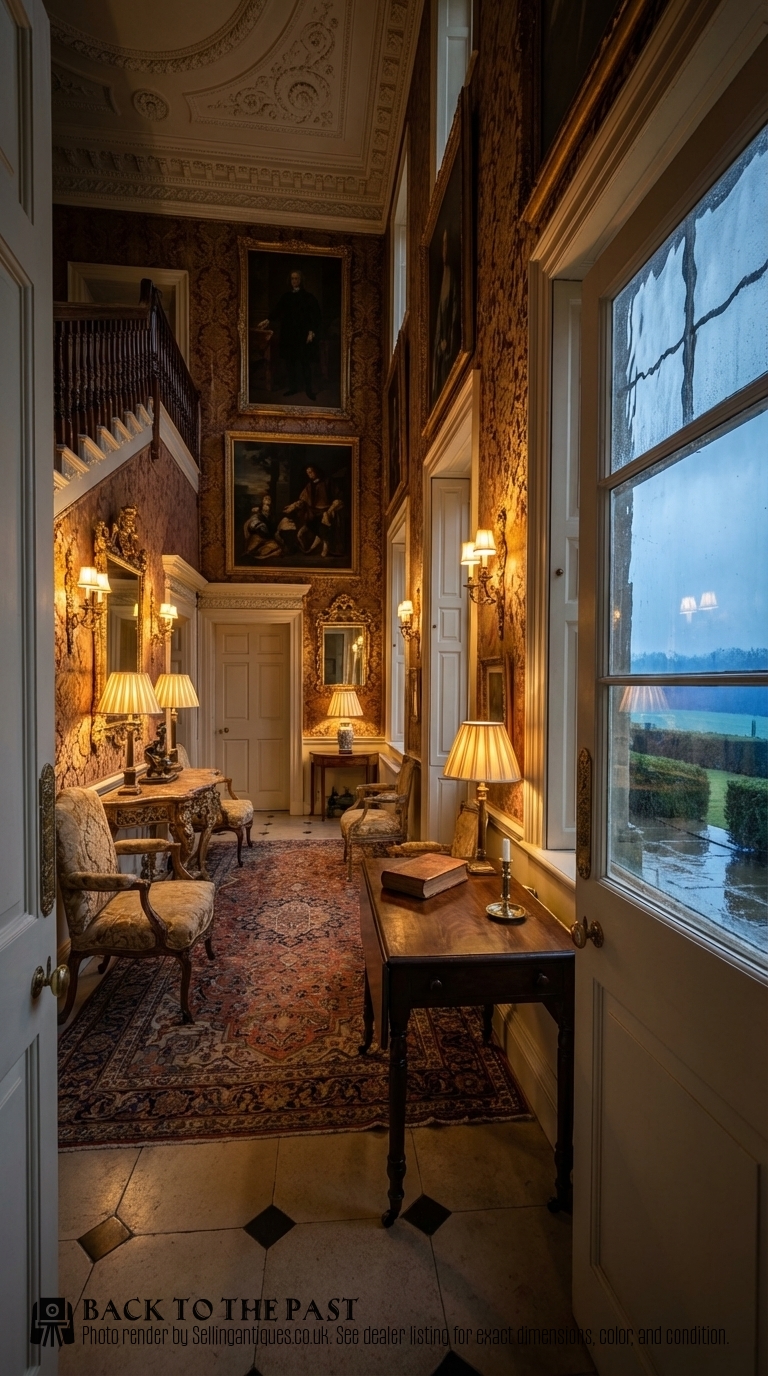
Turned Leg Drop Leaf
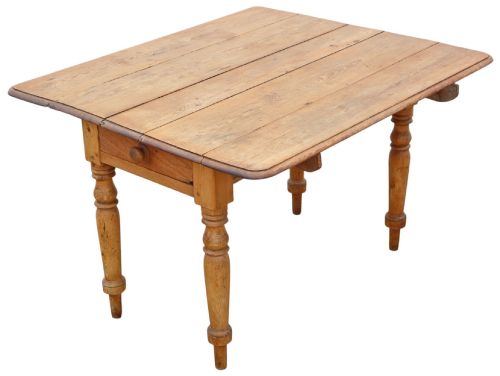
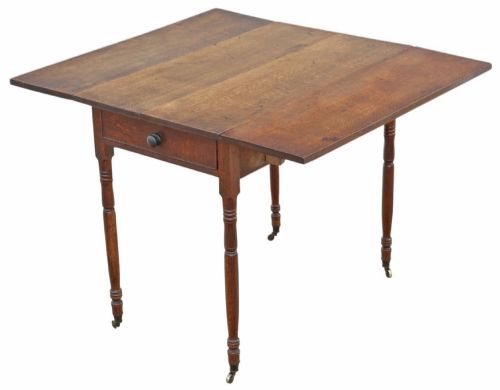
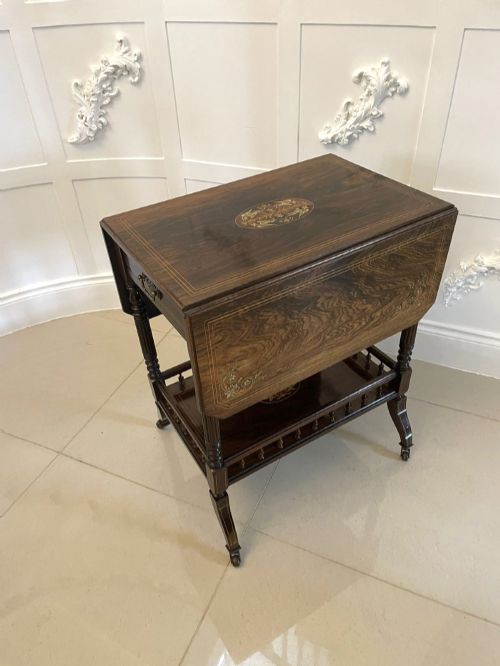
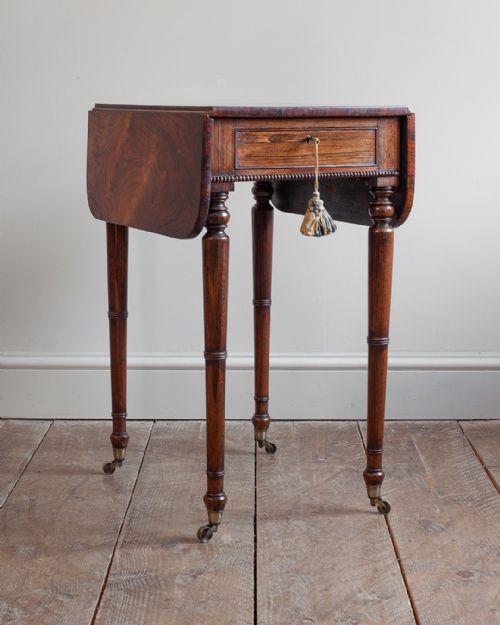
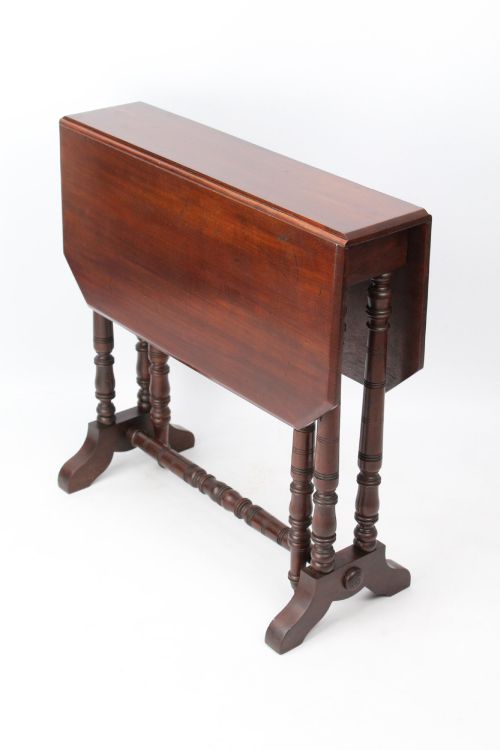
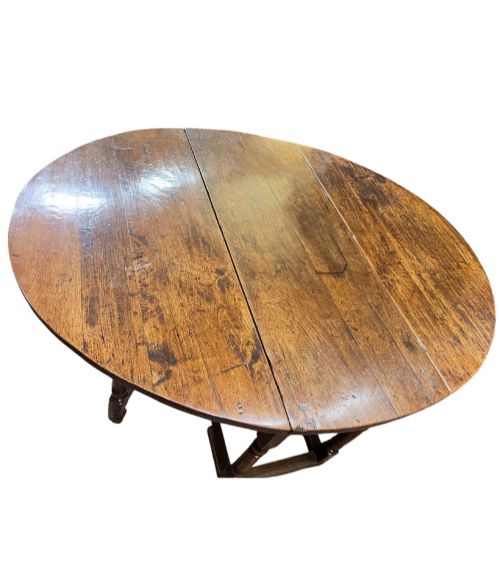
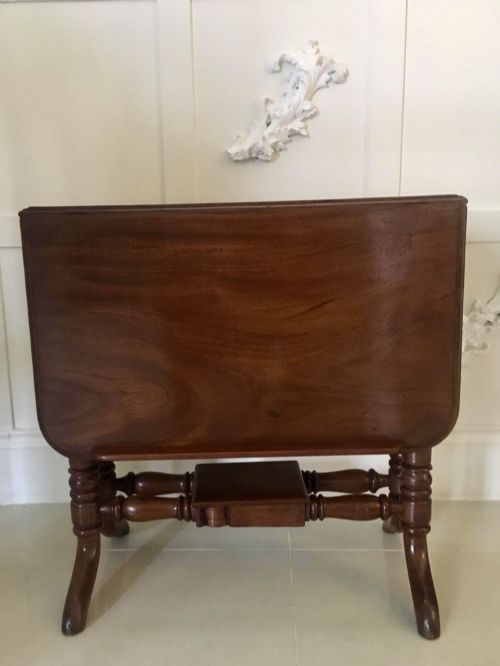
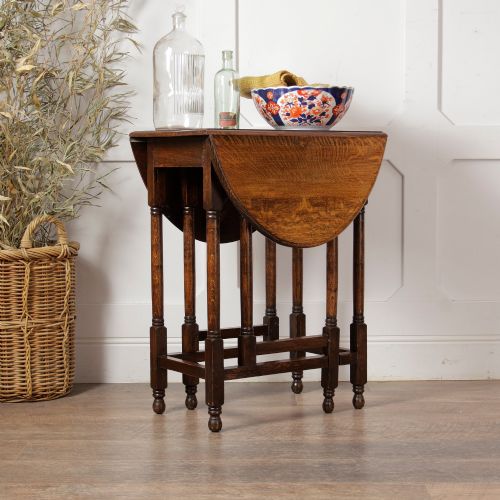
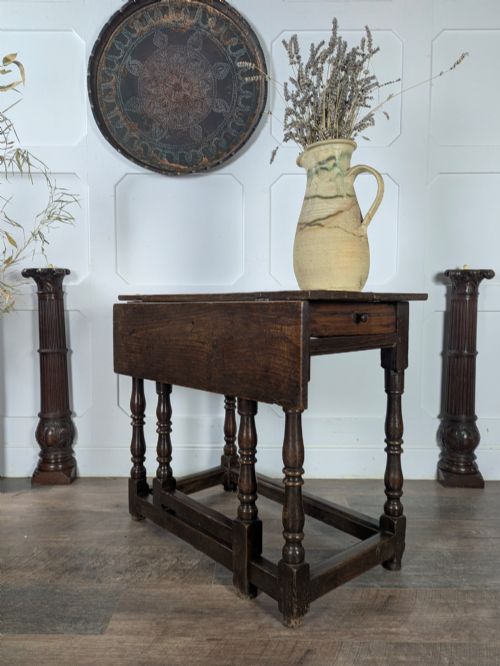
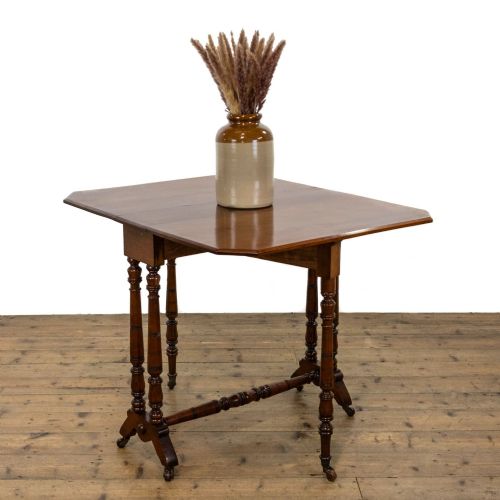
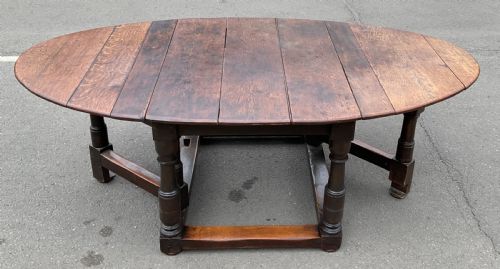
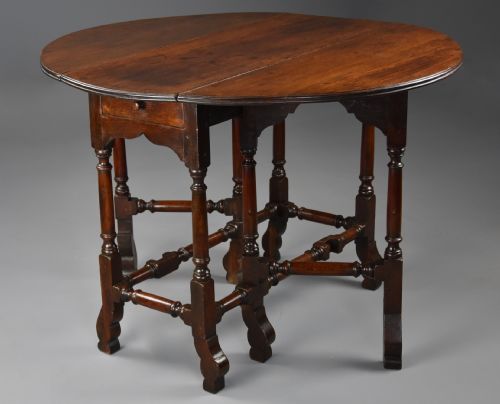
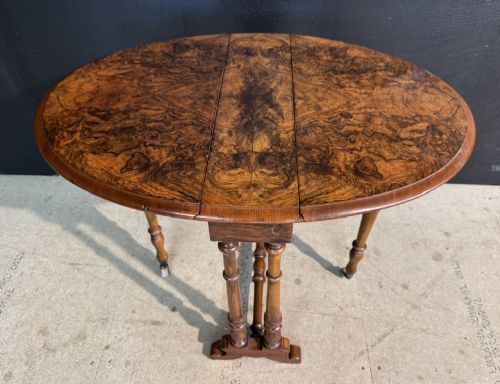
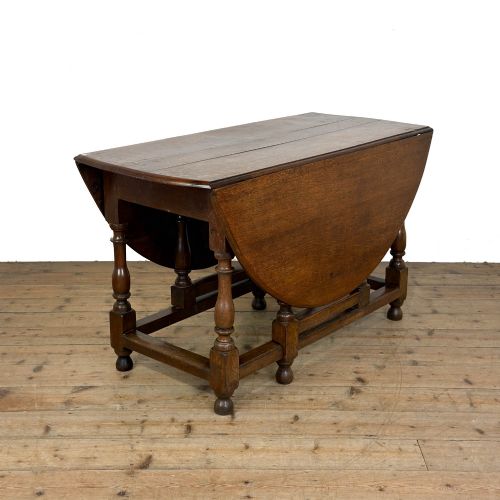
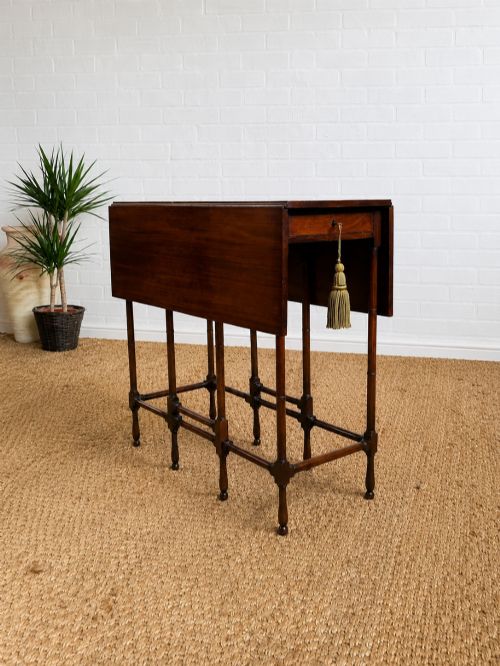
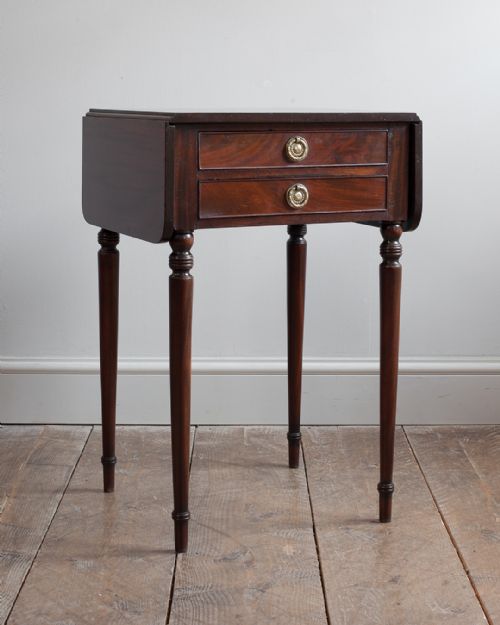
When you search for turned leg drop leaf, you encounter tables designed with hinged flaps that fold down when not in use. These pieces span centuries of cabinet making, appearing in forms such as gateleg tables, Pembroke tables, and Sutherland tables.
The versions most common on this page are constructed from timbers like oak and mahogany, often dating from the 18th and 19th centuries. They serve practical functions as dining tables, side tables, and kitchen tables while occupying minimal floor space when folded.
How they were made
Joiners and cabinet makers utilised solid timbers including oak, walnut, and mahogany, frequently pairing them with brass hinges and fittings. Legs were shaped on a lathe to create bobbin, baluster, or bamboo-turned profiles that support the folding leaves.
Construction methods relied on traditional joinery such as tenons and pegged joints to handle the stress of moving flaps. Surfaces were finished to highlight natural grain patterns, often developing a warm patina over decades of use.
Turned Leg Drop Leaf Retail Price Guide 2026
Typical asking prices for turned leg drop leaf among the pieces listed under this phrase on Sellingantiques today, from the lower quarter to the upper quarter. They describe what is for sale here now, not the wider market.
Periods represented span from the 17th century through the Edwardian era.
What varies in quality
The standard of a table depends heavily on the selection of timber and the crispness of the turned work on the legs. Dense, figured woods like burr walnut or red walnut indicate superior material choice by the maker.
Structural integrity rests on the original hinges and the stability of the gateleg or drop-leaf action. Tables retaining their original hardware and unblemished patination command greater appreciation among collectors.
Johnstone and Jeanes
The Turned Leg Drop Leaf Glossary
- Gateleg table
- A table with hinged flaps supported by legs that swing outward like gates. This design provides robust support for the drop leaves when fully extended.
- Pembroke table
- A small rectangular table featuring two folding side leaves and usually a single drawer. It originated in the 18th century as a breakfast or occasional table.
- Sutherland table
- A narrow table with exceptionally slender drop leaves and legs that swing out to support them. It was developed in the Victorian era to fold into a very compact footprint.
- Patina
- The surface sheen and mellowing of colour acquired by wood over long periods of handling and exposure. It serves as an indicator of age and careful preservation.
- Bobbin turned
- A style of furniture leg shaped on a lathe to resemble a series of spools or bobbins threaded onto a string. This decorative turning is frequently seen on 17th-century pieces.
Turned Leg Drop Leaf: Frequently Asked Questions
How do I date an oak gateleg table?
Dating an oak gateleg table involves looking at the construction methods, nail types, and the style of the turned legs. Earlier 17th-century examples often feature heavy bobbin or baluster turnings with pegged joinery.
Later 18th- and 19th-century versions tend to have lighter timbers, refined hinges, and proportions suited to changing domestic interiors.
Where were Pembroke tables used?
Pembroke tables were originally used in sitting rooms and bedrooms as breakfast tables, writing desks, or lamp tables. Their small scale and folding leaves allowed them to sit against a wall when not in active use.
Households utilised their drawers for storing small items like stationery, sewing supplies, or candles.
How do I maintain wood patina?
Maintaining wood patina requires simple dusting with a soft cloth and occasional applications of traditional beeswax. Avoid using modern silicone sprays or placing the table in direct sunlight or near heat sources.
Allowing the wood to breathe preserves the rich colour and surface texture built up over centuries.