
Small Wooden Dining Table
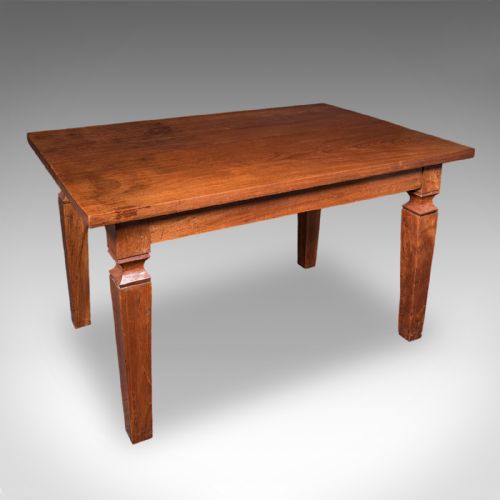
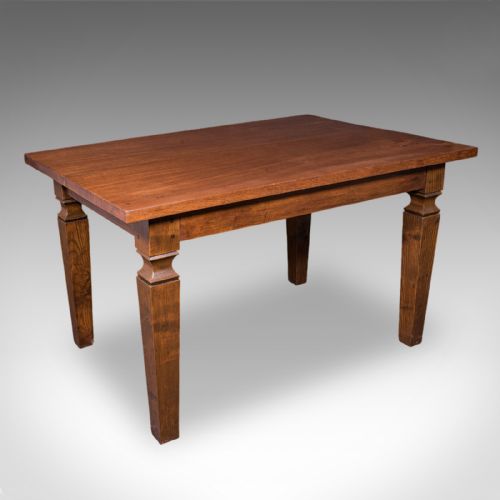
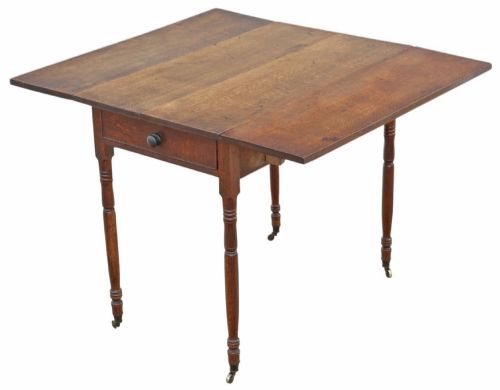
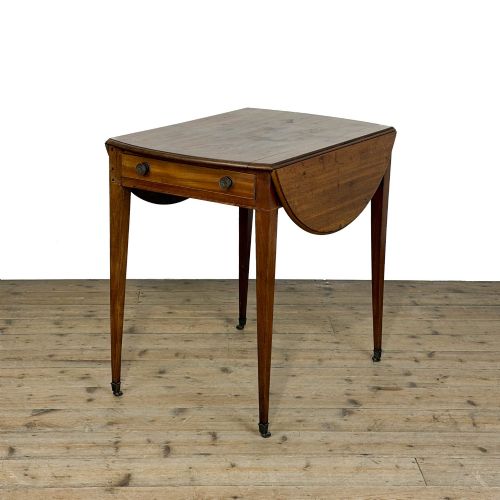
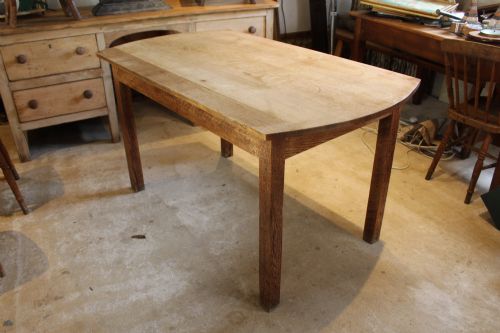
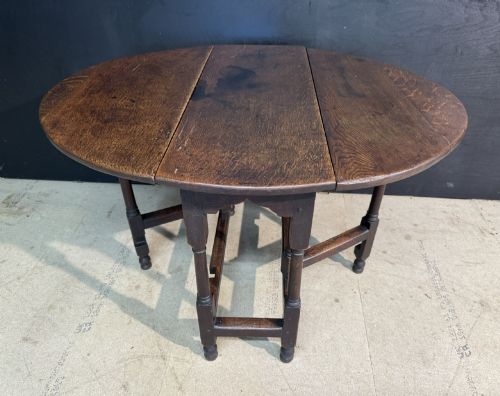
A small wooden dining table brings practical dining space to compact rooms through clever drop leaves and gateleg folding frames.
Small Wooden Dining Table
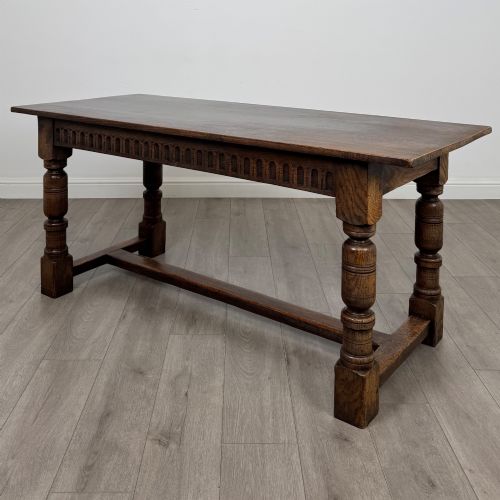
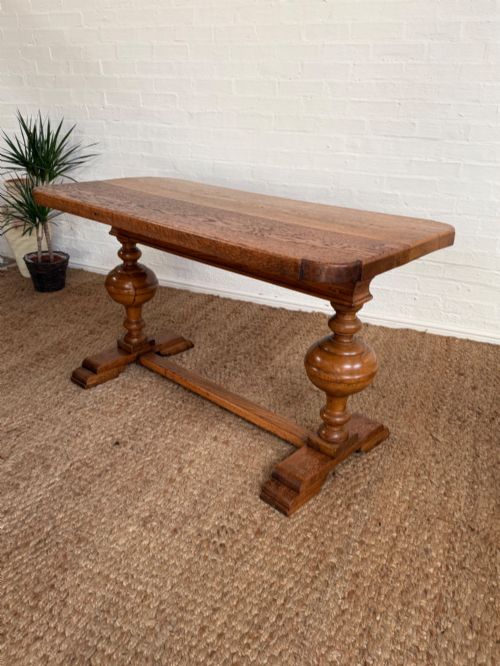
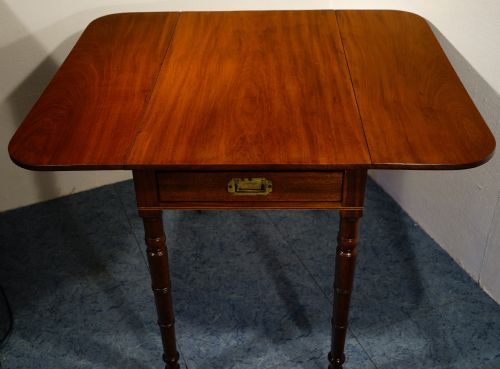
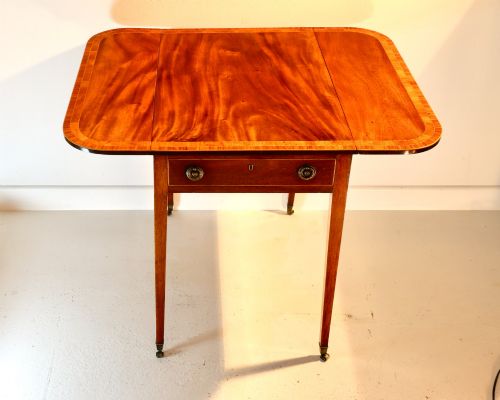
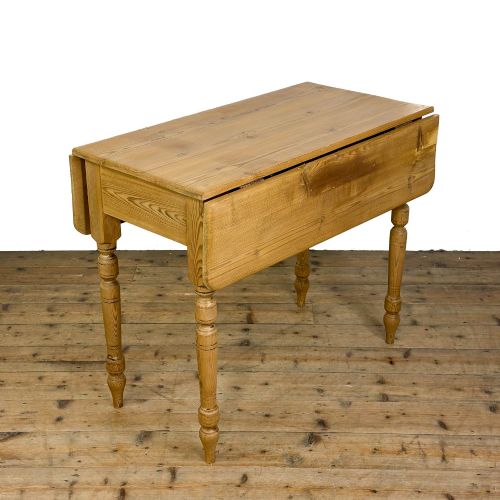
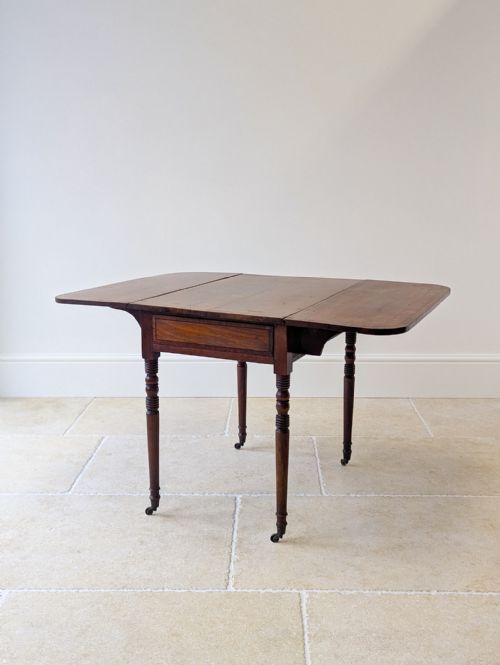
When you search for a small wooden dining table, you encounter compact furniture designed for dining and daily kitchen use across multiple centuries. The selection centres on drop leaf pembroke tables, gateleg designs, and compact refectory or farmhouse kitchen tables.
Most examples hail from the Georgian, Victorian, and Edwardian eras, alongside pieces dating to the eighteenth century and the early twentieth century. These tables offer versatile surfaces that expand when needed and fold away to save floor space.
Makers utilised resilient timbers to build furniture that survived generations of daily family meals. You find tables in domestic settings ranging from formal dining rooms to country kitchens.
Quality variations
The standard of timber selection defines the upper tier of these tables, where cabinet makers chose richly figured mahogany, fine-grained walnut, or dense quarter-sawn oak. Lesser pieces utilised simpler softwoods or mixed timbers.
Construction precision separates robust daily furniture from fragile items, particularly in the complex mechanics of drop leaf hinges, sliding wooden supports, and gateleg pivoting joints. Smooth operation of folding leaves indicates superior original craftsmanship.
Proportion and decorative restraint dictate the desirability of a piece, with well-balanced dimensions and subtle period details holding greater appeal than heavy or clumsy alterations.
Listings feature timbers including mahogany, oak, pine, walnut, fruitwood, and satinwood, spanning the Georgian, Victorian, and Edwardian periods.
Morison of Ayr
The Small Wooden Dining Table Glossary
- Pembroke table
- A small rectangular table featuring two hinged drop leaves on opposite sides. It often includes one or two small drawers.
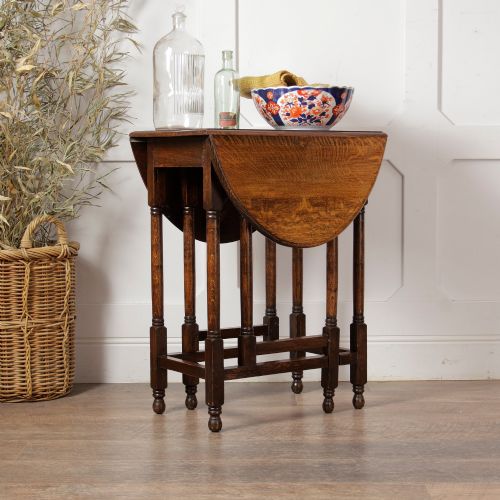
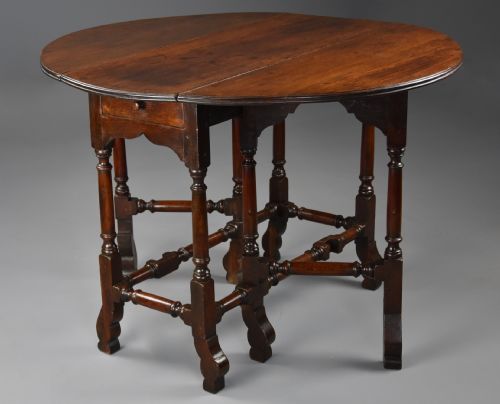
- Gateleg table
- A table with hinged leaves supported by legs that swing outward like a gate. This design provides sturdy support for extending surfaces.
- Refectory table
- A long, narrow dining table traditionally built with sturdy timber legs and a central stretcher. Smaller scaled versions suit compact dining spaces.
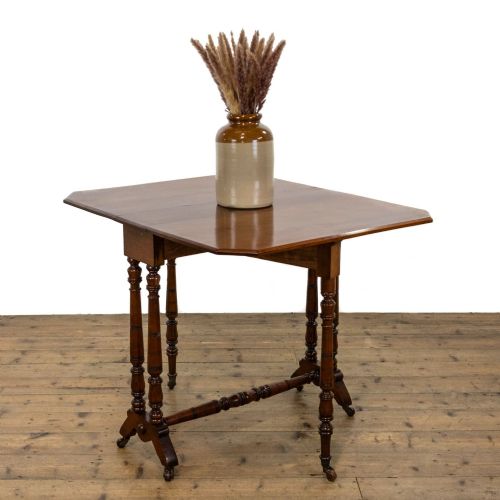
- Sutherland table
- A particularly slender variety of drop leaf table where the leaves comprise the majority of the tabletop surface. When folded down, the table occupies minimal floor space.
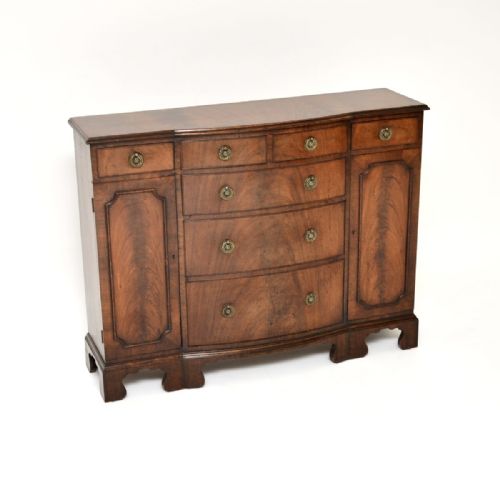
- Bowfront
- A convex curved cabinet front popular on sideboards and serving tables. This curved profile softens room angles in smaller dining spaces.
Small Wooden Dining Table: Frequently Asked Questions
How do I use a drop leaf table?
Raise the hinged side leaves and swing the supporting wooden gate legs or brackets into position underneath. This extends the surface area for dining and folds flat against the wall when finished.
Ensure the folding mechanisms lock securely before placing heavy dishes on the outer edges to maintain stability during meals.
How do I identify a Georgian table?
Examine the timber for rich mahogany or oak, clean classical proportions, and understated structural details typical of the eighteenth and early nineteenth centuries. Quality pieces often display hand-cut dovetails inside drawer compartments.
Check underneath for period construction marks and timber ageing that match the expected date of manufacture.
Where should I place a small dining table?
Position the table against a wall with both leaves dropped to serve as a side table or console in a hallway or living room. Pull it into the centre of the room and raise the leaves when hosting guests for dinner.
Keep wooden surfaces away from direct heat sources and strong sunlight to protect the polish and prevent timber warping.